Loose skin rarely announces itself all at once. More often, it’s something you begin to notice in the mirror. A brow that feels heavier by the end of the day. A jawline that looks softer in photos. Skin along the neck or under the chin that seems to shift rather than wrinkle.
This is typically the point when you start thinking about lifting treatments, even if you’re not quite sure where to begin. When it comes to addressing early signs of laxity, treatments designed to lift tend to work best while the skin still has elasticity and structural support to work with, making timing an important part of the conversation.
What Treatments Can Actually Lift?
Not every treatment that improves skin quality lifts skin in a meaningful way. Topicals, injectables and resurfacing treatments can smooth texture or soften lines, but lifting requires reaching the deeper, collagen-rich layers responsible for structure and support.
That’s where Ultherapy PRIME’s unique ultrasound technology comes in. Designed to not only target the superficial layers of the skin, but also deeper, foundational layers that are often targeted by traditional facelifts, without any incisions or downtime.1,4 Ultherapy PRIME is FDA-cleared to lift the brow, skin on the neck and under the chin, and to improve lines and wrinkles on the décolleté.1 It has also been FDA-cleared to improve the appearance of skin laxity on the abdomen, anterior arms and posterior arms, where the goal is to firm and tone.1
“Ultherapy PRIME represents the best-in-class technology for lifting the face*, neck, brow and décolleté,” says New York facial plastic surgeon Jennifer Levine, MD. “It is safe for all skin types, has no downtime, and patients can return to their regular activities immediately. Ultherapy PRIME is an important part of any aesthetic plan.”
How Ultherapy PRIME Works
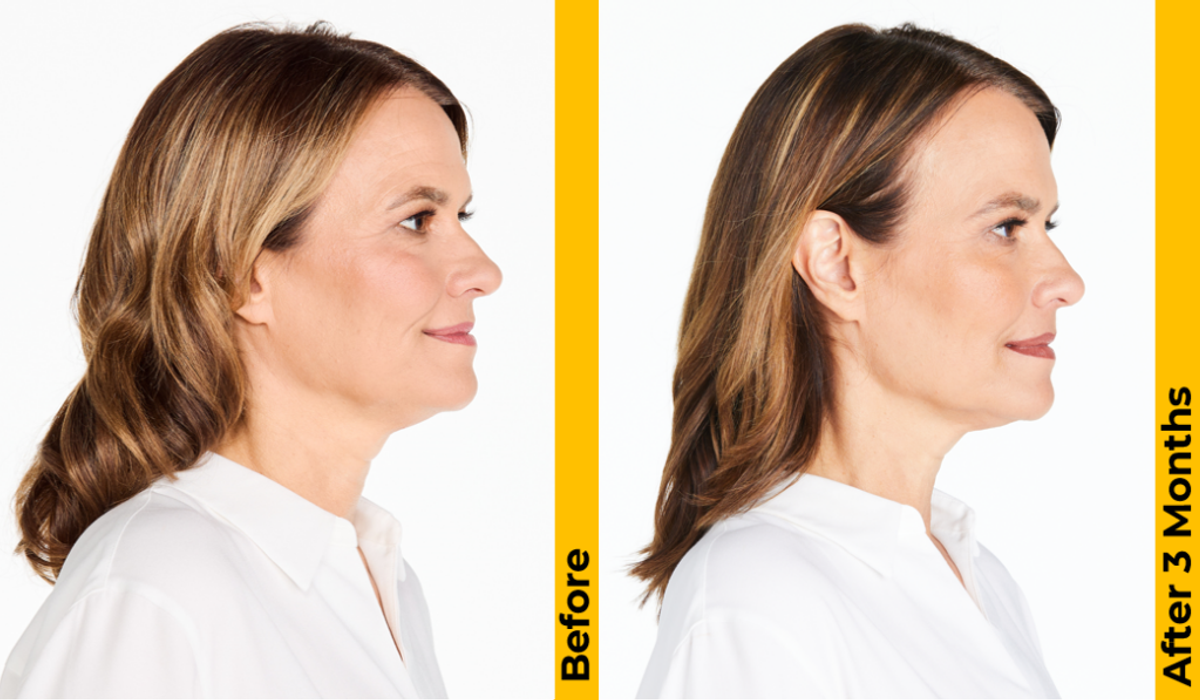
Ultherapy PRIME delivers micro-focused ultrasound energy to stimulate collagen and elastin production across multiple layers of the skin.3 Over the following months, natural-looking results gradually appear and can last up to a year or more for the face* and up to six months or more for the body.6,8-10*
A key differentiator of Ultherapy PRIME is real-time visualization, which allows providers to see beneath the skin and customize treatment depth based on each patient’s unique anatomy.1 This ensures that the right areas are targeted to maximize collagen and elastin regeneration for a truly personalized treatment.3 “Ultherapy PRIME allows me to visualize the deeper layer of tissue that I would lift if were doing a facelift,” adds Dr. Levine. “Visualization and anatomy matter.”
Why Experts Recommend Ultherapy PRIME
For physicians, predictability and precision are critical when performing a lifting treatment. Unlike Lasers, Radio frequency, and other technologies, Ultherapy PRIME is the only FDA-cleared ultrasound technology with real-time imaging that allows your provider to go deeper to reach the right skin layers for your most beneficial treatment.2,3,5
“I’ve been using the original Ultherapy in my practice for over eight years, and the new Ultherapy PRIME is a great example of evolving an already effective technology,” says Chicago dermatologist Jessie Cheung, MD. “The much larger, brighter screen improves visualization for the provider, which has enhanced my precision and efficiency during treatments. The adjustable features are a welcome addition, helping to deliver a faster experience for the patient.”
That level of control allows providers to address early laxity without overcorrecting or creating an overdone look.
Why Patients Are Using Ultherapy PRIME
Patients experiencing changes in their appearance due to factors such as age, weight fluctuations (including those related to GLP-1 use), postpartum, or menopause are ideal candidates for Ultherapy PRIME. It is especially suited for those with mild to moderate skin laxity who are seeking a noninvasive approach to achieving natural-looking results. With just one session with zero downtime, the treatment fits easily into busy schedules and long-term aesthetic plans.1,6
“As an aesthetic dermatologist, my goal is always to not only help my patients feel their best but also improve skin quality,” says Miami dermatologist Roberta Del Campo, MD. “I am a huge advocate for natural-looking enhancement and Ultherapy is my treatment of choice for these reasons."
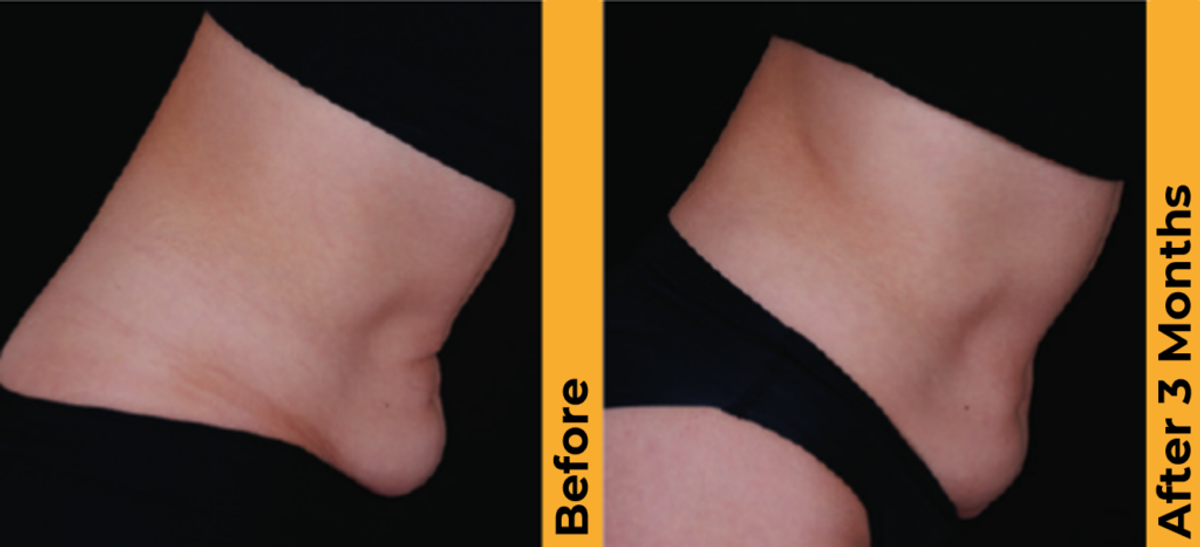
Actual Patient. Individual results may vary. Abdomen treated.
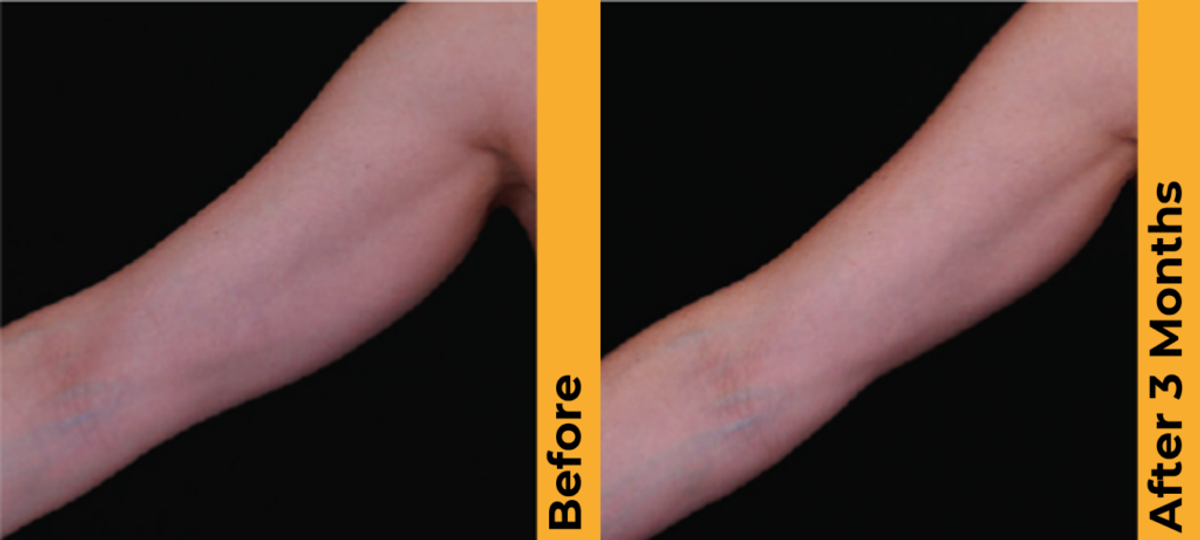
Actual patient. Individual results may vary. Posterior arms treated.
Why Trust Ultherapy PRIME?
With over 3.5 million treatments performed worldwide, Ultherapy PRIME builds on Ultherapy®’s legacy as the Gold Standard in non-invasive lifting, supported by more than 120 publications, 56 clinical studies and a 95% patient satisfaction rate at one year.2,5-7
“With Ultherapy PRIME, Merz Aesthetics has reached a key milestone in managing skin aging. In my experience, no other technology has been able to meet the skin lifting needs of my patients without surgery or downtime as successfully as Ultherapy PRIME,” says Miami Dr. Daniel Campos, DNP.
Whether you’re starting to notice changes or have been thinking about them for a while, experts agree that Ultherapy PRIME is a unique non-invasive treatment that uses time-tested ultrasound technology to create a lift that is just right for you.
Experience The Lift You Can See
Find a Provider Near You
*Face and body refer to the FDA-cleared treatment areas
The Ulthera® System is U.S FDA-cleared to lift the eyebrow, the skin on the neck and under the chin, as well as to improve lines and wrinkles on the décolleté, and to improve the appearance of skin laxity on the abdomen, anterior arms, and posterior arms.
Reported adverse events from post marketing surveillance are available in the Instructions for Use (IFU). The most common side effects reported in clinical trials were redness, swelling, pain and transient nerve effects. Talk to your practitioner for additional safety information and possible side effects or find out more at Ultherapy.com/IFU.
References
1. Ulthera® Instructions for Use.
2. Fabi et al. J Drugs Dermatol. 2019;18(5):426-432.
3. Park et al. J Clin Aesthet Dermatol. 2021;14(5):E70- E79.
4. Whitney ZB, et al. StatPearls [Internet]. Accessed September 11, 2025.https://www.ncbi.nlm.nih.gov/books/NBK519014/
5. Fabi et al. J Am Acad Dermatol. 2013;69(6):965-971.
6. Werschler et al. J Clin Aesthet Dermatol. 2016;9(2):27-33.
7. Data on file. Number of Ultherapy Treatments. Merz Aesthetics 2024.
8. Lin FG. Dermatol Surg. 2020 Dec;46(12):1683-1690.
9. Vachiramon et al. Lasers Surg Med. 2020;52(10):825-832.
10. Alster et al. Dermatol Surg. 2012 May;38(5):754-9.