There is a new beauty conversation happening, and it starts every time a familiar face returns looking just a little too good.
Maybe it is the late-’90s TV actress who appears subtly sculpted in her new streaming movie. Maybe it is the Real Housewives star who comes back for her second season with a tighter neck and sharper jawline. Or the Lindsay Lohans and Kris Jenners of it all: How are these faces aging in reverse right before our eyes?
Beverly Hills, CA facial plastic surgeon Paul Nassif, MD says that what we’re seeing is patients who want to look better, not different.
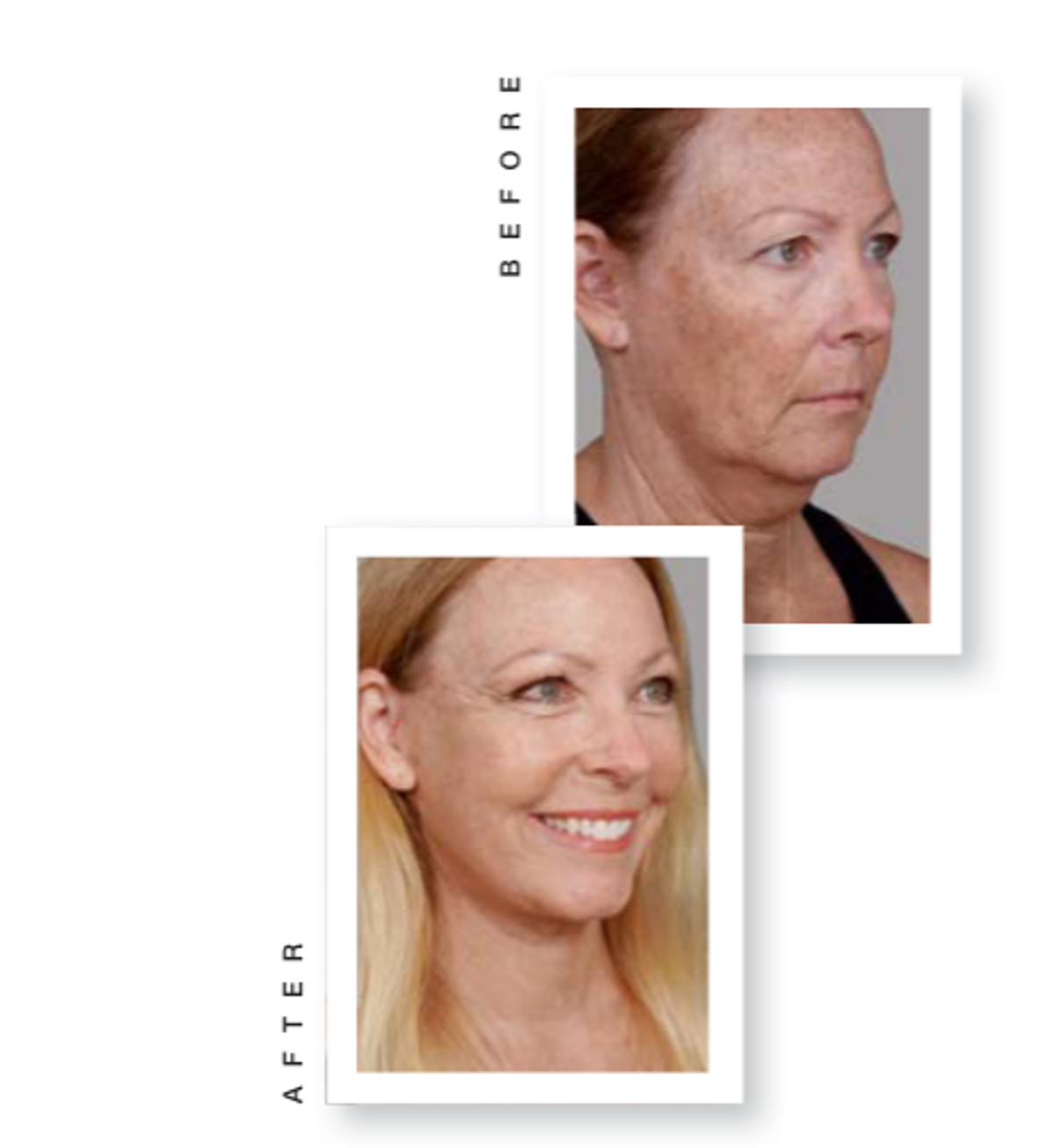
Dallas plastic surgeon Rod Rohrich, MD calls this new aesthetic standard the “Invisible Visible,” a form of enhancement that is felt long before it is recognized. “You see the result, not the work,” he says. “Patients look fresher, more balanced and more youthful without telltale signs of surgery or injections. It is refinement without losing identity.”
That’s the shift happening now, adds La Jolla, CA plastic surgeon Robert Singer, MD. “More and more good surgeons have been pushing for natural results, as opposed to what you often see on social media with overdone procedures,” he says.
Playing the Long Game
Invisible results do not begin in an operating room. They start in the years before, when patients are still deciding what they want to preserve, not just what they want to fix. Scottsdale, AZ facial plastic surgeon Kelly Bomer, MD frames it as a lifelong approach. “Creating invisible work has been the primary goal,” she says. “The best work is on people who look amazing at every age, as if nothing has been done. That requires intention, skill, artistry and the patient’s commitment to caring for their skin and overall health.”
Dr. Bomer says undetectable results aren’t about doing more. They’re about doing the right things over time, like starting early with small doses of neurotoxin, conservative filler and consistent use of clinically formulated skin care. “The people who look the most natural later in life are the ones who commit early,” she explains. “The goal is not to erase aging, but to stay in front of it in a way that still looks entirely like you.”
The Right Combinations
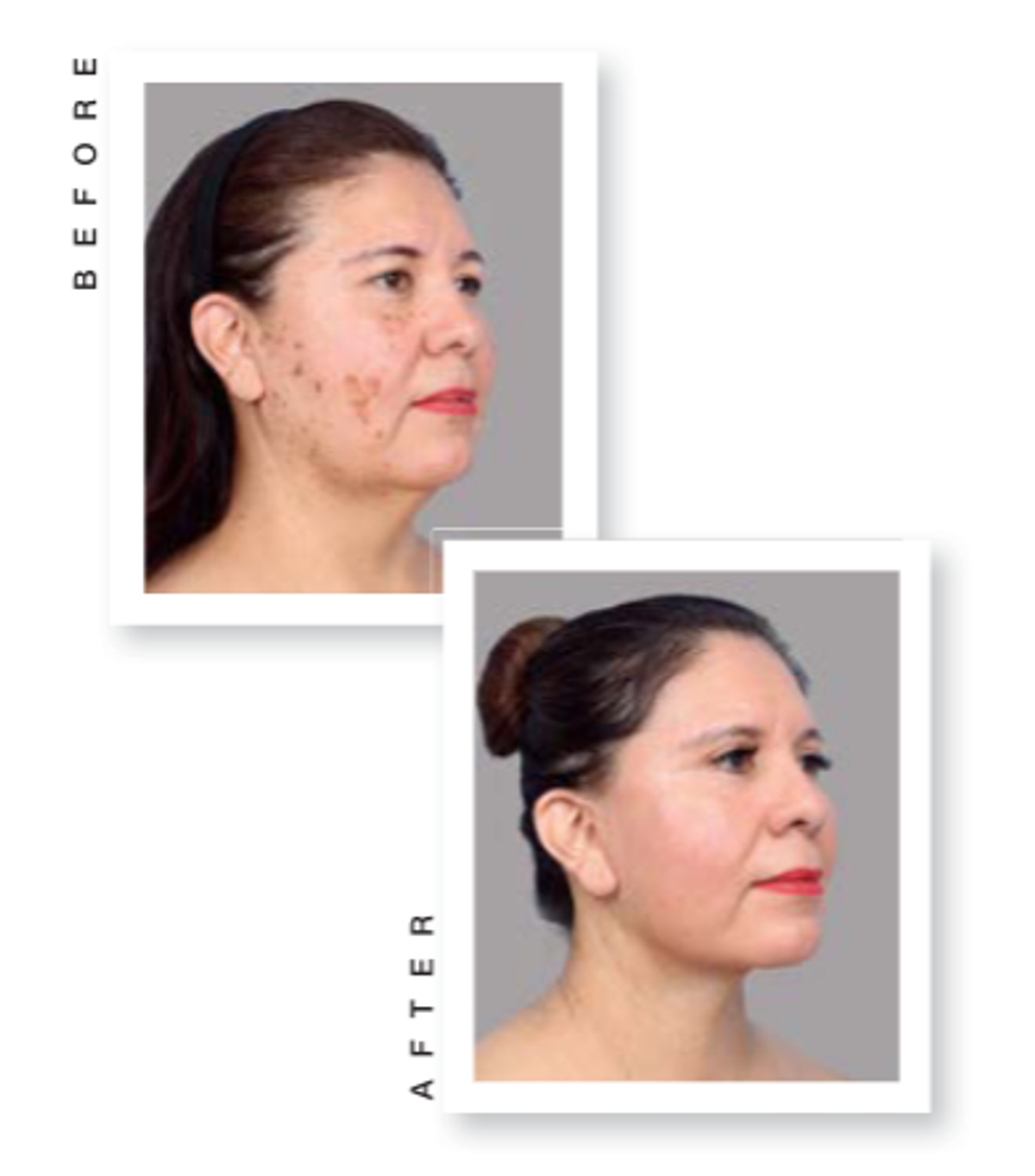
If there is a secret to the Invisible Visible, it’s harmony. For patients, this is where the “how” gets real because invisible work rarely comes from one single procedure. According to Dr. Nassif, the most natural outcomes begin long before a patient wakes up from surgery. “We pair surgical and nonsurgical procedures to enhance results and recovery so the skin continues to strengthen and heal beautifully,” he says. Structure is refined first, followed by the softest backfill of volume using fat, often combined with platelet-rich fibrin (PRF). “This helps avoid that overfilled look,” Dr. Nassif explains. “Once the architecture is set, a fractional laser smooths tone and texture. It gives the skin an overall glow and a smooth finish.”
The neck is another area where subtle pairings matter. Instead of focusing on skin tightness alone, surgeons refine the deeper structures to blend the jawline and neck. Dr. Nassif often incorporates submandibular gland refinement into a necklift. “It gives that snatched look my patients are loving lately,” he says. The key is that it looks like nothing happened; the entire contour simply looks cleaner. It’s not the kind of change that announces itself.
Dr. Rohrich says surgical incisions are placed inside natural folds or hidden within the hairline, so the surface appears untouched. His under-eye approach combines modest, selective fat removal when needed and microfat placement to correct the tear trough, plus a pass of a fractional laser to brighten the area.
Even rhinoplasty has embraced quiet refinement. “Today, rhinoplasty is all about precision. It’s structure- or preservation-based with minimal resection and uses the patient’s own cartilage so the nose keeps its identity,” notes Dr. Rohrich. “It’s about preserving and refining what already works.”
The Power of Regenerative Support
Regenerative medicine is also a big factor in the Invisible Visible. Surgeons are relying on nanofat, PRF, exosomes and growth-factor treatments to help surgical and nonsurgical work blend into one coherent result. Dr. Nassif considers this one of the most meaningful shifts in his practice. “I’m very excited about these treatments,” he says. “They not only correct tissue quality, but also improve it, which is what makes results look so natural.” He explains that the goal is not to create volume, but to restore the skin’s internal vitality. “When the underlying tissue is healthy, every treatment that follows looks more refined.”
Dr. Bomer sees the same impact in her practice. “PRF has become a new standard for me,” she says. “It decreases bruising and inflammation and supports healing, so the result appears softer and more invisible.” She often uses it before and after surgery because, as she explains, “better healing means better aesthetics. The skin cooperates.”
Dr. Rohrich predicts that regenerative tools will define the next era of aesthetics. “Biologic restoration is the future,” he says, pointing to improvements in fat therapies and biostimulators that improve skin quality. “We are moving away from the excess use of filler and toward restoring what was naturally there.”
Why Bad Work Still Screams
Bad work looks obvious. “We’ve all seen people who are just overdone,” says Dr. Singer. “It doesn’t look natural that the brows are up too high, the cat-eye is excessively done or there’s too much filler.”
To avoid these results, Dr. Singer says it comes down to multiple factors. “It’s not just tightening and taking away; it’s adding where underlying tissues are deficient. It’s about starting early with skin care, nonsurgical treatments and improved techniques. You don’t notice good aesthetic surgery. You notice what’s overdone.”
The Long and Short of It
When it comes to stacking treatments over time, we asked BeautyPass subscribers about their aesthetic goals. In the short term, they plan to book microneedling (41.3 percent) and neurotoxin injections (33 percent). On their long-term wish lists are skin tightening (42.1 percent), facelifts (33.7 percent) and necklifts (31.3 percent). Source: State of Aesthetics. Q4 2025