It’s no secret that a facelift (a rhytidectomy) can dramatically refresh the face, smoothing sagging skin, lifting the cheeks and restoring definition along the jawline and neck. What’s discussed less often is what comes after. While a facelift can turn back the clock, it doesn’t stop time altogether. New York facial plastic surgeon Dilip D. Madnani, MD says the procedure can “set the clock back about 10 to 15 years,” meaning patients will continue to age but still look younger than if they had never had surgery.
What happens next, though, depends largely on what patients do afterward. Ahead, we’re breaking down what comes after a facelift, from the habits and treatments that help maintain results to what patients may consider a second procedure.
Treatments That Help Maintain Facelift Results
Treatments can range from simple habits like applying SPF every morning to more intensive procedures like ablative lasers. That’s why, when it comes to maintaining facelift results, Dr. Madnani says he typically groups his recommendations into three categories: skin care, lifestyle and regenerative treatments. We're breaking down what he recommends in each of these areas below.
Skin Care
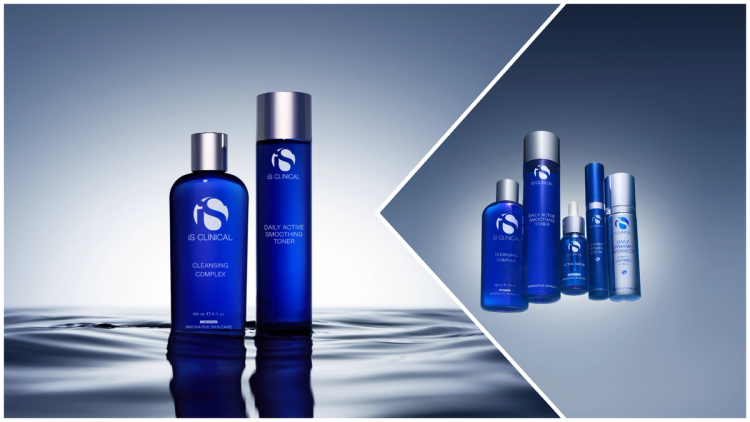
“Number one, skin care is going to be your best friend,” he says. That includes avoiding sunburns and keeping up with light resurfacing treatments on a regular basis, whether that’s light-based treatments or ablative and non-ablative lasers. These types of treatments help support collagen and elastin—the proteins that give skin its structure and elasticity—keeping the skin tight and preserving what he describes as an “airbrushed” appearance.
Lifestyle Factors
Lifestyle habits also play a role in maintaining facelift results. Significant weight fluctuations—particularly repeated gains and losses—can stretch the skin and alter facial structure after surgery, which is important for anyone to keep in mind, especially those considering GLP-1 medications for weight loss. Smoking can also compromise skin quality because of the toxins involved, while excessive sun exposure, another common culprit, may accelerate skin laxity over time.
Skin quality itself can also influence how long results remain at their peak, Dr. Madnani notes. Patients with significant sun damage or reduced elasticity may require smaller touch-ups sooner than those who've taken steps to protect their skin over time. (More on what a touch-up might look like shortly.)
Regenerative Therapies
The third category Dr. Madnani stresses prioritizing after a facelift involves anti-aging treatments that work on what he describes as more of a "molecular level." These include PRP, PRF, exosomes, fat transfer and other regenerative therapies. "These are all really amazing treatments," he says, noting that many of them are increasingly incorporated into long-term maintenance plans.
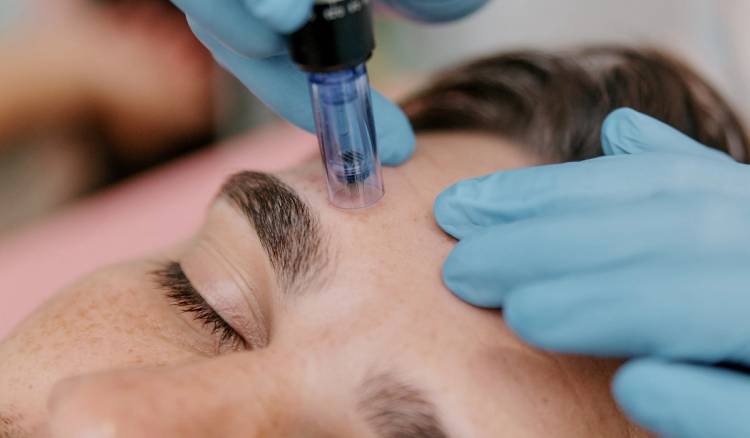
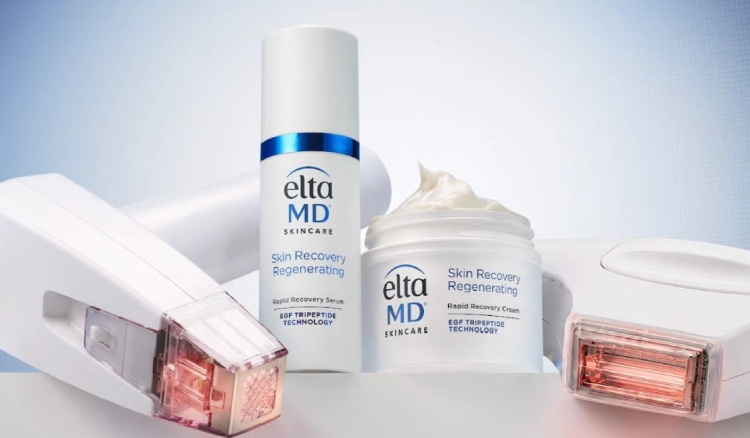
In addition, Dr. Madnani often recommends incorporating some form of skin-tightening treatment each year, whether through energy-based devices, microneedling or ultrasound-based technologies.
Why You Might Need Fillers After a Facelift
Even after surgery, small touch-ups may still be part of a long-term maintenance plan. According to Dr. Madnani, this is often because a facelift addresses sagging and structural changes, but it doesn’t always fully replace lost facial volume. “Sometimes those little shadows in the under-eyes or lines around the mouth still benefit from a small amount of filler.” The amount needed, however, is typically far less than they would have needed before undergoing a facelift.
When a Second Facelift—or Something Else—Might Be Recommended
Dr. Madnani says many patients eventually consider a second facelift if they want to keep their results looking their best. In his experience, that conversation often happens about eight to ten years after the first surgery. In many cases, that follow-up doesn’t necessarily mean repeating the exact same procedure. As surgical techniques have evolved, many surgeons now approach facial rejuvenation more holistically, sometimes recommending complementary procedures—like eyelid surgery (blepharoplasty), a brow lift or fat transfer—to help the face age more evenly.
For others, however, maintaining their results simply means repeating the procedure over time. In some cases, patients return more than once over the course of decades. For example, Dr. Madnani recalls one patient who first underwent a facelift with him nearly 15 years ago, returned about eight years later for a second procedure, and recently came back for a third. Now in her 80s, he says, she still appears decades younger and simply prefers to keep her results looking fresh.
Ultimately, the timing and type of follow-up procedures vary widely. Surgeons tailor recommendations based on each patient’s anatomy, skin quality and long-term aesthetic goals. That might mean additional procedures like a brow lift or blepharoplasty, or smaller refinements such as fat transfer or laser resurfacing. Perhaps most importantly, as Dr. Madnani explains, “No matter what we do, you’re always going to look younger, fresher and more youthful than if you never did the facelift.”