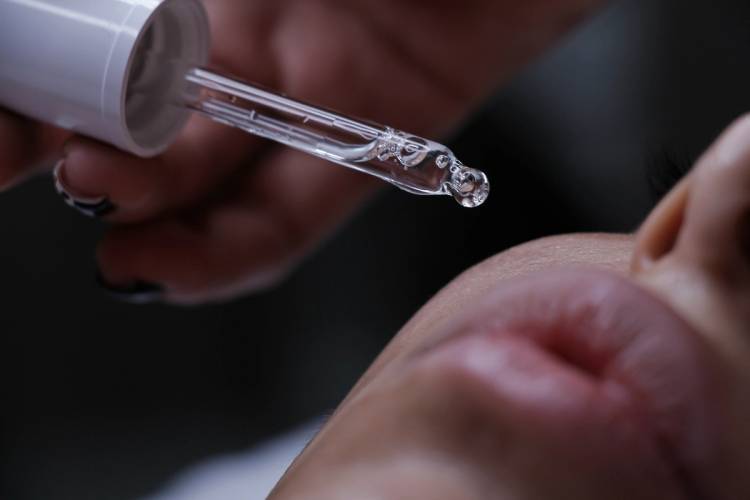
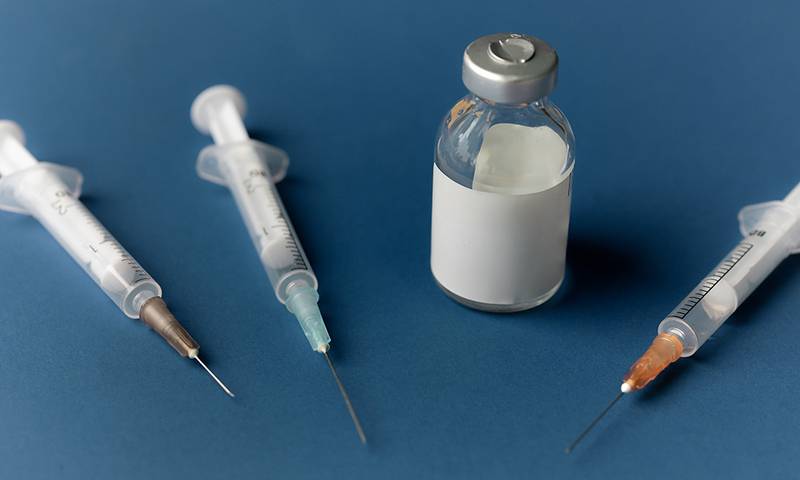
Peptide injections are suddenly everywhere. Once confined to biohacking clinics and IV lounges, this form of peptide therapy is edging into the mainstream and promoted for everything from better skin and faster recovery to sharper focus and deeper sleep. They’re all over social feeds and podcast chatter, name‑checked by celebrities as the key to “longevity” routines. As interest explodes, experts say the more important question isn’t what they promise, but what people are actually using.
What Peptides Actually Do
Peptides are short chains of amino acids that act as signaling molecules in the body. “They mimic natural processes that influence inflammation, tissue repair, collagen production, immune signaling, metabolism and hormones,” explains New York internist and longevity physician Amanda Kahn, MD. Rather than forcing a dramatic override, they nudge existing biological pathways, which helps explain their appeal across aesthetics, wellness and longevity.
The catch is that “peptides” isn’t a single, tidy category. “It can mean anything from FDA‑approved medications like insulin or GLP‑1 receptor agonists to unregulated research chemicals sold online,” says Chicago dermatologist Jessie Cheung, MD. That fuzziness is exactly where confusion, and risk, begin to creep in.
Why Peptides Have Taken Off
“Interest in peptides has outpaced regulation,” Dr. Cheung says. “There are real benefits for some patients, but the biggest risks come from where they’re sourced, how they’re dosed and the lack of medical oversight.” Part of the appeal is timing. Peptides plug straight into the bigger “optimize everything” moment in wellness, where the goal isn’t just to erase wrinkles, but to live longer, feel sharper and stay active. In some corners of social media and biohacking culture, they’re even being talked about as a kind of modern fountain of youth.
The Popular Crowd
A handful of peptides are dominating the conversation.
GHK-Cu (copper peptides)
Best known for improving skin quality via collagen signaling, barrier support and wound repair, Dr. Cheung says to expect gradual, realistic improvements, not a dramatic overhaul.
BPC-157
Frequently used for tendon, ligament and gut support, BPC-157 has been studied in animals, but Dr. Kahn says human data is limited, and the biggest concerns are around product quality, dosing variability and indefinite use.
TB-500 (thymosin beta-4)
This peptide is said to promote cellular migration for faster muscle, tendon and joint repair, and is often stacked with BPC-157. However, experts like Dr. Cheung caution against its prolonged use without breaks because human trials are limited.
Ipamorelin
This peptide is used to trigger natural growth hormone pulses to improve sleep, post-workout recovery and muscle retention. “It influences endocrine pathways, so bloodwork, screening and defined timelines are non-negotiable,” notes Dr. Kahn.
SS-31 (elamipretide)
Used to boost mitochondrial energy to fight cellular fatigue, SS-31 “has been studied extensively in children with inherited mitochondrial disorders causing severe energy failure and muscle weakness,” Dr. Kahn says. “That clinical history matters when wellness circles pitch these for everyday optimization.”
Are These Peptides Safe?
Safety depends on the peptide, the patient and how it’s used. “Unless a peptide is FDA-approved, you’re dealing with largely unstudied and unregulated substances,” says obesity and lipid specialist Dr. Spencer Nadolsky. Even then, quality control is still a concern.
Dr. Kahn resists labeling peptide therapy as broadly safe or unsafe. “Safety depends on the specific peptide, the individual using it, the quality of the product and how it’s dosed and monitored,” she says. In her experience, risk rises when peptides are sourced through unclear channels, used in aggressive stacks or taken without proper screening or follow‑up.
Who Shouldn’t Use Them
Not everyone is a candidate. As peptides shift from skin-care ingredients and recovery agents into growth-pathway influencers, doctors get cautious fast. The same signals that help repair also touch cell proliferation—the process where cells grow and divide—which is why Dr. Kahn draws a hard line. That’s because uncontrolled division can fuel cancer growth in at-risk patients. “These are biologically active compounds,” she explains. “They’re not supplements.” Her rule: Skip them if you have active cancer, recent cancer history or elevated risk. “For everyone else, it comes down to screening, conservative dosing and clear boundaries,” she adds.
Glow Stacks + The Gray Zone
Social media loves “glow stacks,” or peptide combinations designed to optimize skin, energy, sleep and body composition all at once. These blends layer injectable peptides with oral supplements and sometimes compounded hormones, aiming for results that work better together than alone. The upside? When done thoughtfully, they can amplify each other. “That’s where peptides really shine,” Dr. Cheung says. “The right combinations can meaningfully improve recovery, skin quality and metabolic balance when interactions are understood and guided properly.”
The verdict: Start with a physician who knows peptides inside out. Get prescriptions from 503A compounding pharmacies, not random websites. “When used thoughtfully with the right patient and oversight,” Dr. Kahn says, “they can meaningfully support how you heal, rest and feel day to day.”