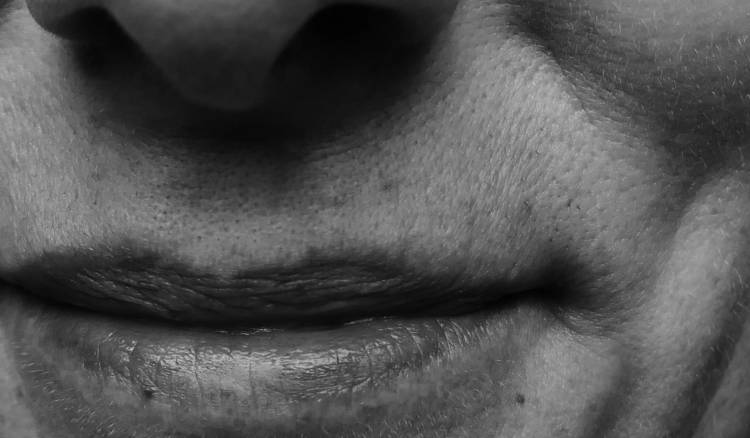
With GLP-1s becoming so prevalent, so has the emergence of “Ozempic face,” a common term for the loss of fullness in the face that has recently gained more traction online.
“The important thing for patients to understand is that this is a structural change, not a toxic one. The medication didnʼt directly damage your skin,” says New York board-certified dermatologist Doris Day, MD, a leading expert in aesthetic and longevity dermatology. “Rapid fat loss can essentially pull out some of the scaffolding underneath the skin, and the skin may not retract quickly enough to keep up.”
Facial fat sits in defined compartments that act as a support structure. When those compartments deflate quickly, patients may notice midface and temple hollowing, shadowing under the eyes, jowling, deeper folds and looser skin overall. These changes are not limited to the face.
“I see the effects of significant weight loss on the body as well, particularly on the arms, abdomen and thighs,” says Dr. Day. “How quickly someone loses weight, and how much they lose, can make a significant difference in how the skin responds.”
Age, genetics, baseline skin quality, diet and exercise also factor in. Adequate protein and resistance training are particularly important for maintaining muscle mass and supporting collagen production in the body.
Another important part of the conversation is that many patients taking GLP-1 medications are also perimenopausal or menopausal. Both fat and skin are estrogen-responsive organs, and as estrogen declines, collagen production declines with it. Women lose roughly 30 percent of their skinʼs collagen in the first five years after menopause, followed by about 2 percent each year after that. The result is thinner, less elastic skin that is more prone to laxity and crepiness.
“For many women, there are two things happening at once,” explains Dr. Day. “They may be losing facial volume from significant weight loss at the same time theyʼre losing collagen because of hormonal changes. That combination can make skin laxity much more noticeable.”
Understanding the difference between volume loss and skin laxity is essential when deciding how to treat these changes.
“Volume loss and laxity are two separate problems,” says Dr. Day. “Volume loss is a missing scaffold, while laxity is related to the breakdown of collagen and elastin. Filling a hollow wonʼt tighten loose skin, and tightening loose skin wonʼt replace lost volume. You have to identify what the patient actually needs, and often it’s a combination of both tightening and gentle reflation of lost volume.”
For patients whose primary concern is skin laxity after weight loss or menopause, Sofwave can be an effective solution. Sofwaveʼs ultrasound technology delivers energy directly to the mid-dermis at approximately 1.5 mm, where collagen is found. It creates parallel layers of controlled heat beneath the skinʼs surface while keeping the epidermis cool and protected, triggering a healing response that stimulates the production of new collagen and elastin.
“What I like about Sofwave for these patients is that weʼre working with the body to rebuild its own structural support rather than adding any outside product to the face,” says Dr. Day. “By stimulating collagen where it has been lost, we can help improve skin firmness and thickness, and address the laxity that often develops after significant weight loss or hormonal changes.”
Sofwave holds seven FDA clearances, including for treating lax skin under the chin, lifting the skin on the neck and brow, and improving fine lines and wrinkles. Treatment is noninvasive, typically takes about 30 to 45 minutes, and requires minimal to no downtime.
“That makes Sofwave a natural fit for both the GLP-1 patient whose skin needs to firm back up after weight loss and the menopausal patient experiencing collagen decline,” says Dr. Day. “For the right patient, the goal is to stimulate the bodyʼs own collagen-building process to restore support and improve firmness without changing what makes that person look like themselves.” We start Sofwave treatments when patients start using GLP-1’s to help mitigate the sagging even before it happens, without risking that the patient will ever look “overdone.”
As GLP-1 use continues to grow, more patients are looking for ways to address the skin changes that can accompany successful weight loss. For patients experiencing skin laxity, stimulating the bodyʼs natural collagen-building process can help restore support, improve firmness and complement the results they have worked hard to achieve.