Skip to main content Skip to main content
Advertisement

How to Get More Daily Protein When You’re on a GLP-1

A weight-loss expert shares the easiest foods to help keep your strength up.

protein powder

The following sentence may earn an eye-roll if you’re on a GLP-1 medication, but it’s true: your protein intake matters more than ever. As Beverly Hills, CA weight-loss specialist Adrienne Youdim, MD, explains, losing muscle is a natural byproduct of weight loss—and it can have real health implications if it isn’t addressed. “Consuming adequate protein is one way to minimize the loss of muscle during active weight loss,” she says. Easier said than done, of course. A dulled appetite, food aversions and early fullness can make hitting daily protein goals a struggle.

Why Appetite Shifts on GLP-1s

GLP-1 medications mimic a natural fullness hormone released after meals, which signals the brain to slow down appetite. They also slow gastric motility—meaning food stays in the stomach longer—so fullness sets in faster and lasts longer. “Taken together, loss of appetite reduces the desire and ability to consume food, including protein,” adds Dr. Youdim. She tells us that sometimes, people also develop new food aversions, which can make eating enough even more challenging.

Advertisement

To To make things easier, we asked Dr. Youdim to share the most tolerable ways to work more of it into your day. Here are her suggestions:

The Best Ways to Work Protein Into Your Day on a GLP-1
1 / 4

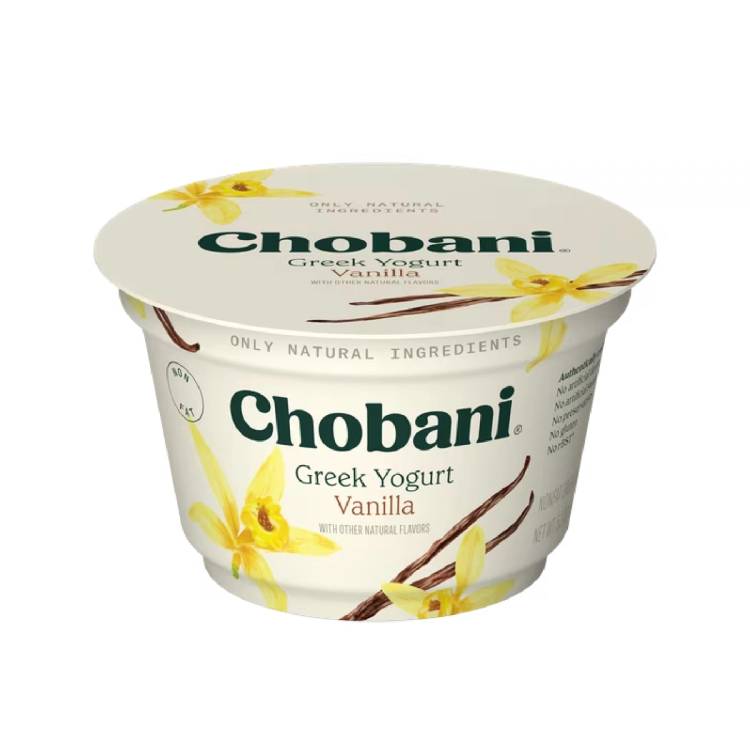
Dairy Wins: Yogurt and Cottage Cheese

“Yogurt and cottage cheese are both great sources of protein,” says Dr. Youdim. They’re easy to tolerate when appetite is low and deliver a solid boost without feeling heavy.

Dairy Wins: Yogurt and Cottage Cheese
2 / 4

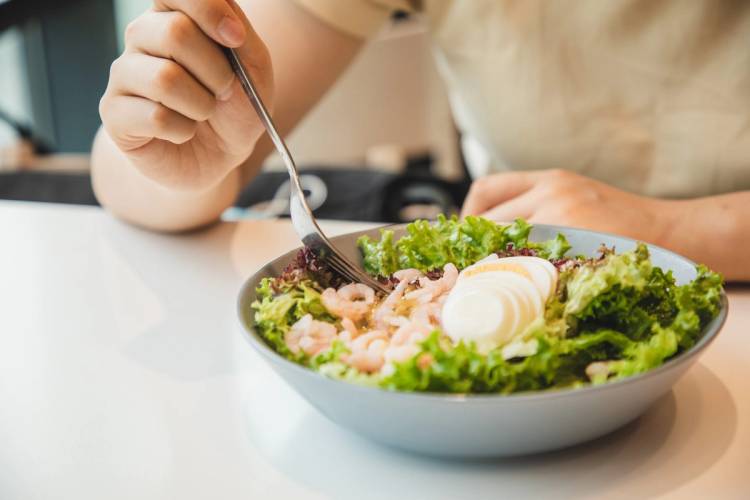
An Easy Add-On: Egg Whites

“Egg whites added to salads and soups” are one of the simplest ways to increase protein without increasing portion size or fullness, says Dr. Youdim.

An Easy Add-On: Egg Whites
3 / 4

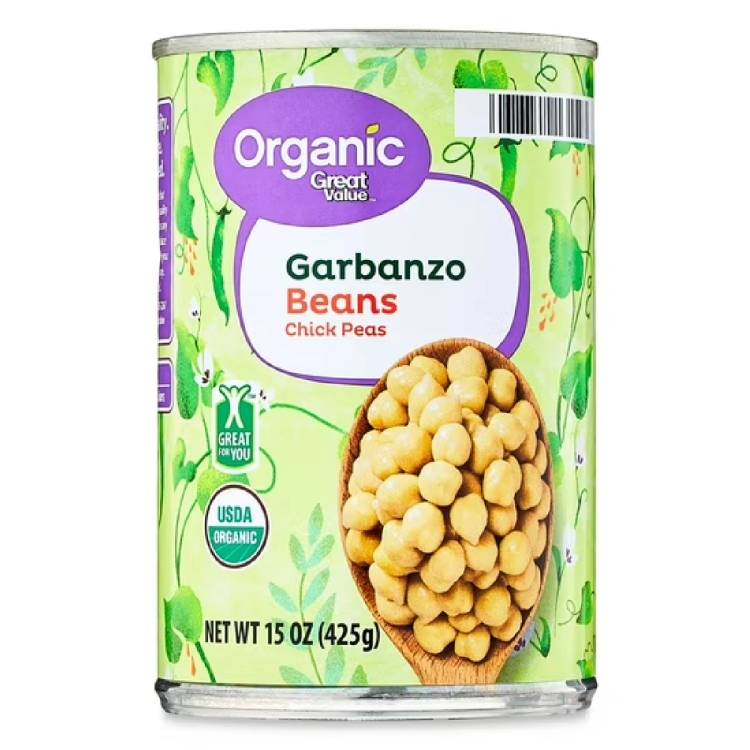
Plant-Based Protein: Beans and Legumes

“Beans and legumes are also great sources of protein,” Dr. Youdim explains. They're an especially great option for those who prefer less meat or want variety.

Plant-Based Protein: Beans and Legumes
Advertisement
4 / 4

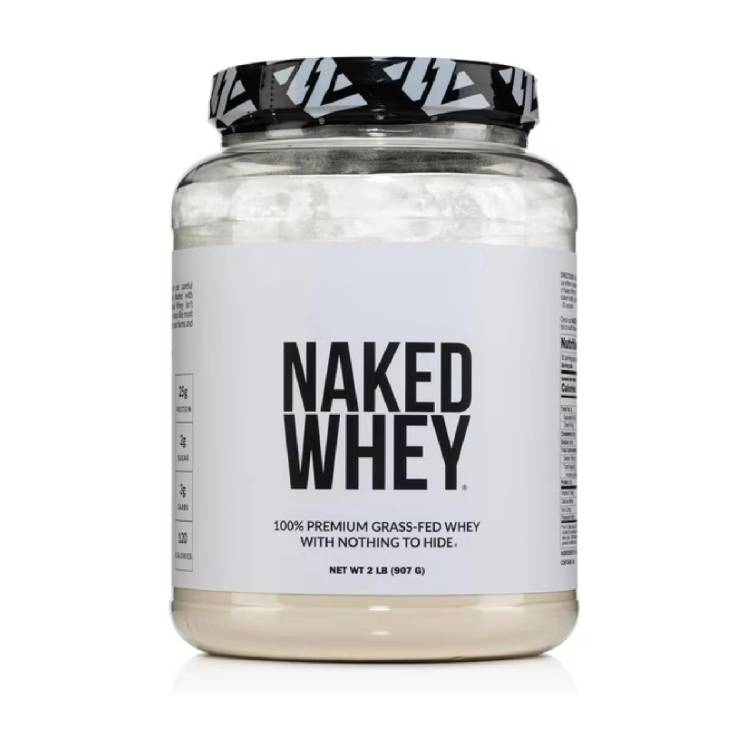
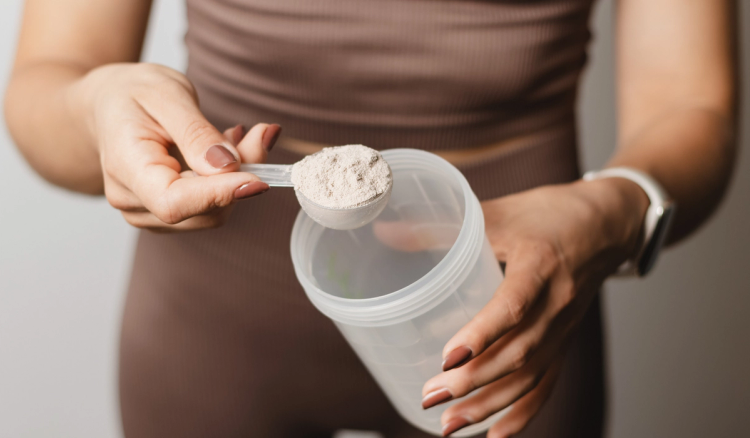
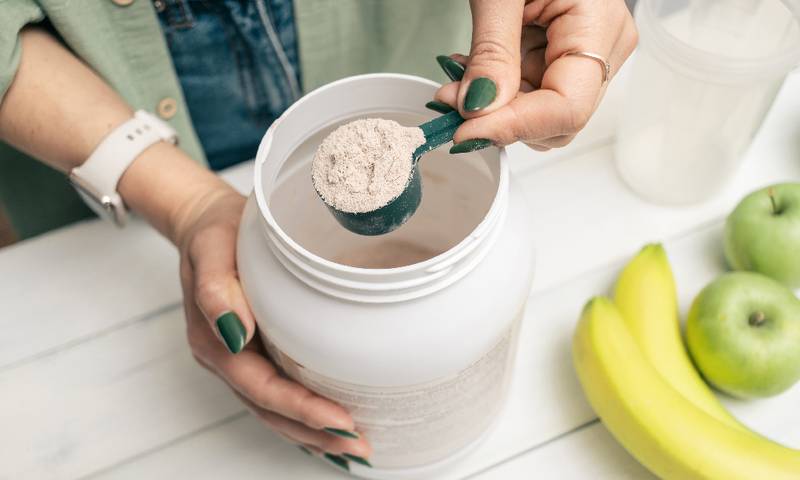
Supplements That Help: Protein Powders and Shakes

Dr. Youdim recommends “supplementing with high-quality protein powders,” especially whey for preserving muscle. She suggests choosing ones tested for heavy metals and avoiding artificial sweeteners that can cause GI upset.

Supplements That Help: Protein Powders and Shakes

It's Personal

At NewBeauty, we get the most trusted information from the beauty authority delivered right to your inbox

FIND A DOCTOR

Find a NewBeauty "Top Beauty Doctor" Near you

Filter doctors by location and specialty
NewBeauty Magazine Cover
NEWBEAUTY

Give the Gift of Luxury

GIVE A SUBSCRIPTION