It seems like every skin-care launch promises to regenerate something. But beneath the buzzword is a more interesting question: What if better-looking skin isn’t just about what gets exfoliated away, but about what’s left healthy and strong? On the latest episode of The Beauty Authority, iS Clinical founders Bryan Johns and Alec Call discuss why the industry is rethinking its approach to aging skin and what that shift actually means for the products in your bathroom.
Press play on the video below for our full conversation, and keep scrolling for the most notable takeaways.
Johns came to skin care by way of genetics and longevity research in the 1990s, long before “regenerative” became a beauty-counter staple. He and Call launched iS Clinical in 2002, financing the fledgling company largely on credit cards when investors weren’t interested. “No financial institutions had any faith in us starting a skincare company in those days,” Johns recalls. The two sought out dermatologists and plastic surgeons rather than launching with a big ad campaign. That early focus on how skin functions is still the lens through which they view today’s longevity conversation.
The Science Behind the Buzzword
For years, the dominant anti-aging message was to remove the old to reveal the new: peel, polish, resurface, repeat. Johns says the regenerative conversation represents a change in thinking. Rather than focusing exclusively on shedding surface cells, he wants to “give the skin cell the tools to make itself more resilient.” That means looking at how formulas help protect against oxidative stress, support the skin barrier and maintain a healthier-looking complexion over time. Call boils the idea down to something surprisingly familiar: just as food, movement and rest support the body, skin needs the right environment to function well. Ingredients such as growth factors, peptides and antioxidants may have a role, but “regenerative” on a label is not evidence that a cream can literally regenerate human tissue.
Which Ingredients Actually Matter?
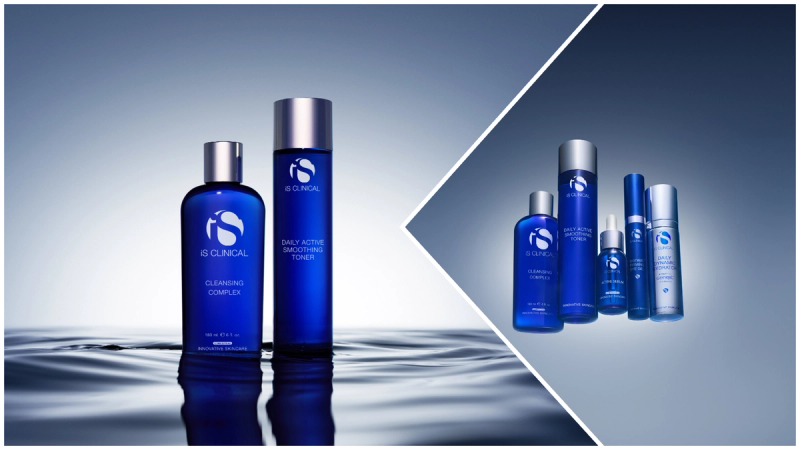
That distinction becomes especially interesting when the founders talk about formulation. Johns is less impressed by a trendy ingredient on the front of a bottle than by what the finished product can demonstrate. “What you care about is the cake. Does the cake taste good?” he says, comparing a formula to a recipe whose ingredients have to work together. “Don’t get too mired in the ingredients.” Their newer GeneXC Firming Eye Gel ($130) illustrates the approach, pairing different forms of hyaluronic acid with two forms of vitamin C and a peptide to target the appearance of firmness and brightness. Likewise, Daily Active Smoothing Toner ($52) reflects his interest in balancing exfoliation with comfort: the formula brings together salicylic and mandelic acids alongside ingredients including aloe vera. The point isn’t that either is a shortcut to younger skin, but that even familiar categories like eye gel and toner can be approached with the same question: What is this doing for skin beyond the immediate payoff?
And there is a limit to how much “more” skin needs. When the conversation turns to viral at-home TCA peels, the mood shifts quickly. “Trichloroacetic acid can be very dangerous,” Johns warns. “It should be only professionally administered.” That caution cuts to the heart of the regenerative trend: a pursuit of smoother skin shouldn’t come at the expense of skin health. Aggressive chemical peels can cause real injury when used improperly, and the same skepticism should extend to dramatic online before-and-afters. “Don’t take the word of someone because they’re a movie star,” Johns says. His advice is to look for independent clinical evidence and qualified expertise instead of taking a viral claim at face value.
Watch the full conversation above, follow The Beauty Authority on Spotify and Apple Podcasts and find @thebeautyauthoritypod on Instagram.