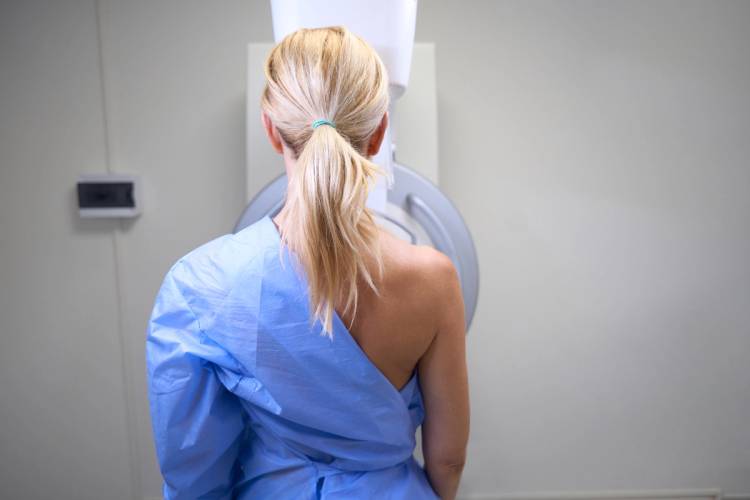
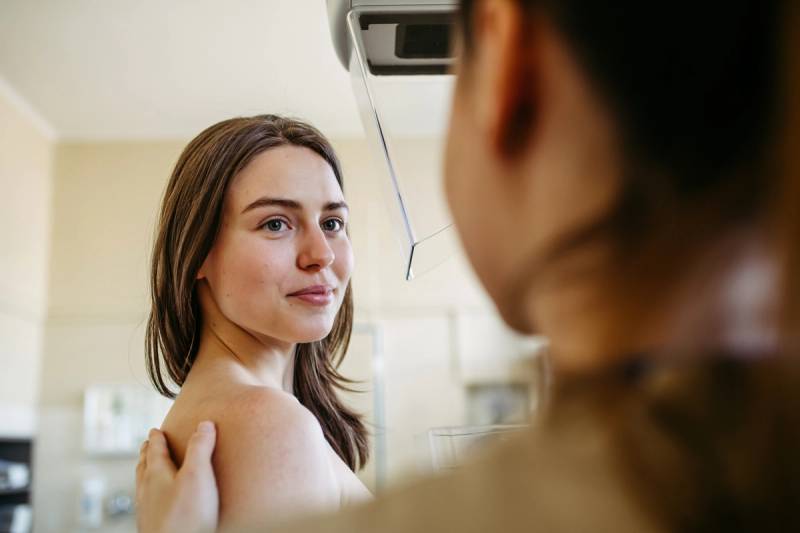
A lump you just noticed. A mammogram you keep putting off. A relative who tested positive for a BRCA mutation. Breast health can turn into a whole lot of Googling, fast. On the latest episode of The Beauty Authority, Beverly Hills breast surgeon Heather Richardson, MD, gets into the questions that come up in real life, from screening and genetic testing to what breast surgery can look like today.
Press play below to watch the full conversation, or keep scrolling for the main takeaways.
A Lump Isn’t a Diagnosis
“The great majority of women under 40 that feel a lump, statistically, it’s probably not cancer,” Dr. Richardson says. Her point isn’t to brush off a new symptom. It’s to get it evaluated without jumping straight to the worst-case scenario. Whether you’re booking your first mammogram or following up on something new, the next step is getting an answer, not guessing.
Your Family History Is Worth a Group Chat
Don’t stop at asking whether your mom had breast cancer. Dr. Richardson wants patients to know about diagnoses across the family, including on their father’s side. That history can help determine when to start screening and whether hereditary cancer testing makes sense. As stories about BRCA1 testing and a preventive mastectomy illustrate, a result can raise different questions for different people.
“Everybody’s risk and options are really gonna depend on what the gene is and what the pattern was in their family,” she says. Even siblings may not inherit the same variant, so someone else’s negative result doesn’t automatically settle yours.
There Are More Surgery Options Than You Might Think
Dr. Richardson, who helped develop the Goldilocks mastectomy, talks about nipple-sparing approaches, implants, flat closure and surgery that reshapes remaining skin and fat. She also describes nerve grafting aimed at improving sensation, while making clear it can’t restore feeling completely. For anyone considering breast reconstruction, the options aren’t just about appearance or the number of operations. They’re about what matters to you years later.
“What do you want for your own body?” she asks. It’s a question that belongs alongside the medical ones, whether you’re weighing treatment or reading about another woman’s reconstruction journey.
And About Those Dense Breasts…
If you’ve been told you have dense breasts, ask what that means for your individual screening plan. Dr. Richardson discusses contrast-enhanced mammography and breast MRI as additional imaging options in certain situations. Not all scans are interchangeable: even popular full-body scans aren’t designed to replace dedicated breast imaging. The right choice depends on your risk and clinical history.
Her biggest assignment for listeners? Talk to your relatives, write down the family’s cancer history and bring it to your doctor.