I’ve been in practice for 30 years, and for more than 20 of them I’ve been performing deep-plane facelifts. So when I finally decided at 63 that I was ready for my own, there was an obvious problem: I couldn’t operate on myself.
I had been thinking about surgery for probably five years. The funny thing is that I have so many lasers and devices in my office, but I had never really used any of them on myself. I do Botox maybe twice a year, and I had done filler seven or eight years ago, but that was about it. At one point I asked my husband, Ricardo, if I should start doing lasers and devices and see if I could improve things that way. His response was basically, “I think that train already left the station.” Why mess around with that when the things bothering me probably just needed surgery?
He was right. And once I made that decision, I had to face the same question every patient does: Who am I going to trust to do this? I knew the operation, I knew the risks and I knew exactly what I wanted, but that didn’t mean I had any less uncertainty than anybody else. Once you’re the patient, you’re the patient.
I Knew Exactly What I Wanted to Fix
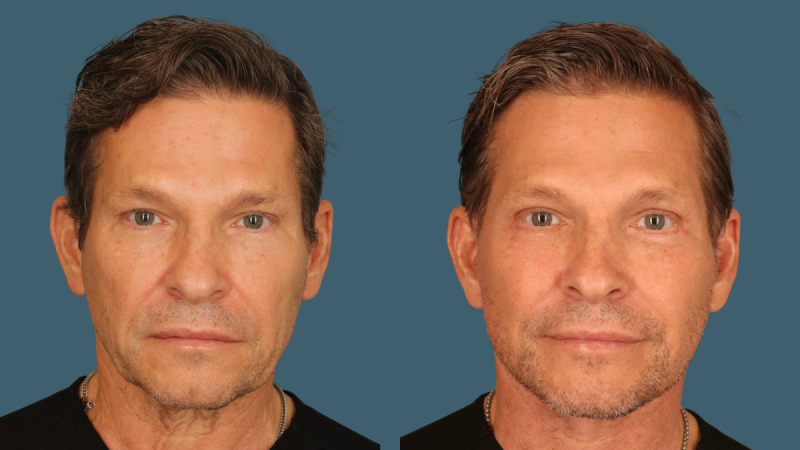
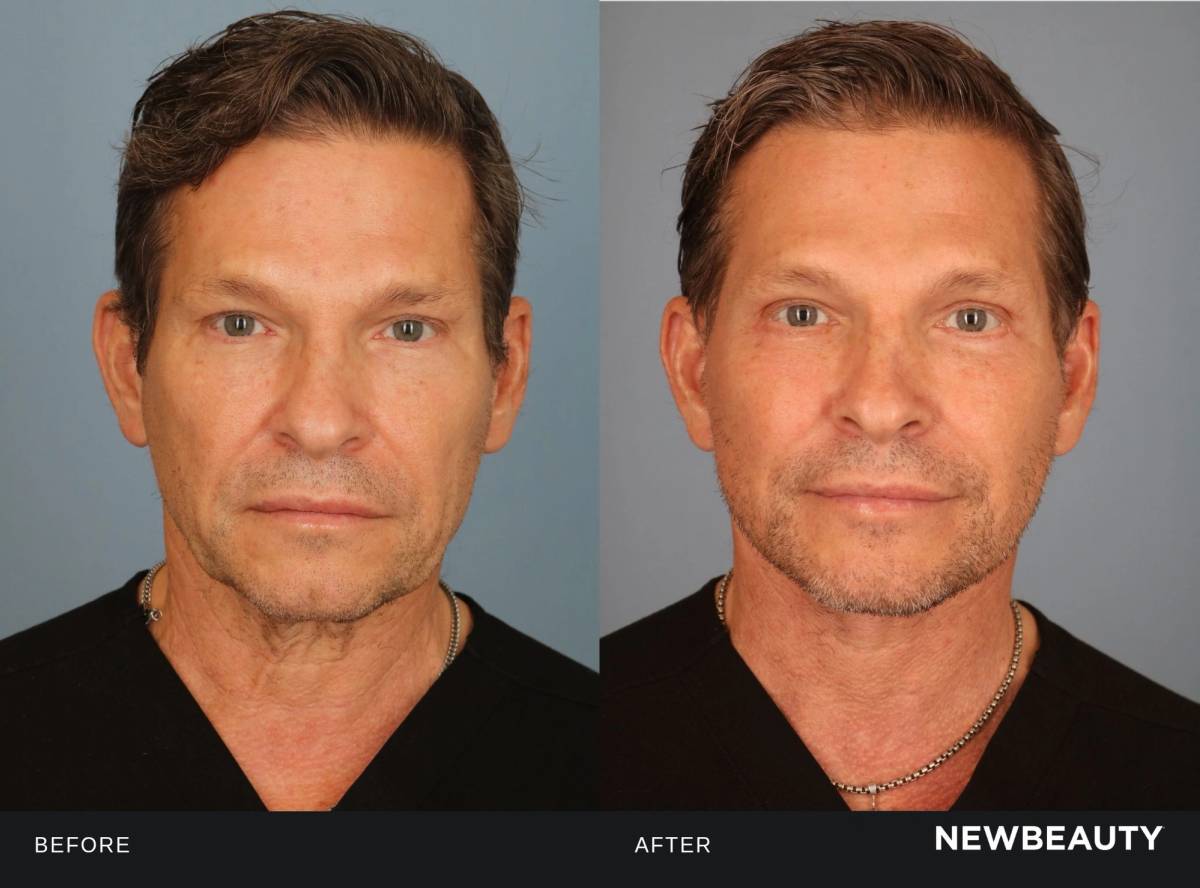
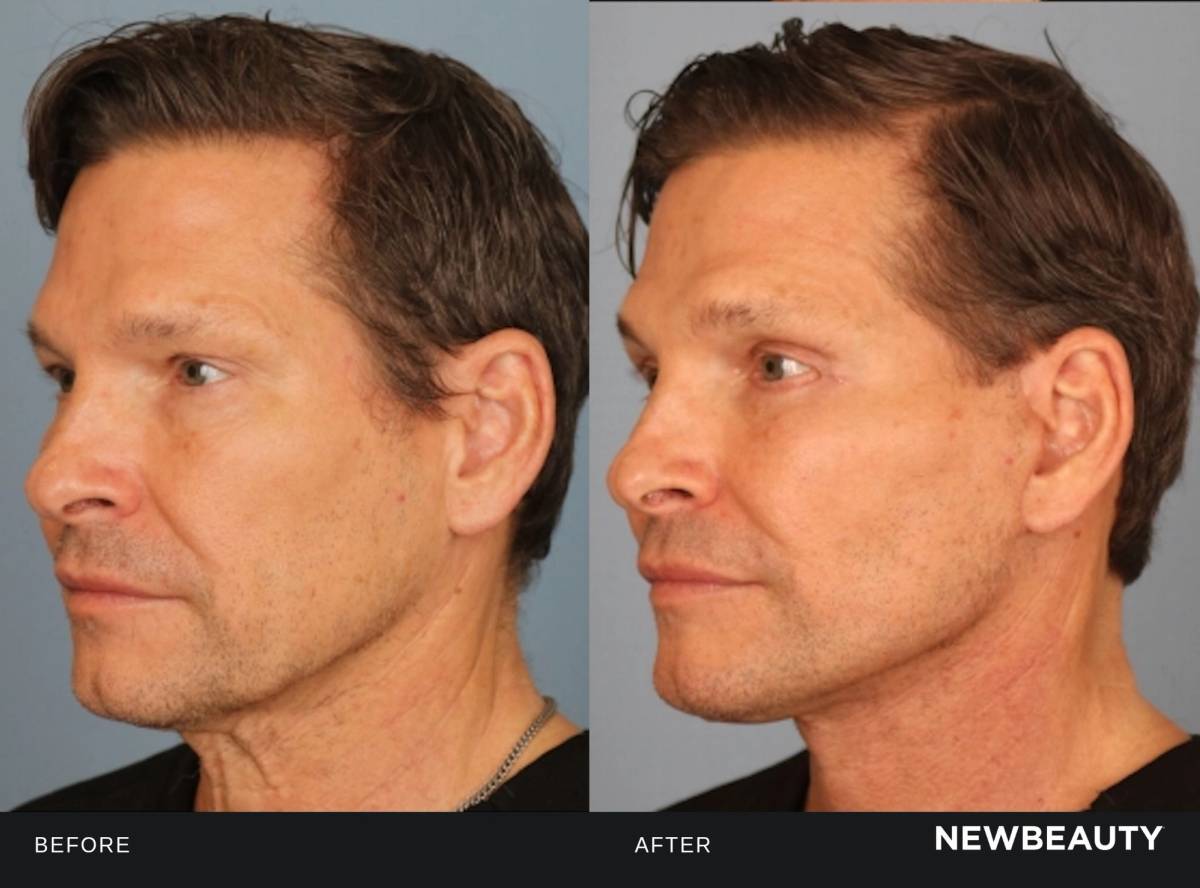
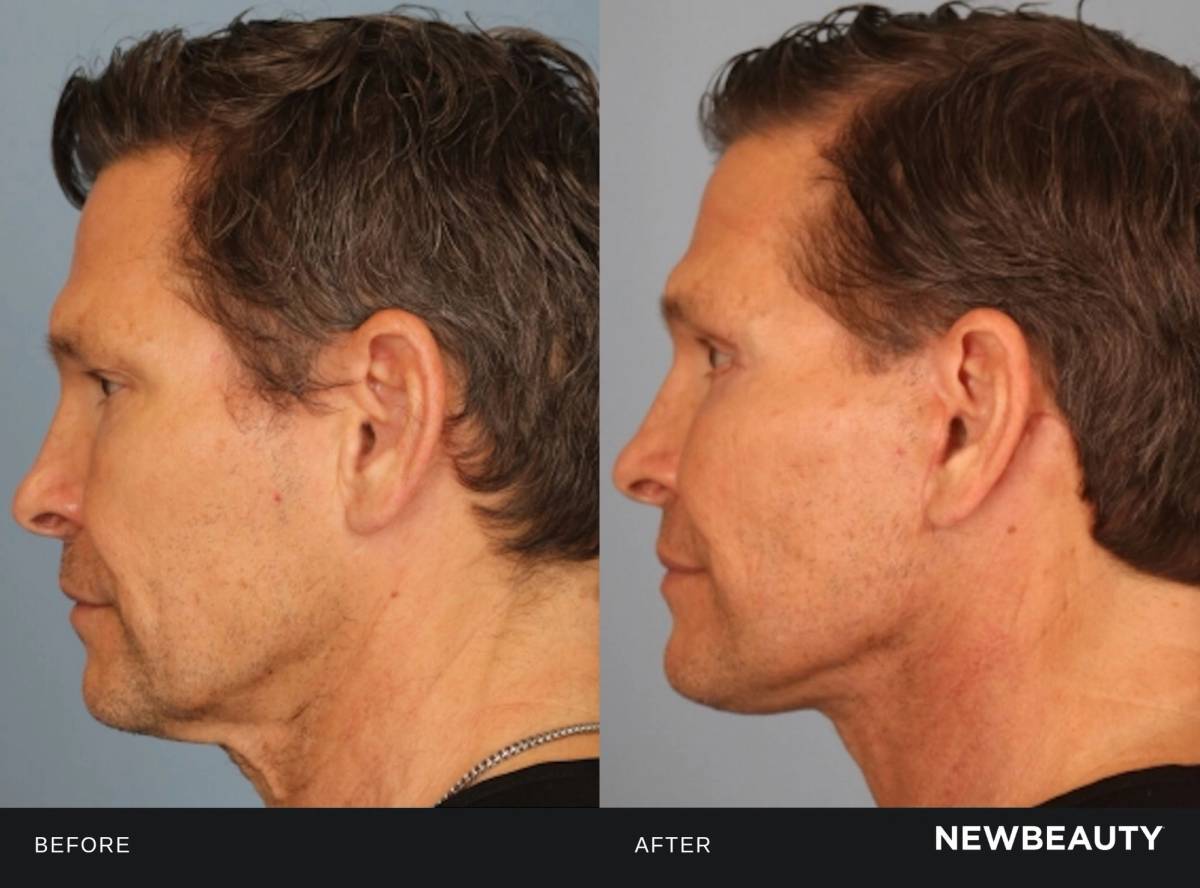
The number-one thing bothering me was my neck. I’d been pulling on my neck bands for probably 15 years, and I knew no device or injectable was going to fix them. My face was also becoming more square than oval, with jowling, deeper nasolabial folds and hollowing beneath my eyes.
What really got me were photos. I’d be lecturing and another surgeon would take a picture of me onstage or on a panel, and I’d see something back that I didn’t recognize. The corners of my mouth were turning down, making me look mad or unhappy when I wasn’t.
I wanted my neck and lower face corrected, my lower eyelid and cheek area restored and, most importantly, to still look like myself. My biggest fear was looking like I’d had a facelift: too tight, overly full cheeks, squinty eyes or brows that were too high.
The Surgeon I Chose Was the Closest I Could Get to Myself
Originally, one of my best friends, a plastic surgeon, was going to do my facelift. He’s an excellent surgeon, but I would have had to travel and, more importantly, I had never actually watched him perform a facelift.
Then I thought about Alexander Pong, MD. He had been my fellow and performed probably 65 to 70 facelifts with me before spending a year in Austin doing primarily facelift surgery. I had trained him and watched him operate over and over again. I knew exactly what kind of surgeon he was. That mattered more to me than a curated before-and-after or someone telling me a surgeon was good.
My fellow Alexandra Keane, MD, had also performed roughly 65 facelifts with me, and I trusted her surgical ability as well. Having the two of them operate together made sense. It was as close as I could get to doing it myself.
I’m not sure I even asked Dr. Pong. I think I basically told him. I probably had more confidence in him than he had in himself at that moment. And then we decided to show my recovery publicly, so everyone was going to see his work. No pressure.
What I Think Patients Get Wrong About Choosing a Surgeon
Most patients obviously don’t have the opportunity I had to stand in an operating room and watch their surgeon perform 60 or 70 facelifts. But the experience reinforced something I think is really important.
Today, patients sometimes credential surgeons based on things that don’t necessarily tell you how good they are in the operating room. They’ll say, “You should go to him. He has 500,000 followers.” Well, that may tell you how good of a marketer somebody is. It doesn’t necessarily tell you the full picture of who they are as a surgeon.
The same goes for social media before-and-afters. Surgeons are showing you their good outcomes. They’re not generally showing you their bad outcomes. That doesn’t mean social media isn’t useful, but I don’t think follower count should become a substitute for surgical judgment and experience.
Even techniques can turn into marketing. Look at how much conversation there is now about the “deep-plane facelift.” I’ve been doing deep-plane facelift surgery for more than 20 years. I never thought it was something I needed to advertise as a buzzword.
What matters is what the surgeon is actually doing. Can they safely release and reposition the deeper tissues? Can they work around the nerves? Can they restore the face without putting excessive tension on the skin? That’s what creates a natural result.
And sometimes the operation isn’t completely predictable. In my case, there was a fair amount of scar tissue from previous biostimulatory filler injections. That’s something we sometimes see with biostimulators, and my surgeons had to deal with that while they were operating. That is exactly why I cared so much about having people I trusted in the operating room.
And Then There Were the Stitches
If you saw my early recovery photos, you probably noticed the hemostatic net first. The stitches all over my face looked shocking, which is exactly why I resisted using them on my own patients for years.
I knew André Auersvald, who developed the technique, and I knew surgeons like Jerry O’Daniel and Mike Nayak were using it. My reaction was always, “I’m not putting those stitches in. Oh my God, my patients will freak.” I rarely had hematomas, so I didn’t think I needed it.
Then I tried it. Once I did, I couldn’t unsee what I saw.
In my experience, the net holds the skin against the underlying tissue during those first critical days and helps control fluid and swelling. My nurses noticed it too: “Oh my God, those patients look so much better faster.” After being a nonbeliever for 29 years, I had to admit I was wrong.
So when it was my turn, I absolutely wanted the net. The stitches came out around day three, and by day four or five, you could barely tell where they had been.
I Had Seven Days to Recover
I could only block about a week before a master class, so I was motivated to heal quickly. I did five hyperbaric oxygen sessions in a row, which I think helped, although Dr. Pong would probably tell you I wasn’t exactly a model patient.
He called me the most noncompliant patient he’d ever had. I think I’m a good patient because I don’t complain, but I probably went back to the gym too soon. I didn’t use scar creams, barely massaged anything and didn’t put ointment on my eyes.
Eight days after surgery, I operated all day, then had dinner with about 25 plastic surgeons in town for my master class and gave a lecture. The next morning, I was back in the OR at 7 a.m. operating with all of them watching. Considering I’d just had an upper and lower blepharoplasty, facelift, necklift and deep-neck work, it was kind of ridiculous.
By two to three weeks, though, I already thought I looked better than I did before surgery.
What I Didn’t Understand Until I Was the Patient
The biggest surprise wasn’t how quickly I looked normal. It was how much longer it took to feel normal.
For months, I have had numbness across my neck and in front of my ears. When I ran, it sometimes felt like there was a marching-band strap under my chin. Other times I’d think my surgical mask was hanging around my neck when there was nothing there.
As surgeons, we see patients a few weeks after a facelift and think, “Oh my God, you look great.” And they do. But I understand differently now that looking great and feeling normal are two very different things. It takes longer to feel completely normal than it does to look completely normal.
That experience has changed what I tell my patients. When someone looks fantastic but says something still feels strange, I don’t just say, “You look great.” I tell them, “I know this does not feel as good as it looks.”
As for my result, I’m thrilled. My neck bands are gone, my lower face is cleaner, my eyes look like my eyes and I no longer look unhappy when I’m not. If anything, I wish I’d done it sooner.
After 30 years on one side of the operating table, I finally know what it feels like to be on the other side.