
Many experts pinpoint a meaningful shift away from life span and toward health span as the genesis of the longevity movement—a “pivot from reactive care to proactive care,” says Chicago plastic surgeon Julius Few, MD. “People are thinking long-term and prioritizing prevention over correction. At the same time, there’s less interest in dramatic changes and more focus on subtle, cumulative improvements. Longevity aligns naturally with that mindset.”
Southlake, TX dermatologist Janine Hopkins, MD, adds that advances in regenerative medicine, skin-care science and metabolic health have created a new era where physicians can support tissue health and cellular repair in ways that were not possible even a decade ago. New York internist and longevity specialist Amanda Kahn, MD agrees. “We now understand that aging itself is influenced by biological pathways—things like mitochondrial function, inflammation, metabolic health and cellular repair,” she says.
According to board-certified holistic nutritionist Jennifer Hanway, the goal with longevity is ensuring that your later years are characterized by full metabolic function, cognitive sharpness, energy and vitality and physical strength, and that these qualities show on the outside, not just on the inside.
“I believe longevity is the new ‘anti-aging,’ but it’s just wrapped in a more acceptable, more scientifically accurate label. ‘Anti-aging’ became associated with surface-level fixes: creams, fillers, procedures. Longevity signals our understanding that aging happens at the cellular level first, and what we see on the outside is simply a reflection of what is happening inside.”
Washington, DC dermatologist Nina Hartman, MD adds that the unprecedented awareness of the biology of aging—from cellular senescence to mitochondrial health—and society’s increasing understanding of lifestyle and medical interventions that can influence how we age have collided with longer life expectancy. “This has caused priorities to shift,” says Dr. Hartman. “People want to look and feel vibrant throughout those additional decades.”
Spate reports 85 percent
growth year-over-year for the
topic of longevity across
Google, TikTok and Instagram.
Social media also plays a role. “High-definition imaging and constant digital visibility have heightened awareness of skin quality and facial aging,” explains Dr. Hartman. New York dermatologist Dhaval G. Bhanusali, MD adds that “we are ‘watching’ ourselves age in real time. Whether with constant Zoom calls or memories in our phones, we constantly have reminders of how different we look over time.”
Additionally, Hanway notes that “the first generation of women who refused to quietly accept metabolic decline are now in their 40s, 50s and 60s. My clients have watched their mothers accept fatigue, weight gain, fragility and cognitive decline as inevitable features of aging and refuse to accept that it is their destiny. And fortunately, the science is now sophisticated enough to help them overcome it.”
Building a Longevity Foundation
“While no one can stop the natural aging process, science shows that lifestyle changes, medical advances and preventive care can significantly extend the number of years people live healthy and active lives,” says New York dermatologist Marina Peredo, MD. “The key concept is ‘health span,’ the number of years a person lives in good health.” People are now investing in maintaining their bodies in order to enjoy themselves late into adulthood. “But, there is no magic pill or solution for it,” adds Houston plastic surgeon Olga Bachilo, MD, who feels it simply starts with a healthy diet and physical routine, and then everything else is a plus. It’s important to note that while there are plenty of interventions to promote longevity, our genes play a large role in aging, and “you cannot outrun your genes. You can only optimize them,” explains integrative medicine expert Dr. Elizabeth Trattner.
Dr. Kahn emphasizes that a single hack or supplement doesn’t drive longevity; it’s a 360-degree approach. “The most important pillars include strength training and movement to maintain muscle and metabolic health, high-quality sleep, nutrition that supports metabolic stability, and maintaining strong social and psychological health,” she says. “From a medical perspective, it also means deep biomarker testing and preventive screenings looking at inflammation, metabolic markers, hormones, micronutrients and early cardiovascular risk to identify issues long before disease develops.”
Customization is key to a successful longevity plan. “Understand your specific hormonal landscape, your thyroid status, your metabolic function and your gut health, and build protocols around your biology rather than a population average,” says Hanway, noting that the fundamentals are non-negotiable.
“The highest-leverage longevity interventions are adequate protein at therapeutic levels—most women are significantly under-eating it—resistance training to preserve muscle mass and bone density, blood sugar stability, quality sleep and effective stress regulation. Women are spending money on NAD+ infusions and peptide protocols when their blood sugar is unstable, their protein intake is inadequate and their gut cannot absorb the nutrients they are already consuming. Advanced interventions amplify a strong foundation, but they can never replace a poor one.
However, with the right foundation in place, supplements can be very beneficial. “The evidence is strong for targeted supplementation,” says Hanway. “Urolithin A for mitochondrial health, protein for muscle protein synthesis, collagen peptides for skin and connective tissue integrity, creatine for both muscle function and cognitive performance in women over 40, and magnesium for sleep quality and metabolic function.” Dr. Trattner adds that supplementation should be personalized using tests for nutrient deficiencies to help guide a practitioner’s recommendations.
The biohacking conversation is more nuanced. “Cold exposure, red light therapy and time-restricted eating all have data supporting them, but the effect sizes are modest relative to the foundational work,” says Hanway. “My position remains consistent: Master the fundamentals first. Then, and only then, do the advanced protocols earn their place.” Dr. Trattner agrees that the conversation has been taken to extremes, with patients focusing on calorie-restrictive diets or fear-based eating, overexercising, cold plunges, colonics and the over use of wearable devices. While the internet allows us to see how other people and cultures approach health, longevity has become an obsession people feel they need to chase rather than something that develops steadily over a lifetime,” she adds.
What Skin Longevity Means
“In dermatology, longevity is really focused on skin’s health span—keeping the skin functioning optimally for as long as possible,” says Dr. Hopkins. “It’s not simply about looking younger; it’s about maintaining resilient, high-functioning, healthy skin.” Within this framework, anti-aging has evolved to focus on aging well. Dr. Hartman says longevity focuses on “preserving the function, structure and vitality of the skin over time: maintaining collagen and elastin integrity, preserving barrier function, optimizing cellular turnover and minimizing cumulative environmental damage. The goal is to have resilient, luminous, structurally sound skin for decades.”
As Dr. Peredo explains, “instead of only covering wrinkles, longevity skin
care focuses on repairing damage at the cellular level so skin ages more slowly.” Dr. Hopkins says “longevity becomes more attainable when we focus on extending the health of our skin rather than trying to stop time. or reverse signs of aging.” Stanford, CA facial plastic surgeon Sam P. Most, MD adds that “longevity in skin care is best understood as optimization, not prevention. Aging is inevitable, and genetics account for a significant portion of how skin ages. What we can influence is the trajectory. Consistent sun protection, evidence-based skin care, healthy lifestyle habits and well-selected procedures can meaningfully slow visible aging and preserve skin quality over time. The goal is not to stop aging, but to maintain healthy, natural-looking skin as long as possible.”
Longevity is not a goal with a one-and-done solution. “The underlying principle is consistency: Periodic maintenance tends to preserve skin quality far more effectively than attempting to reverse significant aging after the fact,” says Dr. Most. Dr. Peredo adds that longevity is best attained through a layered approach that “strengthens the skin’s natural regenerative capacity and promotes skin longevity rather than temporary cosmetic correction.”
Ultimately, Dr. Hartman says, the goal is strategic maintenance: a thoughtful combination of skin care, technology and minimally invasive treatments that preserve the skin’s health and vitality over the long-term.
Dr. Bhanusali says patients are now coming in for longevity evaluations and receiving different kinds of screenings and protocols. “We do baseline objective visual imaging, along with AI-supported views on how patients will age without intervention,” he explains. With this information, they build over-the-counter protocols with broad photo protection, products that include anti-senescence ingredients, and prescription topicals like tretinoin as needed. “True longevity isn’t about chasing youth; it’s about preserving the health and regenerative capacity of our skin so it can protect and repair the body for decades.”
In-Office Longevity Treatments
The field of aesthetic dermatology now offers subtle, preventive options—from laser resurfacing to biostimulatory fillers—that allow patients to intervene earlier and more naturally. “As a result, longevity is no longer viewed as an abstract aspiration, but as something people feel,” says Dr. Hartman. Treatments that stimulate collagen remodeling, such as laser resurfacing, radio-frequency microneedling and biostimulatory injectables like Sculptra and Radiesse, can help maintain our skin structure as we age. “Regenerative approaches are also gaining traction,” says Dr. Most. “Platelet-rich plasma and nanofat grafting harness the patient’s own biology to improve skin quality and support tissue repair.”
Dr. Hopkins says she’s also seeing growing interest in physician-guided peptide therapies that support cellular repair pathways and optimize skin function. “Injectables can complement these regenerative treatments,” adds Dr. Hartman. “Hyaluronic acid fillers restore structural volume and support facial architecture, while biostimulatory fillers promote collagen formation over time. When combined with neurotoxins that reduce repetitive muscle contraction, these treatments help maintain smoother skin and balanced facial dynamics.”
Additionally, Dr. Hartman says laser and light-based technologies can repair photo damage and stimulate collagen renewal, while fillers can restore volume loss that occurs with aging of the fat compartments and bone. “When these treatments are used judiciously and progressively, they support a strategy of maintenance and preservation, rather than dramatic correction. In that sense, longevity becomes a realistic and sustainable goal.”
At-Home Skin Longevity
At the foundation of skin longevity are several important daily practices. “In dermatology, we’re moving beyond passive prevention into active regeneration—leveraging peptide therapies and photobiostimulation to support cellular repair, improve mitochondrial function and enhance the skin’s ability to heal and maintain itself over time,” says Dr. Hopkins.
Dr. Most agrees: “Sun protection remains the single most impactful intervention.” To improve skin at the cellular level, Dr. Peredo recommends using products that help repair and protect the skin, such as formulas with DNA repair ingredients and antioxidants. Peptides and retinoids that stimulate cellular renewal are also top picks in the longevity space.
Longevity Skin-Care Picks
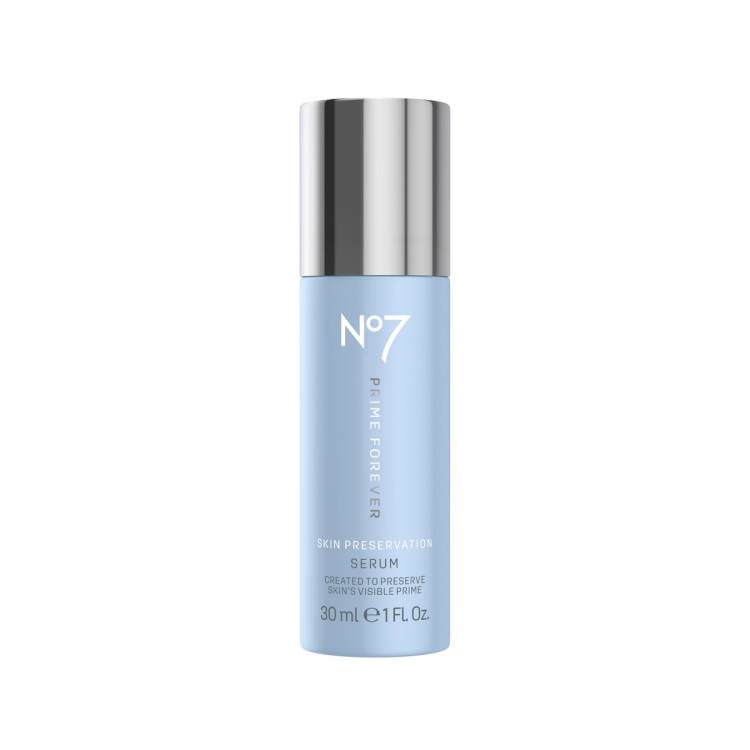
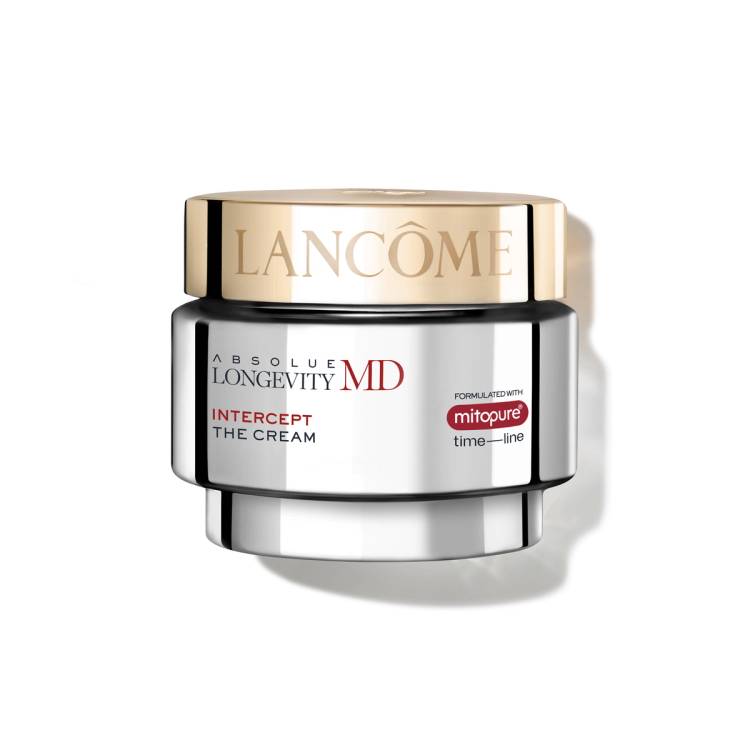
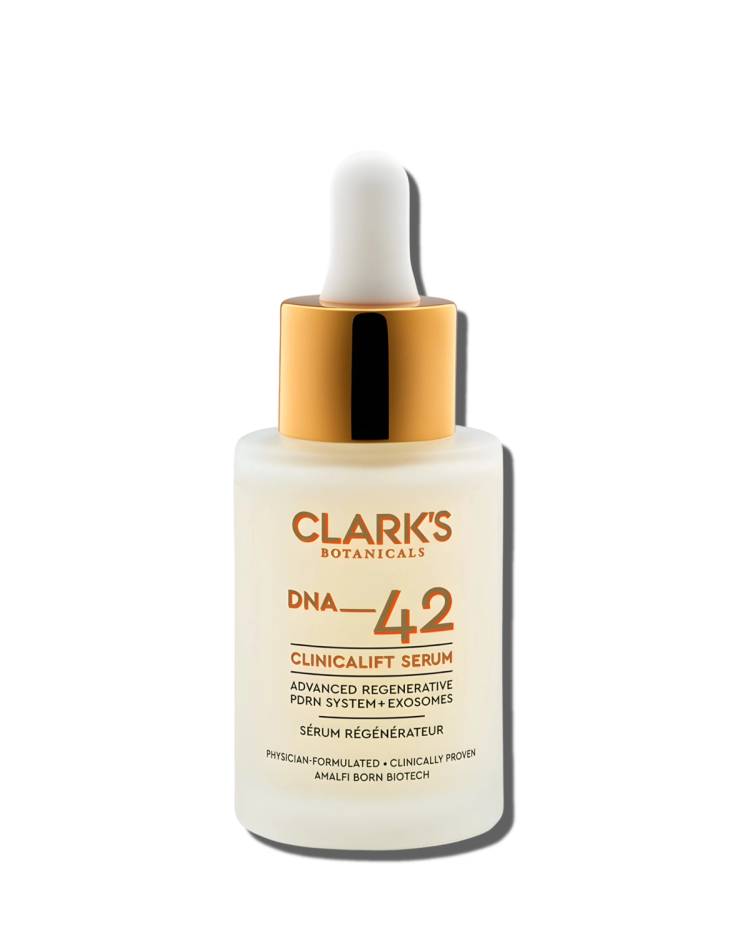
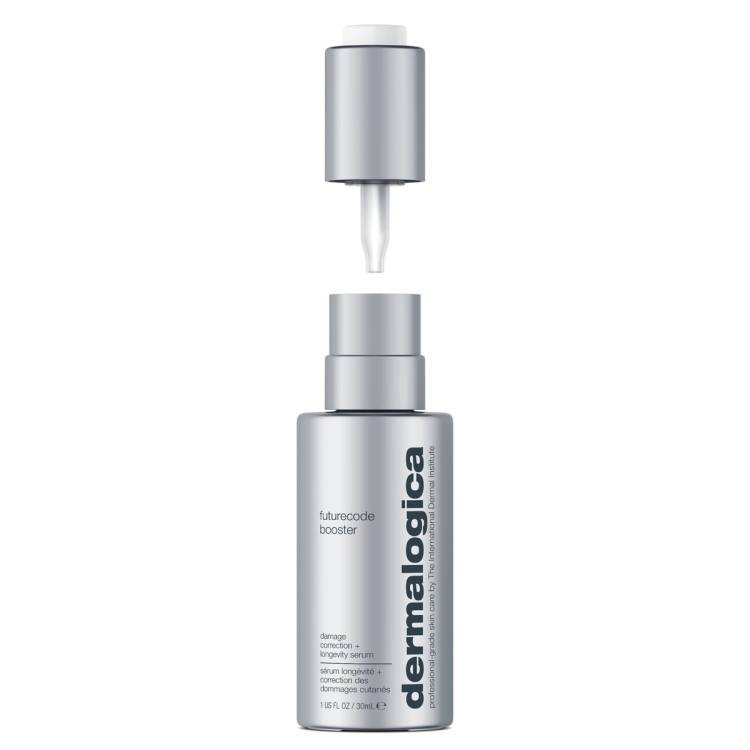
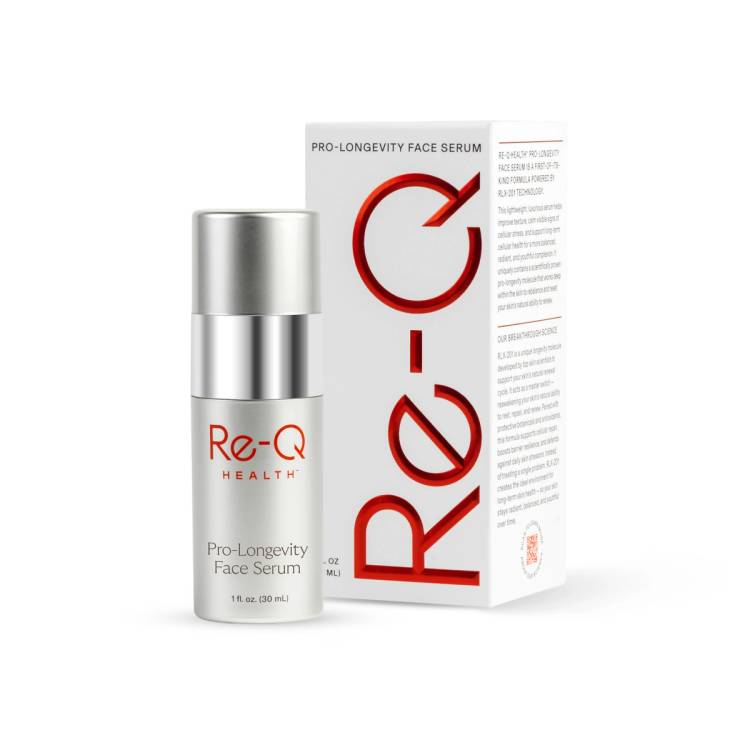
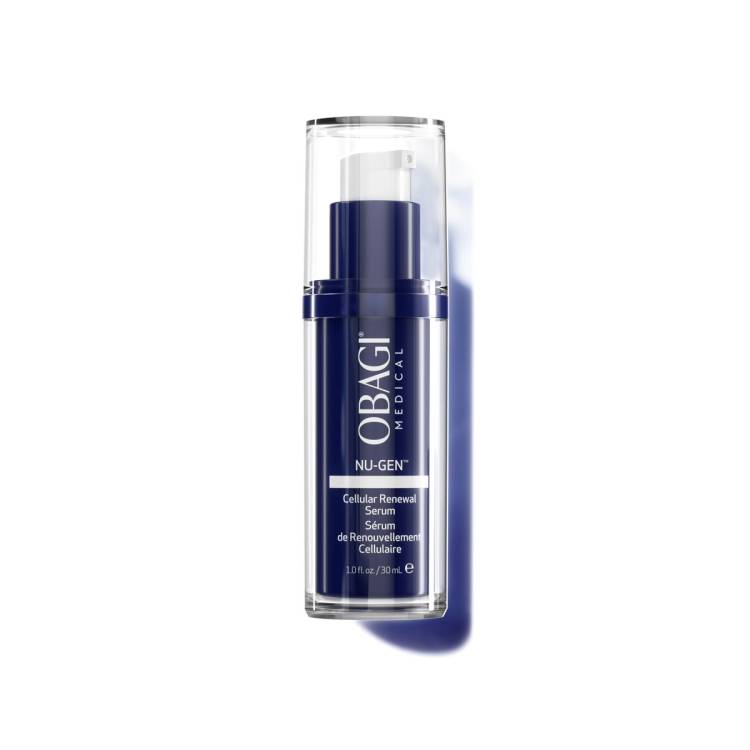
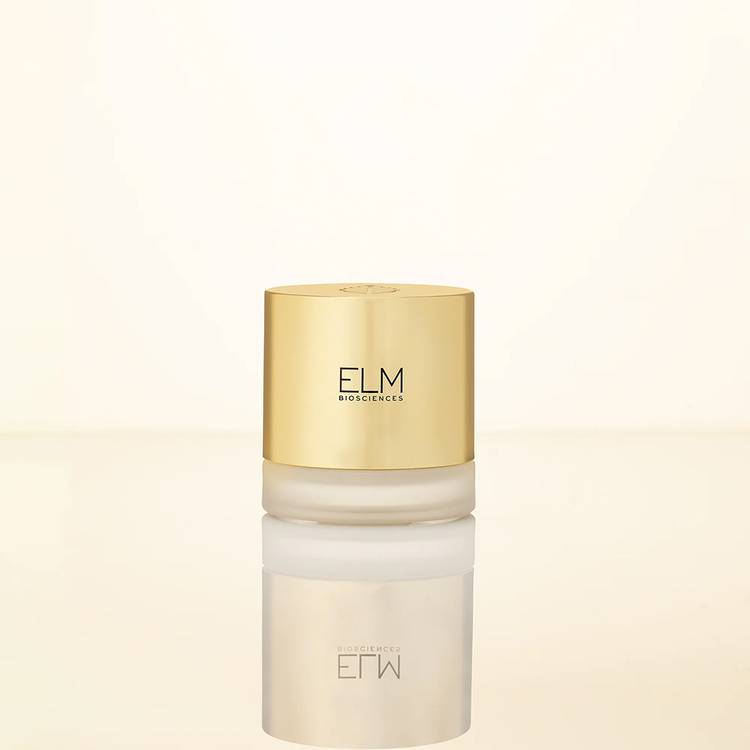
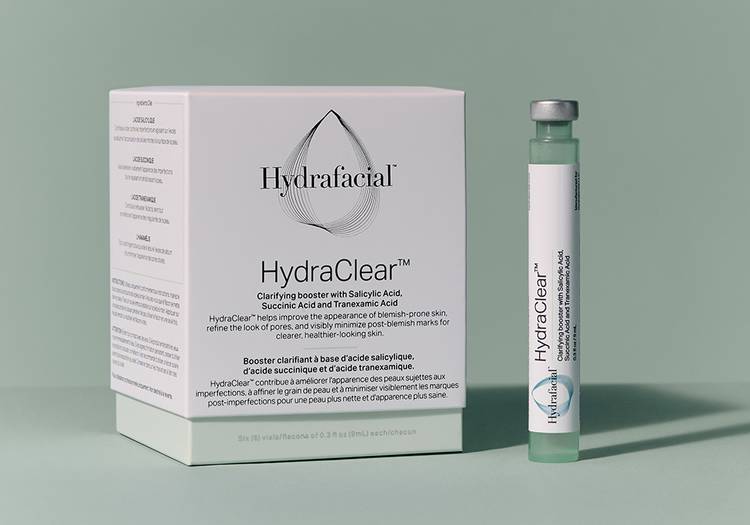
Prevent and repair with these longevity-focused skin-care innovations we can’t stop raving about.