For much of my life, I believed sunscreen wasn't made for people who looked like me—a myth I carried into my 20s, even while working in beauty. "No white cast" was a bonus, not a baseline, which made sunscreen feel optional, not essential. It wasn't until stubborn hyperpigmentation and early signs of aging showed up that my perspective shifted, and sparked a desire to help shift the conversation.
"The idea that melanin-rich skin doesn't need sunscreen is both common and dangerous," says Birmingham, AL dermatologist Corey Hartman, MD. "While melanin-rich skin does offer some sun protection, it's minimal at best."
That level of protection is roughly SPF 13 and well below the expert-recommended SPF 30 for daily use. In other words, melanin alone isn't enough to shield skin from UV damage, accelerated aging or skin cancer.
What many people don't realize—I didn't, for years—is how daily sun exposure affects deeper skin tones. Higher levels of ultraviolet radiation make it more reactive to light and heat. "Unprotected skin can trigger an overabundance of melanin production," says Dr. Hartman. Looking back, this explains why my hyperpigmentation lingered longer than expected, and why treating it without the consistent use of SPF felt like moving in circles.
The stakes extend far beyond aesthetics. Skin cancers are often diagnosed later and at more advanced stages in people of color. "Skin cancer can look different on darker skin tones," Dr. Hartman says, adding that medical research has historically focused on lighter skin tones, leaving some providers inadequately trained to identify early signs. Health care inequities—from affordability to appointment availability—only compound the problem. Sunscreen, while not the sole solution, remains a critical first line of defense.
Still, daily sun protection isn't a given for many, largely because of how many SPF formulas wear on the skin—white cast, pilling and uncomfortable textures included. I've been there. Dr. Hartman explains that mineral sunscreens, which rely on zinc oxide and titanium dioxide to block UV rays, are often responsible for that chalky residue. Chemical sunscreens absorb and transform UV rays into heat, and tend to be more transparent. While Dr. Hartman prefers mineral formulas, he acknowledges that finding ones that truly disappear on deeper skin tones takes intention, as well as continued innovation.
Even so, sunscreen doesn't require a beach. "We're exposed to the sun daily, whether we realize it or not," Dr. Hartman says. Driving, sitting near windows or walking outside—brief exposure adds up. "Just 15 to 30 minutes of unprotected sun exposure can lead to accelerated skin aging." For me, that shift was pivotal: SPF stopped feeling optional and became a hard boundary.
That's where my experiment began. Over three months, I tested sunscreens the way people should actually wear them—daily, like brushing your teeth—to see which formulas truly worked on my melanin-rich, aging skin.
I paid close attention to which SPFs disappeared into my complexion without leaving a white cast and which ones layered smoothly under makeup and felt easy to reapply. I also tracked how my skin responded over time, whether my dark spots and hyperpigmentation stopped deepening, marks faded more evenly and my skin looked smoother and more resilient. Ahead, the standouts.
1 / 20
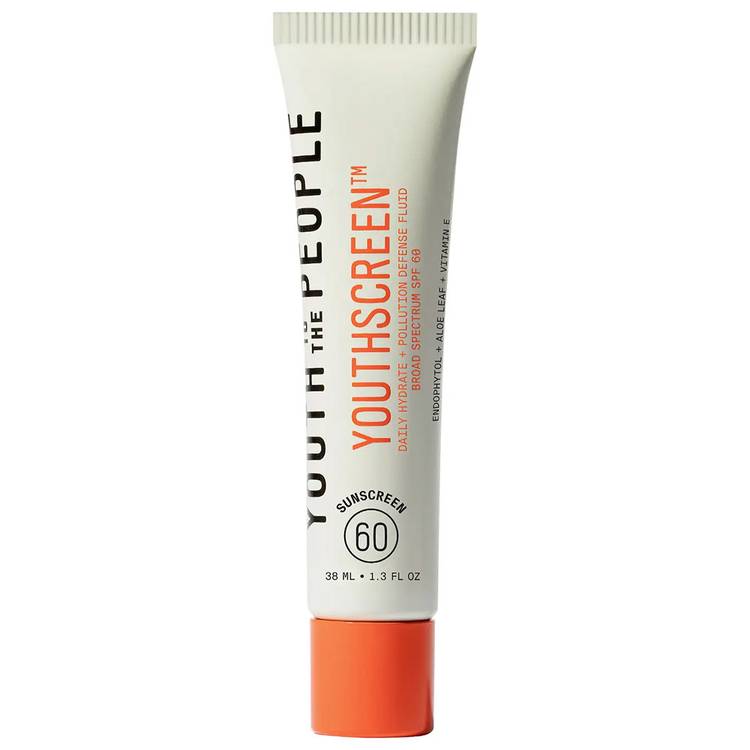
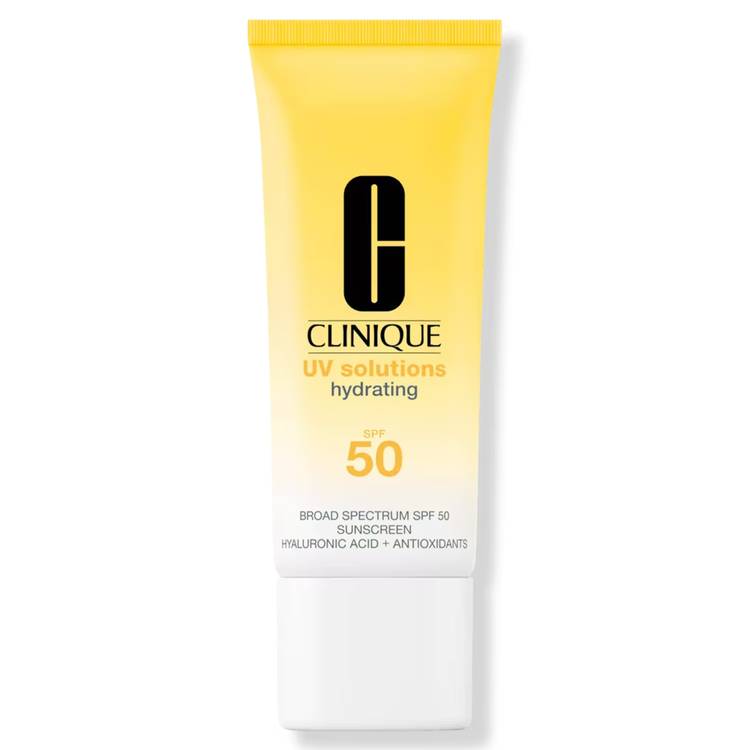
This hydrating sunscreen melts into skin with no white cast and layers well under makeup, leaving a soft, velvety finish. Plus, it has enough skin-care benefits to replace your usual moisturizer–SPF duo.
2 / 20
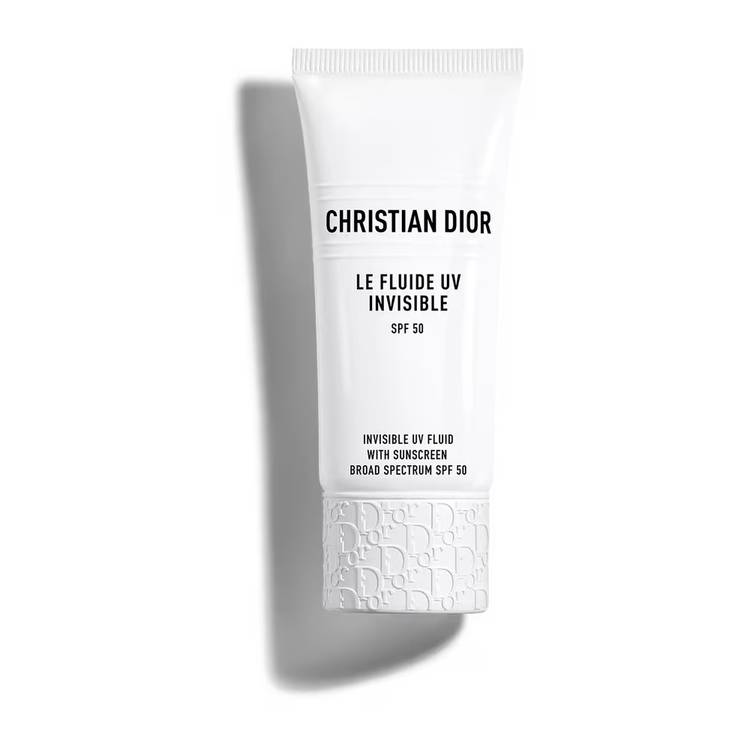
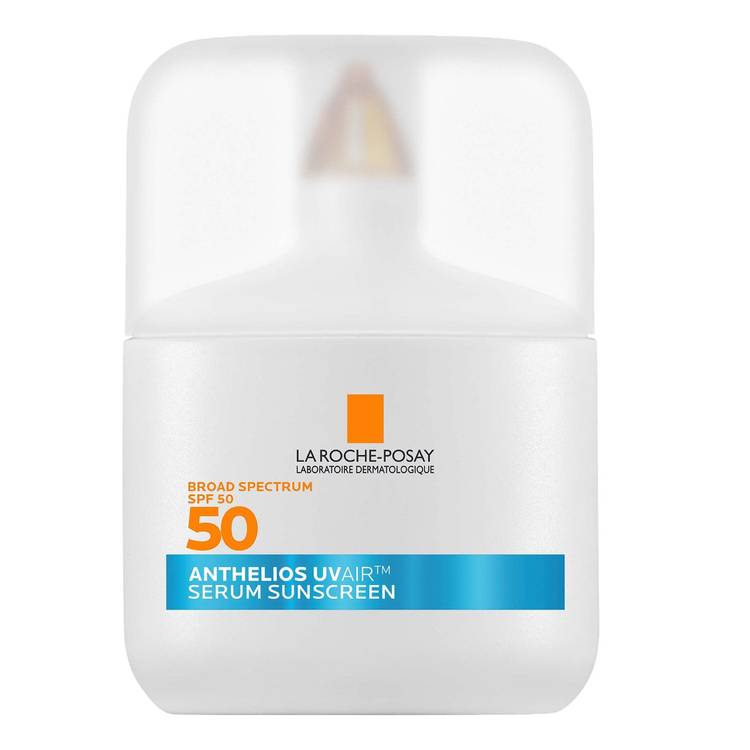
Luxury sunscreens can sometimes prioritize aesthetics over performance, but this formula delivers both. The liquid texture melts seamlessly into my skin for a refined, natural-looking glow.
3 / 20
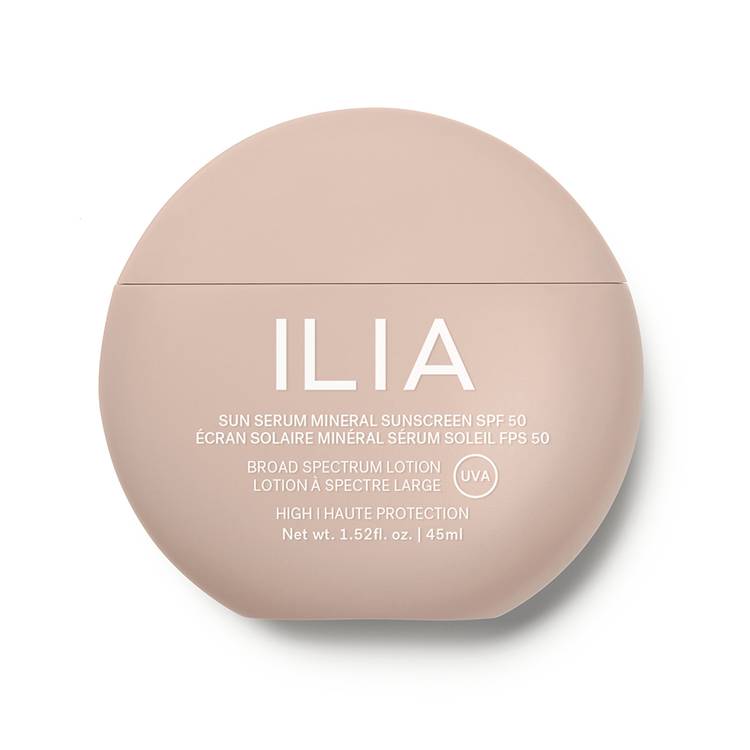
This formula instantly makes my skin look healthier the moment I apply it. The serum-like consistency feels light and breathable, while the radiant finish gives that subtle "your skin but better" effect I'm always looking for in complexion products.
4 / 20
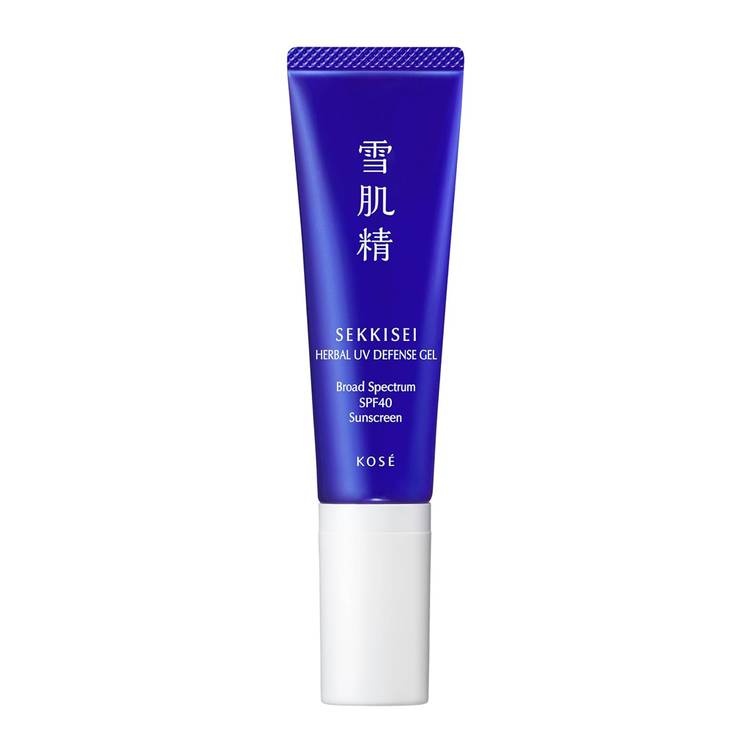
Light and cooling, this gel is a summertime standout that feels like water on the skin and is especially refreshing in the heat. It's often sold out thanks to both its texture and undetectable finish.
5 / 20
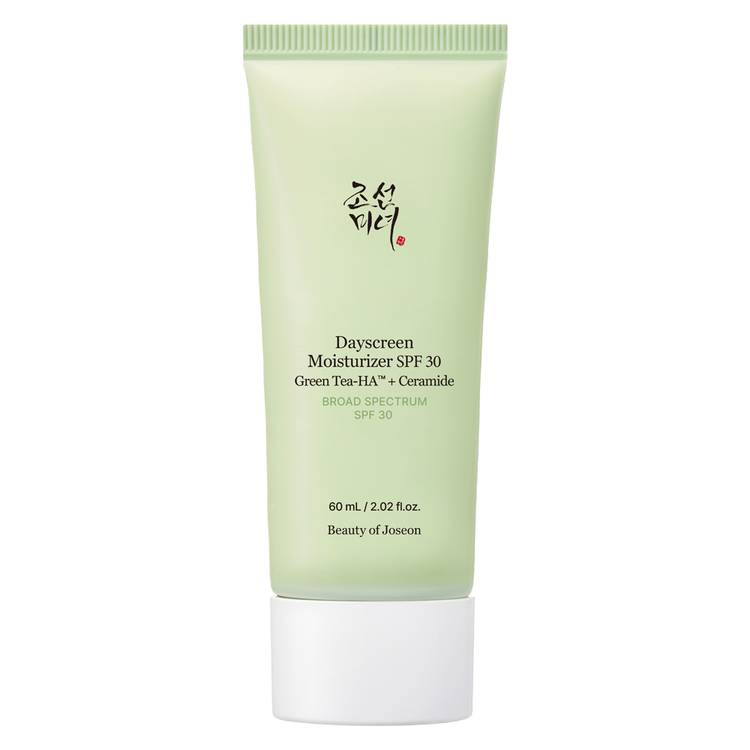
Korean skin care earns its reputation with this creamy sunscreen that gives my skin a soft, luminous finish without crossing into overly dewy territory. I also appreciate that it never emphasizes my skin texture or leaves behind a white cast.
6 / 20
Airy and serum-like, this one feels more like skin care than sunscreen. It glides on clear, making it a solid option for deeper skin tones dealing with texture concerns and breakouts.
7 / 20
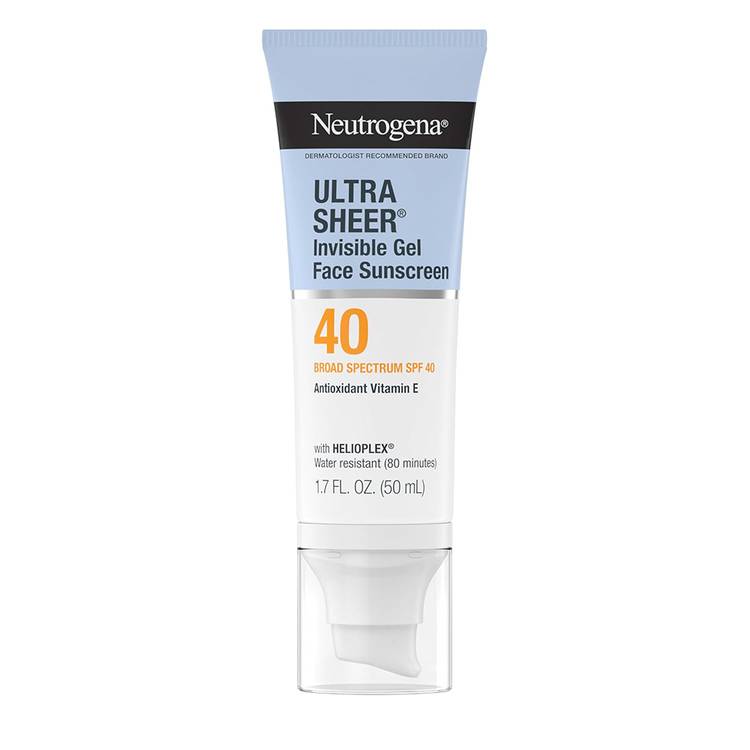
This totally invisible, almost water-like gel disappears into my skin within seconds and has a matte finish. It's hydrating, fragrance-free and doesn't pill or leave my skin looking greasy throughout the day.
8 / 20
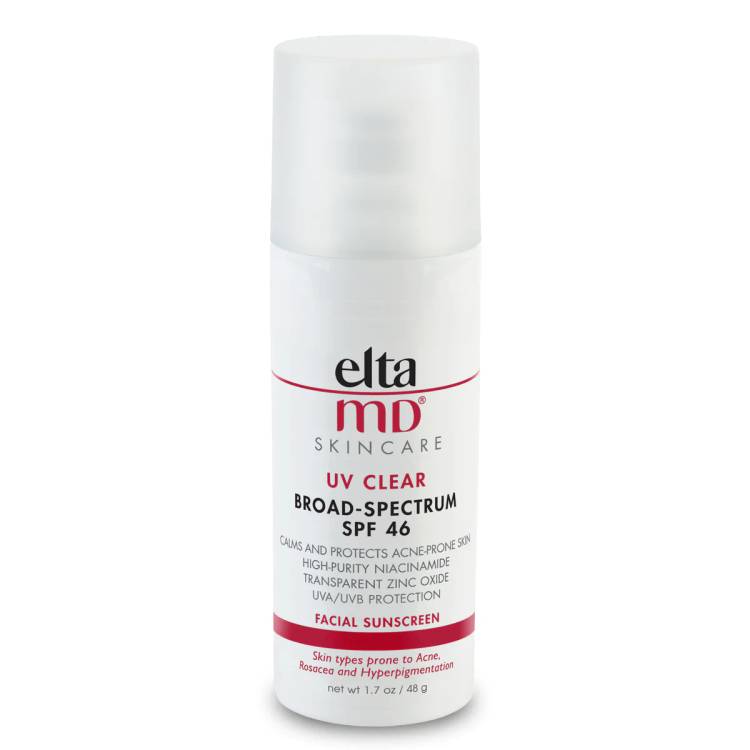
This SPF is a top pick by dermatologists for many reasons, including its natural, sheer tint that helps disguise early dark spots, and gentle ingredients that even acne-prone and sensitive skin types will look forward to using.
9 / 20
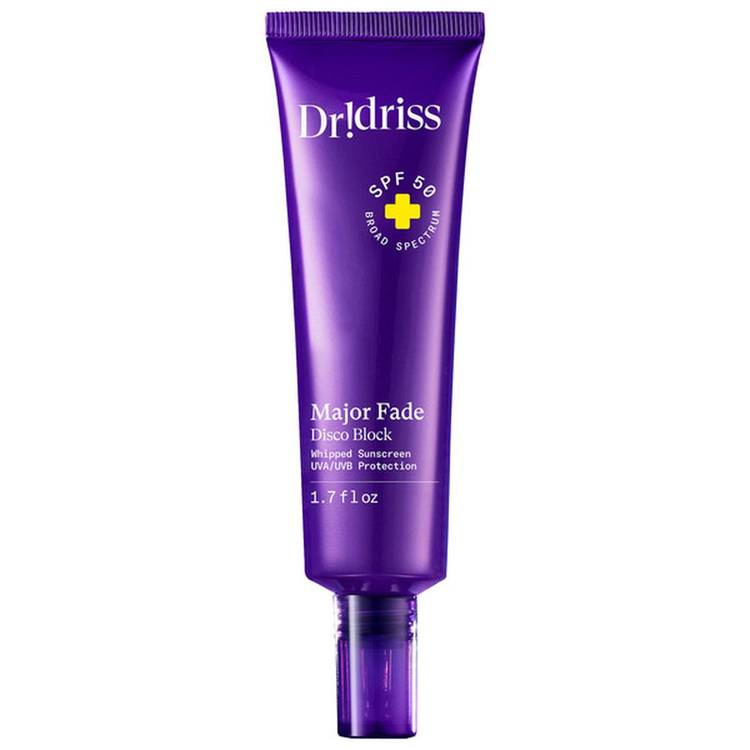
This derm-developed sunscreen uses brightening hexylresorcinol to help fade dark spots, alongside chemical filters and antioxidants to help prevent new ones from popping up.
10 / 20
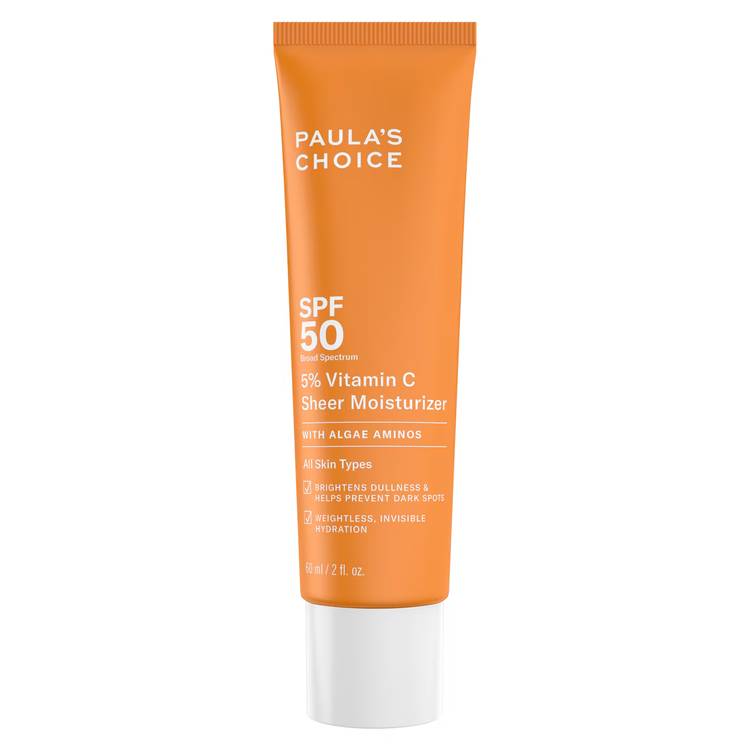
Part SPF, part brightener, this formula harnesses 5-percent vitamin C—a lower concentration than traditional serums—and I'm convinced it's helped keep my dark spots under control.
11 / 20
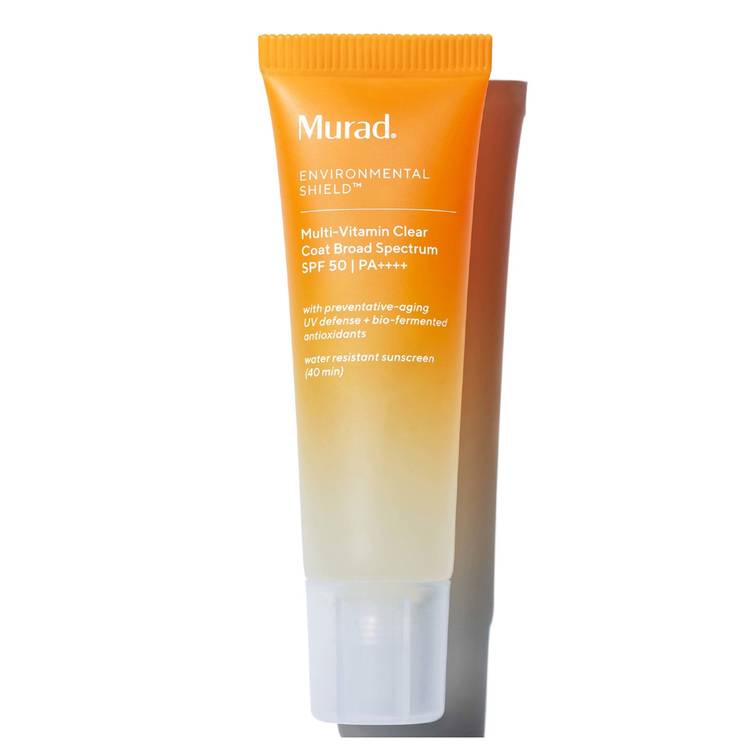
Murad Multi-Vitamin Clear Coat SPF 50 PA++++ ($44)
My dry patches looked smoother after keeping this in regular rotation. It's not the lightest option, but it keeps skin comfy and protected with conditioning ingredients, antioxidants and SPF 50.
12 / 20
More functional than fancy isn't a bad thing. This formula is good for everyday wear if you want SPF without fuss, and it contains oil-absorbing powders, soothing ingredients and barrier-supporting ceramides to help keep breakouts in check.
13 / 20
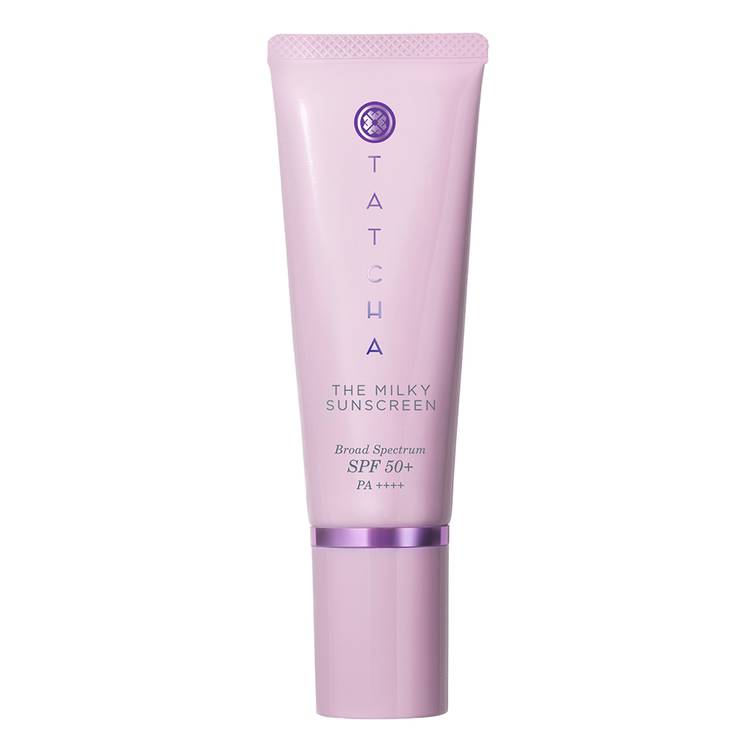
Tatcha The Milky Sunscreen SPF 50+ PA++++ ($50)
This lotion-meets-serum hybrid deserves its five-star praise. It gives me a glowy finish and helps correct UV damage and reduce dark spots as it protects.
14 / 20
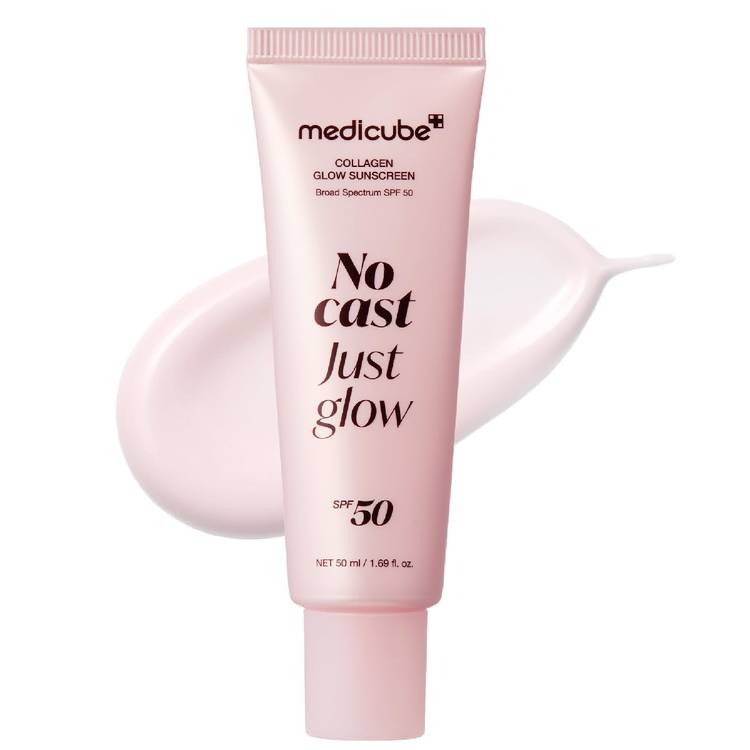
All of the glow you could want with zero white cast, this lightweight cream blends easily into deeper skin tones, leaving behind a soft, skin-like radiance the K-beauty brand has become synonymous with.
15 / 20
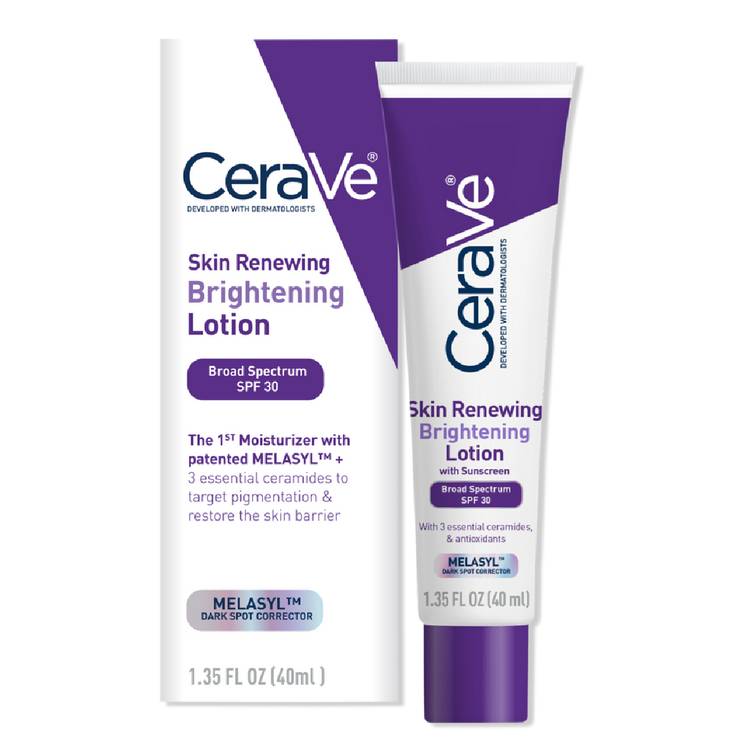
Don't sleep on drugstore greats like this sunscreen that balances skin-care benefits with UV protection so well. The brightening effect gives me a rested, healthy look without irritation. It's a multitasker that works especially well for anyone trying to simplify their morning routine.
16 / 20
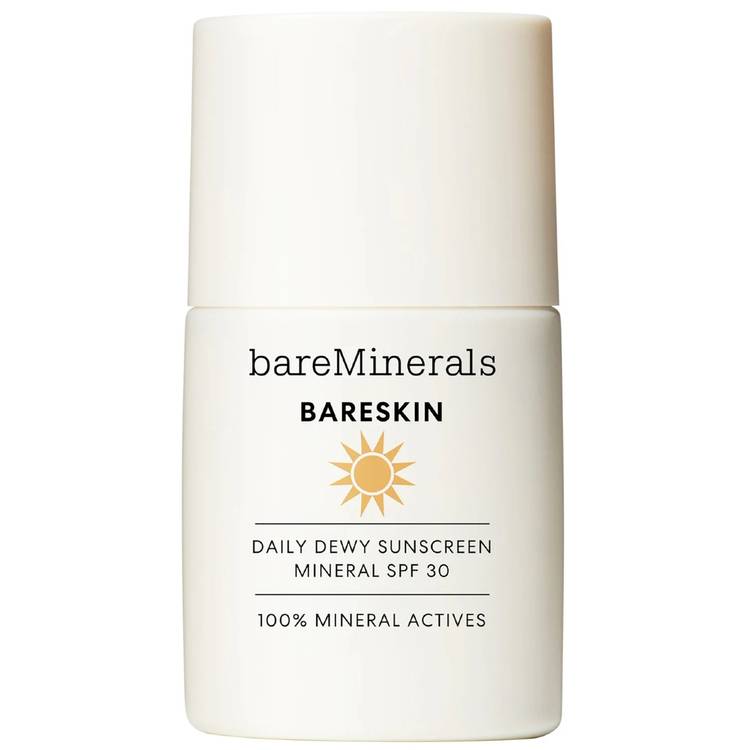
A modern mineral SPF with a lightweight formula, this dewy sunscreen melts in effortlessly, leaving a nice glow without the heavy or chalky finish mineral SPFs are often known for. I also love how seamlessly it layers with the other skin-care products in my routine.
17 / 20
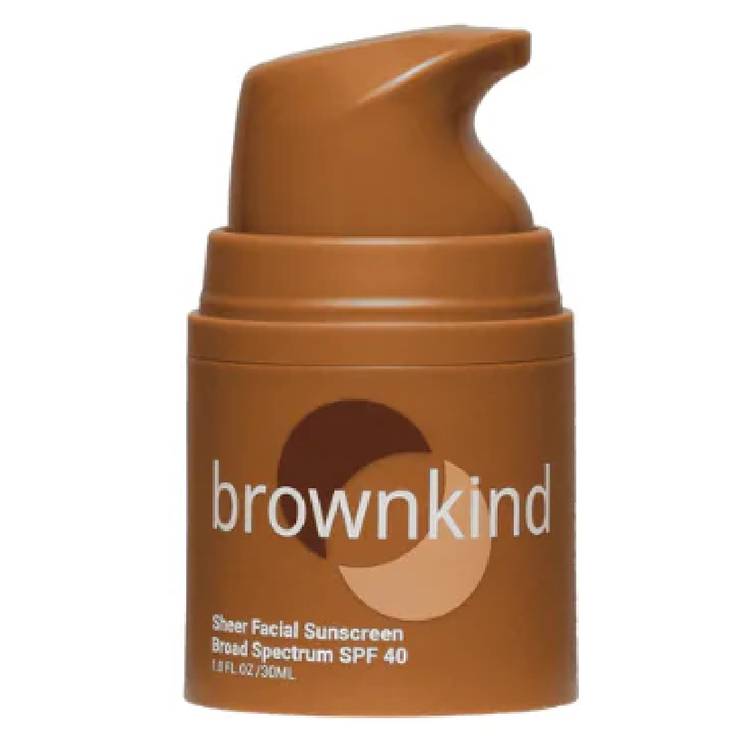
Iconic name, iconic formula. Made for melanin-rich skin, this sheer, budget-friendly favorite melts in with little-to-no white cast, even without much blending. It's a can't-go-wrong option with broad-spectrum protection.
18 / 20
Neither too matte nor too dewy, but a sweet spot in-between, this sunscreen draws in moisture and helps lock it in, leaving my skin feeling comfortably hydrated and protected.
19 / 20
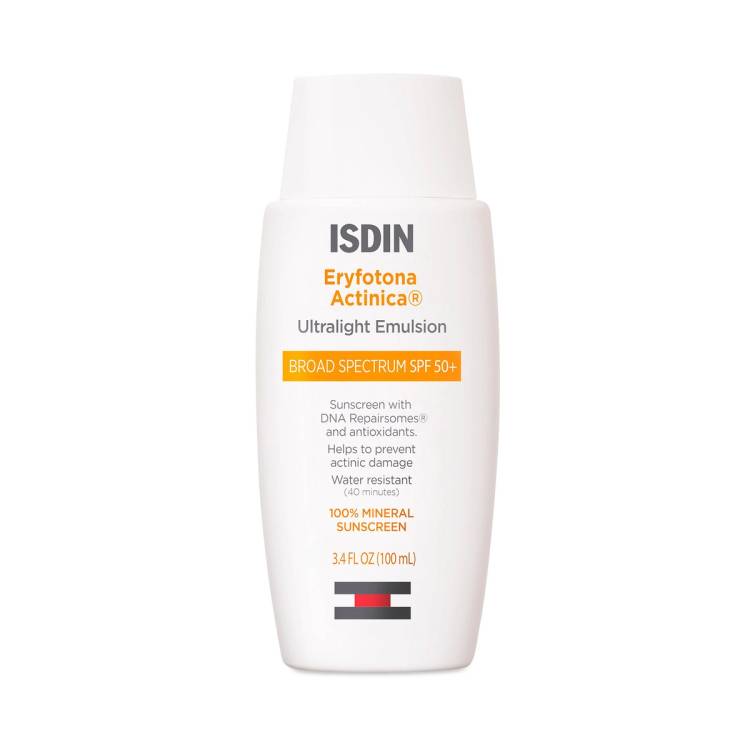
A favorite of Dr. Hartman's, and now mine, this iconic sunscreen is regularly sold at dermatologists' offices and "delivers moisture and mineral zinc oxide for a chemical-free, physical sunscreen that eliminates the possibility of allergy," he says.
20 / 20
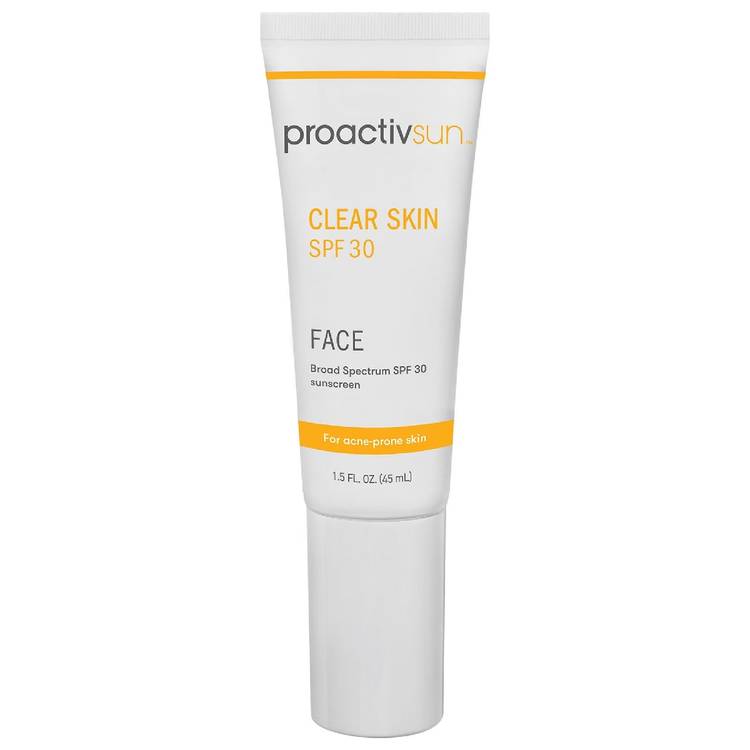
If you have sensitive or acne-prone skin and tend to avoid heavier sunscreen, this is one to try. It leaves a clean, nongreasy finish with virtually no residue.