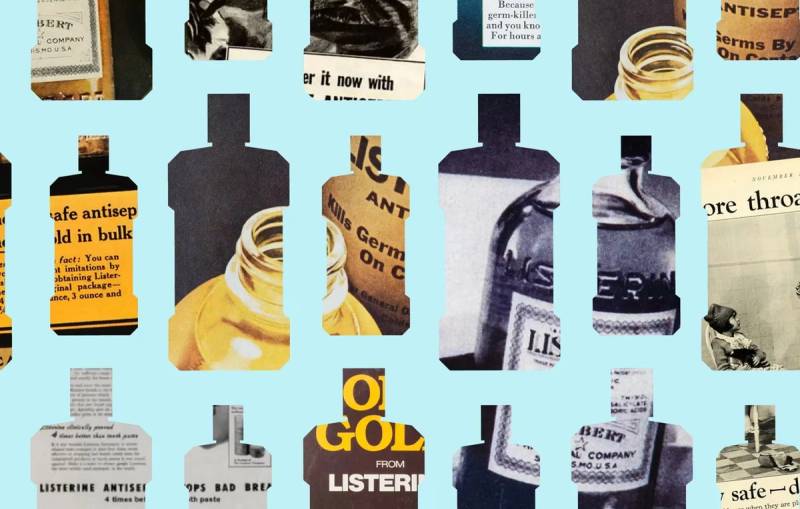
Long before Listerine sat on bathroom counters promising fresh breath, its story started in the operating room. In 1865, English surgeon Dr. Joseph Lister began using carbolic acid spray as a surgical antiseptic, pioneering methods that helped far more patients survive surgery than ever before. That breakthrough didn’t just change medicine; it inspired a name.
A Name Born From Homage
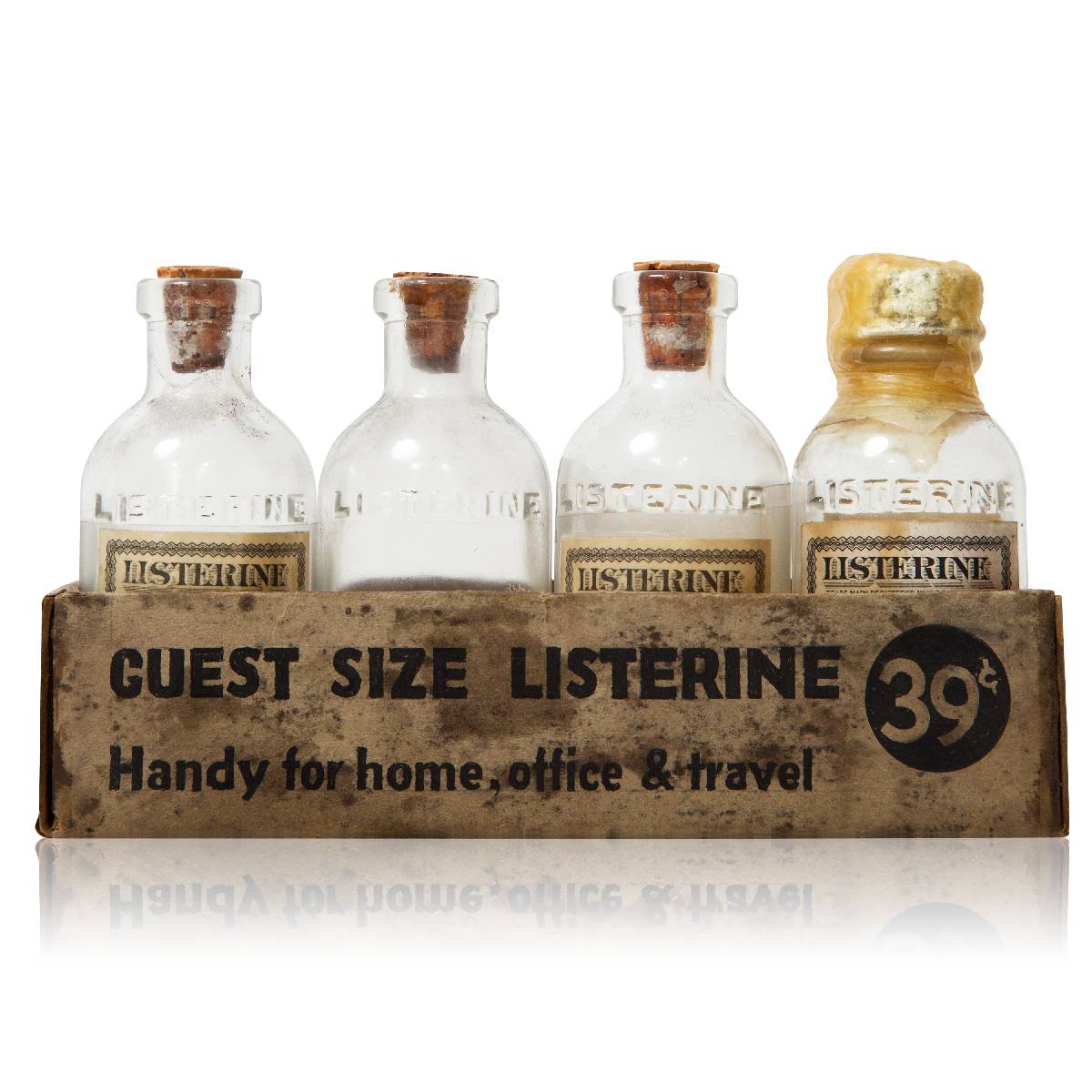
When Dr. Joseph Lawrence developed his own formula years later, he named it in Lister’s honor. In 1879, Listerine was developed as a surgical antiseptic, built on the same underlying mission to help patients survive procedures that had once been far riskier than they needed to be. By 1898, that formula was being sold in glass bottles as the original Listerine Antiseptic mouthwash, and by 1914, it had made the leap to store shelves, becoming available to consumers over the counter for the first time.
From Antiseptic to Everyday Oral Care
Once in wider circulation, Listerine’s role continued to evolve alongside dental science. By the 1960s, plaque was recognized as the primary cause of cavities and periodontal disease, and by 1985, the American Dental Association (ADA) had developed antiplaque and antigingivitis guidelines. Two years later, in 1987, the ADA Council on Scientific Affairs formally accepted Listerine, cementing its place as a clinically backed part of oral care routines rather than just a household antiseptic.
Innovation continued from there: 2009 brought Rapid Fusion Technology, designed to boost fluoride uptake in tooth enamel, followed by Listerine Zero Alcohol in 2011 and Crystal Block Technology in 2018, engineered to physically block tooth sensitivity at its source.
Still Guided by Lister’s Goal
According to the brand, that basic mission hasn’t changed. As the company puts it, Listerine has inherited Dr. Lister’s desire to “help as many people as possible,” continuing research aimed at protecting people’s mouths and is today formulated to kill 99.9 percent of germs that cause bad breath, plaque and gingivitis.
That same commitment to evolving without losing sight of its roots is something Jordan Mojka Delricco, senior marketing manager at the brand, points to directly when asked what’s behind the brand’s staying power. “Listerine has long been a leader in the oral care category, continuously evolving to stay ahead of industry trends and consumer needs. The brand doesn’t just keep pace, but sets the standard by combining clinically proven claims, consumer-driven insights and ingredient-conscious formulas to meet evolving needs.”
One key area of focus is the growing demand for both alcohol-free and more personalized choices for the consumer, which is why the brand recently introduced a new range of mouthwash intensities—from extra mild, to mild, to our classic intense—because, as Delricco puts it, “we know oral care isn’t one size fits all.”
Keeping that history close, Delricco says, is just as intentional as innovating. “For more than a century, we’re honored to have been a part of people’s daily routines. Dating all the way back to our founder, Dr. Joseph Lawrence, science has always guided our delivery of the best solutions in both preventative and oral care treatment needs. We also preserve our history through our branding, including our iconic and trademarked barbell bottle shape, ensuring consumers can easily identify the brand at their favorite retailer.”
Still, she is clear that reverence for the past can’t come at the expense of staying current. “While our commitment to science and branding remains steadfast, it is critical for the brand to evolve through its innovation and communications approach to represent and relate to today’s consumers. For example, in a world where so many of us are constantly on the move, we wanted to provide consumers with the ability to wash their mouth anywhere they may be, leading to the introduction of our new On-The-Go mouthwash Packets ($3) last September.”
More than 140 years after Lister’s original breakthrough, that’s the thread still holding the Listerine brand together. And, although the formula started as a way to help patients survive surgery, it has spent a very solid 100-plus years finding new ways to help people take care of themselves.