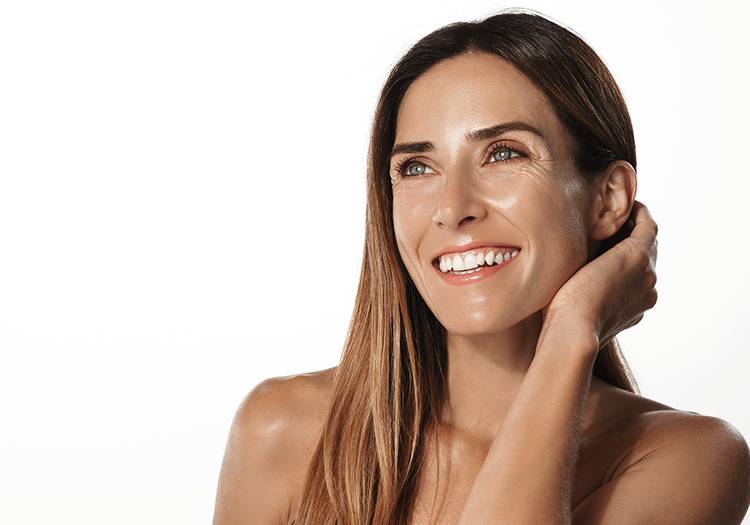
“Korean Botox” has become one of the most talked-about treatments in Seoul. Social feeds promise smaller-looking pores, smoother skin and a fresh, dewy finish that looks noticeably different from the results of conventional Botox injections.
But is that difference due to the product, the injection technique or Korea’s approach to aesthetics? We asked top injectors to explain.
Featured Experts
- Eunice Park, MD, is a board-certified facial plastic surgeon in New York
- Donald Yoo, MD, is a board-certified facial plastic surgeon in Beverly Hills, CA
- Michael Kane, MD, is a board-certified plastic surgeon in New York
- Dr. Karan Lal is a board-certified dermatologist in Scottsdale, AZ
What Is Korean Botox?
“Korean Botox is really shorthand for a broader Korean approach to aesthetics,” says New York facial plastic surgeon Eunice Park, MD. “It’s not simply about where a product is manufactured. In Korea, there is a strong emphasis on subtle, natural-looking results and treating the face as a whole rather than focusing on one isolated area of wrinkles.”
Beverly Hills facial plastic surgeon Donald Yoo, MD, says the term covers the product, injection technique and desired result. “It goes hand-in-hand with the K-Aesthetics philosophy, which emphasizes prevention, skin health and natural-looking results rather than a dramatic transformation.”
In practice, that may mean using smaller or more strategically placed doses or pairing a neurotoxin with skin-quality treatments.
“K-Beauty shifted the skin-care conversation from quick fixes to long-term, preventative routines, and we’re seeing Korean aesthetics bring a similar mindset to cosmetic treatments,” says Dr. Yoo. “With ‘Korean Botox’ specifically, the focus is softening lines while preserving natural facial movement and expression. The goal is to look refreshed and well-rested, not frozen.”
Korean Botox vs. American Botox
Botox Cosmetic is a brand name, not a catchall for every wrinkle-relaxing injection. Korean-manufactured products and American-made neurotoxins both contain botulinum toxin type A, which temporarily reduces targeted muscle activity.
As for whether Korean toxins work differently, New York plastic surgeon Michael Kane, MD, says the products are “very, very similar.”
The technique is often the bigger difference. Neurotoxin treatments in the U.S. commonly target the muscles responsible for frown lines, forehead lines and crow’s-feet. Korean practitioners may use smaller doses or more superficial injections, with greater attention paid to skin texture and oil production.
“The product and its technology matter, but so does the way it is used,” says Dr. Park. “I’m thinking about muscle activity, facial balance, injection placement and the amount of product needed to achieve the right result for that particular patient.”
No neurotoxin automatically creates a natural or overdone result. The outcome depends on the injector’s technique, the dose and the patient’s facial anatomy. Formulations and dosing also vary, so units are not interchangeable across brands.
The Glass Skin Approach
Some Korean Botox treatments place small, diluted amounts of neurotoxin into the upper layers of the skin instead of targeting only the deeper facial muscles. The technique may be called skin Botox, microtox, micro-Botox or mesobotox.
Scottsdale dermatologist Dr. Karan Lal says this more superficial approach may help minimize pores, reduce oiliness and improve the appearance of redness and texture. “The goal is not to stop movement but to enhance skin health and appearance,” he says. “The results are a more refined, dewy look rather than a frozen expression.”
Similar microdosing techniques are performed in the U.S., although using neurotoxins specifically to improve pore size, oil production or overall skin quality is off-label, meaning it isn’t one of the uses the FDA has approved.
Differing Beauty Standards
Dr. Kane didn’t always appreciate the smooth, reflective finish associated with Korean Botox. An early pioneer in Botox injections, he initially criticized the technique of placing low doses directly into the skin because he thought the results looked unnaturally shiny or “plastic.”
His perspective changed after presenting in Asia in the early 2000s. “Despite my warnings, audiences in Korea, Manila, Taipei and other Asian cities loved this technique,” he recalls. “They said, ‘What are you talking about? That looks great.’”
Today, that philosophy has made its way into U.S. practices, including Dr. Lal’s. “I apply the same concept with my patients: subtle enhancement focusing on skin quality and maintaining movement,” he says.
You Can Get Korean Botox in the U.S.
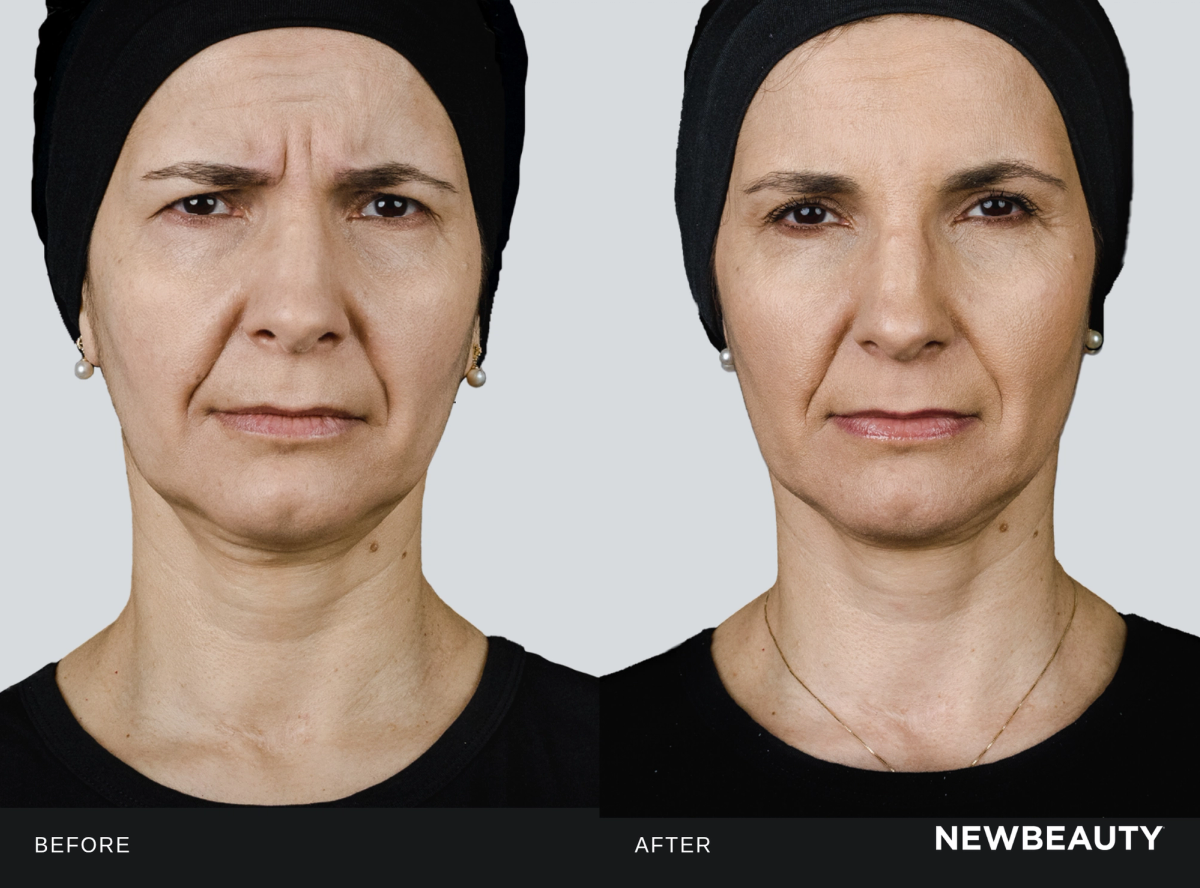
While Korean Botox is more about approach than origin, Korean-made neurotoxins are also available stateside. Jeuveau, developed by South Korean company Daewoong Pharmaceutical, has been FDA approved and available in the U.S. since 2019. Letybo, manufactured by Hugel and known as Botulax in Korea, received FDA approval in 2024 and officially launched in the U.S. in 2025.
Letybo is approved for the temporary improvement of moderate-to-severe glabellar lines, or the vertical “11s” between the eyebrows, in adults. Its approval was supported by three clinical trials involving more than 1,200 participants.
“In those studies, Letybo demonstrated significant improvement in the appearance of glabellar lines,” says Dr. Park. She adds that it was generally well tolerated, with a safety profile similar to other botulinum toxin type A products.
Although Letybo is newer to U.S. practices, Dr. Yoo says some patients may begin noticing a change within one to two days, with results generally lasting three to four months. That duration is comparable to several other wrinkle relaxers, though onset and longevity vary by patient.
Is Korean Botox Safe?
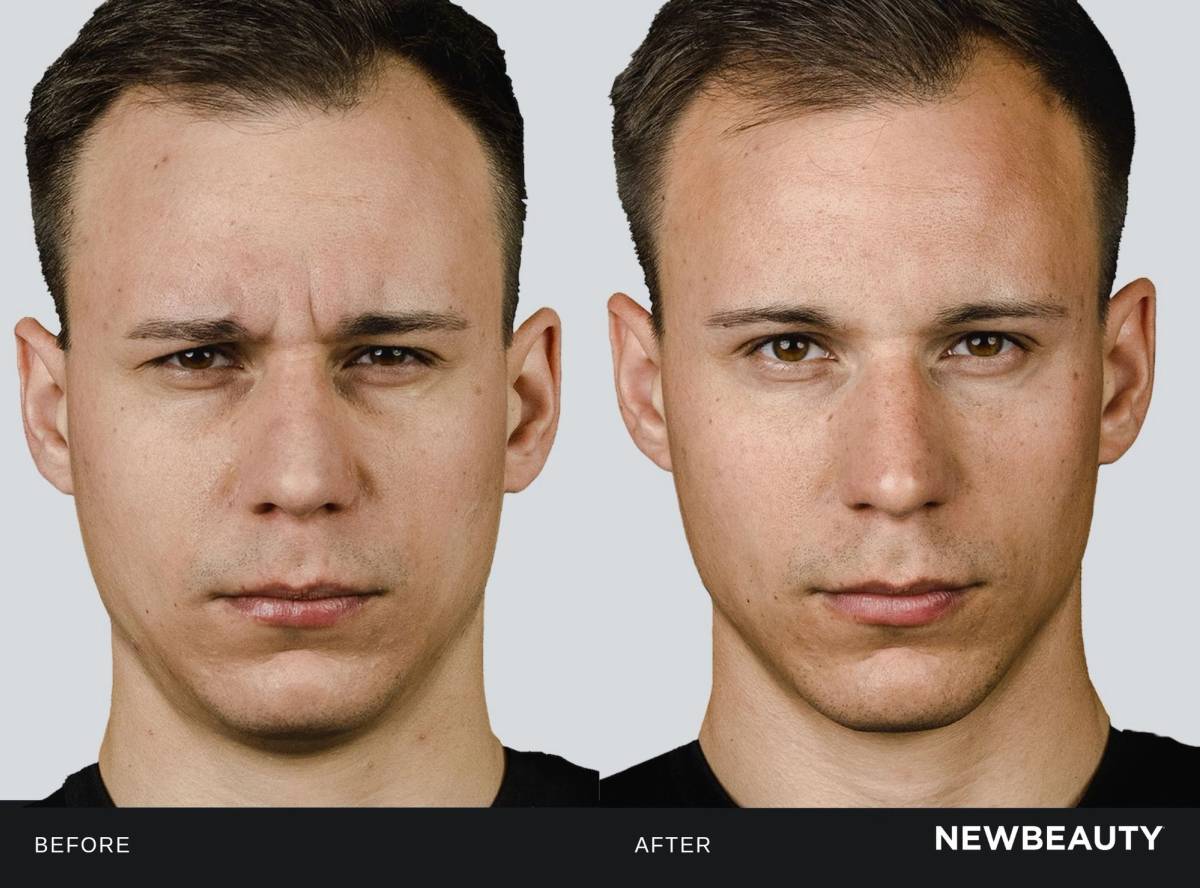
A Korean-manufactured neurotoxin can be safe when the product is approved where you’re being treated, obtained through an authorized source and administered by a qualified medical professional. Being made in Korea does not automatically make a product safer or riskier.
Beyond Letybo and Jeuveau, other Korean neurotoxins may be approved in South Korea or elsewhere but are not authorized for use in the U.S.
“As with any neurotoxin, patient selection, proper dosing and injection technique are extremely important,” says Dr. Park. “Patients should always be treated by a qualified, experienced medical professional who understands facial anatomy and neuromodulator treatment.”
Letybo, like other botulinum toxin products, carries an FDA boxed warning about the possibility of the toxin’s effects spreading beyond the injection site. Patients should discuss their medical history, allergies, medications and previous reactions with their provider before treatment.
How Much Does Korean Botox Cost?
In Seoul, Korean-made neurotoxins are usually priced by treatment area rather than by unit, and advertised rates for a small wrinkle-treatment area can range from about $22 to $74, with a median of roughly $48 across listed domestic-brand treatments. More comprehensive treatments cost more: one Seoul clinic guide lists full upper-face treatment at about $200 to $350 and masseter treatment at about $150 to $300, depending on the brand, dose and clinic.
In the U.S., FDA-approved Korean-made neurotoxins such as Letybo are generally priced in line with other prescription wrinkle relaxers. Clinics commonly list Letybo at approximately $9 to $12 per unit, or about $200 to $600 per visit, depending on the area treated and number of units used.
What Is Innotox?
Innotox is a South Korean botulinum toxin type A product manufactured as a premixed liquid. Unlike traditional neurotoxins, which usually arrive as a powder that must be mixed with saline before injection, Innotox is ready to use, a feature that has helped it gain attention online.
Innotox is not FDA approved or legally marketed for cosmetic use in the U.S. It has also become tied to a dangerous social media trend in which consumers purchase vials through third-party websites and attempt to inject themselves.
Products sold through unauthorized sellers may be counterfeit, contaminated, improperly stored or inaccurately dosed. Self-injecting also increases the risk of infection, asymmetry, muscle weakness, vision problems and difficulty swallowing or breathing. Our guide to Innotox risks explains why it should never be purchased online for at-home use.
What to Ask Before You Book
Whether you are getting treated in Seoul or closer to home, ask which neurotoxin will be used, whether it is approved where you’re being treated and who will be performing the injections. You should also know the provider’s medical credentials and how the clinic handles complications or follow-up care. These injection-safety guidelines offer more questions to ask before treatment.
The appeal of the Korean approach is not simply using less product. It is choosing the dose and placement based on the person in the treatment chair. “The goal is not to change how someone looks,” says Dr. Park. “It’s to preserve or enhance their features in a very natural way.”