
When I started taking a GLP-1 medication, I knew it would finally help me lose the weight I had been trying to shed for years—and it did. I’m down 50 pounds. What I didn’t expect was how much it would change the way I felt about my face, body and confidence.
At the time, I didn’t realize that weight loss was only the beginning. Nearly four years later, I’ve learned that maintaining it comes with its own set of challenges, especially when it comes to the face, skin, hair and overall confidence.
The conversation around GLP-1s has evolved dramatically since I started. Back then, most people were focused on the number on the scale. Today, the conversation has expanded to include muscle preservation, skin quality, hair thinning, facial volume loss and what it really takes to maintain results for the long term.
Ahead, I’m diving into the habits, treatments and expert-backed strategies that helped me maintain my results, support my skin and feel like myself again.
Featured Experts
- David Balle, MD is a board-certified dermatologist in Grosse Pointe, MI
- Andrew Peredo, MD is a board-certified plastic surgeon in New York
- Rocio Salas-Whalen, MD is a board-certified endocrinologist in New York
- Jennifer Hanway is a holistic nutritionist
Prioritize protein and greens
A common assumption about GLP-1s is that they take away your desire to eat, and at first, that was true for me. But once I hit maintenance mode, my appetite normalized, and I learned how to make every bite count: salmon and roasted carrots, grilled chicken with avocado and big Sweetgreen bowls.
Grosse Pointe, MI dermatologist David Balle, MD says prioritizing protein can help support both facial volume and skin quality after weight loss. “Studies have shown not only do you get the volume loss like in the face, but there’s also protein loss in the body that is higher than you get with normal weight loss. So, a high protein diet…[and] incorporating skin tightening devices are important.”
That advice became my north star: protein at every meal to protect muscle, skin and energy.
Restore volume where it’s lost
Before the medication, my naturally full cheeks gave my face a softer look. After losing 50 pounds, they looked more deflated, making my features appear sharper—sometimes too sharp.
Dr. Balle recommended a small amount of filler. “Treatments like biostimulatory or hyaluronic acid fillers can be used to restore the volume loss.” A subtle touch helped me look refreshed without changing my face. It wasn’t about chasing youth; it was about restoring balance and confidence.
Stay ahead of skin laxity
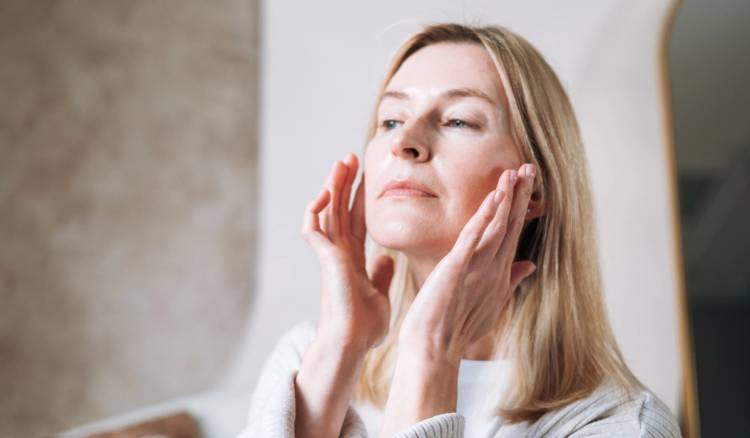
Loose skin can sneak up after significant weight loss, and I didn’t want that to chip away at my confidence. “Think slow, steady weight loss coupled with a skin tightening device and a good skin-care routine,” says New York plastic surgeon Andrew Peredo, MD. I took that advice literally and opted for Sofwave on my lower face to help keep my jawline defined. The result wasn’t dramatic, just enough to feel firm and lifted when I look in the mirror.
Consider neurotoxin as part of your maintenance routine
One thing I didn't anticipate was how differently I would approach neurotoxin once the weight came off. Before, I thought about it primarily as wrinkle prevention. Now, I’m more focused on looking rested.
As facial volume changes, small details become more noticeable. Strategic neurotoxin treatments helped soften expression lines without making my face look overdone. It became less about chasing perfection and more about maintaining balance.
Start a hair-strengthening routine from day one
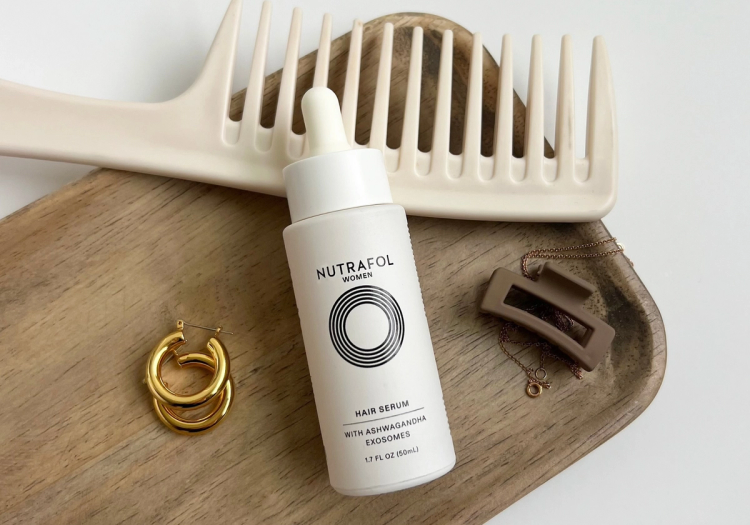
When you start shedding hair, it can shake your confidence. As New York endocrinologist Rocio Salas-Whalen, MD, explains, “If patients lose weight too quickly and protein intake is too low, that’s when you see muscle and hair changes.” If there’s one thing I’d recommend, it’s having a plan to help offset hair thinning or shedding before it starts. I started Nutrafol Women Hair Growth Nutraceutical ($88) early, and it helped me support fullness and strength. Whether the cause was stress, hormones or nutritional deficiencies, that small act made me feel in control again.
Move your body even when you’re tired
I used to run half marathons, but during the weight-loss process, fatigue sometimes made that impossible. Still, I moved every day, whether that meant walks, yoga or light strength training. Movement supported my circulation, muscle tone and mindset.
“GLP-1s are more nuanced, but they still come with risks, side effects and most importantly, they don’t teach you how to eat, move and live for long-term metabolic health,” says holistic nutritionist Jennifer Hanway. “I work with a number of clients who are combining GLP-1 therapy with diet and lifestyle interventions, which is the ideal approach.” Her advice reminded me that the goal was to build habits I could maintain, not rely on medication alone.
Hydrate constantly
GLP-1s can make you forget you’re thirsty, and I learned quickly that it can show up in my skin. “The complications we see are not from the drug but from dehydration,” says Dr. Salas-Whalen. “Patients need to drink water constantly.” I made hydration non-negotiable, cut out alcohol completely and noticed a difference in my skin, energy and sleep.
Focus on skin quality rather than wrinkles
One of the biggest surprises after weight loss was how much I started paying attention to the overall look and feel of my skin—not just wrinkles or lines.
As volume changes, texture, crepiness, elasticity and overall skin health can become more noticeable. Treatments that support collagen production and skin tightening became more important to me than chasing every fine line.
Today, I’m far more interested in maintaining healthy, resilient-looking skin than trying to look younger.
What I'd do differently if I started today
Looking back, there are a few things I would prioritize sooner: I’d increase my protein intake earlier, start strength training immediately, create a proactive plan for hair health rather than waiting until shedding started and begin collagen-supporting treatments before volume loss became obvious.
None of these things are emergencies, but after nearly four years on a GLP-1, I’ve learned that getting ahead of changes is often easier than trying to correct them later.
Keep evolving
Confidence doesn’t come from a single treatment or diet; it comes from staying curious and open to what works for you. “GLP-1s work in part because they address these pathways, but they’re still only part of the puzzle. They’re most effective when paired with diet, exercise and lifestyle changes. The goal isn’t just weight loss, it’s long-term metabolic health,” says Hanway.
Nearly four years in, that’s the biggest lesson I’ve learned. Losing the weight was only the beginning; maintaining my results, preserving muscle, supporting my skin and continuing to feel like myself required a different mindset entirely.
The good news is that confidence doesn’t have to disappear as your body changes. With the right habits, treatments and expectations, it can evolve right alongside you.