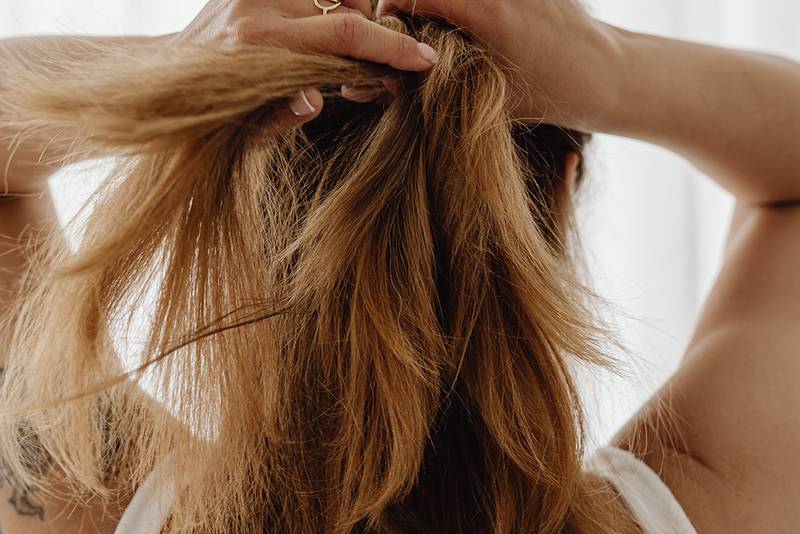
For anyone who’s taken a GLP-1 medication, whether it’s Wegovy, Ozempic, Mounjaro, Zepbound or another option on the market, the benefits are plentiful. Weight loss, blood sugar regulation and heart health top the list of pros, but one of the major downsides some users experience is hair thinning and shedding. It’s a common side effect people notice while taking the medication, but it’s not directly caused by the GLP-1 itself. Instead, it’s often due to telogen effluvium, “a temporary hair-shedding condition triggered by rapid or extreme weight loss,” says New York City internist and longevity expert Amanda Kahn, MD.
Doctors say they are increasingly seeing patients with concerns about hair shedding and loss while on these medications, but there are ways to help prevent thinning before it starts. Ahead, experts break down what to know about minimizing hair shedding while taking a GLP-1 medication.
Featured Experts
- Amanda Kahn, MD is a board-certified internist in New York
- Sara Velayati, MD is a board-certified internist at Montefiore Einstein in New York
- Valerie D. Callender, MD is a board-certified dermatologist in Glenn Dale, MD
Why Is Hair Loss a Side Effect of Taking a GLP-1?
Hair shedding is not caused by the GLP-1 itself. Instead, it’s typically triggered by rapid weight loss, which can lead to telogen effluvium. “Rapid weight loss (more than 10 percent body weight over three to six months), illness, surgery, or hormonal changes can all trigger this,” says New York City Montefiore Einstein internal medicine specialist Sara Velayati, MD, noting that taking a GLP-1 falls squarely into this category.
She says she hears questions about hair loss commonly from patients and adds, “When people start losing weight, especially if the weight loss happens relatively quickly, the body shifts more hair follicles into the resting phase of the hair cycle, which increases hair shedding two to four months later.” As a result, hair thinning often does not become noticeable until several months into treatment.
Telogen effluvium can also “occur from a deficiency of protein, vitamin D and other nutrients,” says Glenn Dale, MD dermatologist Valerie D. Callender, MD. Because hair is composed of keratin (a protein), [deficiencies can also trigger] shedding and brittleness. Low protein intake can also be exacerbated by appetite suppression, explains Dr. Velayati. “When fewer calories are consumed, the body prioritizes fueling vital organs, which reduces resources for hair growth,” she says.
“So, what many patients experience while taking GLP-1 medications is a side effect of weight loss and metabolic changes, not the drug damaging hair follicles,” Dr. Velayati explains.
Preventative Treatments to Mitigate Hair Loss
Overall, taking a proactive approach while losing weight on a GLP-1 can help reduce the risk of hair loss. Here are some ways to support that, including increasing protein intake, taking supplements and incorporating hair-growth treatments. However, note that “the most important step is correcting any deficiencies,” says Dr. Kahn, so be sure to speak with your doctor about your nutrient levels before starting a GLP-1.
Increase Protein Intake
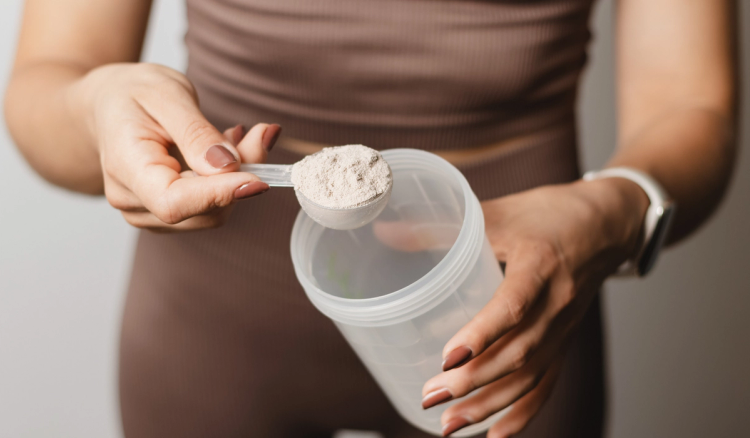
As GLP-1 users already know, they often eat less while taking the medication due to decreased appetite. Because of that, Dr. Velayati advises focusing on adequate protein intake, which is important for both overall health and hair health. “Aim for roughly 1.2 to 1.5 grams of protein per kilogram of body weight, per day, during active weight loss spread across 25 to 30g per meal,” she explains. Starting early can help reduce the likelihood of hair thinning. To support intake, Dr. Callender recommends protein shakes.
Take Supplements
It’s important to consult with your doctor to determine which supplements you may need, but commonly recommended options include iron, zinc and vitamins D and B. Ask for guidance both before and during your GLP-1 treatment to help prevent hair loss. “In my practice, I commonly check thyroid function, iron stores, zinc, B vitamins and vitamin D and ensure the patient is not anemic or dealing with another underlying medical condition that could contribute to hair loss,” says Dr. Kahn. “I also evaluate patients for nutritional or metabolic contributors that can worsen hair shedding.”
You may be wondering about biotin: “Some patients ask about supplements like biotin, which is commonly used at 5,000 to 10,000 mcg/day. Despite limited evidence, it may help if someone has a deficiency, but they are not always necessary,” adds Dr. Velayati.
Dr. Callender also recommends collagen supplements, as well as Nutrafol ($88), which contains vitamin D.
Sometimes supplements aren’t needed at all, which is why it’s important to consult your physician before starting any new ones. “In most cases, a balanced diet with enough protein and nutrients is more important than any specific supplement,” says Dr. Velayati. If hair shedding is a concern, “Gradual, steady weight loss rather than rapid weight loss may also reduce the likelihood of hair shedding,” she says. “A good weight loss target is about one to two pounds per week.”
Minoxidil
Minoxidil (also known by the brand name Rogaine) is a common hair-growth treatment that can be taken orally or applied topically. “Topical products do not prevent the systemic trigger but can support regrowth,” says Dr. Velayati. She says you can consider minoxidil “if there is an overlapping pattern hair loss or prolonged shedding; but evidence is not GLP-1 specific.”
In-Office Procedures
Though often reserved for when hair loss is already occurring, in some cases, procedures such as platelet-rich plasma (PRP) or low-level laser therapy with a dermatologist may help, according to Dr. Kahn. She also notes that topical GHK-based peptides can “support hair follicle signaling.”
Gentle Hair Care
This is a simple but helpful tip: Be gentle with your hair. As much as possible, “Avoid tight styles, harsh heat and frequent chemical treatments,” says Dr. Velayati, though she notes these are mainly supportive rather than preventative. “The primary prevention remains adequate nutrition and avoiding extreme weight-loss stress,” she explains.
How Long Hair Shedding Lasts
If you notice hair shedding, it’s important to contact your doctor to develop a plan. Without treatment, hair loss can persist, says Dr. Callender. With treatment, however, hair typically begins to regrow within three to four months.
Remember that telogen effluvium is typically temporary, so “once the physiologic stress resolves and nutritional status improves, hair follicles return to their normal growth cycle,” says Dr. Kahn. While regrowth may begin within a few months, as Dr. Callender noted, it can take “six months or longer for density to fully normalize because hair grows slowly,” adds Dr. Kahn.
In most cases, hair shedding is reversible and hair will grow back.