No one knows GLP-1s quite like a doctor who was prescribing them long before they were cool. New York endocrinologist Rekha Kumar, MD was using them off-label for weight management 20 years ago, back when patients were wary of trying them and wouldn’t tell anyone if they did. Now, she said, she hears things like, “I went out to lunch and I was the only patient not on this. I want this.”
At NewBeauty’s first The State of Aesthetics Roundtable in New York, Dr. Kumar, who attended as a guest of Novo Nordisk, walked the room through how far these medicines have come and what patients need to get the most from them. She joined dermatologists, plastic surgeons and brand partners at the table, including Novo Nordisk, the company behind Ozempic and Wegovy. Its next potential option, CagriSema, a once-weekly shot that pairs semaglutide with cagrilintide, a long-acting version of the hormone amylin, is under FDA review.
From Secret to Status
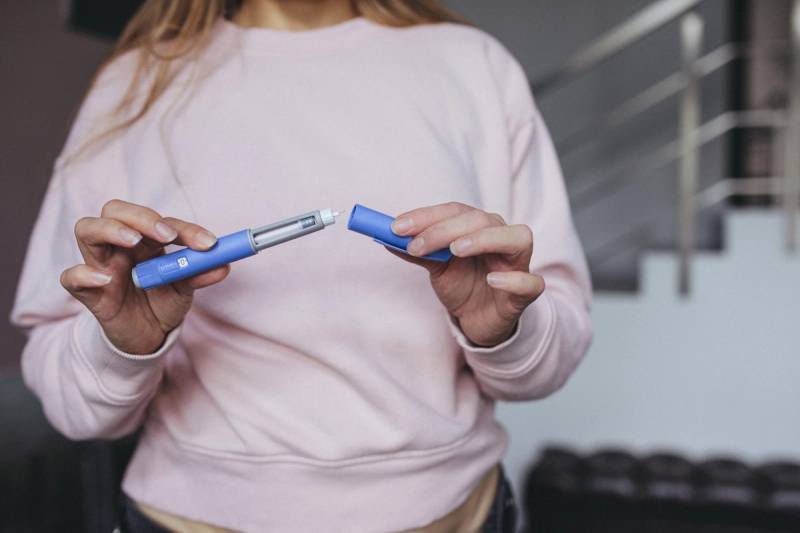
Before there was an FDA-approved GLP-1 for weight management, doctors like Dr. Kumar prescribed diabetes medications off-label, and patients resisted. “Even the smartest patients, when they saw the pen and they saw the needle, they were like, ‘That’s insulin. I don’t want to do this,’” she said.
Those who did try them kept quiet. “We would see patients that would have tremendous success, and they would tell other people that they got that way from various lifestyle intervention programs, but we obviously knew the truth,” Dr. Kumar said.
Some of her earliest success stories were young women with what is now called PMOS (formerly PCOS), whose cycles resumed and skin improved. She stressed that these patients needed close monitoring. Still, she said, “they would say things like, ‘This is the first time I feel normal.’”
The Trial That Changed Minds
What turned skeptical physicians around was heart data. Novo Nordisk’s SELECT trial of Wegovy (semaglutide) found that the medication reduced the risk of major cardiovascular events in adults with heart disease and overweight or obesity, and in 2024 the FDA added that benefit to Wegovy’s label. “The SELECT trial that showed a 20 percent reduction in heart attack, stroke and cardiovascular death actually convinced the PCPs that there was real biology here,” Dr. Kumar said.
Before that, she said, many doctors dismissed the medication as cheating, or stopped it once a patient reached a healthy weight. “And then they’d regain all the weight.”
More Ways to Take It
Today the options keep widening. Wegovy now comes as a once-weekly injection, a higher-dose Wegovy HD for patients already on treatment and a daily pill for people who would rather skip needles.
That’s one reason Dr. Kumar’s advice on sourcing is simple. “I would always say to use a branded product if you can,” she said. Compounded versions surged during shortages that have since ended, she explained, and with direct-to-consumer pricing on some branded options, some people now pay more for a compound than they would for the brand.
The Care Around the Medication
So why do compounds persist? In Dr. Kumar’s view, patients are paying for the experience. Successful GLP-1 treatment takes far more touchpoints than a typical office visit allows: “frequent visits, dietitian, exercise physiologist, behavioral support, very hands-on care.” That’s a big reason telehealth took off. “It was able to actually scale something that wasn’t scalable in a brick-and-mortar practice,” she said. “I think that the reason compounds are still around aren’t price, but rather the experience around the care they’re getting.”
Austin, TX plastic surgeon Johnny Franco, MD also attended as a guest of Novo Nordisk. He has lost 90 pounds on GLP-1 medication himself and hears what happens when that support is missing. “They said, ‘Sure.’ They sent a prescription. I never heard from them again. Every month, they just increased my dose. I told them I’m sick. They said they sent in some Zofran. Like, that was it,” he said, describing what patients tell him.
The takeaway: The best results come from the right medication paired with real follow-up.
Where Aesthetic Doctors Fit In
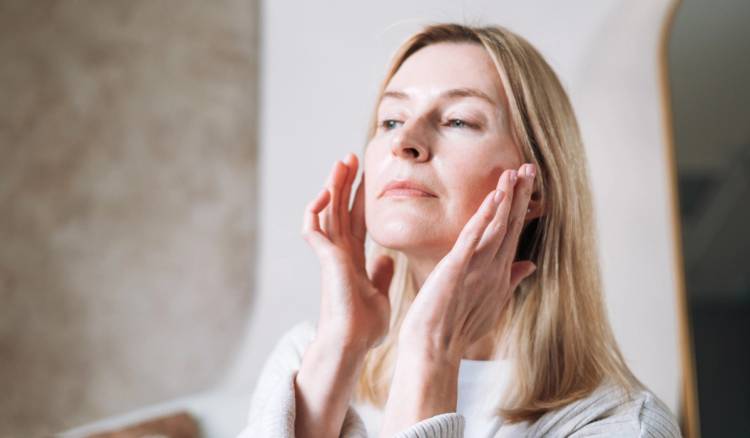
Many GLP-1 patients now find their way to aesthetic practices, and the doctors at the table were candid about what they see. New York dermatologist Amanda Doyle, MD pointed to research on facial volume during GLP-1 weight loss. “If you lose 22 pounds, you can lose up to 7 percent of your facial volume,” she said, citing a small 2025 imaging study of the midface.
Other observations are earlier-stage. “This is anecdotal, admittedly,” said Beverly Hills, CA plastic surgeon Charles Galanis, MD of patients on GLP-1s, “their skin is different.” Dermatologists also flagged hair thinning and the importance of protein and strength training to protect muscle.
Does every dermatologist and plastic surgeon need to prescribe? Dr. Kumar doesn’t think so. “I don’t think they should have to, but I think that they should have either some very close connection, collaboration or somebody in the office,” she said. Dr. Franco agreed: “If you don’t want to prescribe it, partner with somebody, but don’t just let them go.”
New York dermatologist Doris Day, MD summed it up. “This is a lifelong approach,” she said. “It’s not just to get to this point and then you’ll stop.”
A New Kind of Destiny
Like any prescription medication, GLP-1s carry side effects, most often gastrointestinal, and they aren’t right for everyone, so the decision belongs with a qualified provider. But for Dr. Kumar, the bigger story is how much these medicines have changed what’s possible. “There was a time when your biology or your genetics was your destiny,” she said. Her hope is that idea becomes history.