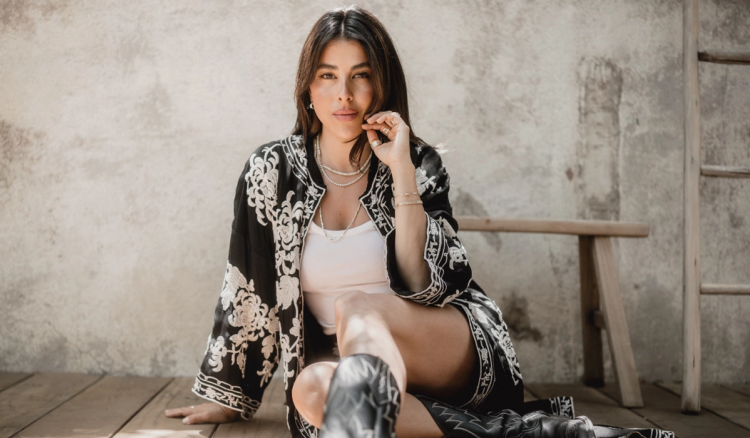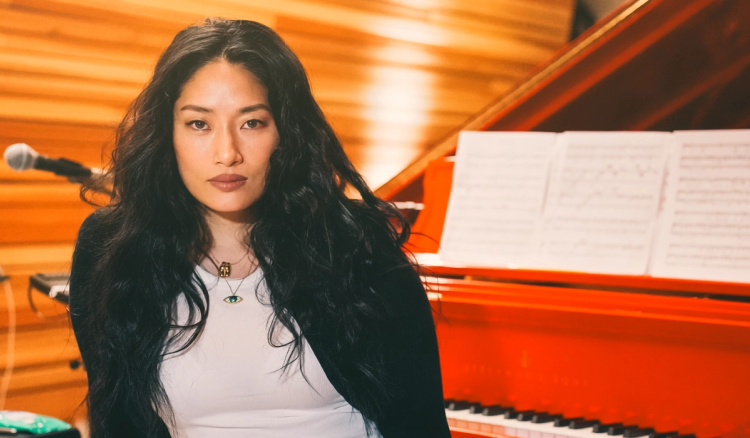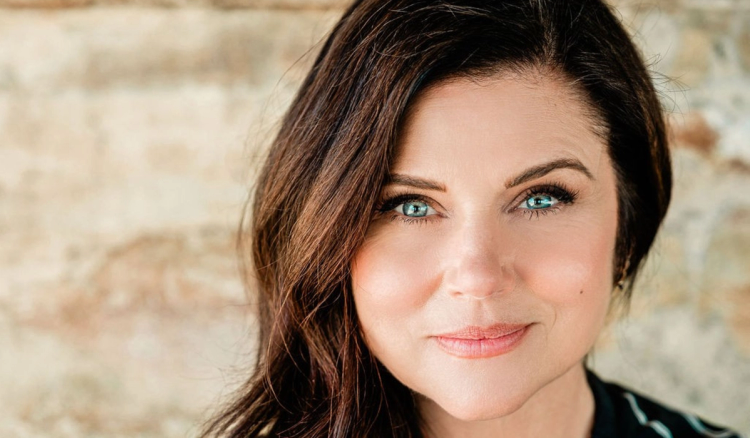
What arrives as a handful of unrelated complaints is usually one hormonal shift with several addresses. Davie, FL dermatologist Lesley Clark-Loeser, MD explains what’s underneath it: Declining estrogen affects collagen production, elastin organization, hyaluronic acid content, barrier function, wound healing and the fibroblasts responsible for maintaining healthy skin. “The result is not simply ‘aging,’ but a distinct shift in the biology of skin that requires a different treatment approach,” she says.
The losses also arrive fast. Dr. Day puts it at 30–50% of collagen in the first five years after menopause, then roughly 2% a year after that. Published figures land in the same range. Reviews of estrogen-deficient skin put dermal collagen loss at up to 30% in the first five years after menopause and about 2.1% a year after that, with skin thickness falling roughly 1.1% annually.
Women Are Getting Ahead of It
“Women today are seeking consultation earlier, often during perimenopause rather than waiting until changes become advanced,” Dr. Clark-Loeser says. “There is much greater appreciation that maintaining healthy skin is often easier than trying to reverse years of accumulated change.”
The numbers track with what she sees. In NewBeauty’s State of Aesthetics Summer 2026 report, 34.1% of women said their 40s are when aesthetic priorities feel most urgent, and another 28.8% named their 50s. Nearly two thirds are pointing at the decades perimenopause and menopause arrive in. From there the interest gets specific: 70.8% want topical skin care formulated for menopausal skin and 76.6% are open to energy-based treatments like lasers and radio-frequency microneedling. Only 7.2% said they want to age without any aesthetic help at all.
Their goals have changed too. “They’re asking about skin thinning, crepey texture, changes in pigmentation, slower healing, facial volume loss, and hair thinning,” Dr. Clark-Loeser says, and they want plans “that support long-term skin health rather than relying on a single procedure.”
Dr. Day sees a second shift, this one on her side of the table. “We’re now often the key in putting that puzzle together,” she says. That means asking about sleep, mood, memory and joint changes, and recognizing when what shows up in the skin may be part of a larger hormonal picture.
Hair Is Part of the Same Story
Ask a woman in this stage what bothers her and hair surfaces fast. “They feel their hair thinning, and that’s another big issue,” Dr. Day says. Some are dealing with telogen effluvium set off by hormonal fluctuation. Others see steady thinning with no shedding event to point to.
It’s the same shift on different tissue. “Estrogen receptors are present throughout the skin and hair follicle, so hormonal changes influence multiple tissues simultaneously,” Dr. Clark-Loeser says. “Hair may also become finer and less dense.” Which is why hair is increasingly folded into the plan rather than handed off. “Similar regenerative approaches are increasingly being used to support hair density in appropriately selected patients,” she says.
The Plan Got Multilayered
If menopause is changing several tissues at once, no single product answers it. Dr. Day does a full assessment, then builds a plan for the year. “It’s always multi-layered because what’s happening is multi-layered,” she says. Skin care, devices, lasers and injectables, prioritized against the patient’s health, motivation and budget. Dr. Clark-Loeser works the same way. “Rather than thinking about one treatment replacing another, I think about how they work together,” she says.
That broader thinking is beginning to extend beyond individual practices, too. Revance, for example, works across aesthetics and regenerative medicine, two areas that increasingly intersect as providers think more holistically about midlife changes.
Subtle Support Beats Looking ‘Filled’
For most women in this age group, the goal isn’t more volume. It’s support nobody can identify. Dr. Day reaches for hyaluronic acid filler more than anything else in her practice, particularly around the mouth. That’s the area she says drives women the most crazy: fine vertical lines on the upper lip, in women who never smoked.
She delivers it with a cannula and doesn’t chase individual lines. For these patients, she says her product selection and technique are centered on support rather than obvious volume. “It doesn’t add bulk or weight. It adds support.” The same thinking applies in the lips, where she’s after hydration rather than size. “This age group really doesn’t want big lips. They just want hydrated lips, pretty lips, and they want the support around their mouth.” She treats the whole perioral region as one aesthetic unit rather than a set of lines.
GLP-1s Add Another Layer
“GLP-1 medications have added an important new consideration because many women are now experiencing two biologic transitions simultaneously: menopause and weight loss,” Dr. Clark-Loeser says.
The two compound each other. “Weight reduction offers tremendous health benefits, but significant or rapid loss of facial fat can accelerate visible volume depletion, making menopausal changes appear more pronounced,” she says. “At the same time, the underlying hormonal changes associated with menopause continue to affect collagen, skin thickness, hydration, and elasticity.”
Her answer isn’t to lose less weight. It’s to stop treating the two transitions as separate problems. “As physicians, we need to evaluate the whole patient rather than treating each issue independently,” she says. “The goal is not to reverse healthy weight loss, but to help patients maintain skin quality, facial balance, and overall vitality while they improve their health.”
The Hormone Conversation Belongs in the Room
Here’s the newest part of the expectation: women want the hormone conversation to be part of the aesthetic conversation.
Dr. Day’s proactive plan starts before any treatment. “One is to recognize it. So, I help people recognize it. That’s the first step,” she says. The second is finding the right prescriber, “GYNs or functional medicine doctors who are comfortable with and know how to prescribe menopause hormone therapy, because the earlier you start, the better.”
She refers this out constantly and gains nothing from it. “I think women are being served so poorly,” she says. “There’s nothing in it for me. I’m just helping them understand. But every single time they come back and say thank you, like they go out of their way to come back to say it changed my life.”
What Women Should Expect Now
Perhaps the biggest change isn’t a procedure at all. “Menopause is not the beginning of decline,” Dr. Clark-Loeser says. “Perimenopause and menopause are the beginning of a new chapter that deserves a personalized strategy.”
That strategy starts with skin health, then gets individualized around each woman’s anatomy, goals, lifestyle, hormonal status and rate of change. “Rather than chasing every new concern as it appears, I encourage patients to think about maintaining healthy tissue over time.”
“Ultimately, the goal isn’t to look younger than your age. It’s to look healthy, vibrant, and authentically like yourself throughout every stage of life…and maybe that means looking younger than your chronological age too!”
The Part That Hasn’t Caught Up
All of that assumes the provider on the other side of the consultation knows what to look for, and that is where the field is behind. Dr. Day is blunt about it. “We’re really good at the treatments we’re doing, but we’re masking perimenopause instead of fully addressing it,” she says.
A woman arriving in perimenopause now expects her provider to connect skin, hair, hormones and, increasingly, GLP-1-related change, and to understand how those pieces fit together. Recognizing that pattern is not yet standard across aesthetic medicine. Closing that gap will require a broader approach to the patient, one that considers what may be driving the changes rather than treating each concern in isolation.