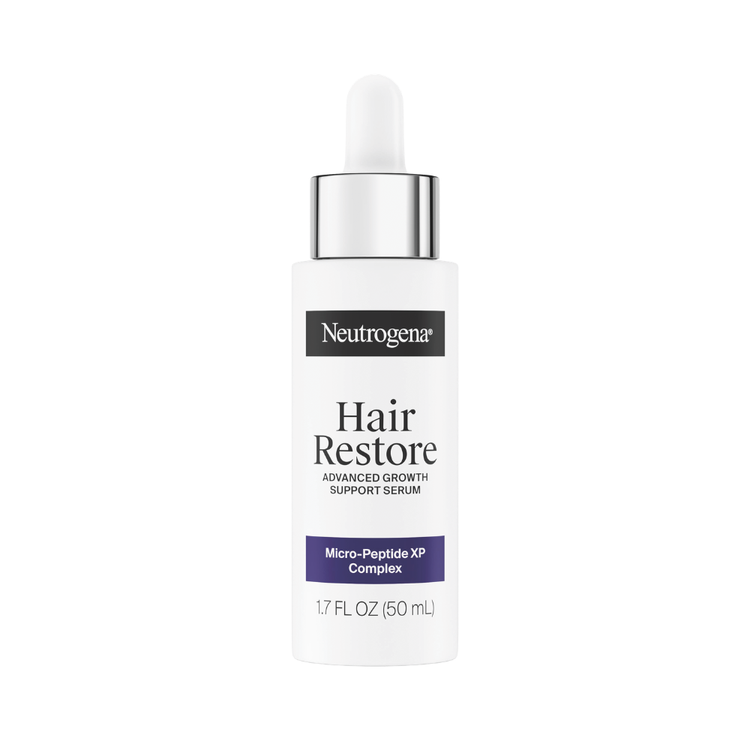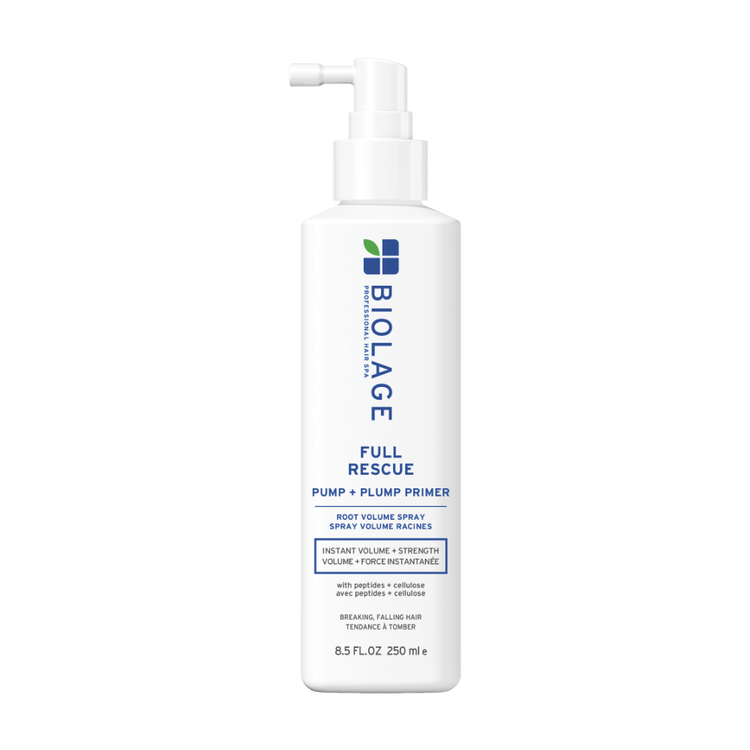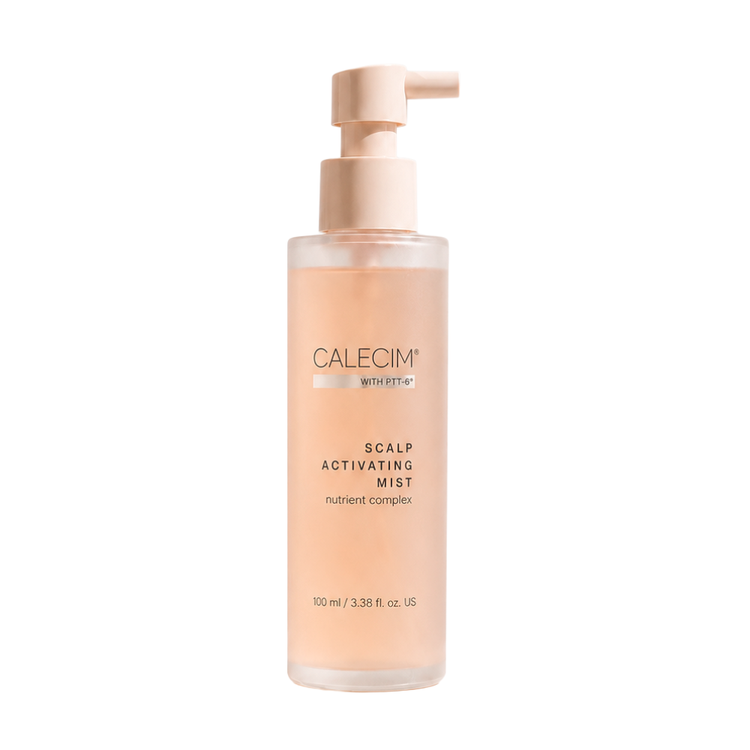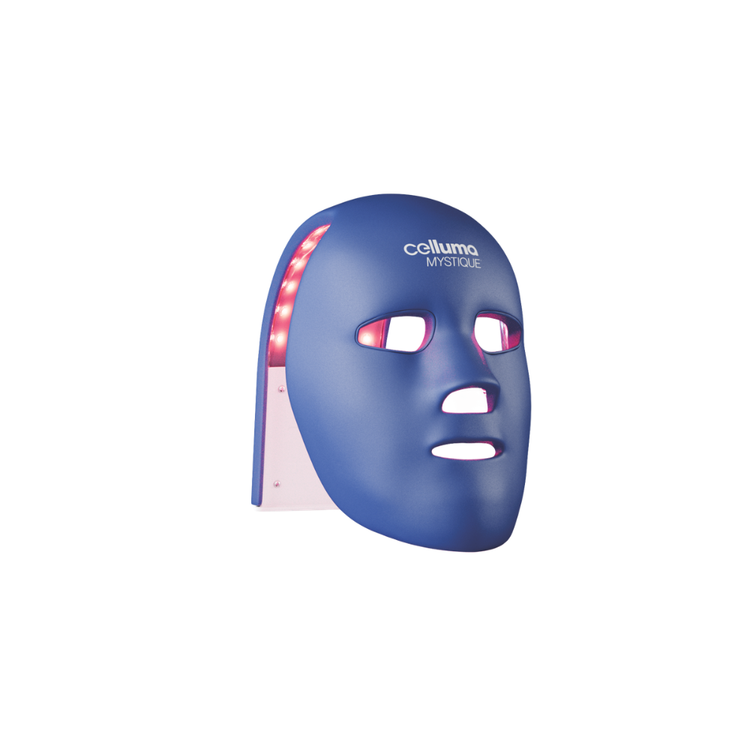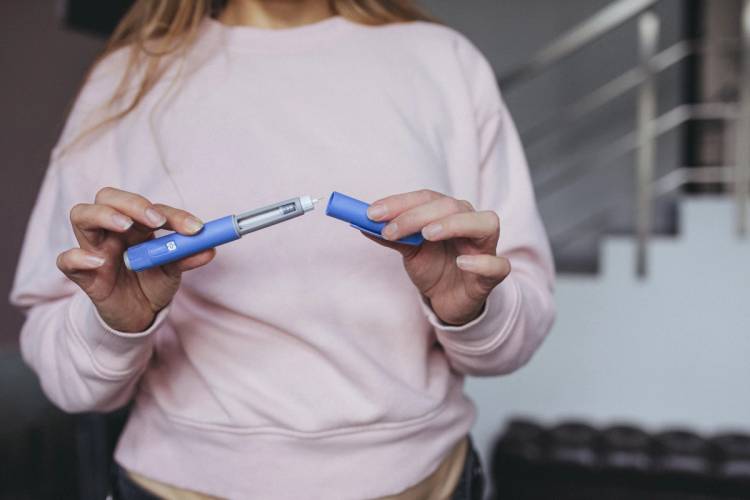

If you or someone you love is on a GLP-1, chances are you’ve noticed hair changes along with everything else—and so has your stylist. According to Gallup, 11 percent of Americans are currently on some form of the medication, up from just 3 percent two years ago. Hair is just one area that takes a hit, and stylists are seeing more and more long-term effects in their clients’ strands.
Featured Experts
- Kadi Lee, celebrity hair colorist and cofounder of Highbrow Hippie
- Paul Labrecque, master colorist and stylist at Paul Labrecque Salon and Skincare Spa
- Shawn Butner, master colorist at Anushka Spa and Salon
- Emily DeNard, certified trichologist and founder of Emunah Beauty
“I’m hearing about it constantly right now,” says celebrity hair colorist Kadi Lee of Highbrow Hippie. “It’s such a new topic and we’re still early on the long-term data, but it’s hard to ignore what I’m seeing in the chair, and the concern being raised by my clients.”
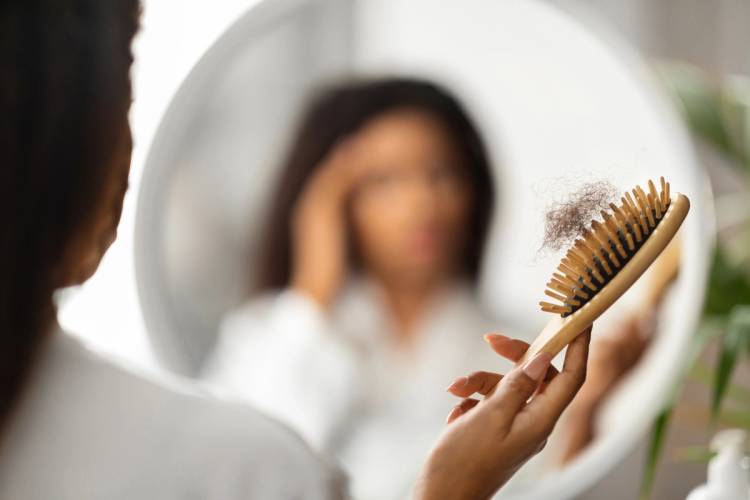
Master colorist and stylist Paul Labrecque of Paul Labrecque Salon and Skincare Spa says it’s an expected side effect at this point, one that he talks about often with clients. “Any significant weight loss creates a loss of hair, whether it is from bariatric surgery or GLP-1s,” he explains. When that happens, hair goes into what he calls a shock phase, and it thins, fast.
Master colorist Shawn Butner of Anushka Spa and Salon sees the same pattern from a different angle. “We really see it impact the hair density and quality,” he says, often noticing before clients say a word. “It’s not the same as before they went on the drug.”
A Delayed Reaction
None of these changes show up on schedule. “GLP-1 medications shift appetite significantly, and that shift can lead to nutrient gaps,” Lee says. Nutrition, she says, has a direct impact on hair health, and clients on these medications are noticing changes. “Hair operates on a delay, so changes happening now reflect what was happening in the body a few months ago,” Lee adds. “Recovery works the same way. It takes time to show up.”
What stylists are describing has a clinical name: telogen effluvium. Certified trichologist Emily DeNard, founder of Emunah Beauty, says that rapid weight loss can register as physical stress, pushing more hairs than usual into the resting, or telogen, phase. Once there, “that hair must complete the shedding process before the follicle can cycle back into the anagen growth phase,” she explains. That’s why shedding can continue even after weight stabilizes or nutrient deficiencies are corrected.
Ignore the gap long enough and it compounds. “If deficiencies go unattended, I see slower regrowth and more texture changes,” Lee says. “Hair tends to come in finer and drier than before.” Labrecque sees the reverse just as often. “Once the loss is sustained in weight and you get back to a well-rounded diet, hair fallout will stop. Hair usually grows back as the body readjusts.”
The scalp tends to speak up first. “Dryness is the biggest indicator,” Lee notes. “When nutrient intake drops, the scalp loses blood flow and moisture and feels tight, flaky or irritated. I’m also seeing more scalp sensitivity. Scalps that used to tolerate certain products or treatments without issue are reacting more than before.” Her rule for this stretch is simple: less, not more. Clean, hydrated, calm, and no extra product or processing.
The Basic Rules
While hair loss science might not have caught up yet, salon service already has. Butner recommends his clients take “a full-spectrum protein supplement, not just a collagen one.” Lee also stresses getting enough protein, healthy fats, iron and vitamins A, C, D and E, preferably before hair changes begin. “It’s also important for GLP-1 users to collaborate with a trusted doctor to ensure all their medical needs are met,” she adds.
When it comes to styling, Butner says heat protectant isn’t optional anymore, and recommends weekly deep conditioning. Lee’s instinct runs the same direction: Back off the heat, back off the processing. “When the hair is damaged, it needs more TLC, not more processing or heavy heat-styling.”
DeNard says temporary telogen effluvium should begin resolving once the primary trigger has been addressed, generally within nine months. “If it does not, that is an important sign that another underlying cause may be contributing to the hair loss,” she explains. “It’s important to properly evaluate and rule out every possible contributing factor instead of assuming the shedding is simply taking longer than expected.”
Fake It for Now
While hair recovers, temporary fixes can help fill in the gaps without adding stress. “Nothing can attach to the hair when it is in a fallout state,” Labrecque says. When strands are too thin and clients need a quick fix, his workaround is a topper that attaches with a flexible, jewelry-string headband, built to put zero stress on compromised strands.
Lee treats it case by case. “In general, I steer clients away from adding anything that will create more tension on the hair and scalp, especially if it’s already fragile or shedding,” she says. Fibers ask the least of the hair, in her experience. “They build density in the moment and wash right out. The goal is always to get the hair and scalp healthy enough that cosmetic or topical additives aren’t necessary. These are not a long-term solution, but rather temporary Band-Aids that mask the underlying problem.”
Wait Out the Cycle
When it comes to regrowth, patience is part of the process. “Be gentle with yourself. This is a temporary response to a big change, not a permanent one,” Lee says. “Hair is usually the last place the body sends resources, so if you’re seeing changes there, be proactive rather than reactive.” Results won’t show up for two to three months either way, she adds. It just asks for a head start.
Shop This Story