Collagen is a hot topic, whether in the form of supplementation and skin care or rebuilding collagen through various in-office lasers, radiofrequency, microneedling and ultrasound treatments. Collagen is what keeps the skin looking youthful and plump, but sadly, it declines steadily as we age, reaching a “collagen cliff” around women’s menopausal years. Ahead, we break down what the collagen cliff is and what you can do to stay ahead of it.
Featured experts
- Dr. Shereen Teymour and Dori Day, MD are board-certified dermatologists in New York
What is the collagen cliff?
“The collagen cliff is a popular term used to describe the noticeable acceleration in collagen loss that occurs with aging, particularly around menopause in women,” explains New York dermatologist Dr. Shereen Teymour. It is not a formally recognized medical diagnosis or a single biological event; rather, “it’s a way of describing the cumulative effects of intrinsic aging, hormonal changes and environmental damage reaching a tipping point where changes become much more noticeable,” she adds.
Collagen production begins to decline as early as our 20s; however, it’s common for women to “lose up to 30 percent of their collagen in the first five years of menopause, and then about two percent per year after that,” says New York dermatologist Doris Day, MD. Around this time, you will begin to see rapid changes in skin firmness, elasticity and thickness. “This will usually manifest as skin laxity, fine lines, wrinkles and a loss of facial volume,” says Dr. Teymour.
Though there is no set age for when the collagen cliff occurs, Dr. Day says it depends more so on hormonal status rather than your chronological age. “The mean changes are usually around 50t to 55 years old, but can be anywhere from mid-40s to late 50s,” she says. For men, this cliff tends to be less dramatic and more gradual over time without the abrupt hormonal shifts typically seen in menopause.
Can you prevent the collagen cliff?
In short, yes, but it’s due in large part to being consistent with sun protection. ‘’While UV exposure doesn’t cause the hormonal collagen cliff itself, it significantly accelerates collagen breakdown through a process called photoaging,” says Dr. Teymour. She explains that ultraviolet radiation increases matrix metalloproteinases (MMPs), enzymes that degrade collagen, while simultaneously decreasing new collagen production by fibroblasts.
“UVA rays, which are present all day long (and are the predominant rays in tanning beds), go right through the skin to the deeper layers that contain collagen and stimulate enzymes and chemical reactions that destroy collagen,” explains Dr. Day. While any sunscreen can help, those labeled broad spectrum block both UVA and UVB rays. “The newest sunscreen filter, recently FDA approved in the US, called BEMT, will make a big difference [in prevention] because it’s photostable, broad spectrum and has an excellent safety profile, but you will still need to reapply and be sunsmart,” she says. Make sure you are wearing a hat, reapplying sunscreen every two hours, avoiding midday sun, and of course, avoiding tanning salons.
Essentially, it’s not one summer that causes damage; rather, it's decades of cumulative, unprotected UV exposure that can make some reach their collagen cliff much faster.
The collagen cliff can be avoided, and it starts with preserving the collagen you have while supporting your body’s ability to produce new collagen over time. “Daily broad-spectrum SPF 30 or higher is the single most important step, and UV exposure is the leading external cause of collagen breakdown,” explains Dr. Teymour.
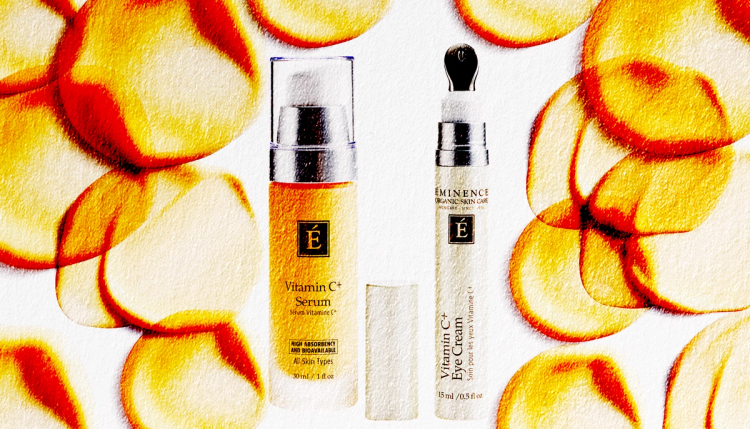
Aside from wearing sunscreen, using at-home products like retinol, which is one of the most well-studied ingredients for stimulating collagen production and improving signs of photoaging. Products such as Re-Q, can help collagen-producing cells recover so they can more efficiently produce collagen and elastin. Adding other ingredients, like vitamin C, in the morning helps further protect against free radical damage that often leads to collagen breakdown.
Having a healthy diet that includes collagen supplements can also help make a difference. “Resistance training has also been shown to improve collagen production in the skin. Sleep is also a critical factor since that is when repair happens in the body,” adds Dr. Day.
“For patients looking to be more proactive, collagen-stimulating procedures such as fractional lasers, radiofrequency, microneedling, ultrasound-based skin tightening and biostimulatory injectables can help preserve skin quality before significant laxity develops,” says Dr. Teymour. Dr. Day also recommends menopause hormone therapy options starting in perimenopause and seeing a dermatologist to help come up with a plan that is right for you.
What reactionary measures can you take to reverse the collagen cliff?
“Once collagen has already been lost, topical skin care alone has limitations, making in-office procedures an important part of treatment,” says Dr. Teymour. Depending on the patient’s age, degree of laxity and goals, Dr. Teymour typically recommends collagen-stimulating treatments such as fractional laser resurfacing, radiofrequency microneedling, non-invasive skin tightening and biostimulatory injectables. If collagen loss is accompanied by facial volume loss, hyaluronic acid fillers can help restore structural support and immediately add volume to the face.
As for supplements, Dr. Day recommends those that contain polypodium leucotomos extract (PLE), vitamin D with K2, hydrolyzed collagen peptides, vitamin C, creatine and magnesium glycinate. “While they shouldn’t replace proven skin care or in-office treatments, they can be a helpful adjunct as part of a comprehensive approach to maintaining healthy skin,” says Dr. Teymour.
Overall, the best strategy to beat the collagen cliff isn’t waiting until you notice significant sagging; rather, it’s protecting and stimulating collagen throughout adulthood. “Small, consistent habits like daily sunscreen, retinoid use and appropriately timed collagen-stimulating treatments often produce better long-term outcomes than trying to reverse years of accumulated collagen loss later on,” Dr. Teymour says.