Menopause can feel like a lot is coming at you at once: sleepless nights, weight changes, shifting skin and a libido that suddenly has other plans. The good news? We know more about these changes and how to manage them than ever before.
PROBLEM: I’m having hot flashes around the clock. What can I do?
SOLUTION: Hot flashes are tied to changes in the brain’s temperature-control system, and treatments have evolved. Estrogen remains one of the most effective options, while newer nonhormonal prescriptions Veozah and Lynkuet work by blocking neurokinin signals in the brain that help trigger hot flashes. New York OB-GYN Molly McBride, MD says, “These are excellent options for women who are not candidates for estrogen.” Princeton, NJ OB-GYN Maria Sophocles, MD also recommends off-label SSRIs and oxybutynin, a bladder medication that reduces sweating, plus dietary supplements like Equelle and Thermella.
PROBLEM: My eyes are always dry and blurry. Is that menopause too?
SOLUTION: Hormonal changes can affect the eyes, too. “Sex hormone receptors are found throughout key ocular tissues involved in maintaining a healthy tear film,” says Shrewsbury, NJ optometrist Dr. Neda Gioia. As hormone levels fluctuate, that tear film can become less stable, leading to dryness, irritation or blurry vision. To support the tear film, she suggests eating fatty fish and leafy greens, reducing screen time and using a humidifier. She also recommends supplements, including Blink NutriTears ($30), which contain “lutein, zeaxanthin, curcumin and vitamin D3.”
PROBLEM: My sex drive is gone. Is there anything for that?
SOLUTION: Sex drive during perimenopause and menopause “is complex in nature for women,” says Dr. McBride. Testosterone, prescribed off-label, can help with libido, mood and energy, she says. There’s also Addyi, “the only approved pill on the market for women to treat hypoactive sexual desire disorder,” she adds. “And it has now been FDA-approved for postmenopausal women.”
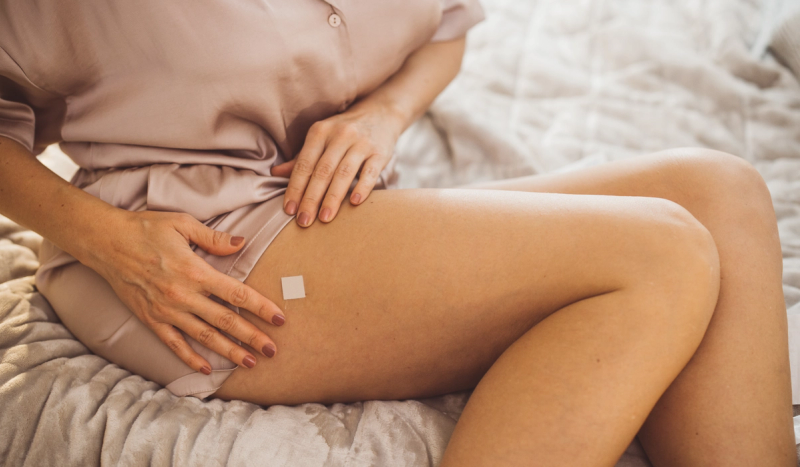
PROBLEM: I can’t find my estrogen patch. Do I have to stop HRT?
SOLUTION: Because the FDA removed boxed warnings from many hormone therapy products last year, interest in hormone replacement therapy (HRT) has surged, contributing to increased demand for estrogen patches. If your usual patch is out of stock, there may be no need to go without. “Many of my patients have felt pretty awful right after stopping estrogen,” says Dr. Sophocles, noting that insomnia, hot flashes, joint aches and fatigue can return. “Ask your pharmacist what is available, then talk to your doctor about a different patch strength or schedule, or estrogen gels, sprays, rings or oral formulations. The free online Estradiol Swap Tool can help compare alternatives and doses.”
PROBLEM: Why is my weight suddenly all in my middle?
SOLUTION: Your first move: Protect your muscle. “Women should increase their intake of high-quality protein to support lean muscle synthesis, and include strength training to maintain lean muscle mass,” says Jennifer Hanway, a certified holistic nutritionist. She also recommends swapping refined carbs and sugars for fiber-rich whole foods. For the appropriate patient, Dr. McBride may also suggest a GLP-1. “They help to address the cardiometabolic changes that can come with menopause.”
PROBLEM: My skin changed overnight, and now my favorite products have stopped working.
SOLUTION: As estrogen drops, skin can become drier and thinner. Miami dermatologist Anna Chacon, MD recommends “formulations that focus on barrier repair, hydration, growth-factor technologies, antioxidants, peptides and retinoids used more strategically.”
For the appropriate patient, Southlake, TX dermatologist Janine Hopkins, MD incorporates HRT or topical estradiol, alongside laser and collagen-stimulating treatments. “Estrogen helps maintain collagen, hydration, thickness and resilience.”