Last fall, data presented at The Menopause Society’s Annual Meeting shed light on a frustrating reality: Dry eye is a side effect of menopause, and it affects more women than we thought. Researchers from Argentina surveyed 3,547 women (median age 52) using the Ocular Surface Disease Index questionnaire and found that postmenopausal women (the last stage of menopause, which lasts for the rest of a woman’s life) had a higher prevalence of dry eye disease symptoms than perimenopausal women.
The lead author of the study, Buenos Aires–based gynecologist Dr. Debora Yankelevich, has argued that dry eye should be added to routine menopause screenings. Here, we take a closer look at the connection between dry eye and menopause, and how to minimize the symptoms if you’re affected.
What Is Dry Eye Disease?
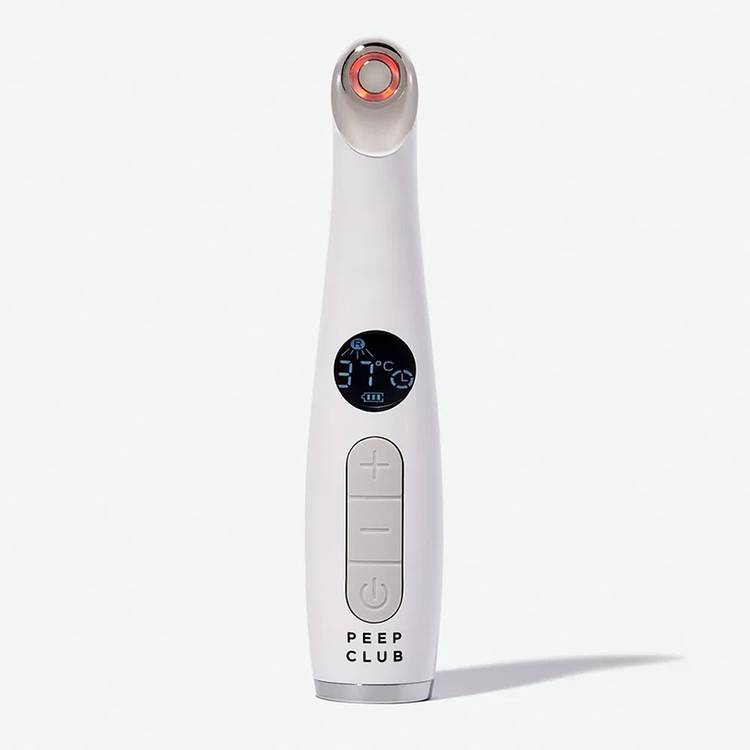
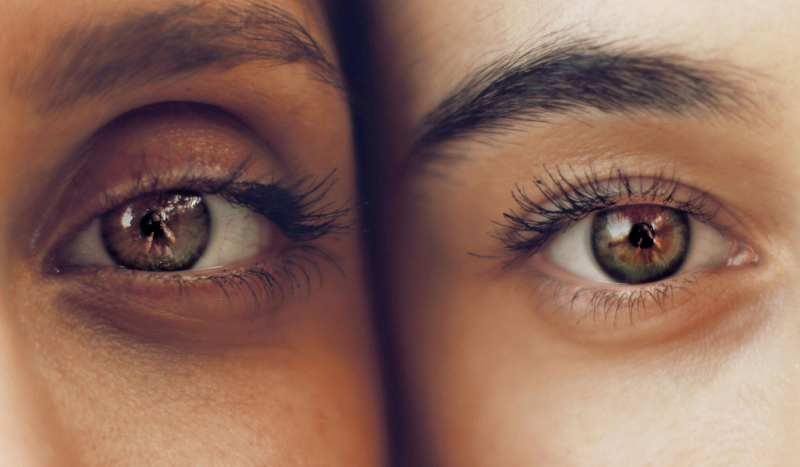
Optometrist Nicola Alexander, founder and CEO of Peep Club, tells us that dry eye disease is a relatively common diagnosis when a person’s eyes don’t provide enough tears or their tears evaporate too fast. This can create a dry, gritty or burning feeling in the eyes, as well as blurry vision, redness and inflammation.
“One of the most disruptive symptoms is watery eyes that make it look like you’re crying, which ruins makeup and leaves customers feeling like they can’t wear mascara or attend big moments—weddings, work—without carrying tissues everywhere,” Dr. Alexander says. “This is a protective mechanism known as reflex tearing: Your eye senses that it’s irritated and responds by flooding itself with watery tears. By the time dry eye disease is chronic, it genuinely affects how people show up in their lives.”
How Dry Eye Is Linked to Hormones
“Our eyes are very sensitive to hormonal shifts throughout our menstrual cycle, not just menopause,” explains Dr. Alexander. “Estrogen is protective against inflammation, and eye tissue is very prone to inflammation, so imbalances can trigger dryness. Additionally, androgen levels, which shift more dramatically in menopause, affect the lacrimal gland’s oil production directly. As such, many women also experience dry eye during pregnancy.”
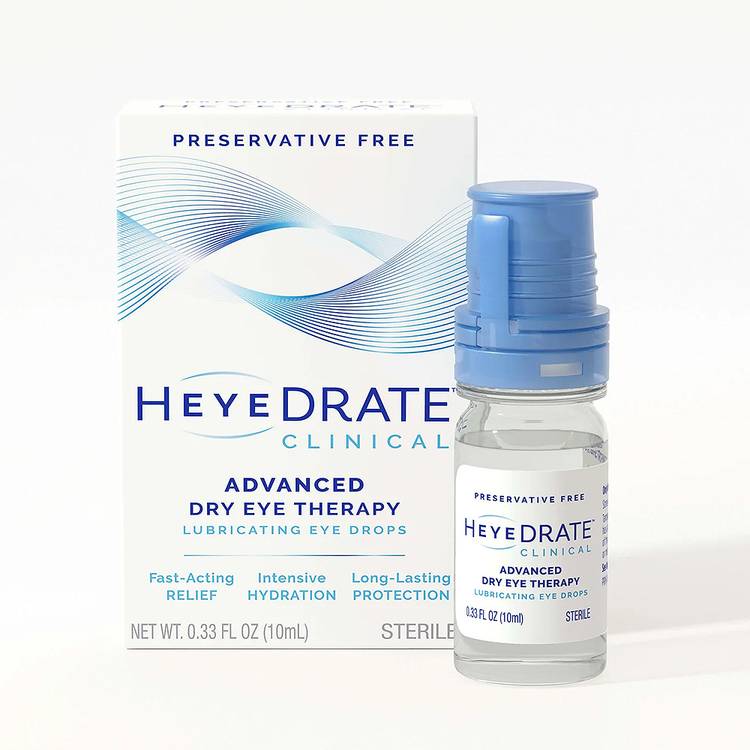
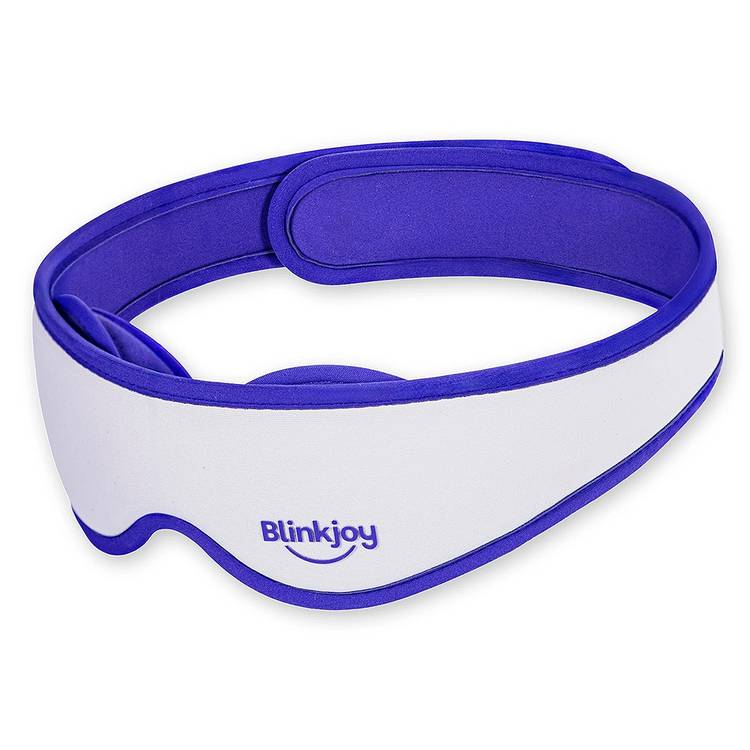
If you are in any stage of menopause and experiencing symptoms related to dry eye disease, the first step is visiting an eye doctor to confirm your diagnosis and get a treatment plan. There are certain prescription medications that can help, though the more potent ones often aren’t covered by insurance. However, there are so many great brands on the market now dedicated to combatting dry eye disease at home using a range of products, from devices to drops. Here are three we love: