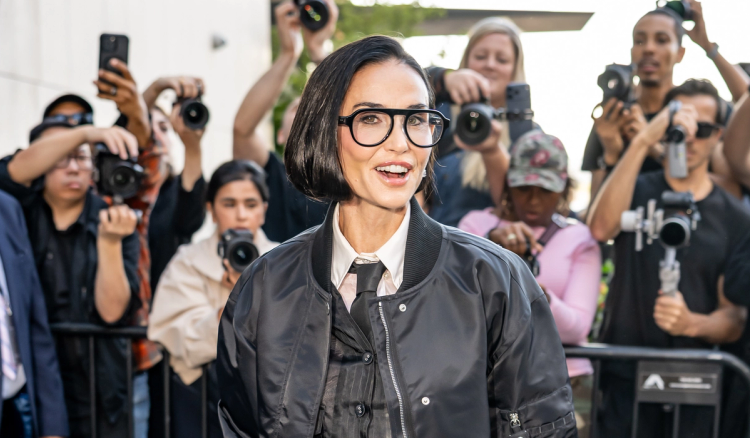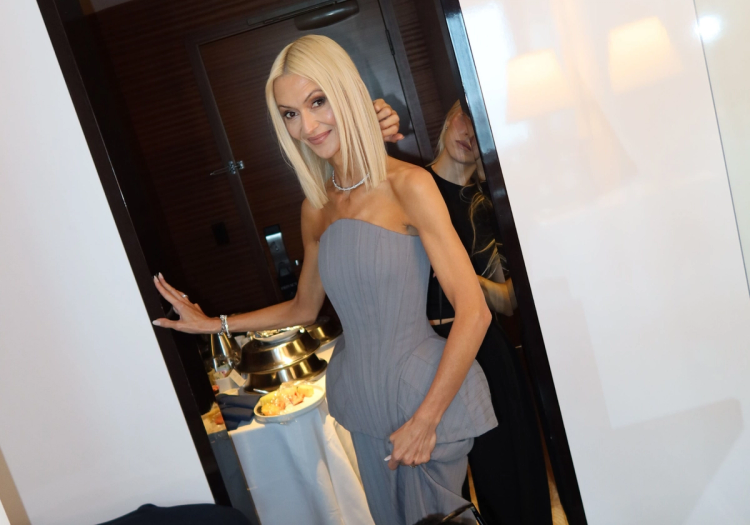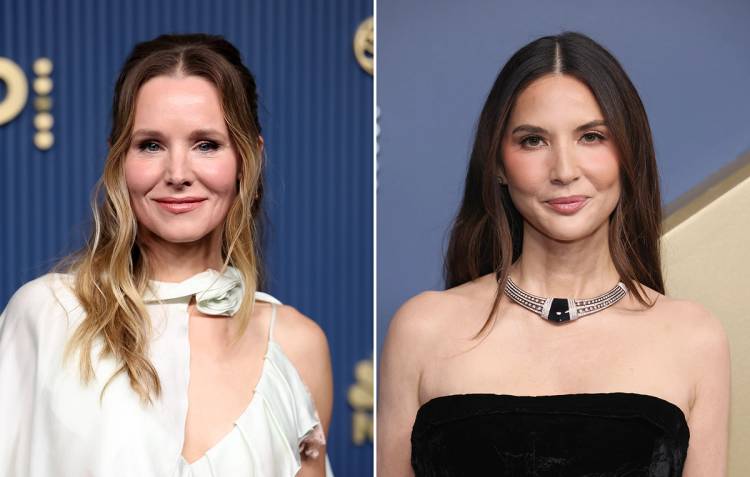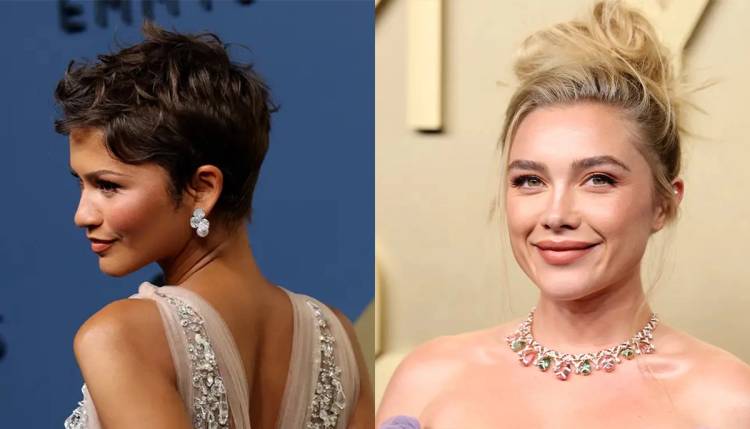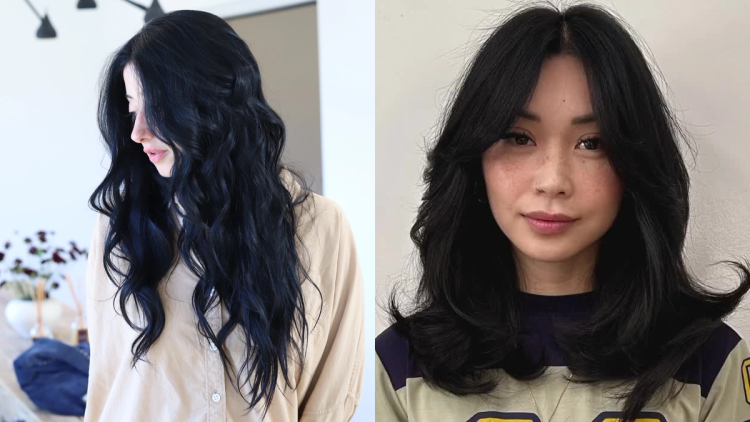
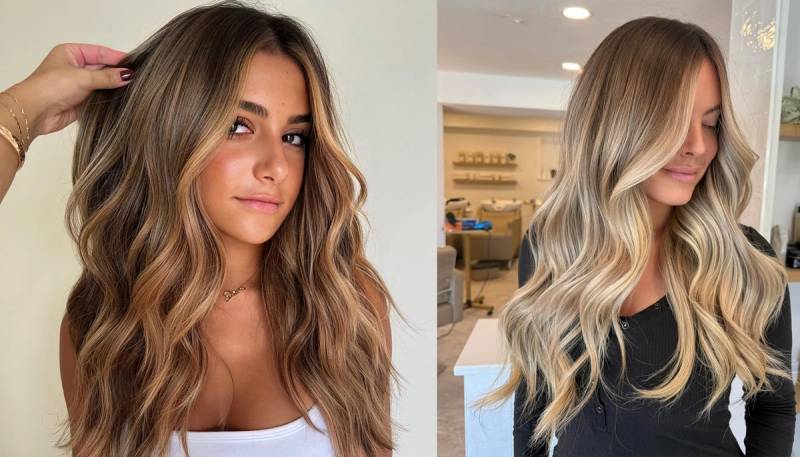
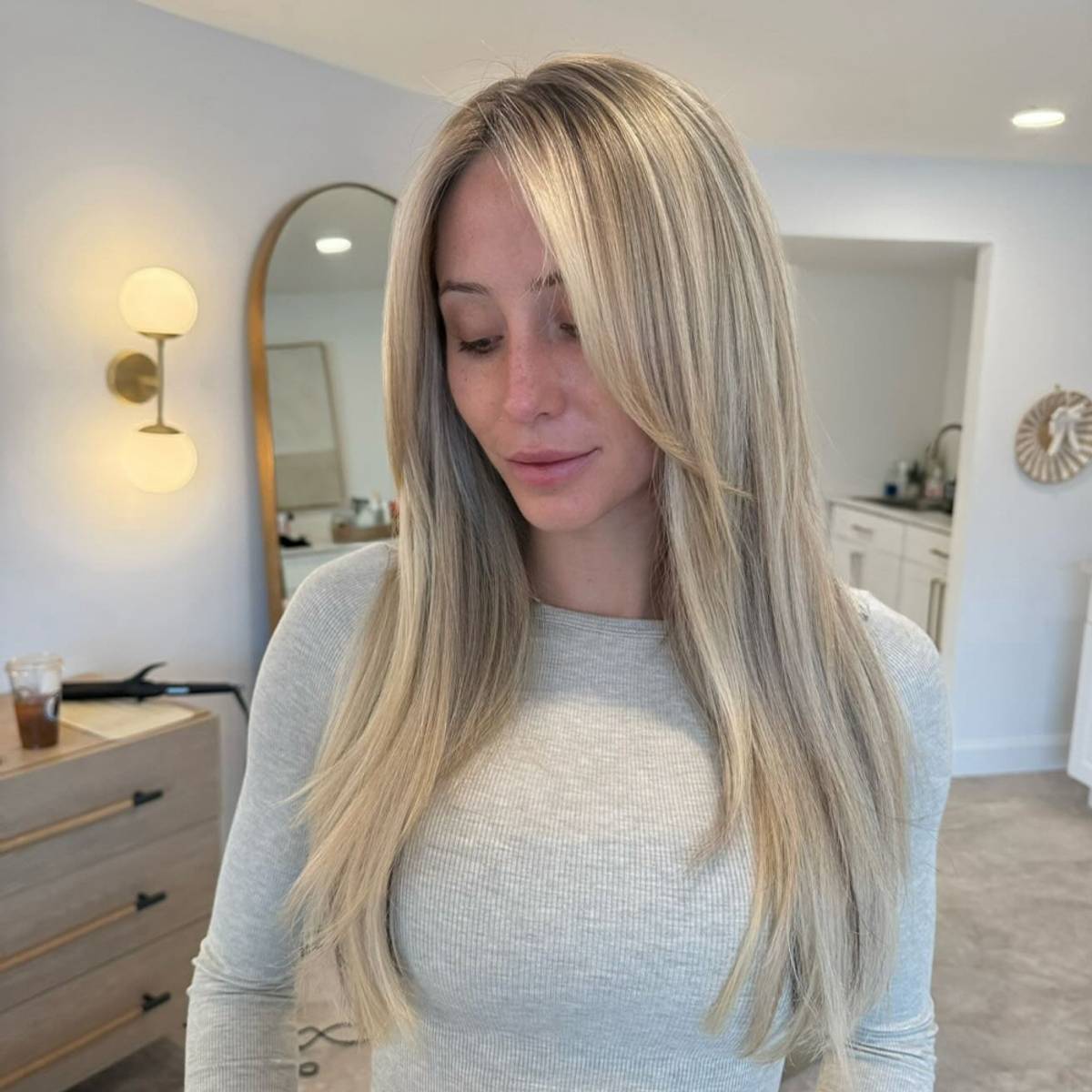
If your hair color tends to grow out too harshly, with a stark line of demarcation where your roots meet your lengths, we’d love to introduce you to root melting. This hair-color trend has been gaining traction across social media as a way to seamlessly blend the natural root into the rest of the hair, creating a soft, gradient-like transition for a more graceful grow-out. The descriptor that kept coming up in conversations with experts was “lived-in.” So if you’re seeking natural-looking, easy-to-maintain hair color, root melting may be the way to go. Here’s everything to know.
Featured Experts
- Jacob Schmidt is a senior colorist at Ollin Salon NYC by Johnny Ramirez
- Paula Pedersen is a professional colorist
What Is Root Melting?
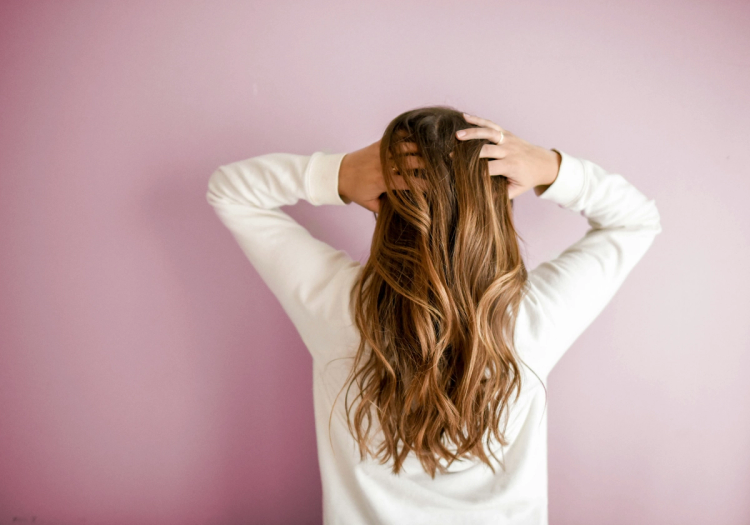
“Root melting blends a darker shade at the roots into the lighter highlighted hair to blend and eliminate harsh lines," says Jacob Schmidt, senior colorist at Ollin Salon. "This creates a seamless lived-in look." The technique is often used after lightening hair to softly diffuse the root into the rest of the hair, adds professional colorist Paula Pedersen.
Root Melting vs. Balayage: What’s the Difference?
There have been a lot of comparisons between root melting and balayage, but ultimately, these are approaches that can work together. “Balayage is the lightening technique itself—how we paint brightness into the hair,” Pedersen explains.
Root melting, on the other hand, “is more of a finishing step,” she continues. “It’s what softens everything at the root, adds depth and makes the overall color look more natural and low-maintenance as it grows out.”
Like all hair changes, Schmidt recommends consulting with your colorist to determine which technique is best for achieving the look you want.