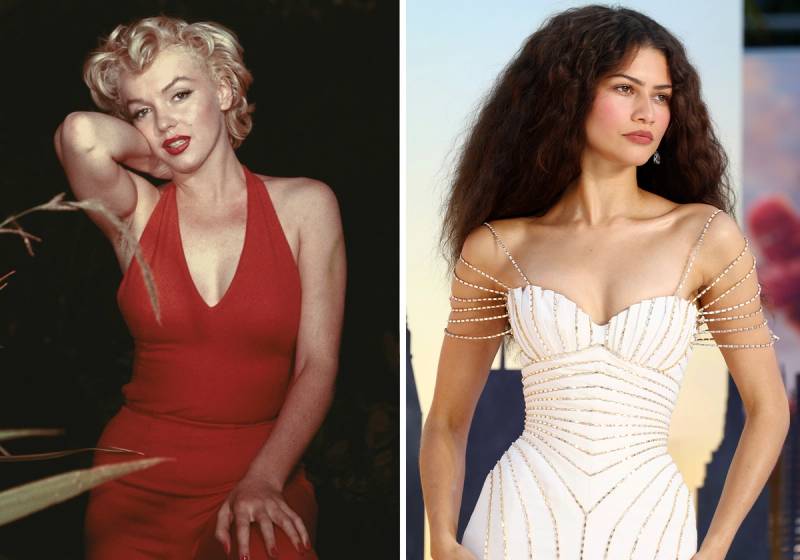
For most of the last century, the “ideal” breast was defined by whatever silhouette was in fashion—flattened in the 1920s, voluptuous in Marilyn Monroe’s 1950s, athletic and understated in the 1990s. The standard never held still for long.
It’s still moving. Plastic surgeons report that today’s patients are less interested in a specific size than in a specific fit—breasts that look proportional to their own frame rather than to a prevailing trend. It’s a meaningful departure from the decades when the goal was a recognizable look you could point to.
Every generation is certain its version is the natural one. Here’s how the ideal actually shifted, decade by decade, and the women who came to define each one.
1 / 14
1920s-1930s
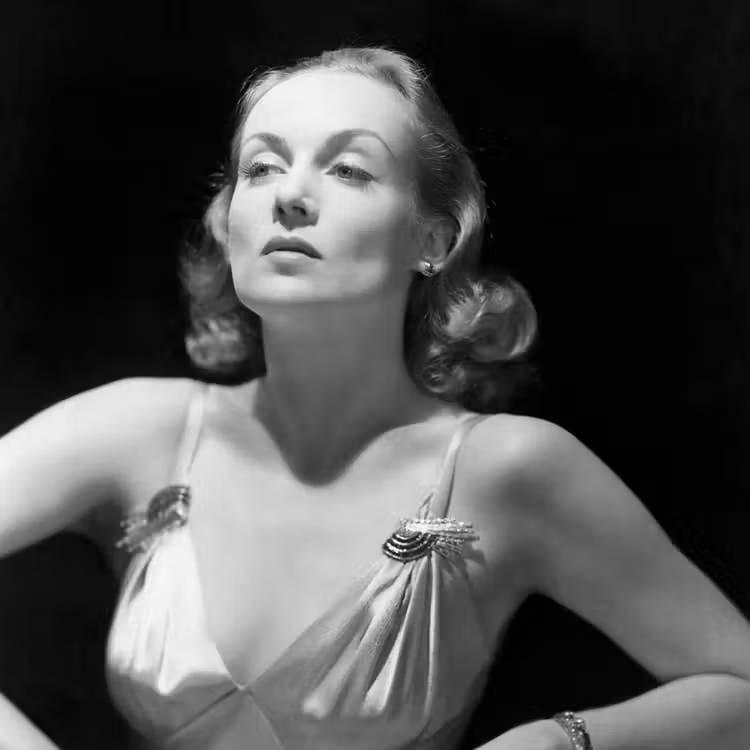
The flapper era flattened the chest on purpose. Bandeau bras and drop-waist silhouettes erased curves entirely. By the ’30s, bias-cut gowns softened the line back toward the body’s natural shape.
Getty Images
2 / 14
1950s
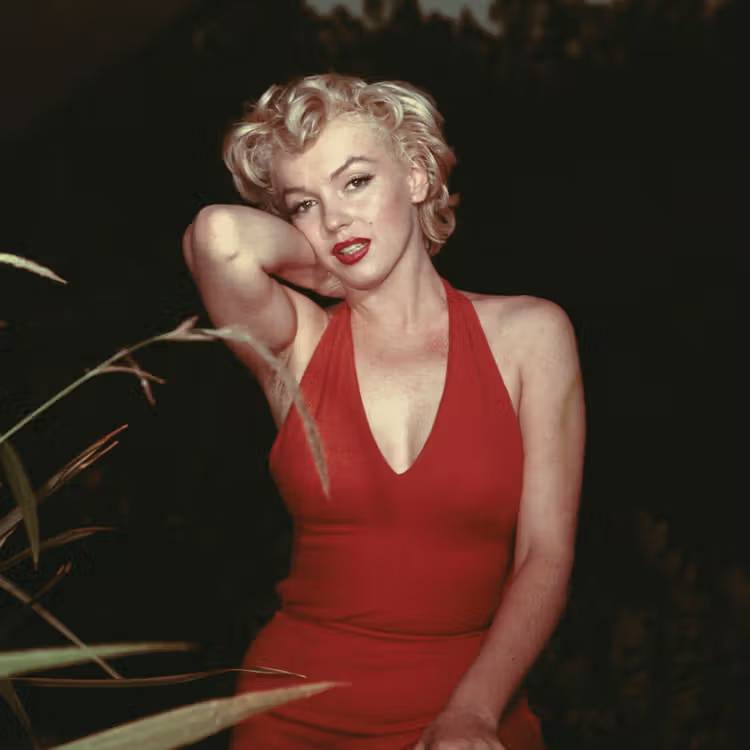
Marilyn Monroe made curves the standard. The bullet bra pushed that pointed silhouette to its extreme, and glamour became inseparable from a full bust.
Getty Images
3 / 14
1960s
Breasts were full, but with more forward projection, as seen here on a young Raquel Welch.
4 / 14
1970s
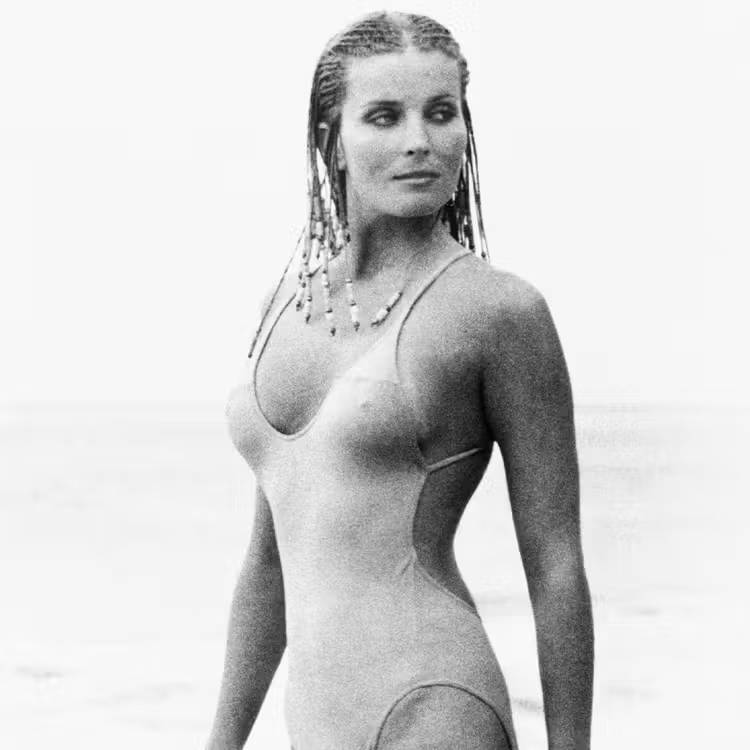
The counterculture put the bra down. Natural shape—including breasts that sat lower—became not just acceptable, but the point.
Getty Images
5 / 14
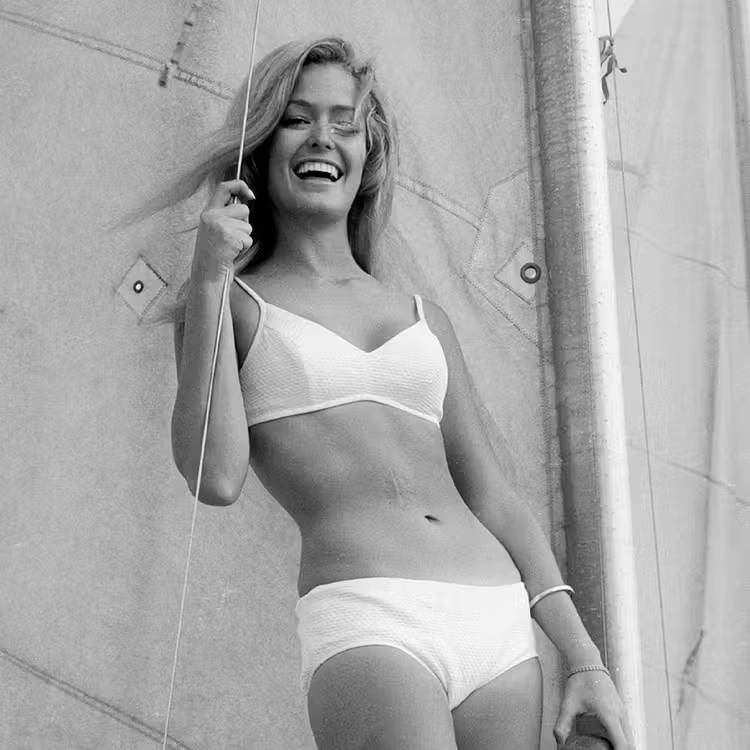
1975
By mid-decade, the look turned playful and undone. Bikini tops worn loose, hair wind-blown, the emphasis less on going bra-free and more on looking like you hadn’t tried.
Getty Images
6 / 14
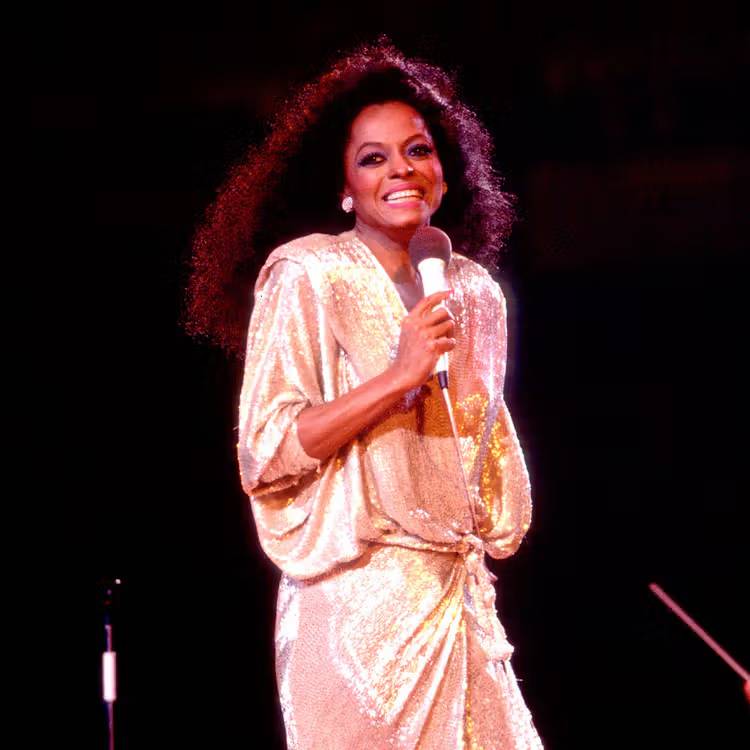
1980s
The ’80s weren’t just about big hair. As breast augmentation grew in popularity, silicone implants became the material of choice.
Getty Images
7 / 14
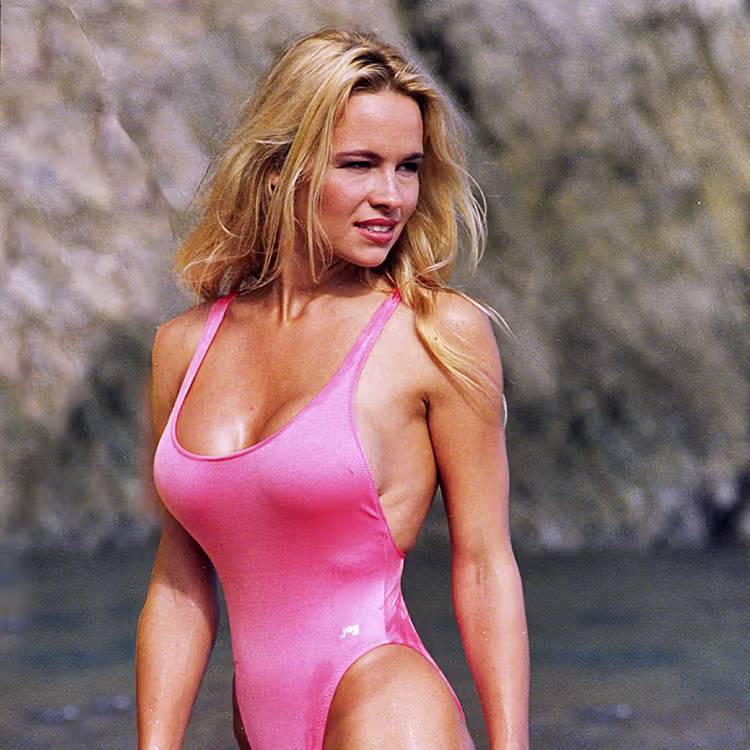
1990s
Baywatch set the standard: big, round, firm and unmistakably surgical. It’s still the silhouette many people picture when they think of breast implants.
Getty Images
8 / 14
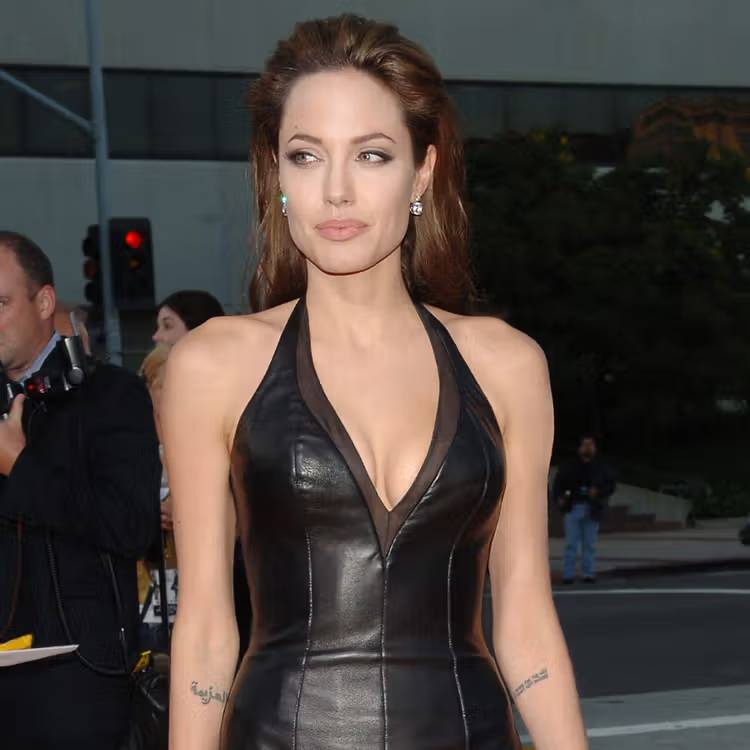
2000
The new century pulled back. Full, but natural-looking, became the goal—the first real move away from the obviously enhanced look.
Getty Images
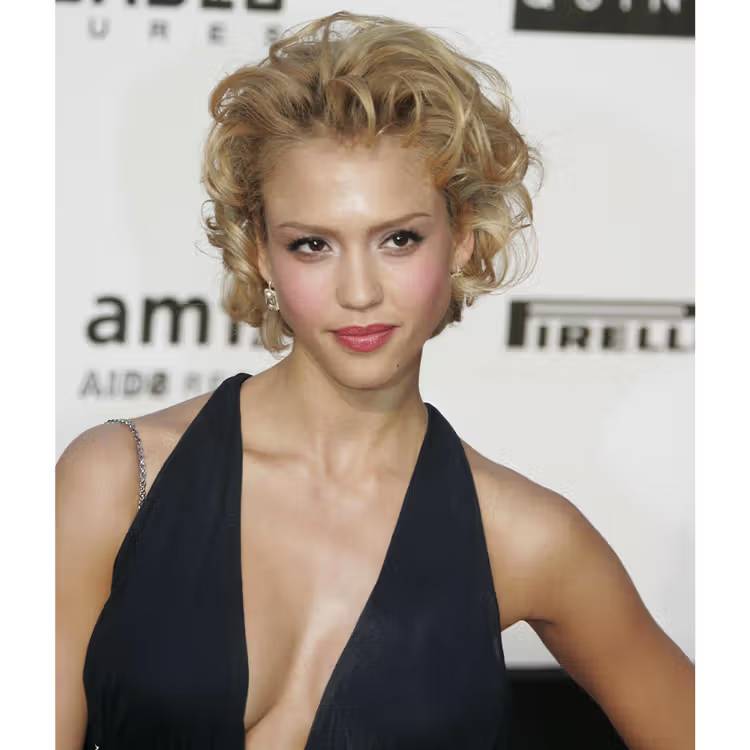
9 / 14
2005
As the millennium progressed, proportion and balance remained the desirable look, with the trend continuing to move away from the Playmate aesthetic.
Getty Images
10 / 14
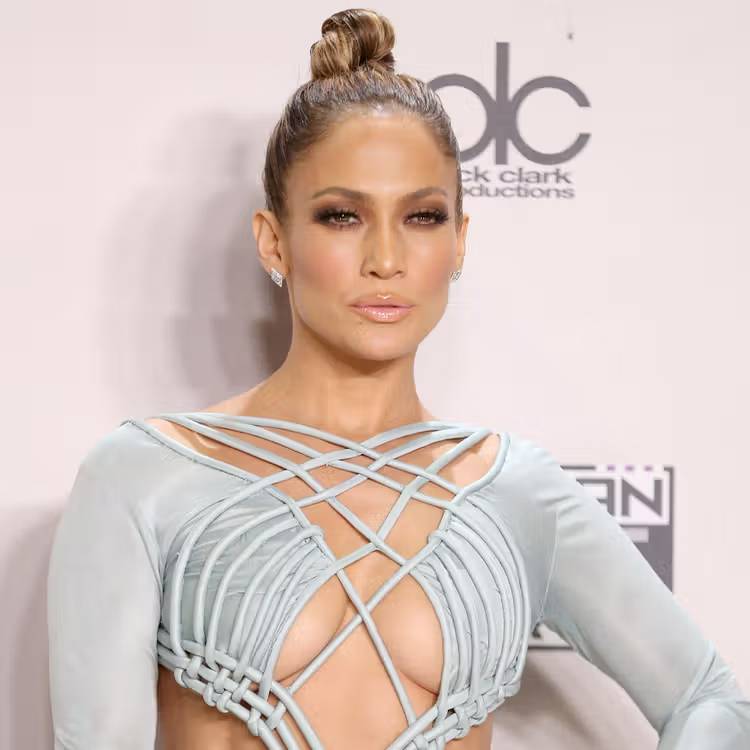
2015
Cleavage came back, but only if it read as real. Both round-and-full and natural-and-full worked—the requirement was that it not look bought.
Getty Images
11 / 14
2020
Mid- to low-profile fullness became the reference point. The goal was volume that looked native to the body, not added to it.

Getty Images
12 / 14
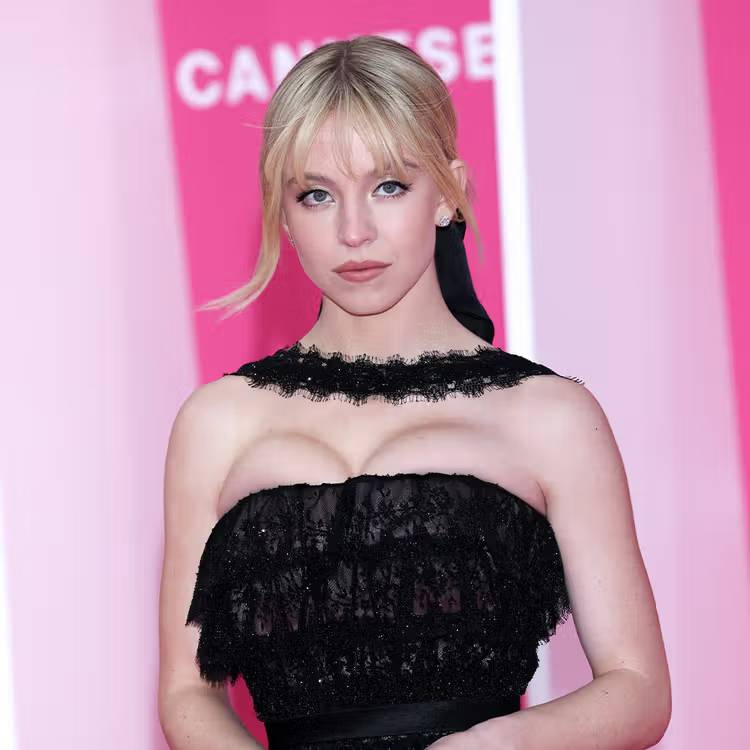
2022
Fuller returned—with rules. Larger was acceptable again, but only at a low profile that read as natural rather than Baywatch.
Getty Images
13 / 14
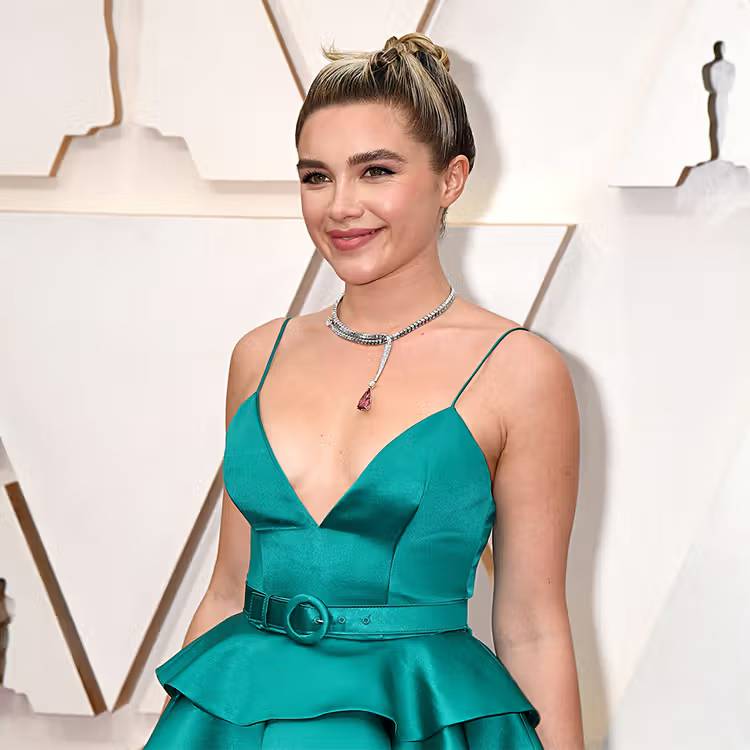
2023
Gen Z moved the conversation off size entirely. Braless dressing, natural shape and small, implant-free breasts became a statement rather than a shortfall.
Getty Images
14 / 14
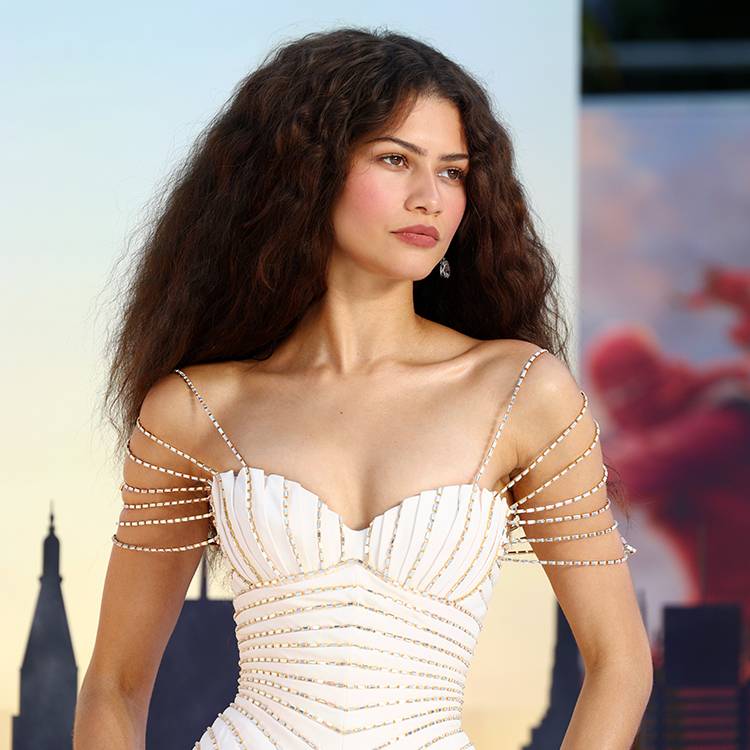
2025–Current
Proportion beat prominence. Surgeons report patients asking less about size and more about fit—breasts that read as proportional to the individual body rather than to any prevailing look.
Getty Images