
Your nose is the centerpiece of your face, so whether you’re getting a rhinoplasty for aesthetic or medical reasons, you want the end result to yield minimal pain and maximum results. Here, experts share their top piece of advice on how to keep swelling and pain at bay for a smooth and speedy rhinoplasty recovery.
Follow your doctor’s instructions.
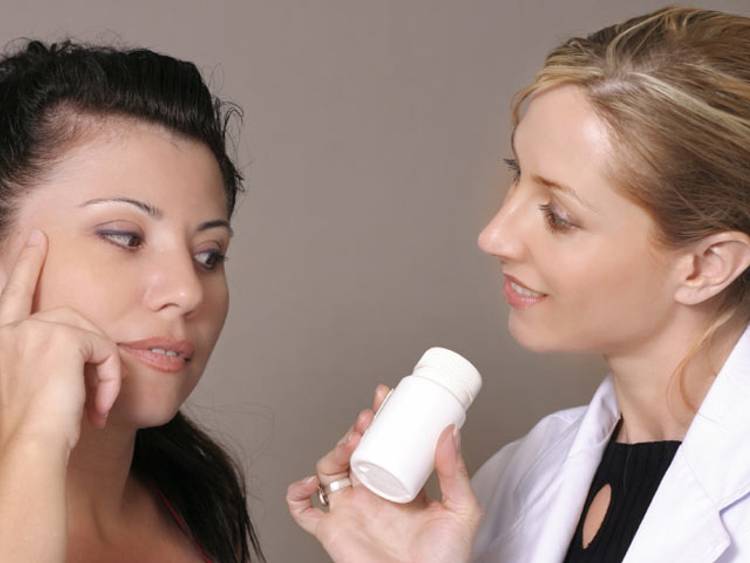
It may seem like common sense, but San Francisco, CA facial plastic surgeon David W. Kim, MD advised that you “follow the instructions of your surgeon to a tee” after your rhinoplasty. “If you’re unclear about anything, ask! Don’t leave anything to chance when it comes to your nose!” he added.
Keep your head elevated.
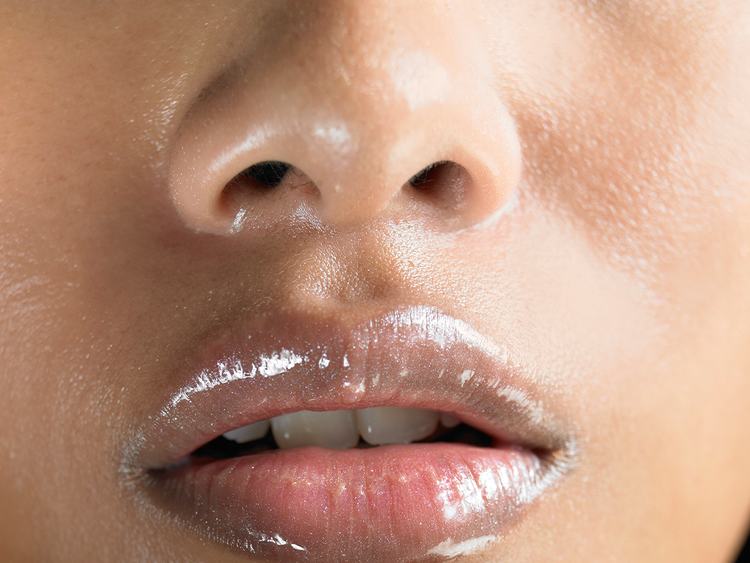
To minimize congestion and stay ahead of pain and swelling, Palo Alto, CA plastic surgeon David Boudreault, MD, recommended that patients keep their heads elevated at least 45 degrees even when sleeping.

Wear a dorsal splint, if recommended to you.
Talk with your doctor and see if they recommend wearing a dorsal splint. Grand Rapids, MI plastic surgeon Bradley Bengtson, MD, said a splint can be beneficial to your healing process. “Dorsal splints over the bridge of the nose can apply gentle pressure and decrease swelling further,” he explained.

Be patient.
"Positivity and patience are key,” says Dr. Kim. While you might want your nose to magically look different overnight, it has to heal properly first. “It’s normal for the nose to be swollen and wide at the beginning. Don’t let yourself react too negatively to this temporary condition,” advised Dr. Kim. “If you remain in a state of excessive worry and anxiety early on, it can spoil the whole party and can interfere with you appreciating the long-term outcome.”

Start walking as soon as possible.
Scottsdale, AZ facial plastic surgeon Kelly V. Bomer, MD advised that patients should start walking again as soon as they feel ready. “This is helpful to get the blood moving in the body, and this will speed healing.” However, she warned that sweating should be avoided.

Have a pain-management plan in place.
Consult with your doctor about whether or not prescription steroids are the best bet for your recovery. Dr. Bengston said that a postoperative steroid dose pack may help to minimize swelling. If your doctor prefers to minimize the use of narcotics, like Dr. Boudreault, opt for scheduled Tylenol for pain management.
Ice your nose for 72 hours then swap for a warm compress.
Dr. Boudreault suggested keeping ice on the surgical area for the first 72 hours. Then, she said you should switch to warm compresses, which will help to “decrease swelling and resolve any bruising quickly.”
Don’t stress.
“One of the most important things for a rhinoplasty candidate to understand is that post-procedure is a journey,” said Palo Alto, CA facial plastic surgeon David Lieberman, MD. He added that the best thing a patient can do is not stress about any swelling “as this is a very transient phenomenon.”

Ask your surgeon about a nasal irrigation system.
If your doctor gives you the go-ahead, use nasal irrigation. “Nasal irrigations are an important part of the post-surgical recovery because they rinse the nasal passages and help alleviate congestion," says Dr. Boudreault.

Take supplements.
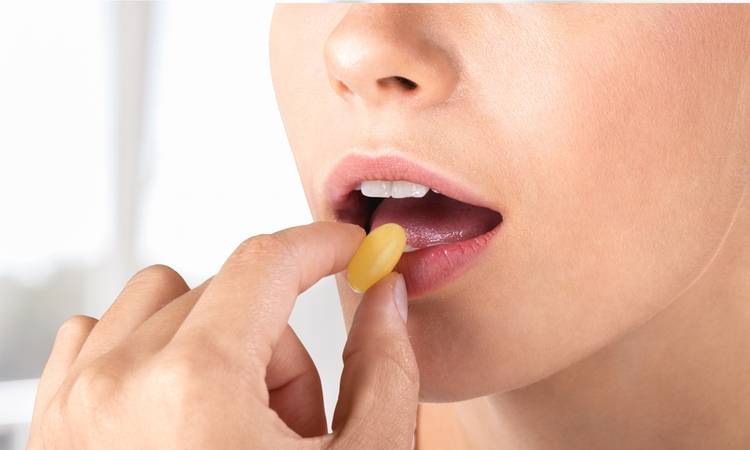
Dr. Bomer said supplements can be a huge help during the healing process. She recommended boosting your intake of vitamins A, B, C and zinc to speed up recovery. “The VitaMedica Recovery Support Program has all the helpful supplements which boost healing and reduce swelling and bruisingm" says Dr. Bomer, noting they include multivitamins, bromelain with quercetin and arnica.

Protect your nose.
The most important piece of advice, according to Dr. Bomer, is ensuring that the nose doesn’t get traumatized in the first few weeks after surgery. “This can happen with pets, tripping and falling when on pain medication and from toddlers.”
Talk to your doctor about BBL.
After he removes the nasal cast, Dr. Lieberman assesses patients for a light BroadBand Light (BBL) treatment. He explained that this treatment “will reduce most, if not all, discoloration from bruising.”

Understand tranexamic acid.
Tranexamic acid (TXA), often prescribed to manage heavy menstrual flow, has been shown to decrease swelling, bruising and discomfort when applied intra-operatively, said Dr. Lieberman. Talk with your doctor to see if TXA is right for your recovery process.