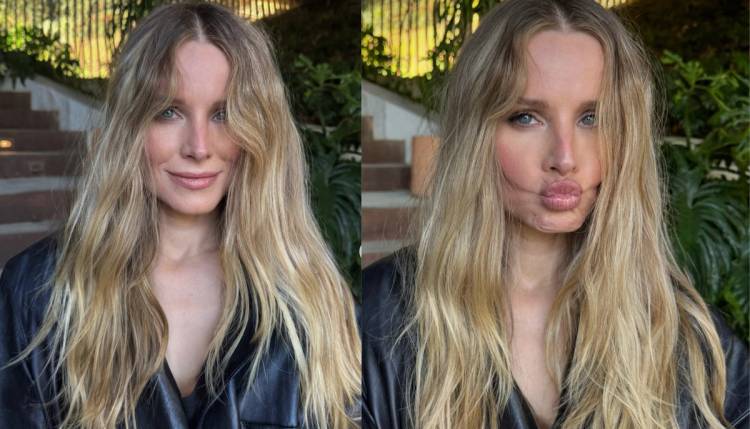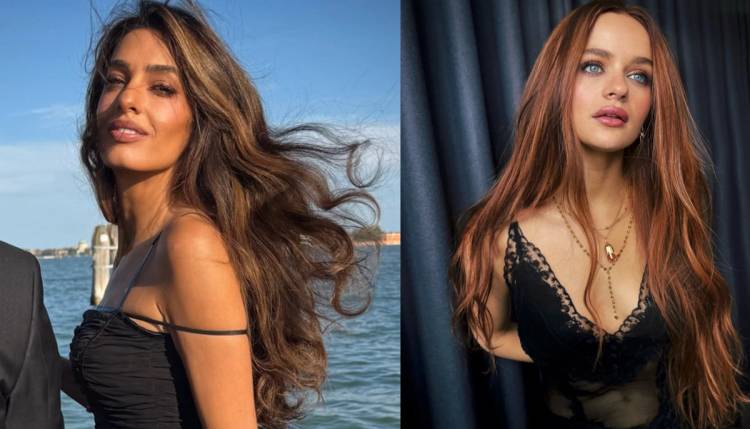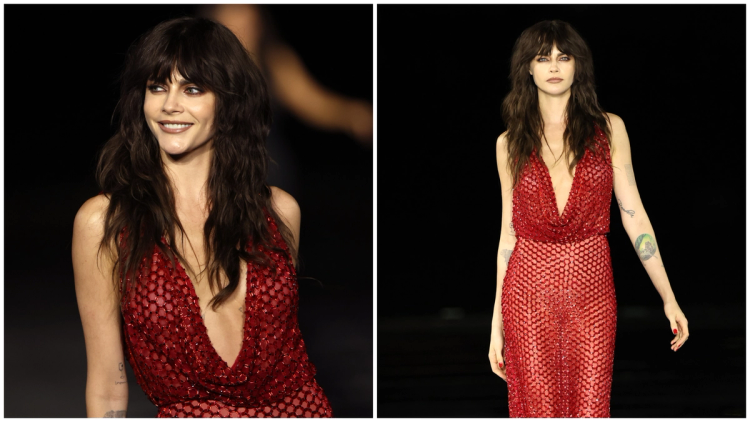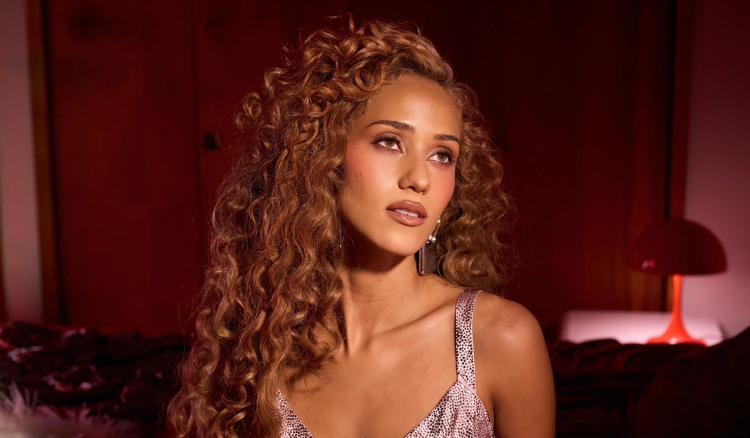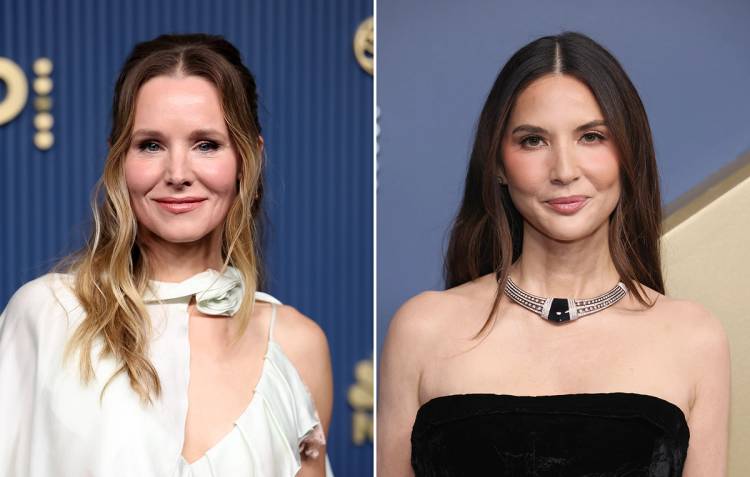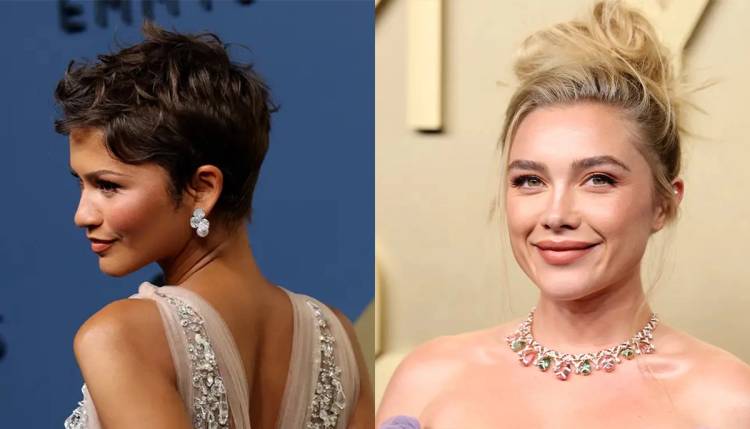


If you’ve ever looked in the mirror and wondered why the hair on top of your head seems to have a completely different personality than the hair underneath (straight up top, curly below), you’re not alone. The phenomenon has a name, courtesy of TikTok: Irish curls. The term has struck a chord with people who recognize the pattern, but it’s also raised plenty of questions.
Ahead, curl experts explain what Irish curls are, why the top and underneath can behave so differently and how to choose products and styling techniques for both textures.
Featured Experts
- Samantha Cross is the founder and CEO of Curl Warehouse
- Libby Brenner is a curl specialist and educator
What Are Irish Curls?
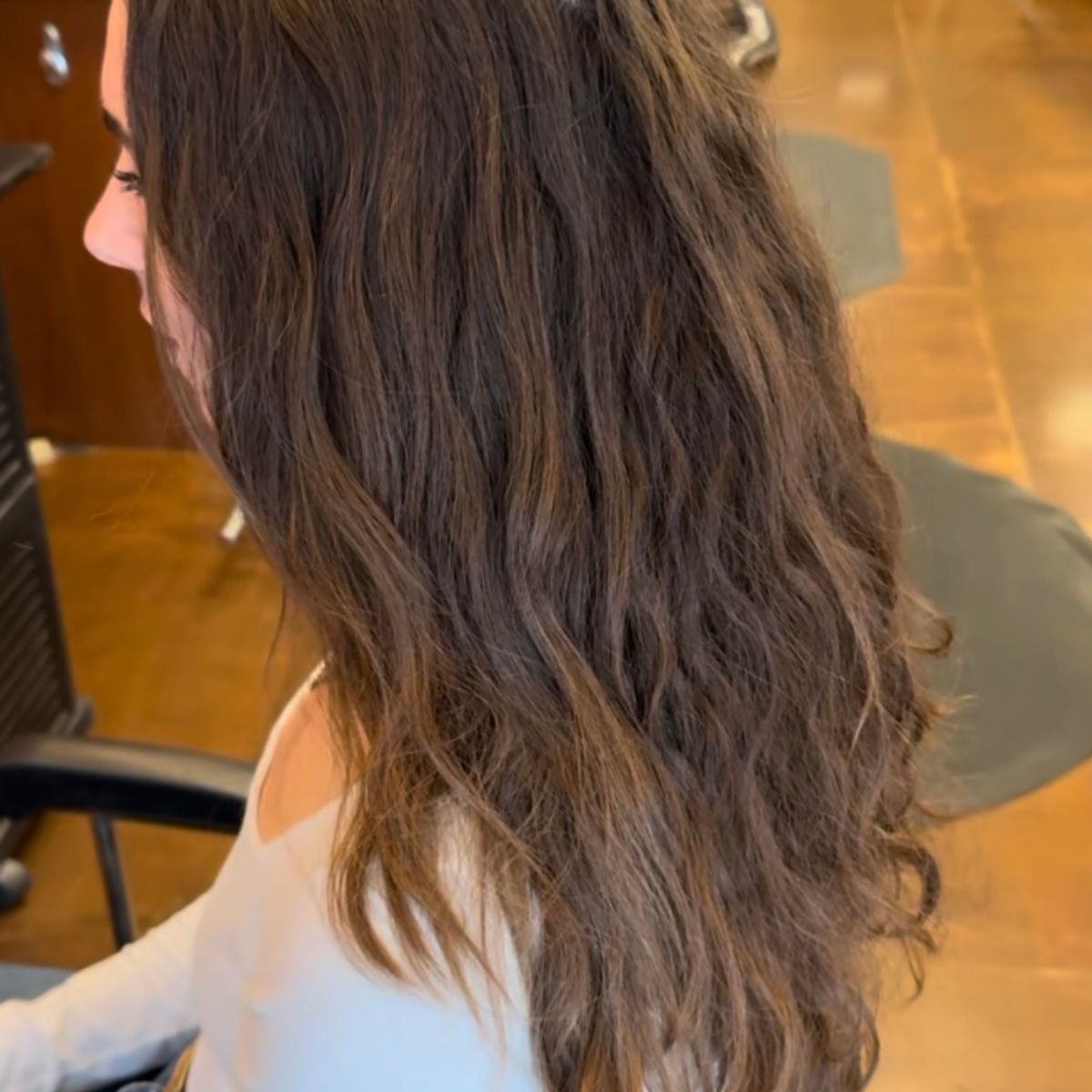
Irish curls is ultimately a social media term, not an official curl type, says founder and CEO of Curl Warehouse, Samantha Cross. “It describes hair with two textures on one head: straighter or wavy on top, with curlier hair underneath. It’s commonly seen in people of Irish descent,” hence the name. That’s partly down to DNA: “Genetics play a big role in true Irish curls, since follicle shape can differ across the scalp,” says Cross. But not every case is inherited. The top layer may also be less curly because of damage or lifestyle, she adds. The term can be a “good way to describe how your hair looks, but it may not be the entire picture.”
Unlike the familiar 1–4 curl type system, which describes how individual strands bend or coil, “Irish curls” describes where different textures appear on the head. Curl specialist and educator Libby Brenner says the distinction can leave people unsure how to style their hair: “The main difference between wavy/curly hair and Irish hair is the distinct straighter pieces on top,” she says. “The curl patterns are so vastly different, many people who have it don’t know whether they should wear their hair natural or flat iron it.”
What Hair Type Are Irish Curls?
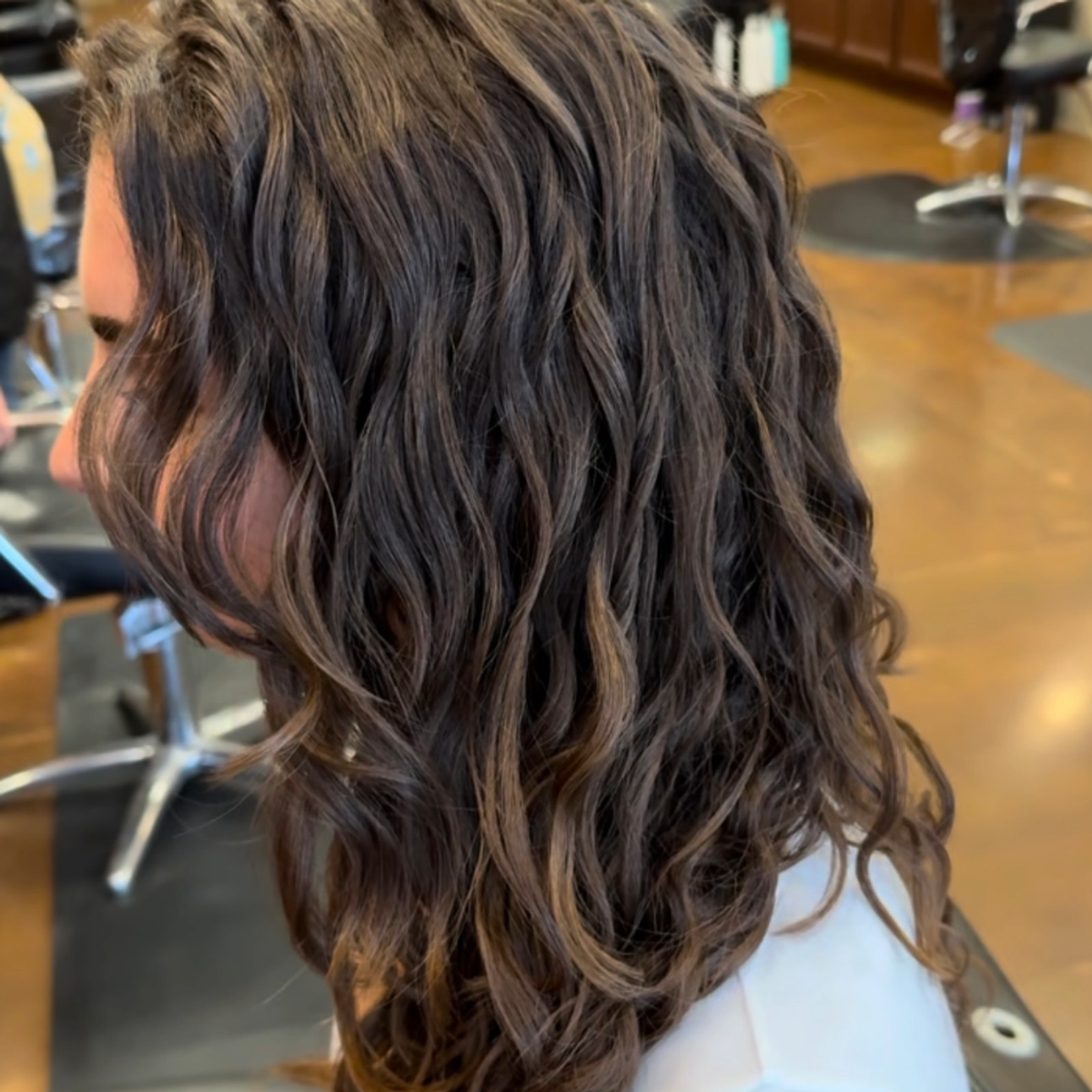
There’s no single curl pattern or texture that defines Irish curls, but Cross says she often sees “straight to loose waves on top (1B to 2B), with waves to curls underneath (2B to 3B). The nape and the hair around the ears are often the tightest.” That range covers both Irish waves and true Irish curls (more on the difference below). Irish curls can also occur at any hair density and with fine, medium or coarse strands, she adds. Brenner says that, in her experience, many people with the pattern have dense, coarse hair that can feel heavy.
“This particular texture combination is typically seen in those with Irish heritage,” explains Brenner. Porosity may vary by section, notes Cross. “The top layer often takes more wear from weather, brushing and heat, so it can be more porous. The under layer is more protected and tends to be smoother and less damaged, so it could be medium or low porosity.”
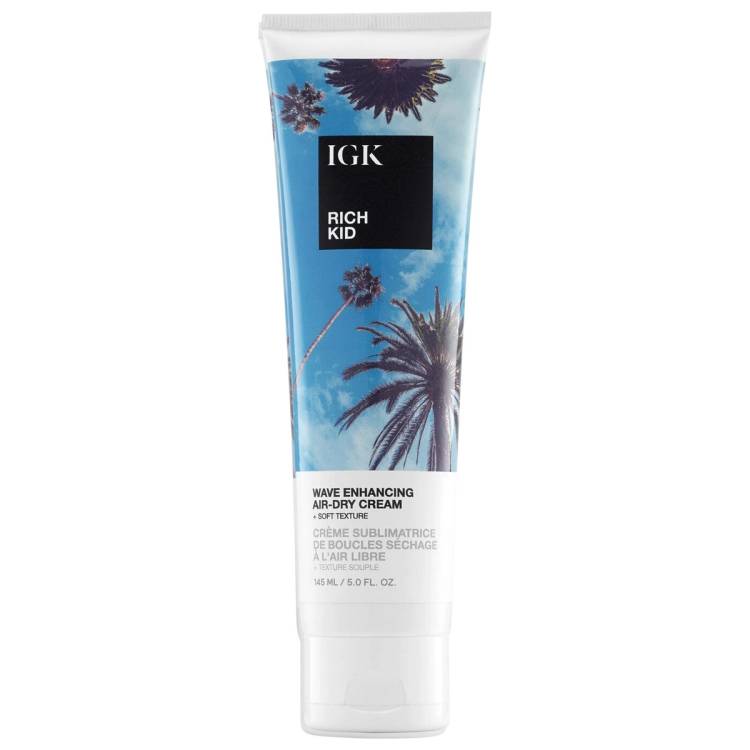
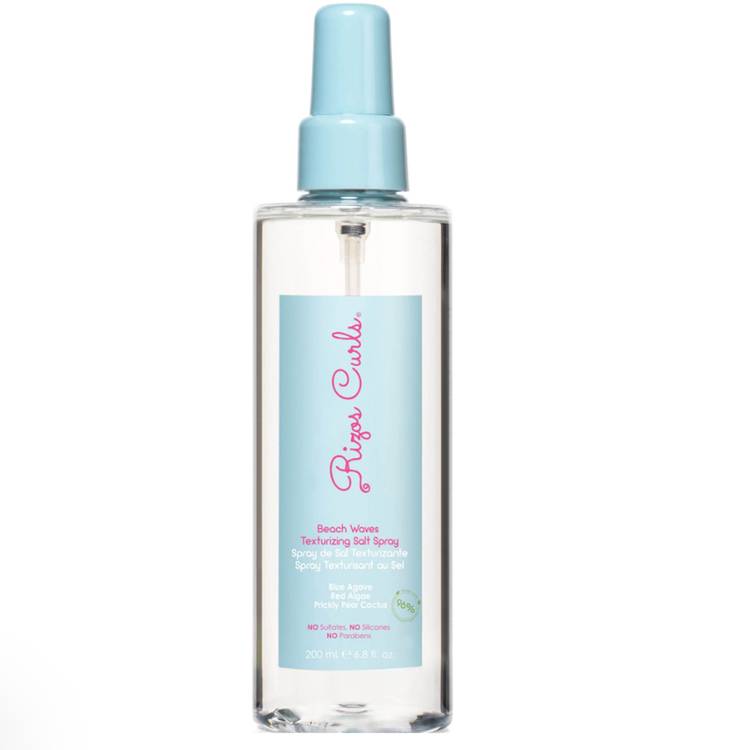
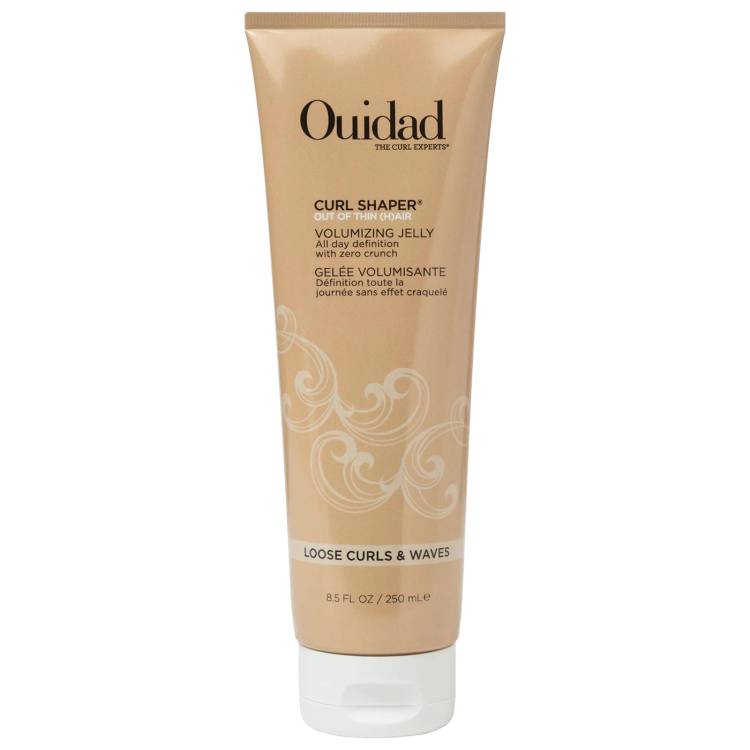
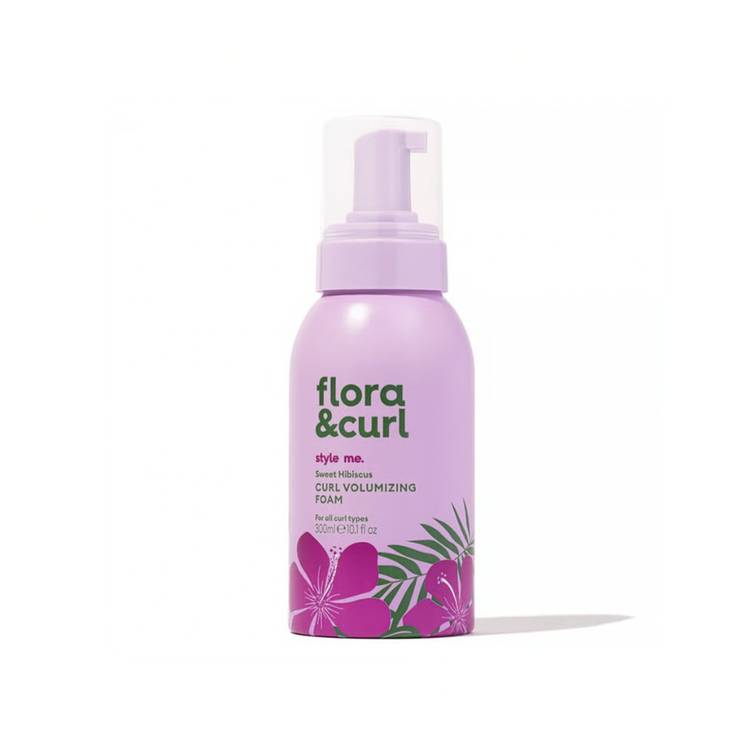
The Best Products for Irish Curls
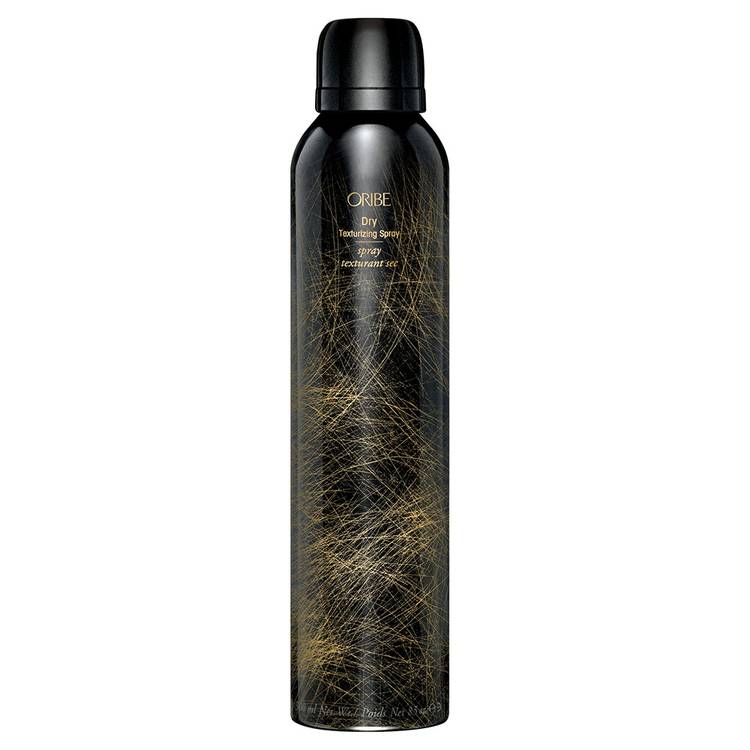
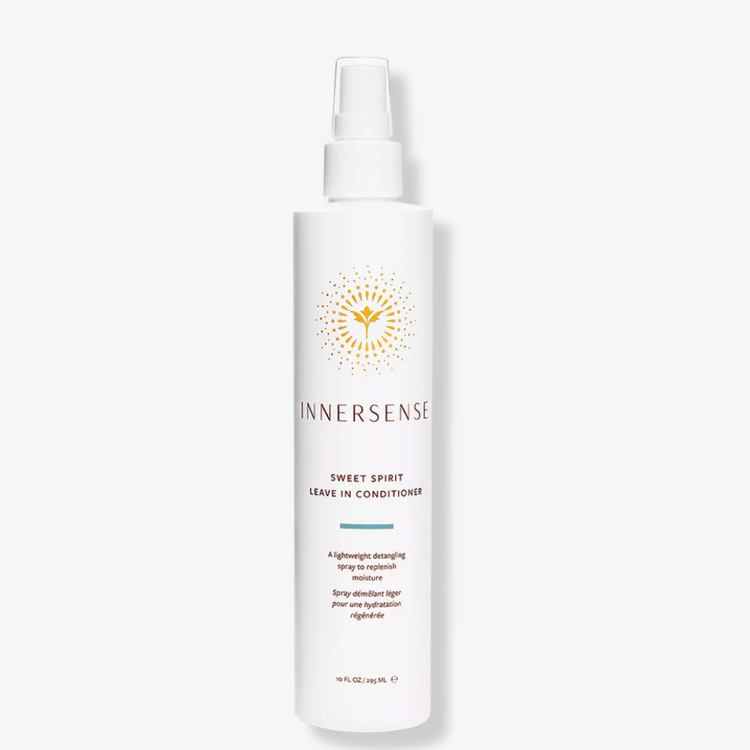
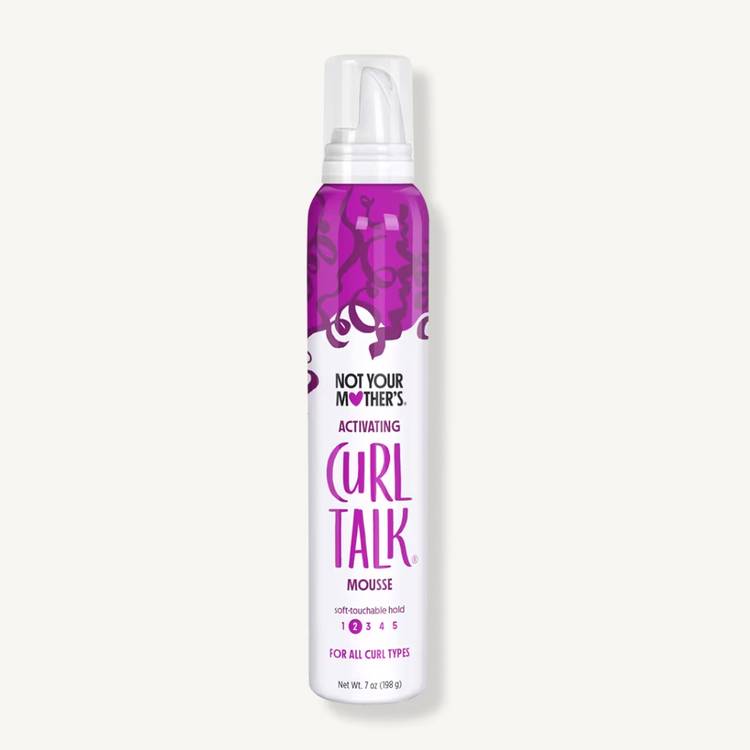
“The most important thing is to ensure both the wavy or straighter top layer, and the curlier under layer, are supported with a routine that suits your curls,” says Cross. She recommends choosing products based on your hair’s porosity and density, as well as your styling routine. These picks offer a place to start.
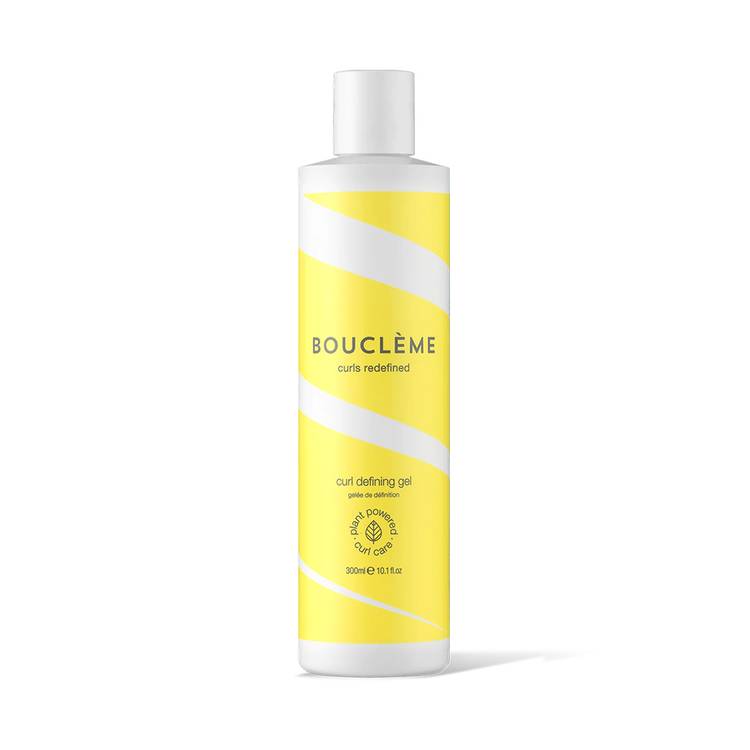
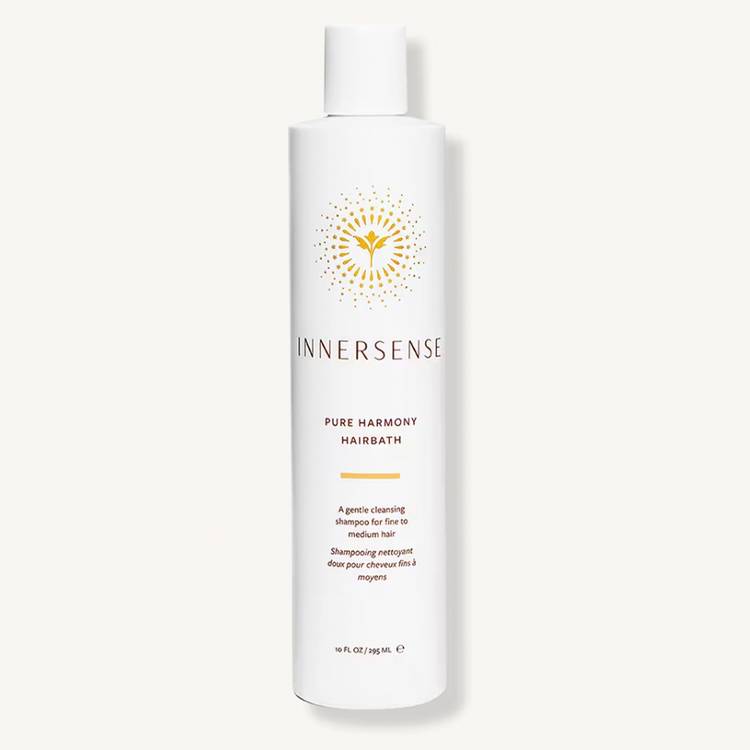
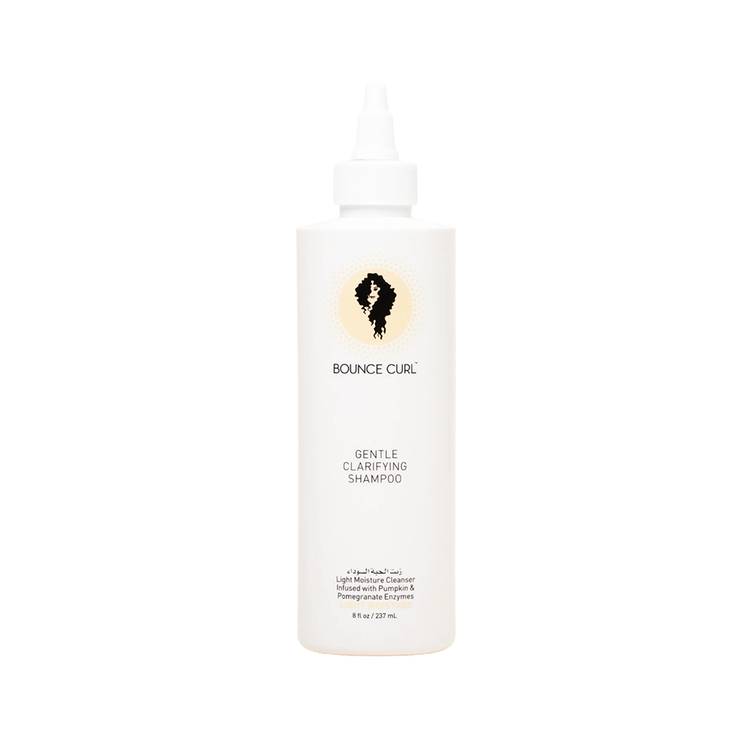
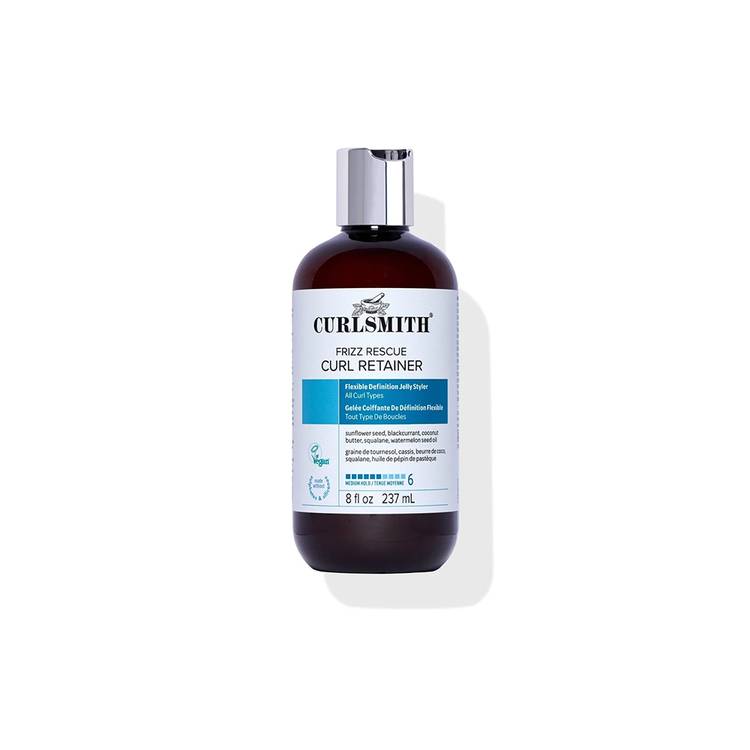
Pro Tips for Styling Irish Curls
Cross’ top tip is to style the top and bottom layers separately. “Put more product on the top layer and scrunch it more than you do on the bottom, to help even the curl shapes out if that’s your goal.” For more consistent curl definition, she also suggests a styling brush like the Bounce Curl Define EdgeLift Brush.
“Diffuse or air dry, and don’t touch it until it’s fully dry. Touching can be part of the reason the top layer is straightening out and the bottom is not.”
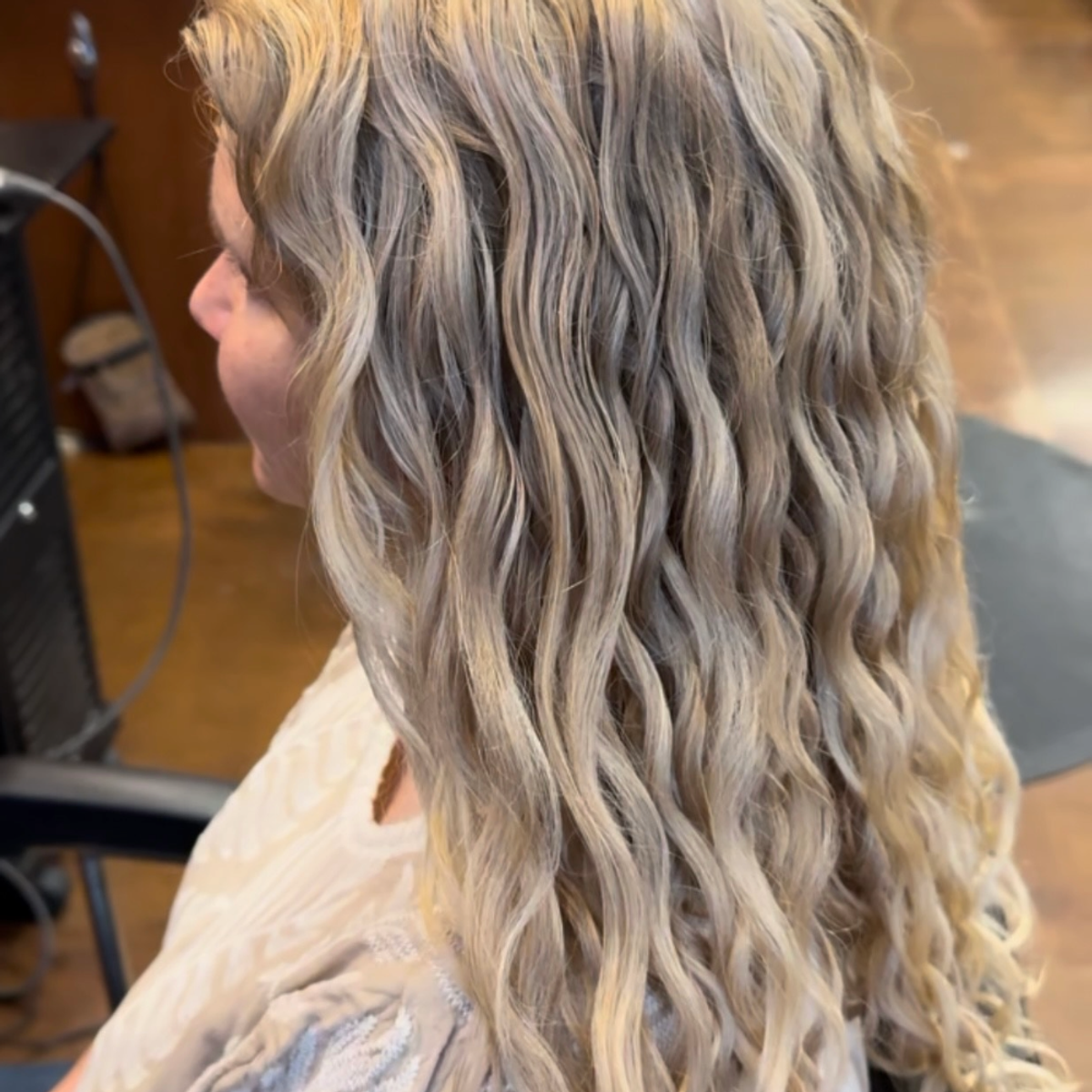
Irish Curls vs. Irish Waves: What’s the Difference?
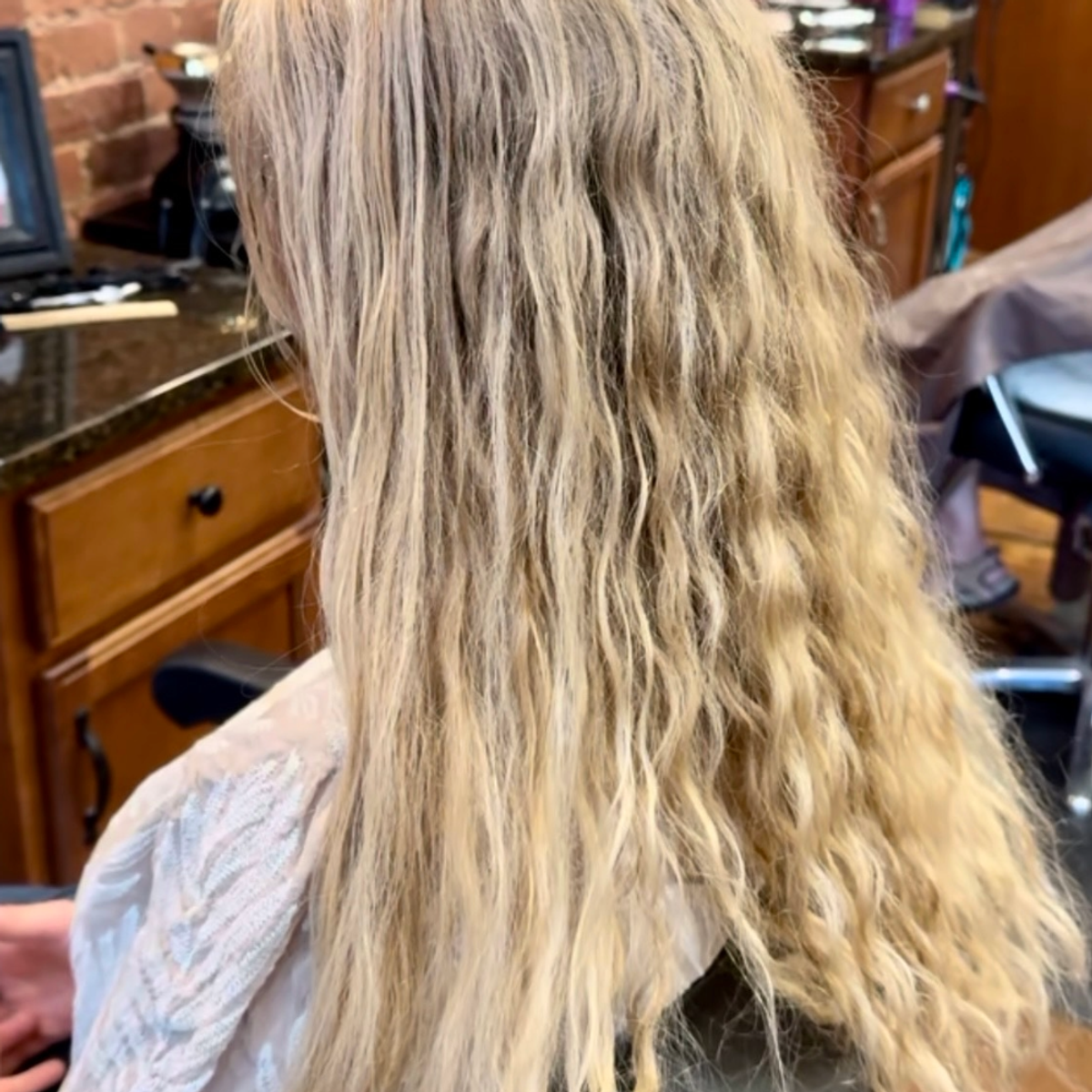
The terms Irish curls and Irish waves are often used interchangeably online, but Cross distinguishes them by the pattern underneath. For Irish waves, “the under layer is an S-shaped wave (around 2A to 2C). Definition is softer, and the hair is easily weighed down, and the canopy part of the hair may be straight,” she says. With Irish curls, “the under layer forms proper spirals or ringlets (around 2C to 3B), which clump and need more moisture and hold.”
Best Products for Irish Waves
“Waves generally need a lighter touch, but hair thickness and porosity are more important when it comes to choosing the right products,” notes Cross.