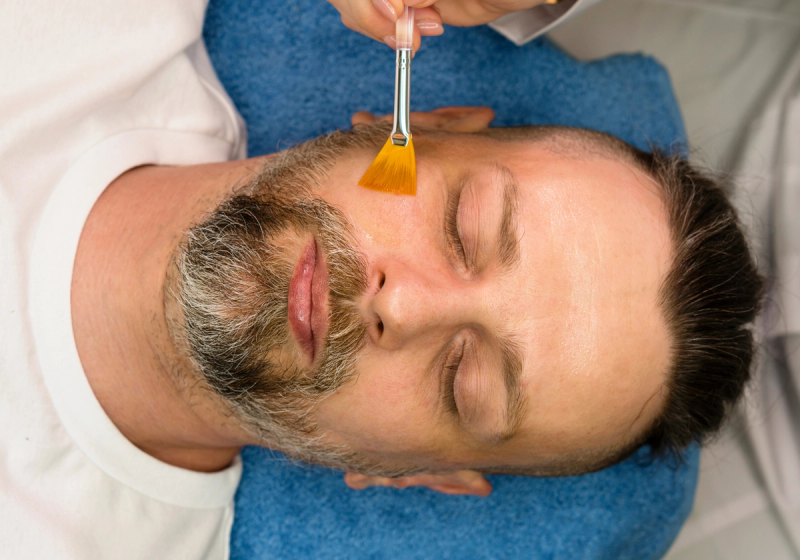
TikTok creator Aviante' The Artist has racked up more than 25 million views in just days after documenting an at-home 30% TCA (trichloroacetic acid) peel. The video, which features the meme sound of saxophones playing during a traumatic incident, shows him applying four layers of the medium-depth chemical peel and watching his skin frost, a sign that the peel has penetrated the skin.
While many viewers applauded the creator's bravery, the comment section quickly filled with dermatologists, aestheticians and plastic surgeons urging caution. In follow-up videos, Aviante' showed his skin peeling to reveal fresh pink skin underneath. He explained that he didn't jump straight to a 30 percent peel and had worked his way up through lower concentrations, but viewers and experts alike remained concerned.
Loading TikTok...
The Risks of DIYing a 30 Percent TCA Peel
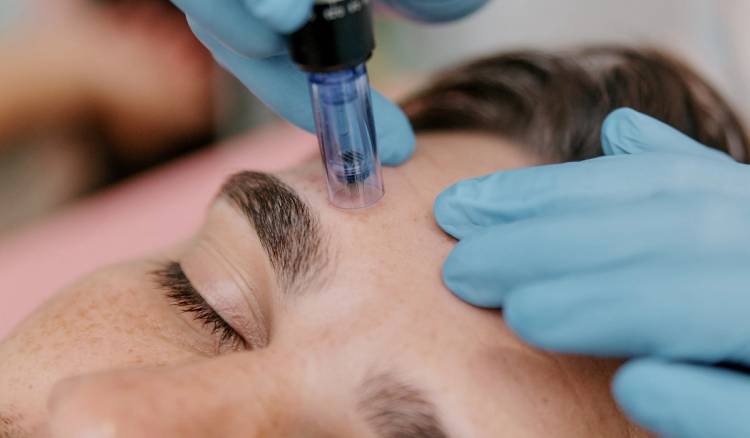
TCA peels work by creating a controlled injury in the skin that stimulates cell turnover and collagen remodeling. At lower strengths, they can help improve discoloration and uneven texture. At 30 percent, however, the peel enters medium-depth territory, where the risks increase significantly.
"A 30 percent TCA peel is a medical-grade treatment, not a DIY skin-care trend," says Southlake, TX and Monroe, LA dermatologist Janine Hopkins, MD. "The risks include burns, scarring, infection and permanent pigment changes. What looks simple and trendy on social media can quickly become a long-term skin injury when performed incorrectly or without proper medical oversight."
Additional Risks for Deeper Skin Tones
Many experts were especially vocal because medium-depth peels require extra caution in patients with more melanin-rich skin. "Chemical peels are amazing treatments for pigmentation and evening out skin texture and tone," says Scottsdale, AZ dermatologist Dr. Karan Lal. "But at-home chemical peels are a no-no. These are acids that are very dangerous to tissues like the eyes. One drop and you could have irreparable damage."
Dr. Lal notes that TCA 30 percent is not considered a beginner peel and can be particularly risky without professional supervision. "TCA 30 percent is not safe without supervision in darker skin types, as it can lead to scarring and permanent disfigurement." While Aviante' shared that he prepped his skin and understood the risks involved, experts say even experienced users can encounter complications when working with stronger acids.
Comment Consultations
Many of the warnings weren't coming from anonymous internet critics. Some came directly from licensed professionals who regularly perform chemical peels in clinical settings. One of the responses came from Houston plastic surgeon Cassie Hartline, MD, who commented directly on the videos. "Plastic surgeon here, local in Houston. Just from your videos I'm VERY worried about long-term scarring," she wrote. "Please stay as moisturized as possible and don't pick!!!"
Dr. Hartline also recommended heavy moisturization—suggesting products from Aquaphor or Avène Cicalfate—and encouraged the creator to seek evaluation from a dermatologist or plastic surgeon.
Loading TikTok...
The Bigger Problem
What concerns experts most isn't necessarily one person choosing to take a risk — it's the millions of viewers watching and potentially seeing the procedure as routine. “Social media has created a culture where increasingly aggressive treatments are being normalized outside of medical supervision," says Dr. Hopkins. "Just because a procedure is trending doesn't mean it's safe, appropriate or risk-free." Influencers, she adds, often face little accountability when things go wrong. "People should be cautious about using social media as a substitute for medical guidance."
Chapel Hill, NC dermatologist Sue Ellen Cox, MD points to the knowledge gap. "Videos like this highlight how normalized aesthetic procedures have become and, unfortunately, make them appear like simple DIY treatments. The reality is that these procedures carry real risks and require a thorough understanding of skin anatomy, wound healing and complication management."
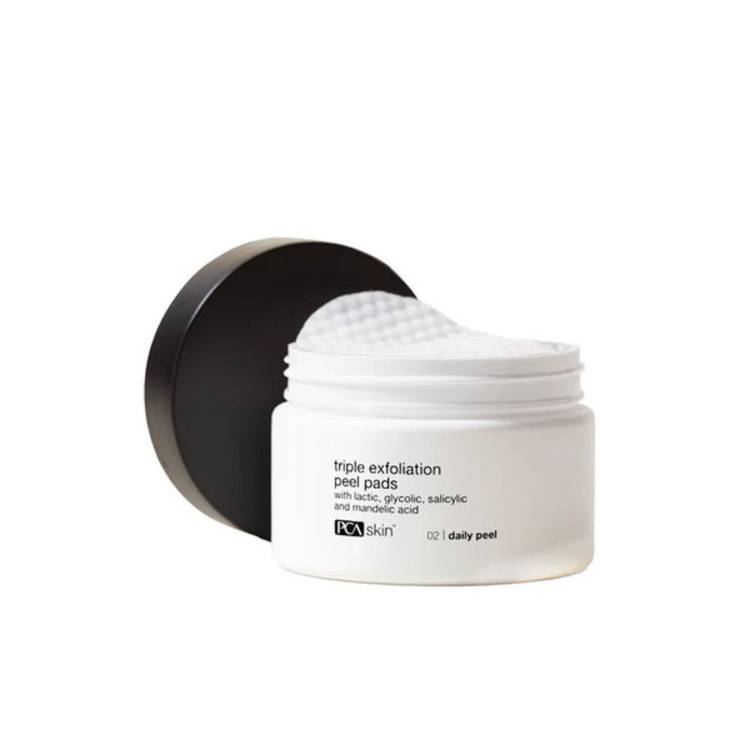
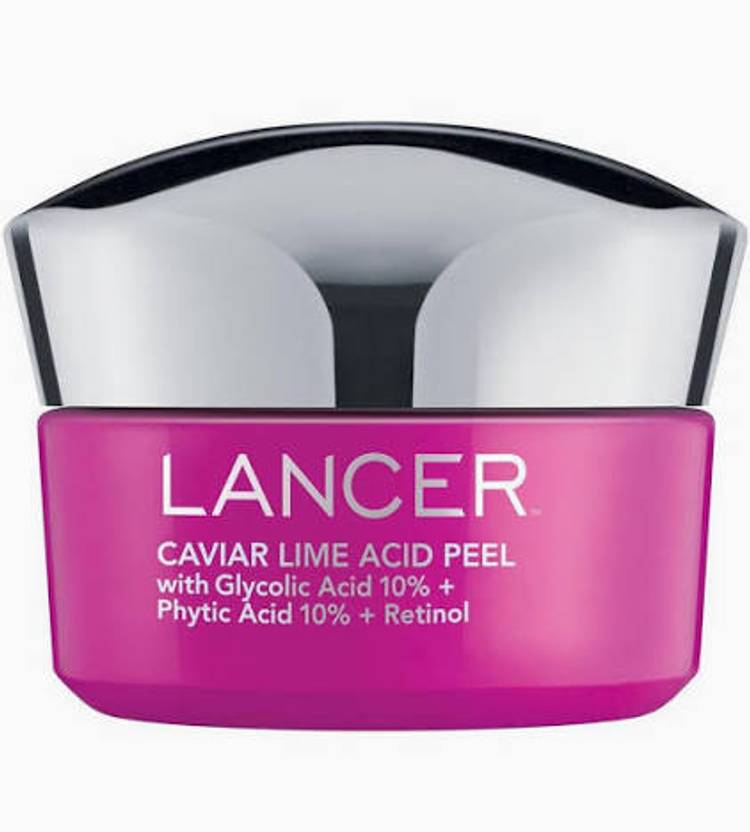
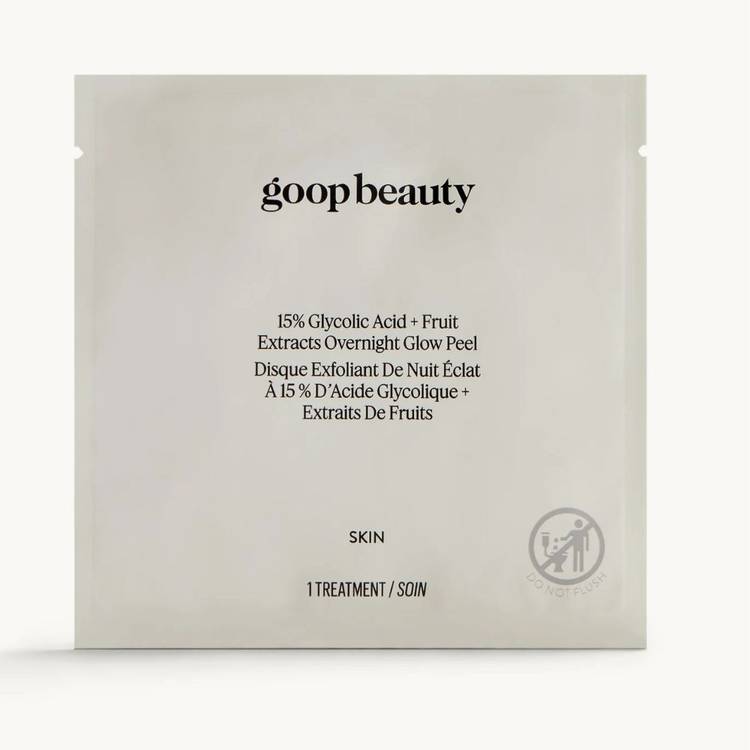
Editor-Approved At-Home Chemical Peels to Shop Now