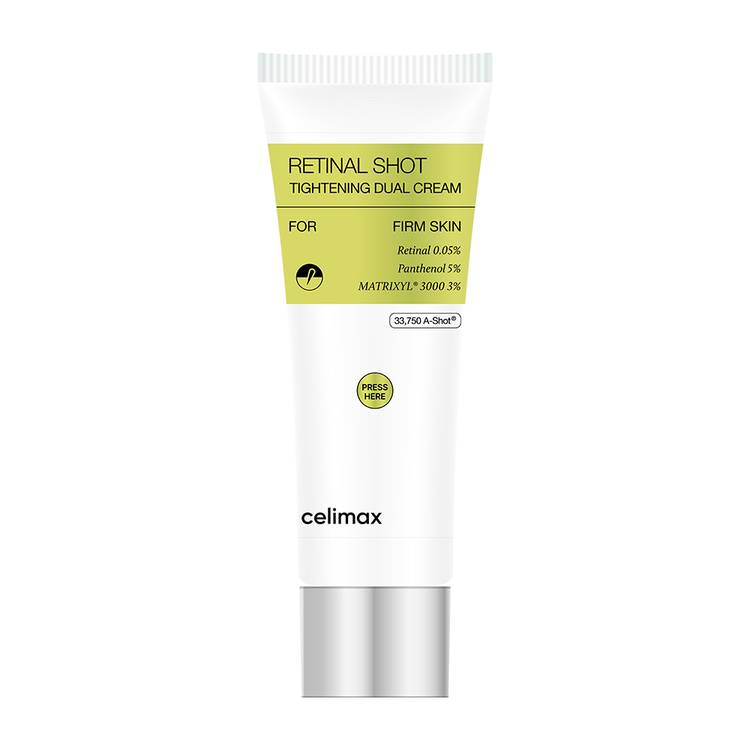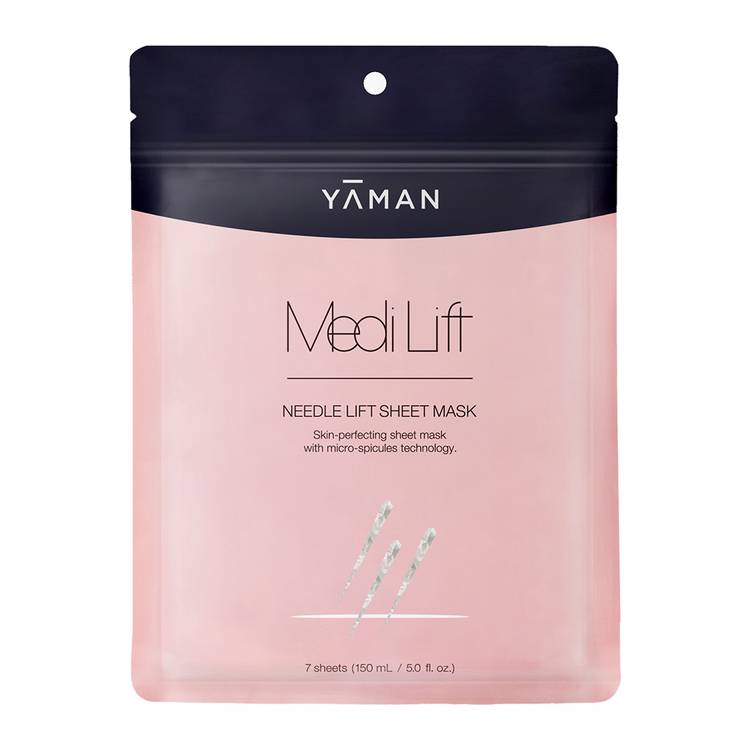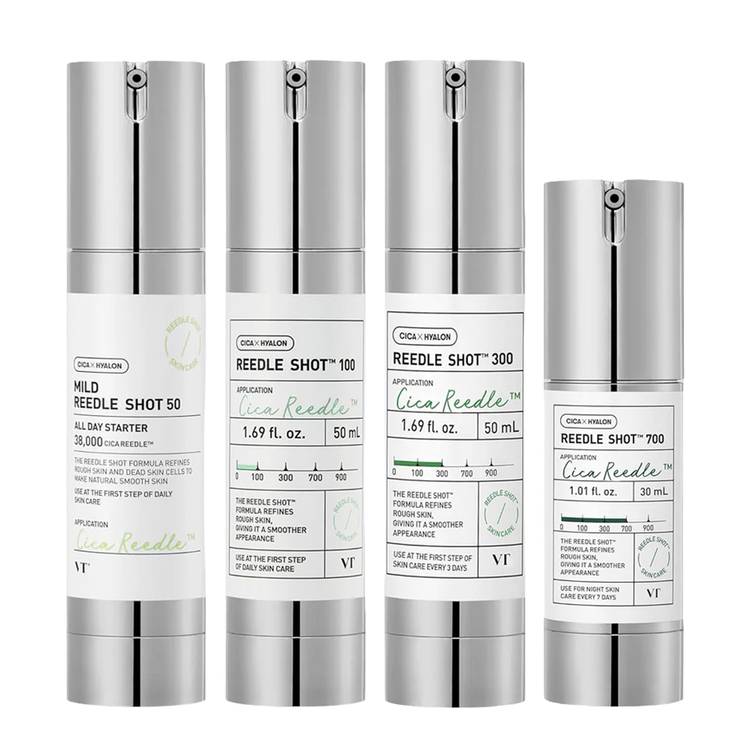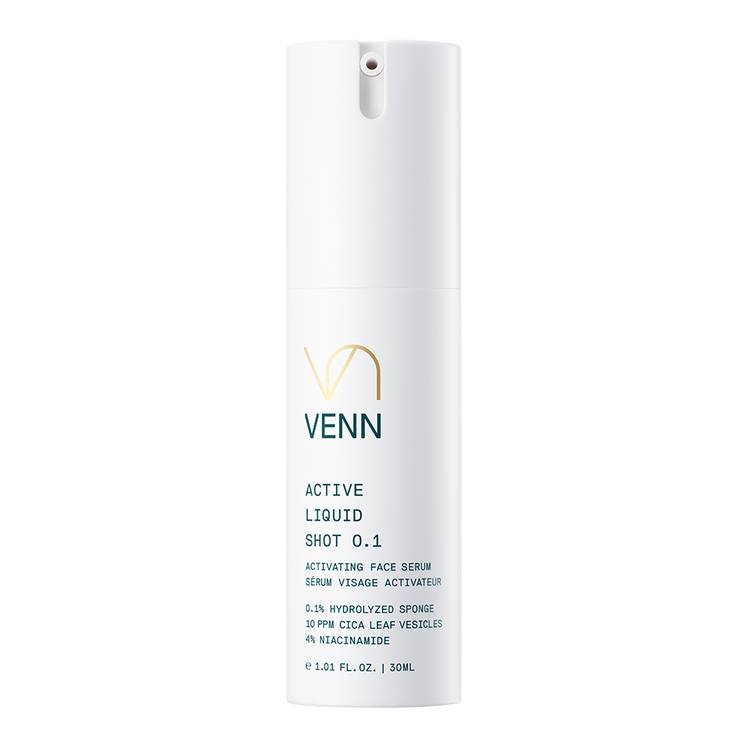
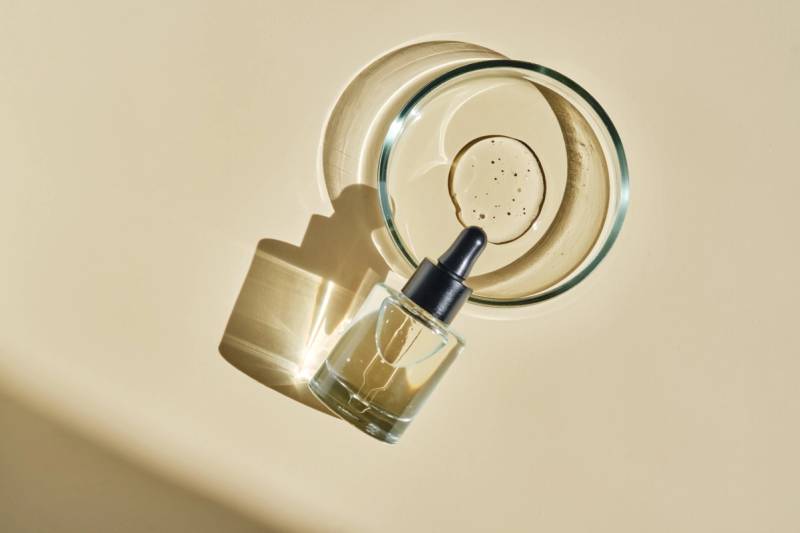
Dubbed “skin sponging” and “microneedling in a bottle,” spicule serums are taking the beauty world by storm, expanding into other categories like creams, masks and more. Here’s what to know.
Featured Experts
- Julie Russak, MD is a board-certified dermatologist based in New York
- Kimberly J. Lee, MD is a board-certified facial plastic surgeon based in Beverly Hills, CA
- Yannis Alexandrides, MD is a board-certified plastic surgeon based in London and the founder of 111SKIN
- Ginger King is a cosmetic chemist and the founder of Grace Kingdom Beauty
How Spicules Work in Skin Care
Popularized by K-beauty, the term “skin sponging” refers to the use of topical products containing spicules, which are microscopic, needle-like structures derived from marine sponges. “When applied to the skin, spicules make tiny punctures in the outermost layer to create transient microchannels that enhance ingredient permeability,” explains cosmetic chemist Ginger King, noting that spicules produce a temporary prickly sensation on the skin, signaling their penetration. “Cosmetic products are not supposed to go too deep within the skin because then they would be entering ‘drug claim’ territory, so anything that enhances penetration will make products work better.”
New York dermatologist Julie Russak, MD says spicules work through two parallel mechanisms: mechanical delivery and biologic signaling. “They create microchannels in the stratum corneum that stay open for up to two days,” she explains. “They’re long enough to carry in ingredients that normally struggle to cross the skin barrier, including larger molecules like hyaluronic acid. At the same time, this controlled disruption initiates a repair response. Fibroblast activity increases, collagen signaling is upregulated and the skin shifts into a regenerative state.”
In a 2020 study, combining spicules with stem cell–derived exosomes improved signs of photoaging in a mouse model while also enhancing delivery of those regenerative signals. “In practice, this dual mechanism is what makes spicules interesting,” says Dr. Russak. “They not only improve what you apply, but also how your skin responds to it.”
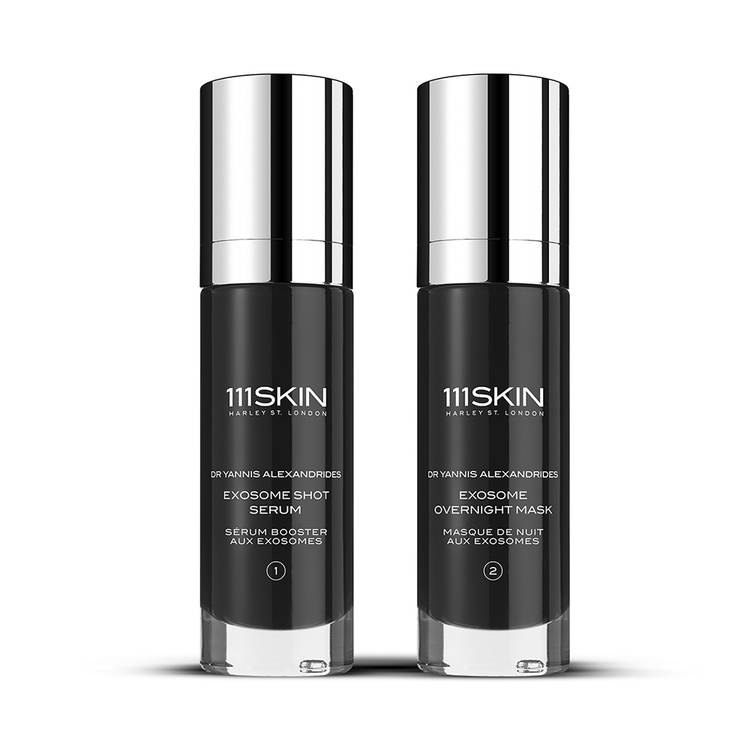
London plastic surgeon Dr. Yannis Alexandrides, founder of 111SKIN, was so impressed with spicule technology that it became central to his Exosome Face Lift Protocol, a two-step skin-care system that mimics in-office treatments using bacterial exosomes derived from probiotic strains. “Spicules enhance the delivery of high-performance actives such as exosomes, growth factors and biomimetic peptides,” he explains. “This supports optimal cellular repair, stimulates collagen synthesis and accelerates cell turnover, resulting in smoother, firmer and visibly revitalized skin over time.” Backed by clinical data, this protocol is now also being used in luxury spa facial treatments.
How They Compare to Microneedling
Though some skin-care brands compare spicules to in-office microneedling, Beverly Hills, CA facial plastic surgeon Kimberly J. Lee, MD says the depth and precision are very different. “While spicules mimic the microneedling concept, they do not achieve the same depth or trigger the level of collagen production seen with in-office devices,” she explains. “Spicule products are not a replacement for treatments that address concerns like acne scarring, significant signs of aging or deeper collagen remodeling.”
Their value is not in a single, high-impact treatment, but rather in cumulative, low-level stimulation over time, Dr. Russak adds. “Used consistently, they can support skin quality and enhance the performance of topical regimens, rather than replace in-office procedures.”
The current data on spicule skin care is promising, Dr. Russak says, particularly in terms of enhanced delivery and early signals of collagen stimulation, but much of the evidence remains limited in scale. “We do not yet have long-term data across diverse patient populations,” she explains. “And, because spicules intentionally disrupt the skin barrier, even in a controlled way, the dosing, frequency of use and user’s skin type really matter.”
Who Should (and Shouldn’t) Use Spicule Products
If the goal is to improve skin quality, early signs of aging or textural irregularities, spicule products can help, but Dr. Lee says they’re not suitable for everyone. “Normal to combination skin types tend to tolerate them best,” she explains. “Some acne-prone individuals, particularly those with mild congestion or clogged pores, may see benefits, but those with inflamed or cystic acne may experience increased irritation. Sensitive skin types
are also more prone to stinging, redness and barrier disruption. I recommend applying a product with barrier-repairing ingredients, such as ceramides, afterward to support skin recovery.”
For those with rosacea or eczema, Dr. Russak suggests avoiding spicules altogether, as they can exacerbate inflammation. Additionally, be wary of combining spicule products with exfoliating actives, such as retinoids, alphahydroxy acid or betahydroxy acids, as it can increase the risk of irritation, says Dr. Lee. “And, avoid use on post-procedure skin until it’s fully healed.”
5 Spicule Skin-Care Products to Try