Here’s the thing about my curls: When they’re defined, voluminous and frizz-free, I’m probably the happiest person on the planet. When they’re not working with me, my whole day goes off the rails. So, every few months, when my hair starts its slow slide into mop territory, I start dreading the one thing that would actually fix it—booking a haircut. I’ve gone well past the recommended six months between cuts, at times stretching it to almost two years, because I’d rather deal with the mop than risk a stylist ruining my curls.
If you have curls or textured hair, then you probably know the feeling. You scroll a salon’s Instagram and TikTok looking for a single photo or video of hair like yours, you ask friends for their stylist recs and it ends with you closing the app and deciding to wait another few months. (Guilty on all counts.)
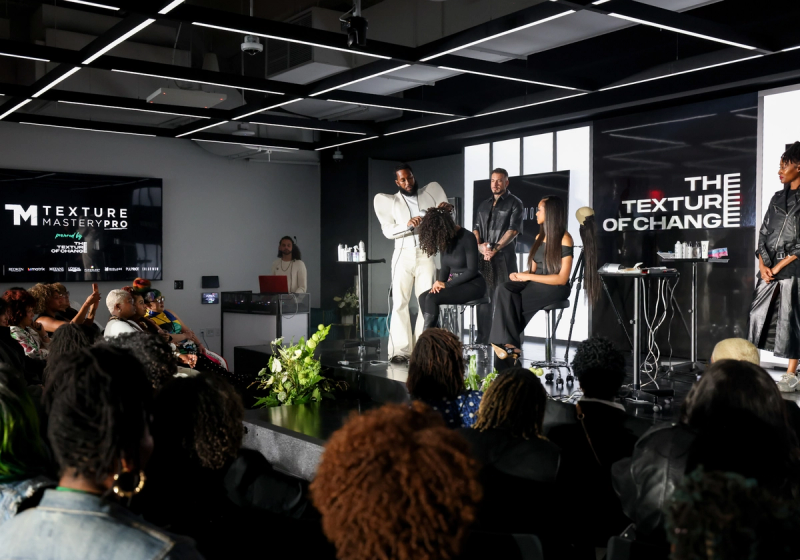
So, walking into L’Oréal Academy East in New York’s Hudson Yards in October was the reassurance I didn’t know I needed. THE TEXTURE OF CHANGE, L’Oréal Professional Products Division’s textured hair initiative, took over its new 13,000-square-foot education center for Texture Mastery Pro, a two-day event that brought together stylists, educators, artists and advocates, with award-winning celebrity hairstylist Nai’Vasha Grace as emcee. For the first time, seven of the division’s brands (L’Oréal Professionnel, Redken, Mizani, Kérastase, Matrix, Color Wow and Biolage) came together under one roof to showcase, teach and celebrate textured hair. I was there for day one, a full afternoon of panels and masterclasses, while day two put all that learning into practice with hands-on education.
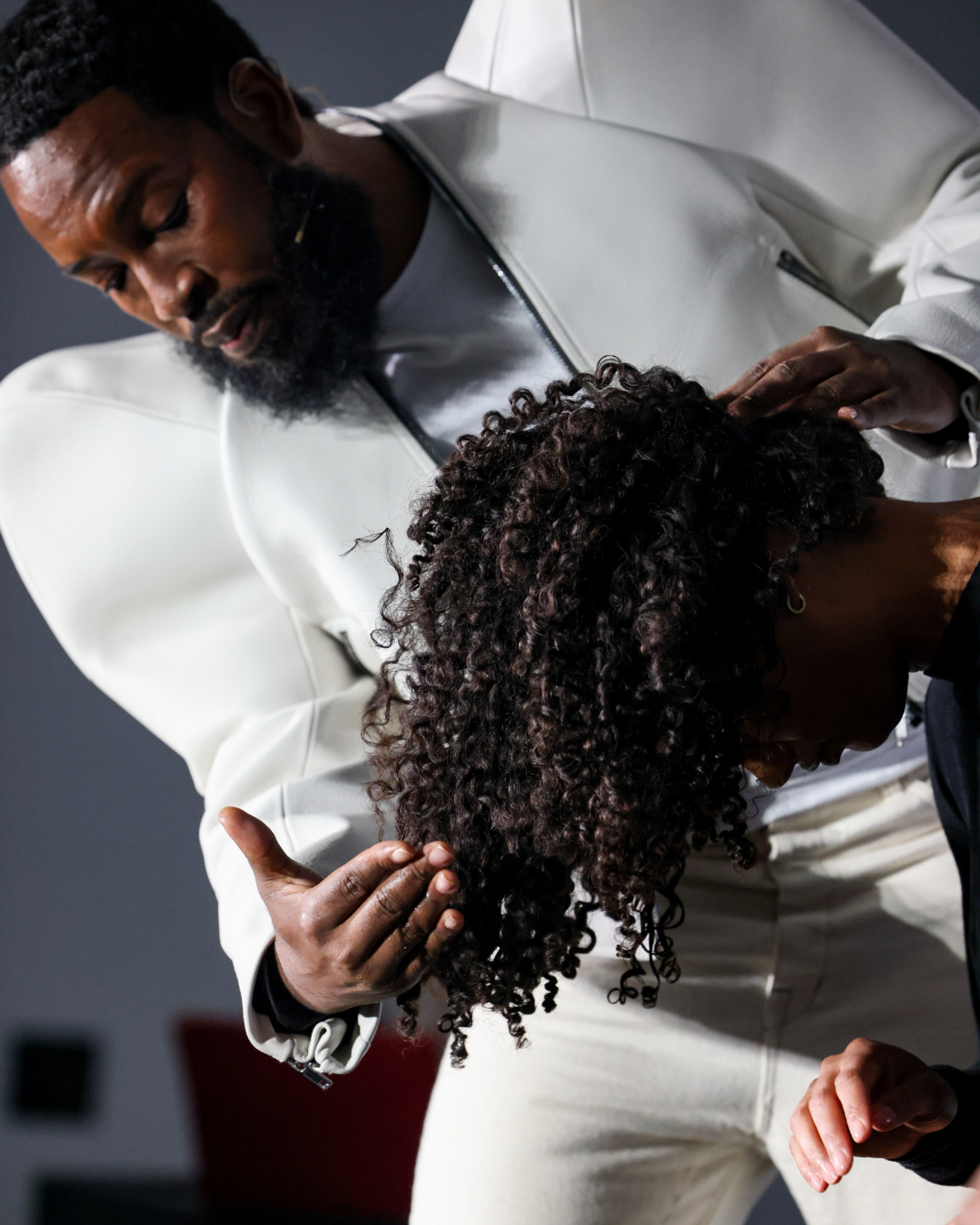
Being in that room also put my own experience in perspective. My curls are one point on a wide spectrum of textures, and skipping haircuts is a small version of what many people with textured hair have faced, from being turned away at salons to being told their natural hair isn’t professional. Many of the people leading the conversation have been pushing for change for years—the industry is just now catching up to them.
The gap behind the chair
That catch-up starts with education. For years, learning to cut, color and style textured hair simply wasn’t a standard part of cosmetology training, which is a big reason so many of us struggle to find someone who knows what to do with our hair. THE TEXTURE OF CHANGE launched in 2023 to help close that gap.
“Leading this initiative has been deeply meaningful and we’re committed to closing the textured hair education gap,” said Erica Roberson, vice president of diversity, equity and inclusion for L’Oréal Professional Products Division and the initiative’s founder.
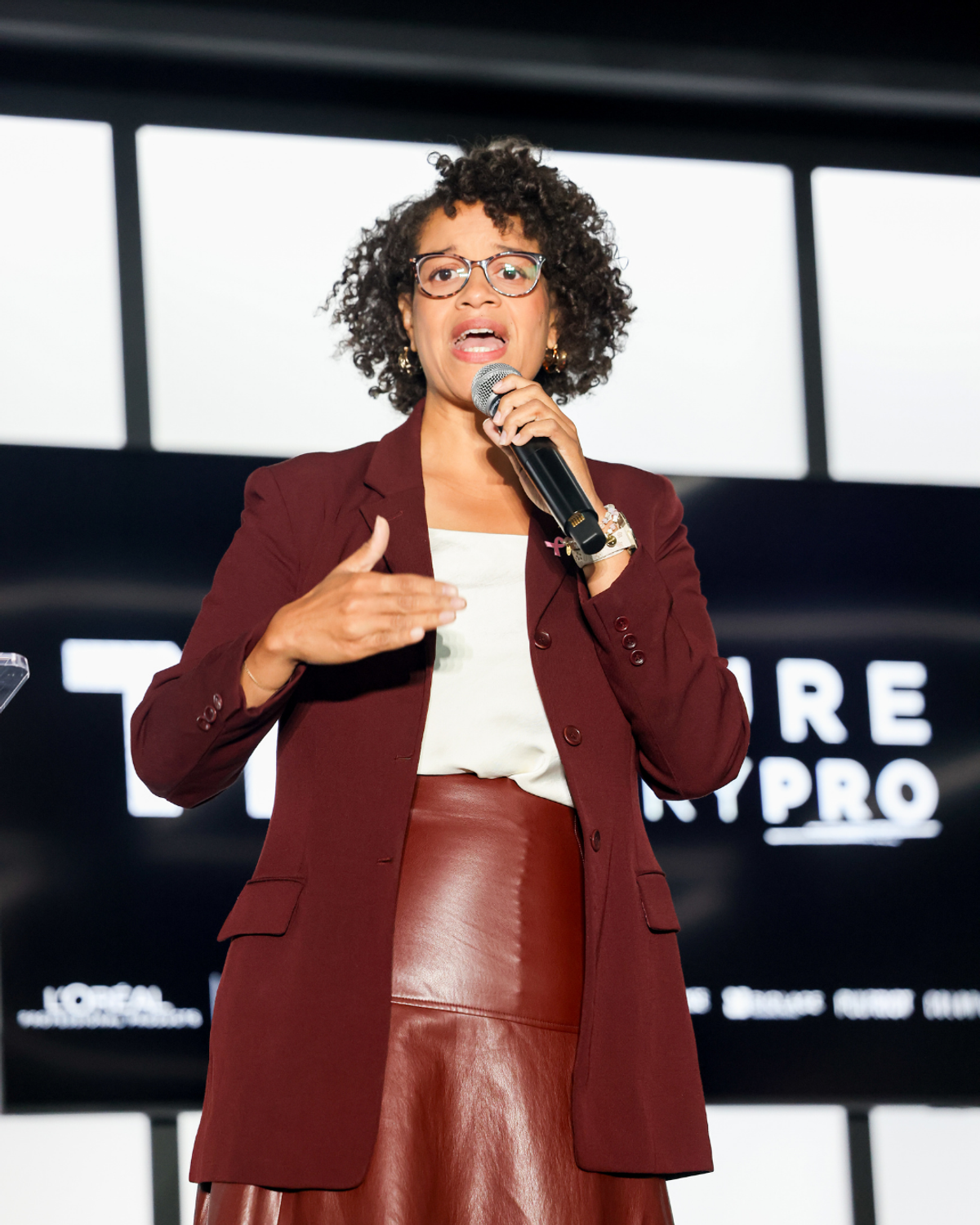
That commitment is already showing up in the law. Through the Texture Education Collective, created with the Professional Beauty Association, textured hair education is now part of cosmetology licensing requirements in nine states, including New York and California. New York Assemblymember Michaelle Solages, a primary sponsor of New York’s law, put the stakes in personal terms. “So many of us have been told our curly, coily hair isn’t professional,” she told the room. “You shouldn’t have to change who you are to fit in.”
A voice in every room
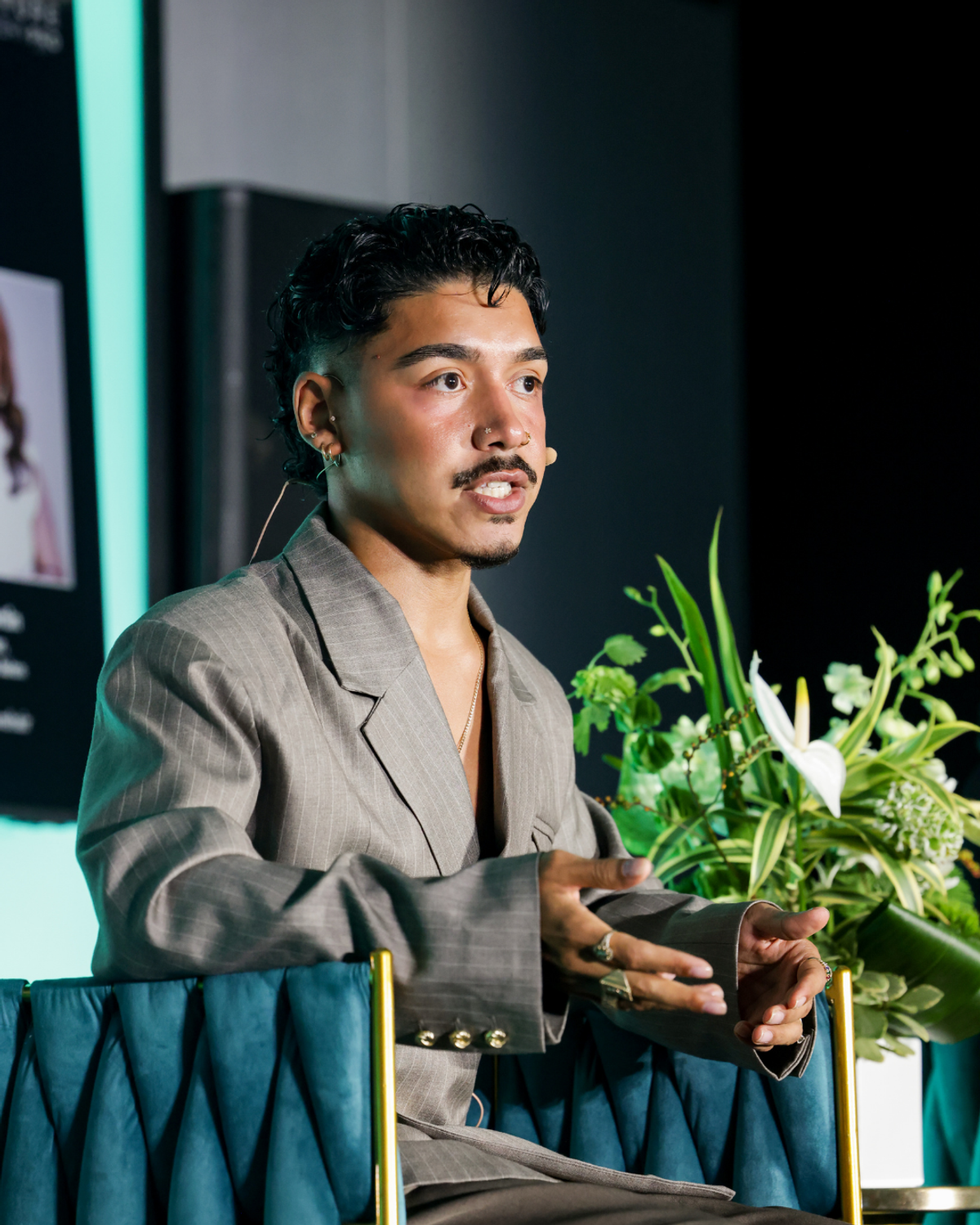
If the laws are changing what stylists learn, the panels focused on who feels welcome in the chair. On the first panel, “Trust Is the Technique: Building Your Texture Business From the Chair Up,” salon owner Marc Mendez, Dhairius Thomas and Hi Texture Salon founder India Bertin joined moderator Olivia Hancock, a beauty editor at Byrdie, to talk about how textured hair education helps stylists grow their skills, clientele and careers. For Mendez, it comes down to making sure that education reaches every stylist. “If we want to be represented correctly and we want to be in every single room, it’s important that everyone knows how to service us,” he said. “I have a six-chair salon, and every stylist doesn’t look like me, and every stylist doesn’t have textured hair, but they know how to service every woman.”
Editorial hairstylist Jawara Wauchope took that idea global. His masterclass, presented with L’Oréal Professionnel, was the event’s only livestreamed class, with viewers tuning in from at least 40 locations across the United States, France, Mexico and South Africa. “Seeing people from all over the world being able to approach textured hair, highly textured hair, feels good,” he said, pointing to a member of his own team with very straight hair whose approach to textured hair he called “amazing to watch.”
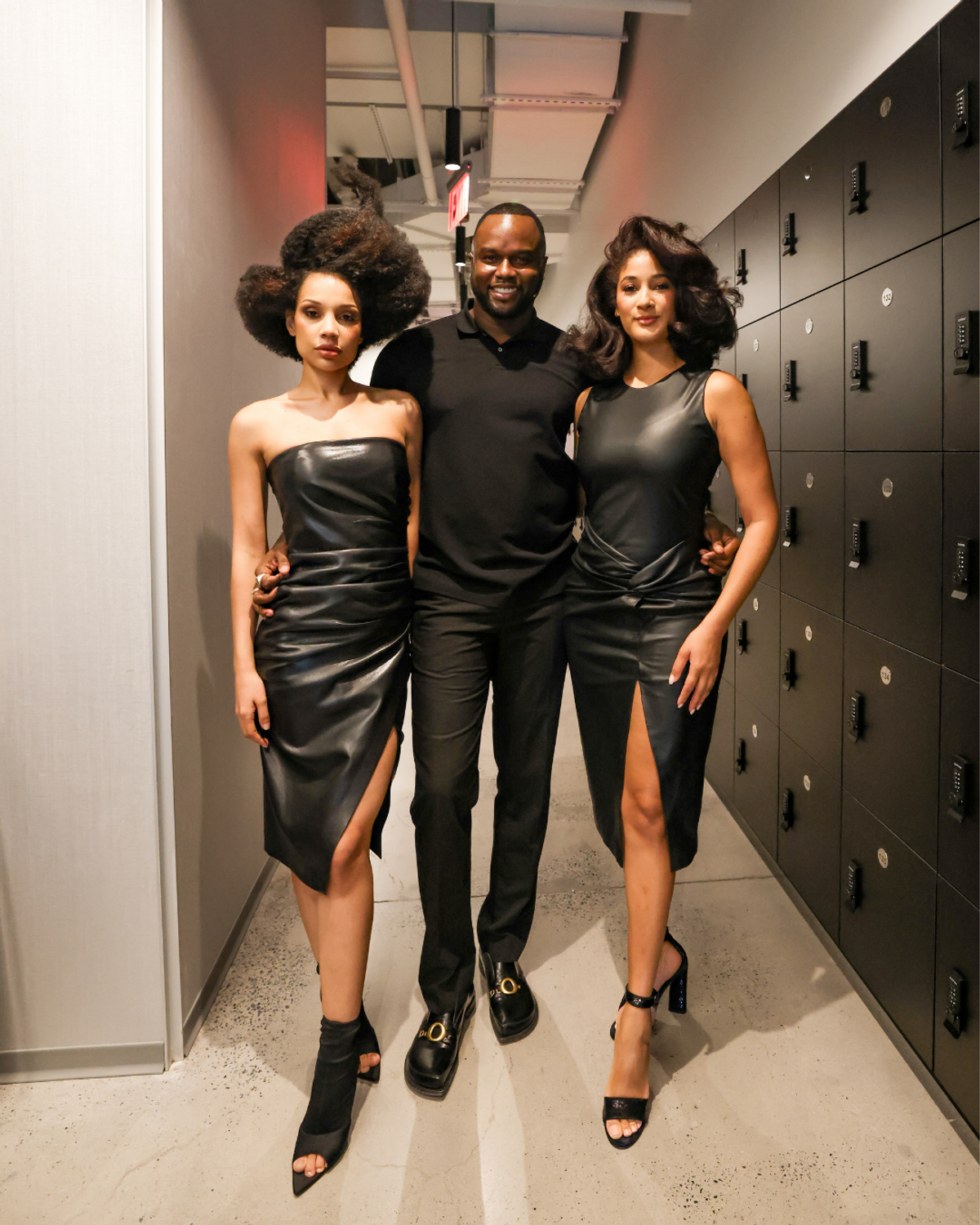
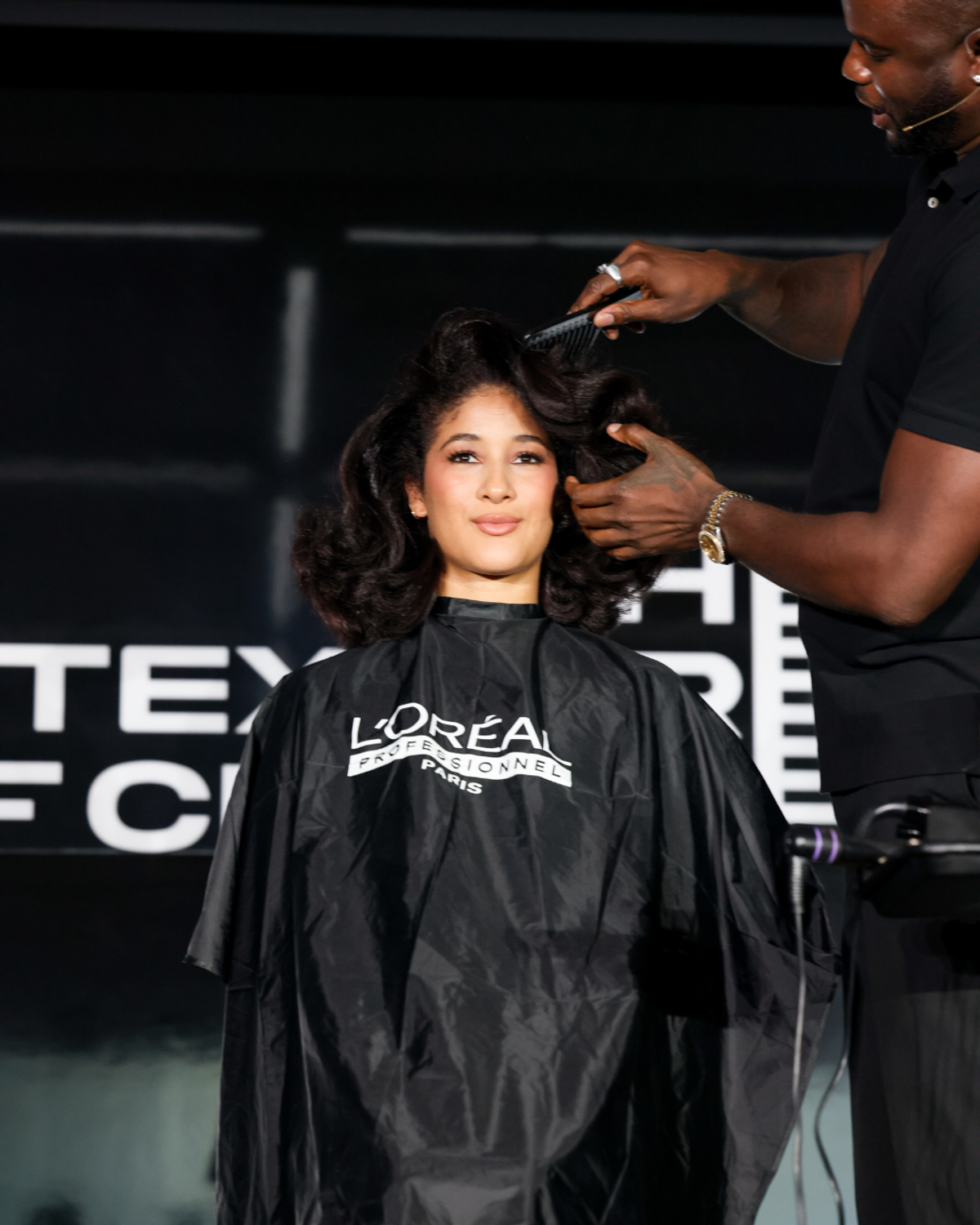
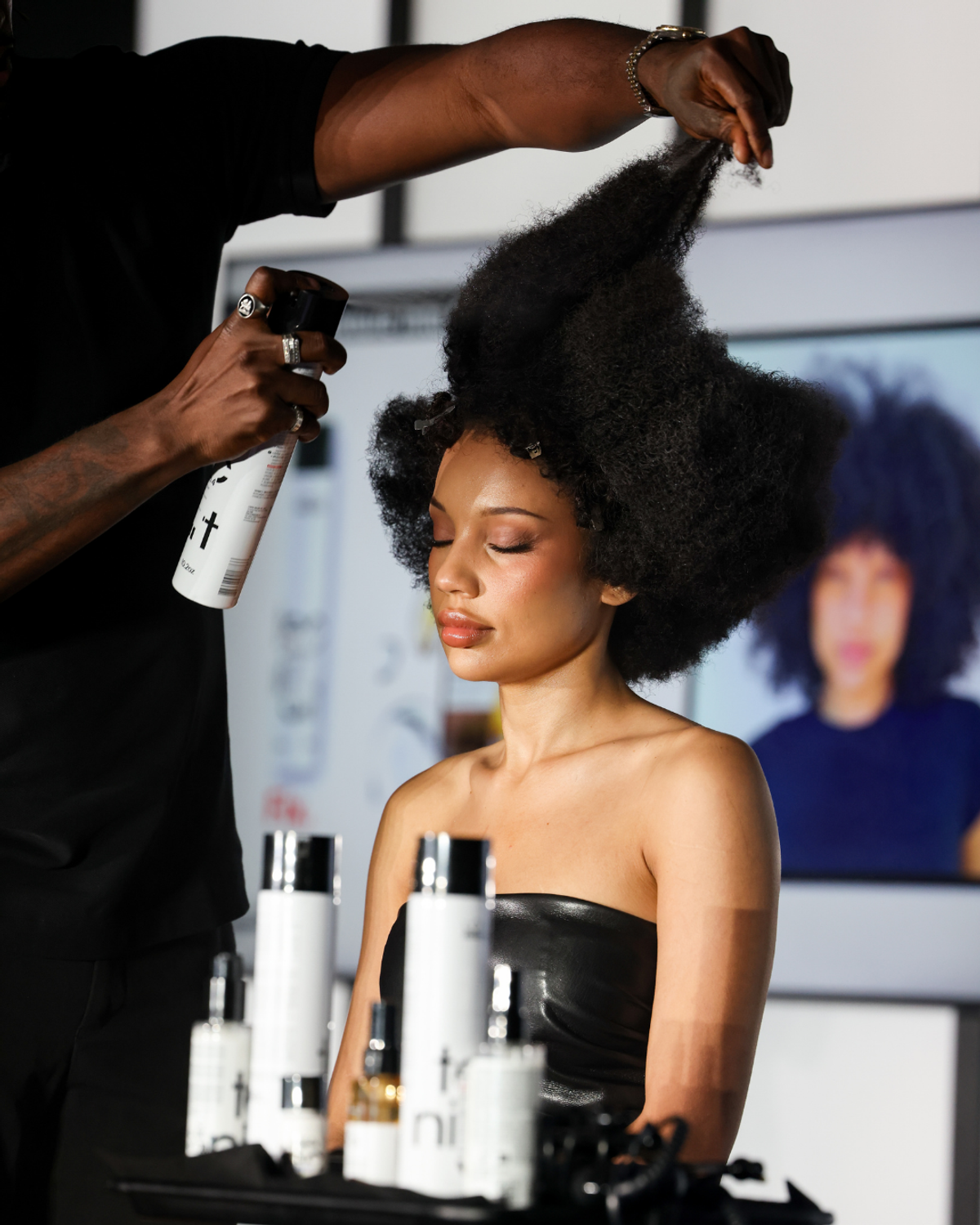
Kendall Dorsey kept the momentum going with “The Finish Factor,” presented by Color Wow, the newest addition to the L’Oréal Professional Products Division portfolio. His masterclass focused on styling and finishing, showing how innovative products and thoughtful application can expand the possibilities for textured hair.
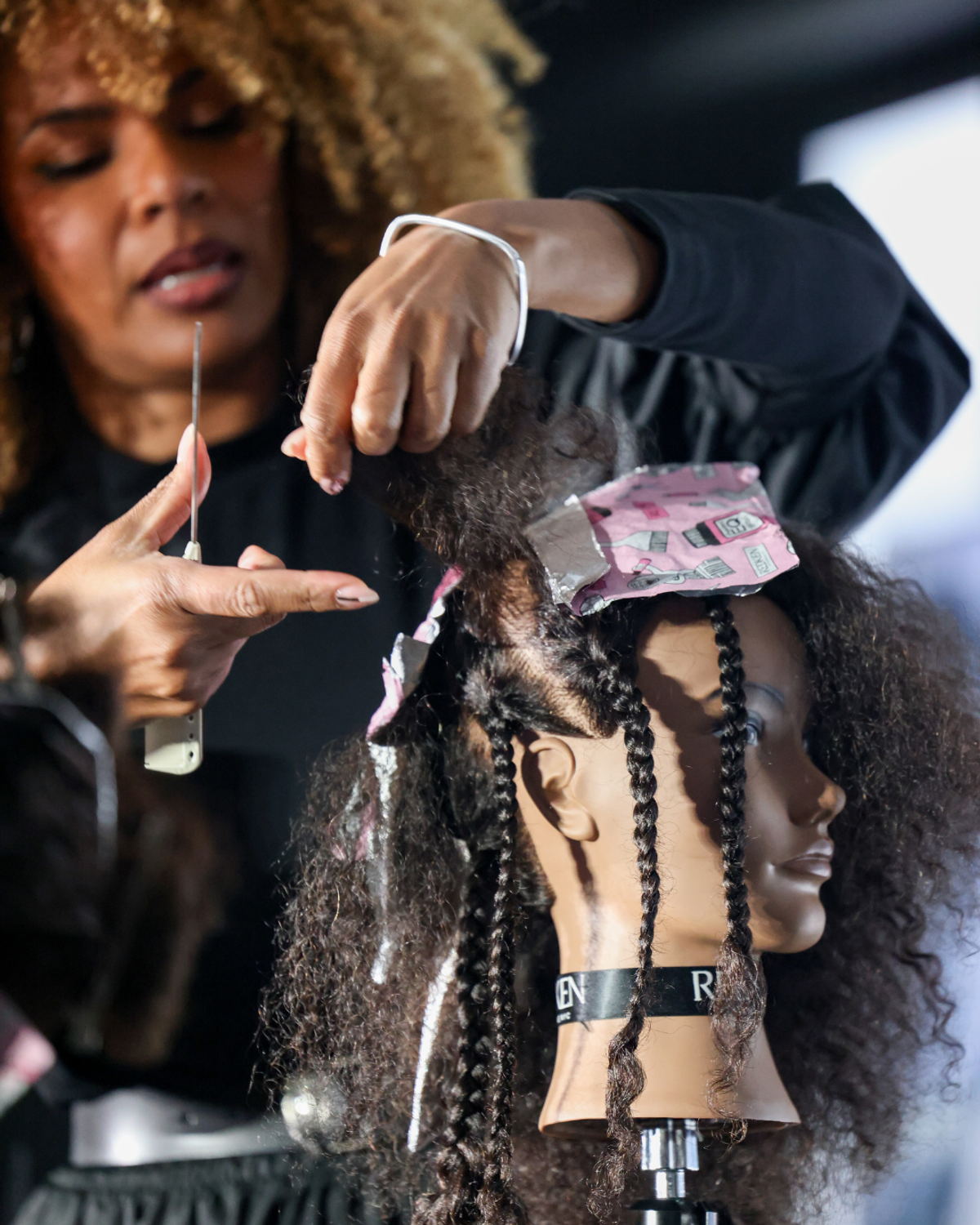
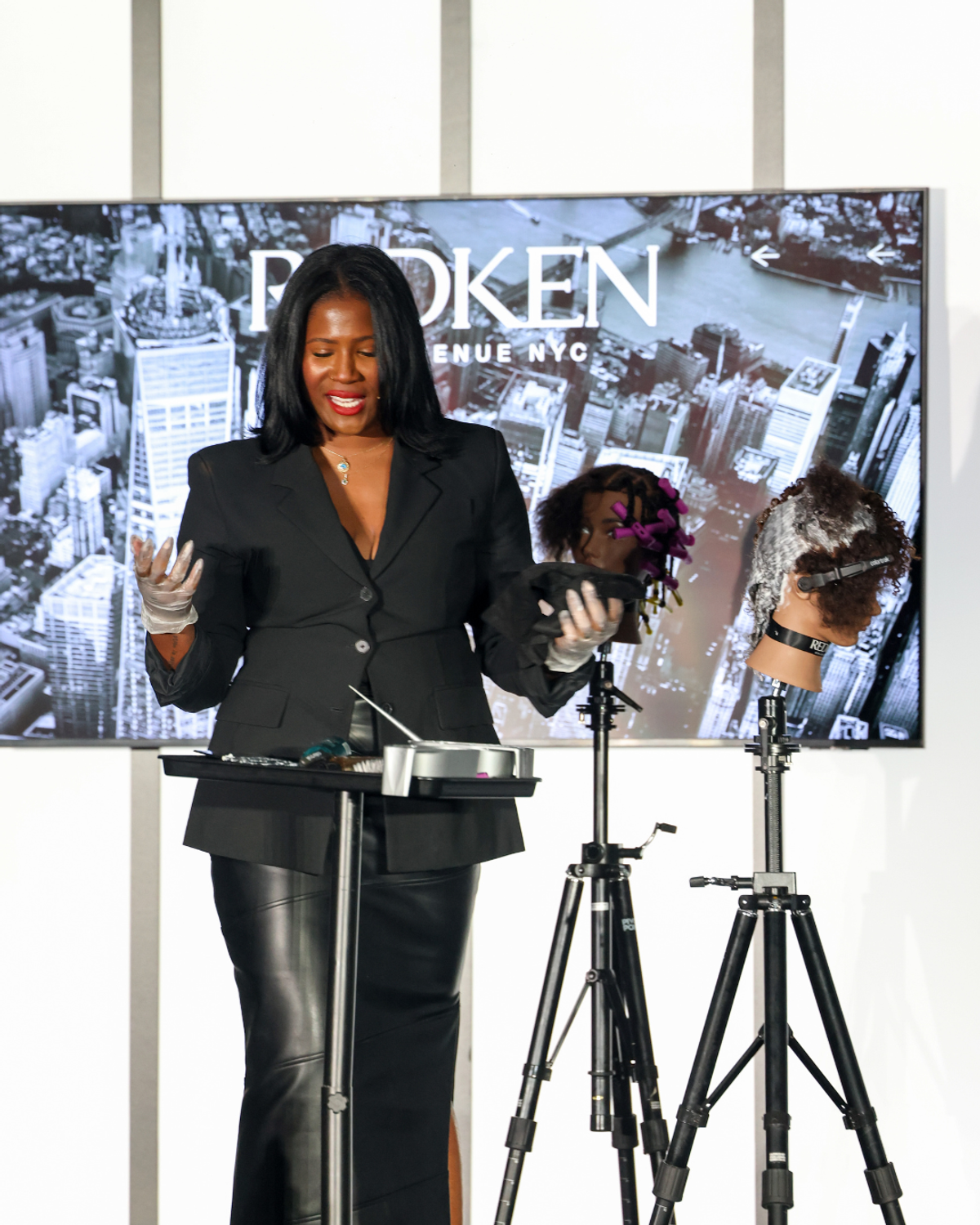
That same confidence was on full display at the final masterclass of the day, which somehow turned out to be the liveliest. Redken’s “Frame the Curl: The Art of Haircolor Contouring” brought Rachel Redd and Leysa Carrillo onstage together for the first time, and you never would have guessed it. The two kept the room laughing with joke after joke while walking us through their color work (talk about multitasking). But under all that banter was a confidence that stuck with me. “The job can be done if you know what you’re doing,” Carrillo said. Not one person who took the stage that day seemed the least bit intimidated by the hair in front of them, and that’s exactly the point. You wouldn’t trust a dentist who seemed unsure which tool to grab, so why should textured hair be any different?
Texture is the culture
Technique was only part of the story. On the second panel, “Texture Is the Culture: The Moments Shaping Beauty’s Next Era,” Kayra Theodore, Davontae Washington and Kérastase head of education Kate Oechsle joined moderator Asia Milia Ware, a beauty editor at The Cut, to explore how textured hair and the creators championing it are reshaping beauty standards. For Theodore, change starts with speaking up. “I believe us as a people, we found our voice over the course of time,” she said. “So when we speak up, that allows the conversation to open up, and it allows people to take action to create that change.”
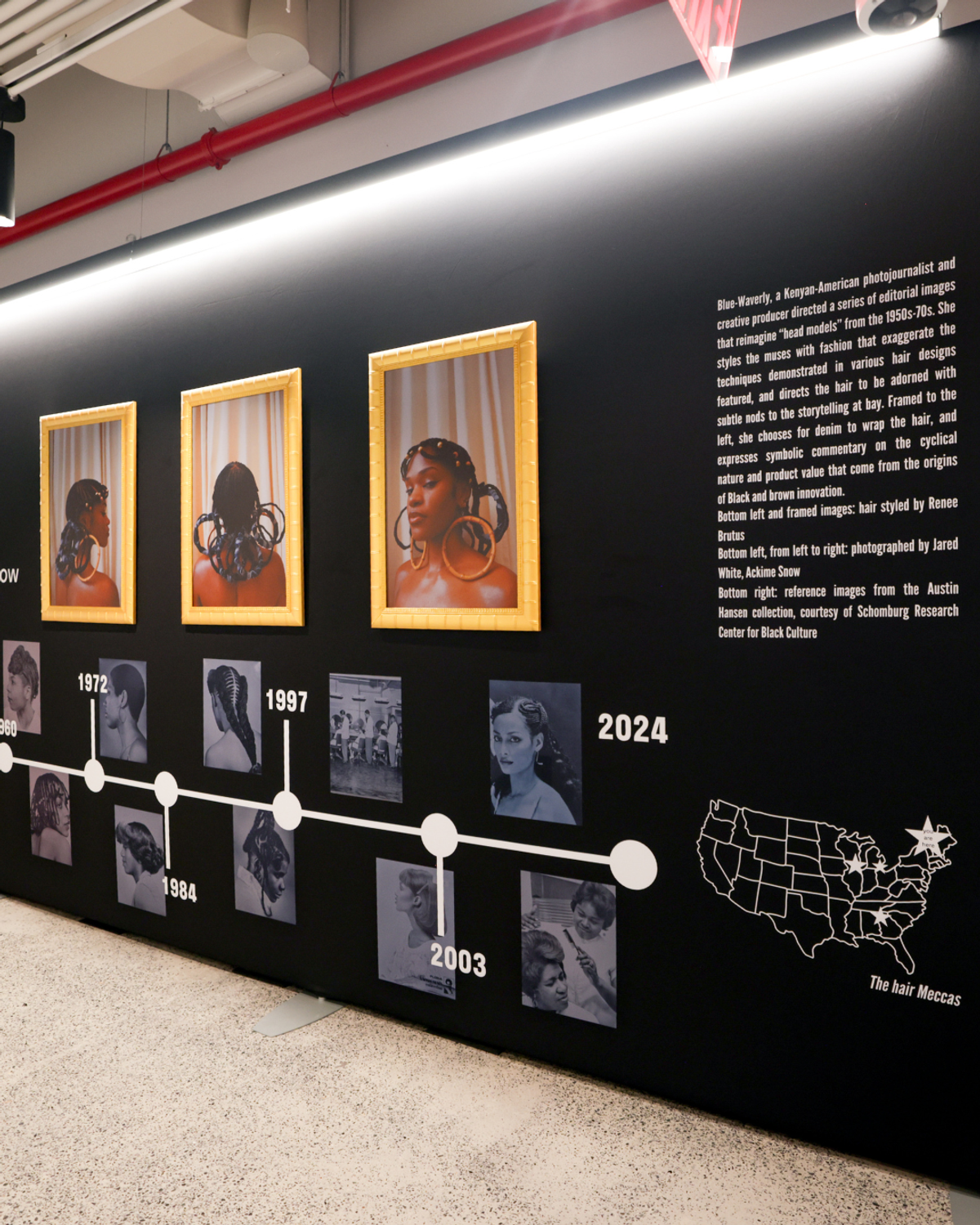
Speaking up also means preserving the stories that came before. Photojournalist and creative producer Blue-Waverly Wahome traced Black hair culture through the evolution of the salon, the hair book and the hair show, and made a case for keeping that history in print. “Having physical media is really important in order for the hair industry to move forward,” she said, “and also for us to even look back at today once we get a few years down the road.”
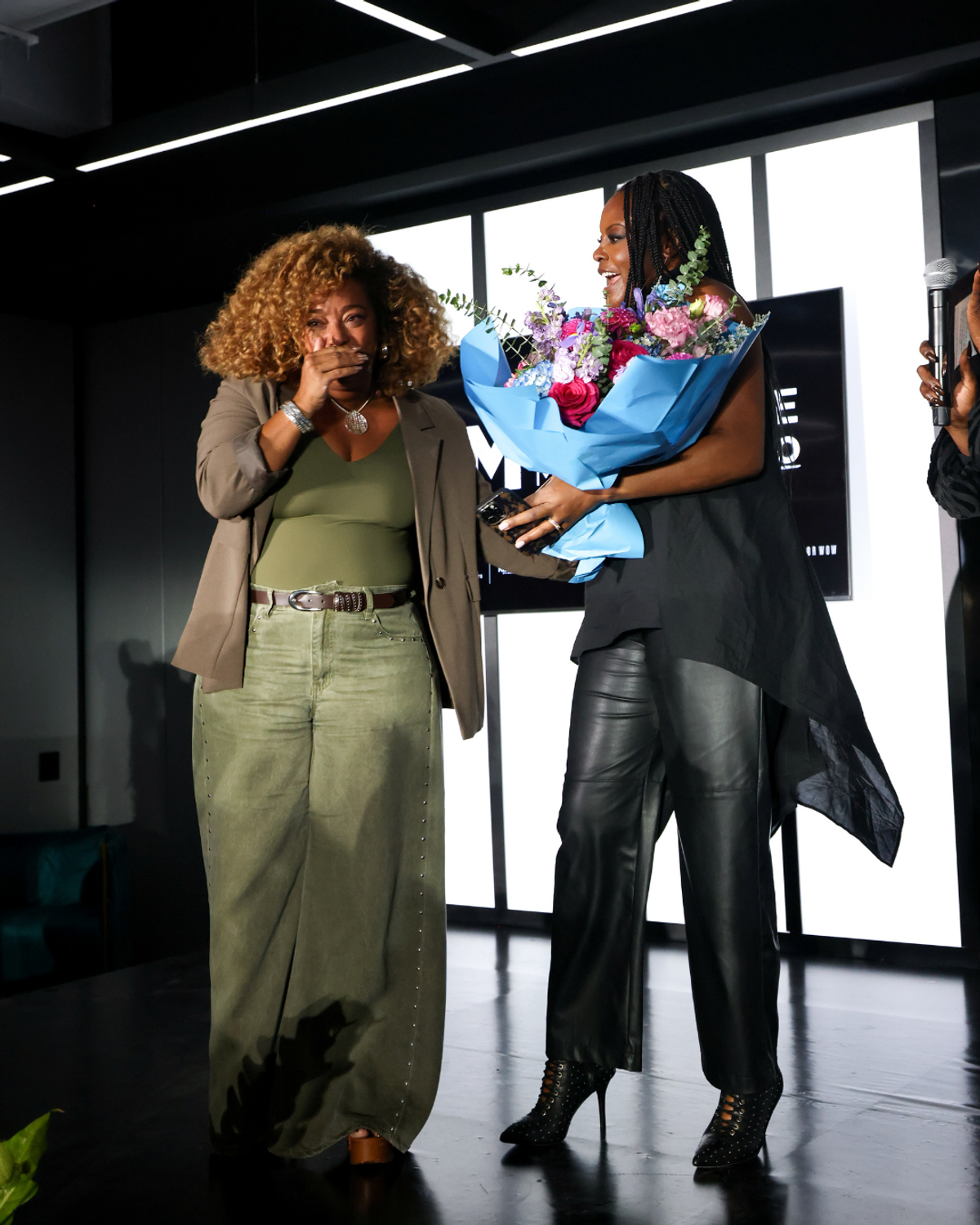
That sense of legacy came full circle during a tribute to Tippi Shorter Rank, honoring her lasting influence through artistry, mentorship and advocacy, including her development of the Mizani AirCut method and her testimony in support of textured hair education legislation in California. “It’s not simply what you accomplish for yourself,” Roberson said in her tribute. “It’s what becomes possible for other people because you were willing to stand up, speak up, teach, advocate and lead.”
What comes next
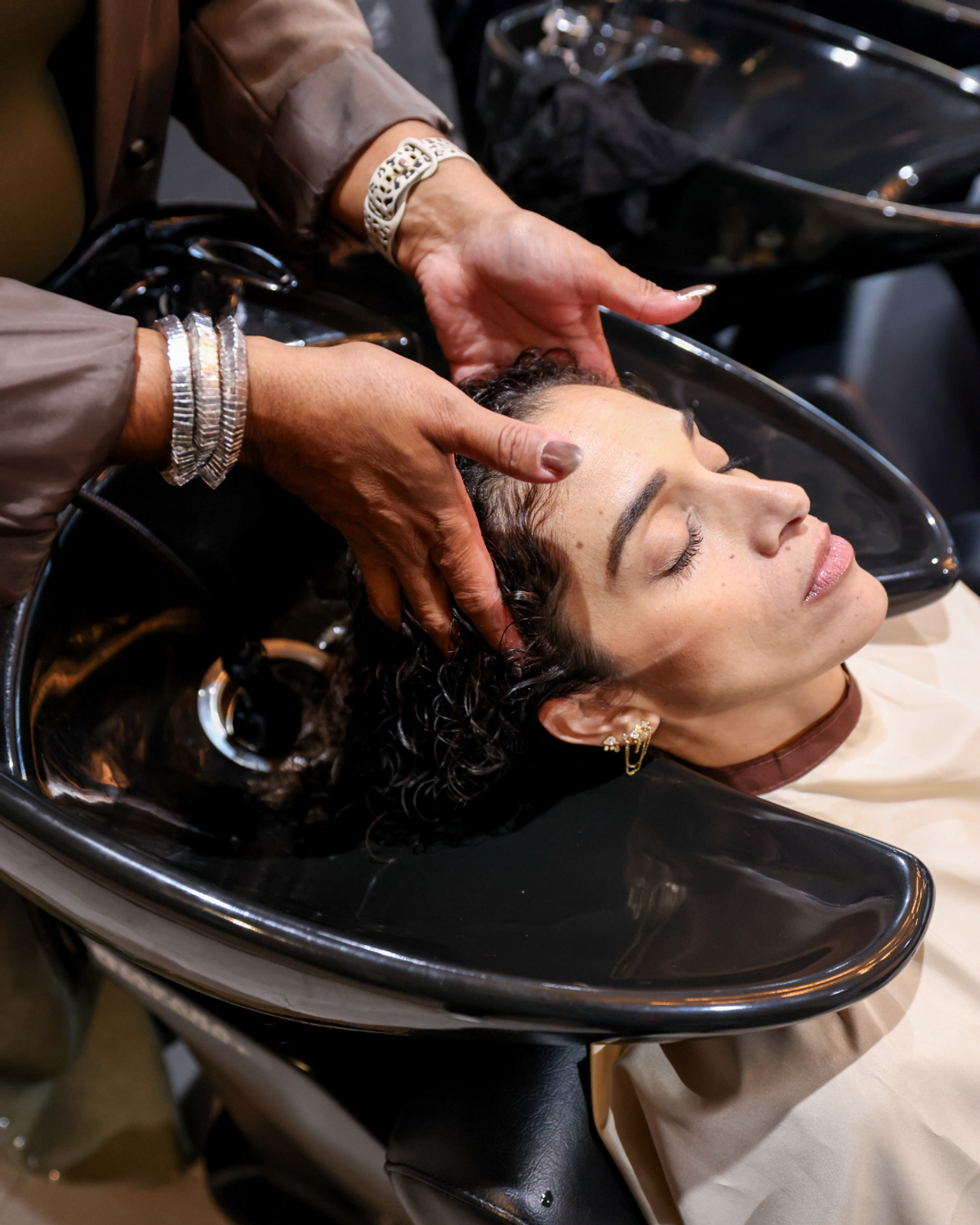
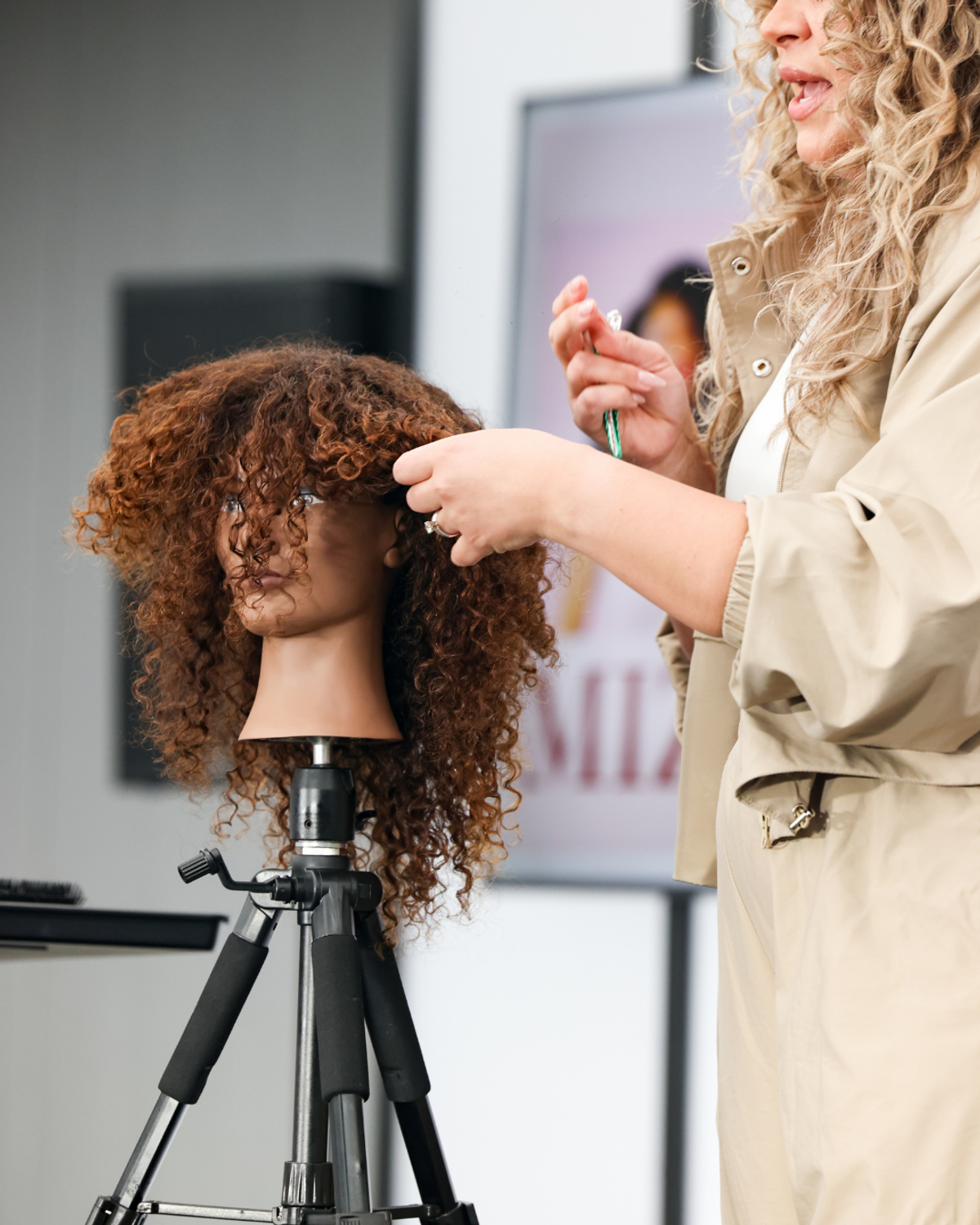
If day one was about voice and legacy, day two was about getting hands in hair. Mizani artist Ashley Brown demonstrated the AirCut method, followed by a hands-on wash-and-go styling session, and Shorter Rank herself led a session on no-bleach highlights designed for curls on dark bases. Kérastase artists Tim Wingate and Lysiane Henderson used K-SCAN scalp and hair analysis to show how personalized care can carry from the salon to a home routine, and Matrix global artistic director Michelle O’Connor closed things out with a class on curl mapping and color placement that works with natural curl patterns.
After a day of watching stylists handle curls with that kind of skill (and humor), I would’ve trusted anyone in that room to cut my hair. In fact, I think I’m finally booking that appointment.
To follow along with the initiative’s education events and resources, head to THE TEXTURE OF CHANGE on Instagram (@thetextureofchange).