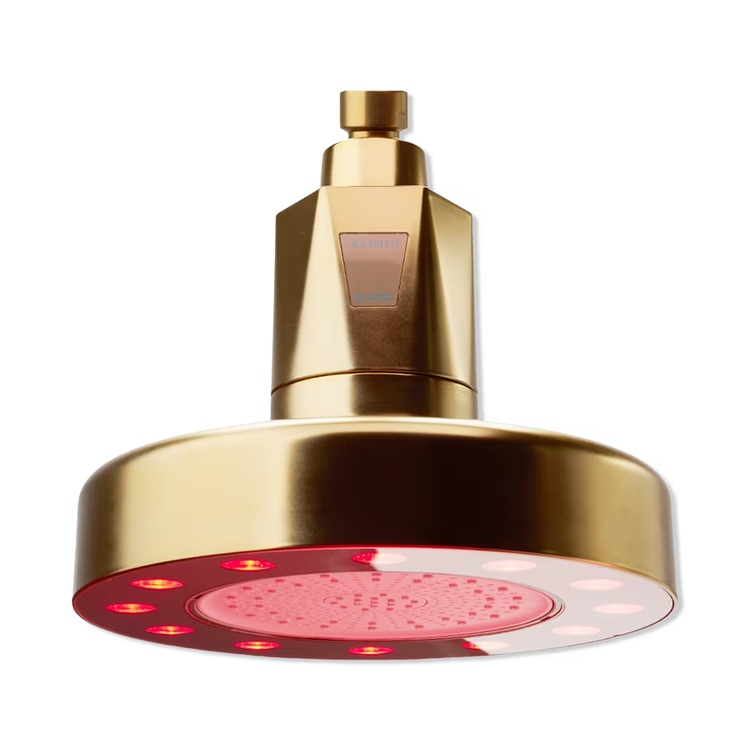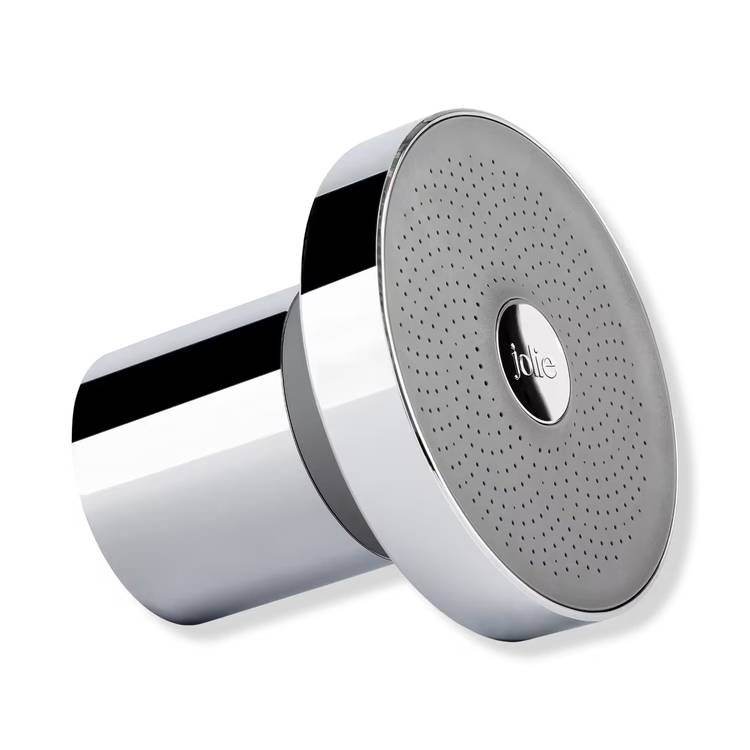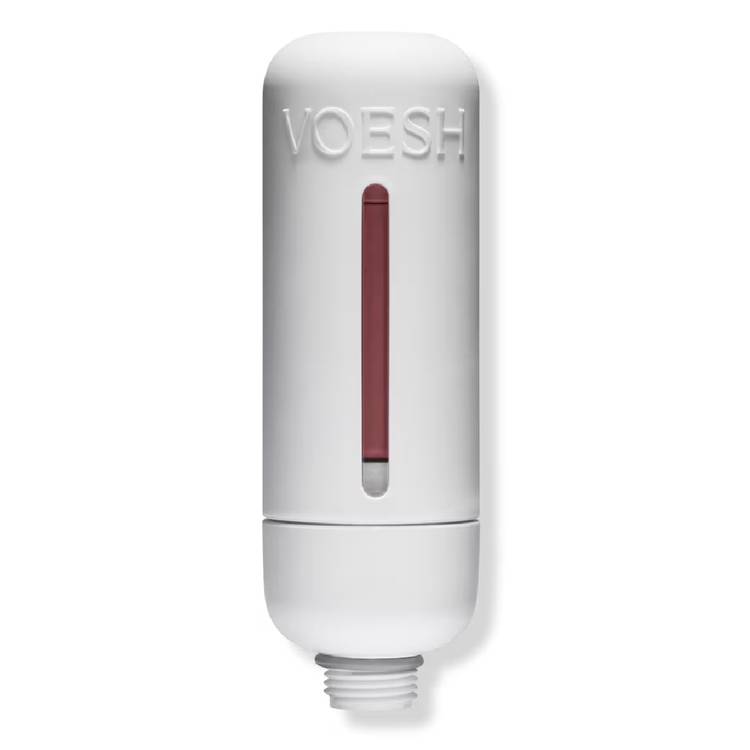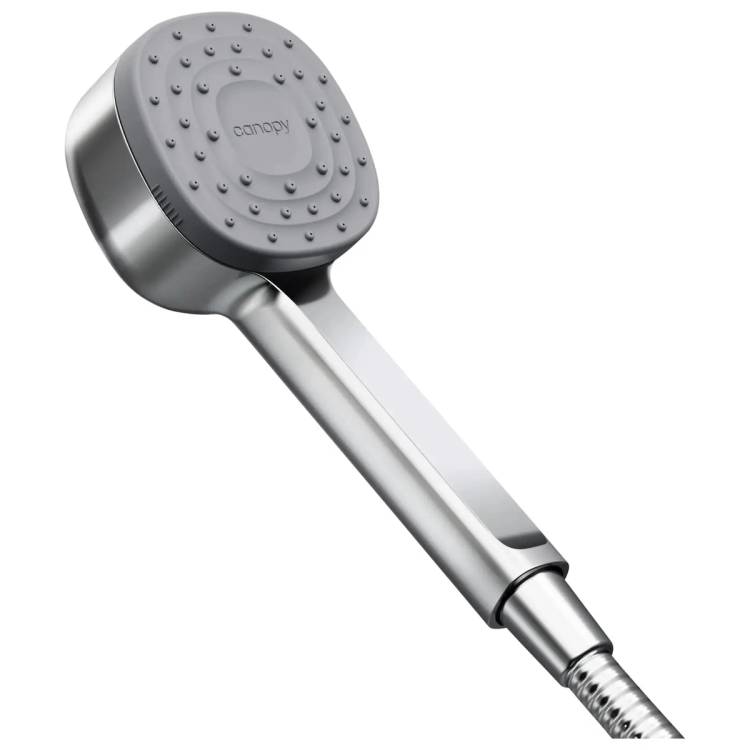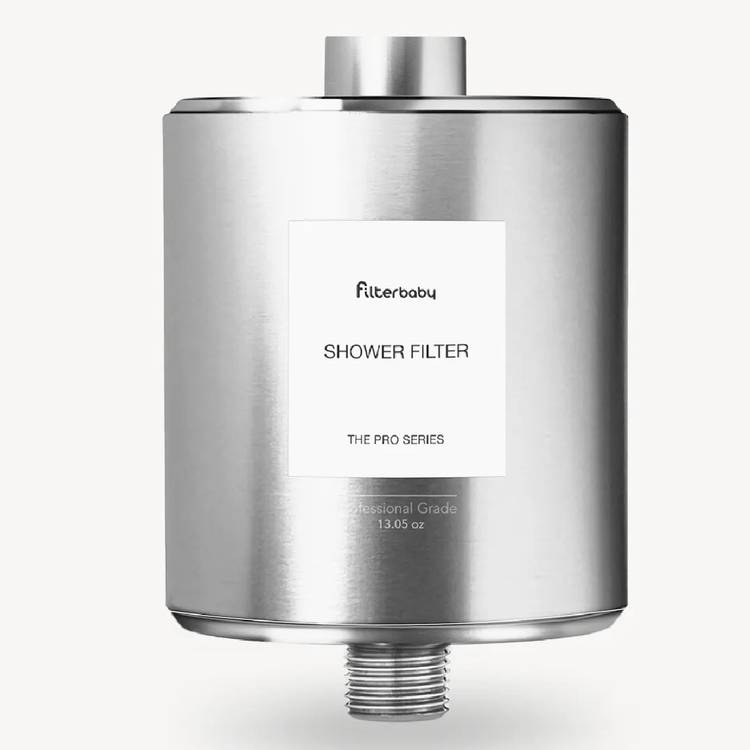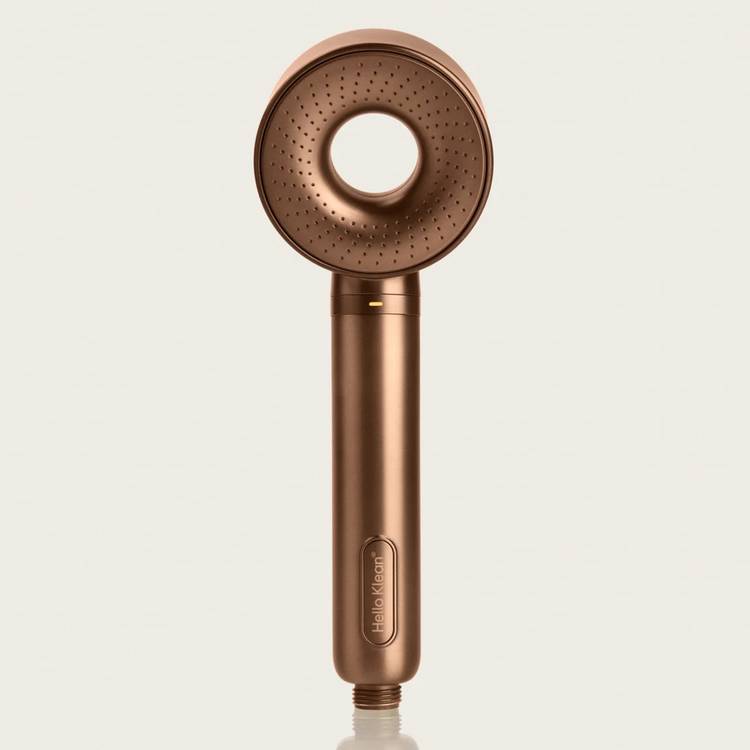

For most of my life, I’ve asked exactly one thing of my showerhead: water. But not anymore. Beauty lovers are upgrading to souped-up versions with built-in filters that strip chlorine and, depending on the model, chloramine, metals and sediment before they ever touch skin or hair. Some go even further, adding red light therapy, aromatherapy and other spa-like extras.
And, there’s arguably no better time than now to make the switch. After a summer of sun, salt water and pool chlorine—all of which can leave skin tight and hair dry and damaged—your shower routine could use a refresh. With dozens of these showerheads now on the market, each promising something different, consider this your guide to what they actually do, and which one is right for you.
What Shower Filters Can—and Can’t—Do
Filtered showerheads, like all beauty gadgets, have their advantages and limitations. Their main job is reducing chlorine, which can dry the skin and rough up the hair cuticle, by converting it into far less reactive chloride, explains cosmetic chemist Julie Pefferman. But on hair already stressed by sun, salt water and pool chlorine, a filter won’t reverse the damage. It can, though, keep your shower from adding to it—and give treatments a better chance to work.
Chlorine isn’t the only culprit, though. Hard-water minerals like calcium and magnesium also accumulate on the hair shaft, while chlorine roughens the cuticle and strips away some of the natural lipids that normally keep hair smooth and flexible, says New York dermatologist Julie Russak, MD. “Over time, that can leave hair feeling dry, stiff, dull and more prone to breakage,” she says.
That mineral buildup is also where these filters fall short. “Most showerhead filters are not water softeners,” warns Pefferman. Softening water actually requires ion exchange or reverse osmosis, technologies built on a much larger scale than a typical showerhead cartridge can handle. So for hard water specifically, it’s a full-blown plumbing project, not a simple showerhead swap.
Choose Your Fighter: Filter Edition
Showerhead filter materials aren’t one-size-fits-all. “Each works through a different chemical mechanism,” says Pefferman. Some go after chlorine; others take on chloramine or metals, too. Here’s the breakdown.
Calcium Sulfite Is the Straight Chlorine Fix
Think of calcium sulfite as the no-frills option. Pefferman says it reduces chlorine and holds up well in hot water. You’ll find it on its own in simpler shower filters and alongside other materials in more elaborate, multistage cartridges.
Worth Knowing: Calcium sulfite only addresses chlorine, not hard-water minerals or metals.
KDF Is the Color Guard
Made from copper and zinc, KDF reduces chlorine and can also reduce metals like copper and lead that enter water through aging pipes. Those metals can leave hair color looking dull or brassy. And if you’ve ever wondered about that mysterious green tinge in blonde hair, here’s the answer: “People often blame it on chlorine, but it’s usually caused by copper deposits in the water, not the chlorine itself,” says Pefferman.
Worth Knowing: It targets metals like lead and copper, with little effect if they’re not in your water.
Vitamin C Is the City-Water Fix
Vitamin C’s presence may sound suspiciously glow-related, but it isn’t in your showerhead to brighten your skin. As ascorbic acid or sodium ascorbate, it “neutralizes chlorine through reduction chemistry,” says Pefferman. Some filters also market it against chloramine, an increasingly common municipal disinfectant, though that claim is less well-established.
Worth Knowing: Vitamin C gets used up as the filter works, so the cartridge will need to be replaced regularly.
Activated Carbon Also Helps Get Rid of Chlorine
Activated carbon (also called activated charcoal) works like a highly porous sponge, adsorbing free chlorine and some organic compounds.
Worth Knowing: Carbon works best in slow, cool water—not exactly what showers offer—which is why it’s often paired with faster materials like KDF.
The Best-in-Show(ers)