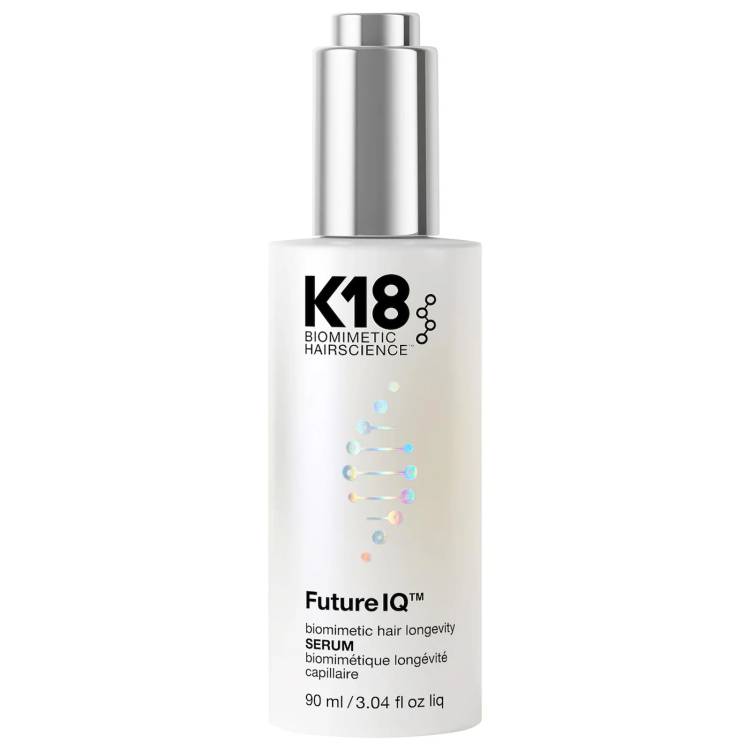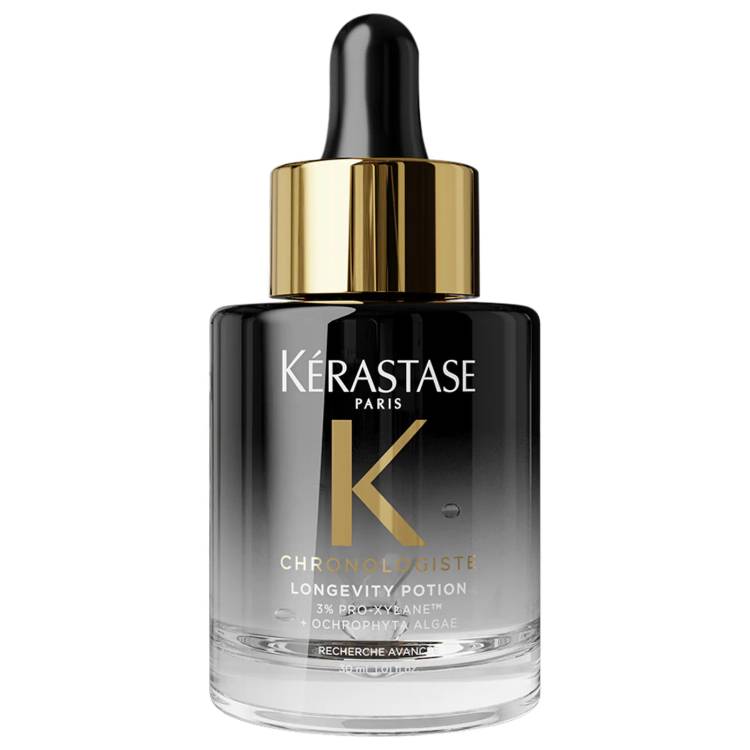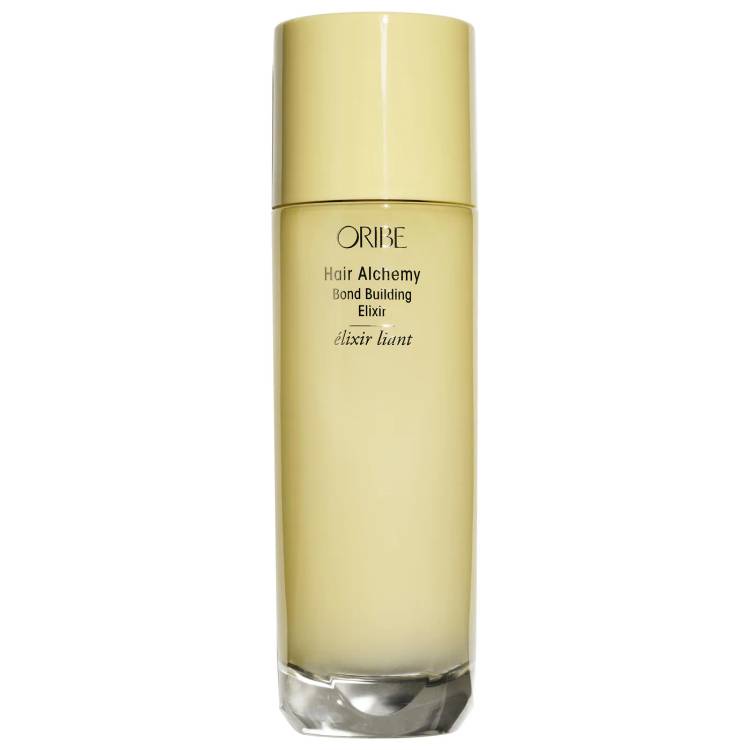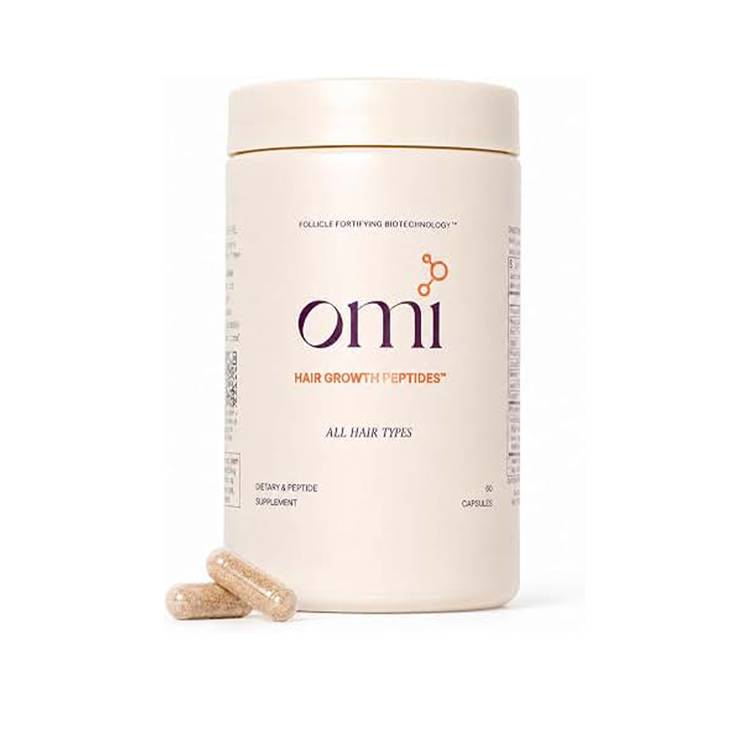

We’ve spent years thinking about the long game for our skin, layering on serums and SPF with an eye toward how our complexion will look a decade from now. Our hair, meanwhile, usually gets attention only once something goes wrong: more strands in the shower drain, a part that looks a little wider, a ponytail that suddenly feels thinner. That reactive approach is starting to shift. Hair longevity, the idea of protecting your hair’s health and density for as many years as possible, is the latest frontier.
What Is Hair Longevity?
“Hair longevity is keeping your hair at its personal best for as many years as possible,” explains trichologist Shab Caspara, founder of Caspara Hair Preservation Studio. “This means making decisions for your hair based on the future, as well as the present moment, and incorporating future-proofing treatments, techniques, protocols or salon visits,” says hairstylist Tom Smith, founder of AEVUM Salon. Essentially, it’s all about being proactive about your hair health. “Hair longevity is really about protecting the integrity of the hair every single day,” adds celebrity hairstylist Adir Abergel.
While quick fixes are popular thanks to immediate gratification, hair longevity is a shift away from this. “The goal isn’t a quick burst of regrowth. It’s keeping follicles producing thick, strong hair for longer and slowing the gradual thinning that comes with age, hormones and stress. I think of it as the hair version of healthspan,” says Caspara. When doing our skin care, we’re not only thinking of what our complexion will look like immediately after, but also for years to come. Hair longevity shares the same ethos. Kerry Yates, a trichologist and founder of Colour Collective, says it all comes down to maintaining a balanced microbiome, sebum control, follicle fitness, and healthy skin and scalp.
When to Start Thinking About Hair Longevity
People tend to forget about hair health until their strands are already falling out or graying. “If you can think back to a time when your hair growth, scalp, density or hair health has been naturally better, that means you have potential to work on getting back closer to that,” says Smith. Caspara adds that the “best time to start is when you first notice more shedding, a wider part, or a ponytail that feels thinner. Follicles tend to change quietly for years before you notice anything in the mirror, and many people have lost a meaningful amount of density before they see thinning.”
Abergel says that “hormonal shifts, stress, heat and color damage all add up, and prevention is easier than trying to get density back later. Additionally, people should be extra mindful of taking care of their hair after pregnancy, around perimenopause, and after any major stress or illness, because shedding often increases then.”
Habits to Promote Optimal Hair Health
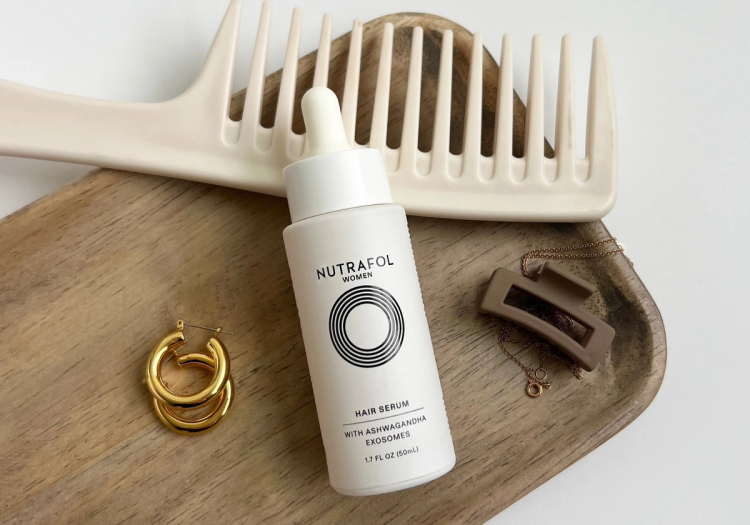
Let’s start with the basics: Washing your hair well with the right kind of shampoo for your hair is essential. Caspara recommends also adding a targeted scalp serum to your daily routine, the same way you would use a serum on your face.
There’s another overarching theme, according to the experts: Be gentle. “Slower detangling, looser hairstyles, lower heat,” says Smith. “All these habits compound over time to preserve hair health. Work with your hairstylist to ensure your color plan and how you’re styling your hair are as gentle as they can be while still achieving your aesthetic.”
There’s also good news for self-care lovers: A massage a day may help keep shedding away. “Massaging the scalp a minimum of four minutes daily will relieve tension and tightness while improving blood circulation,” says Yates. “Several studies have shown that simple scalp massage can improve scalp health and decrease hair fall.”
Smith recommends being proactive about incorporating future-proofing protocols, like red light therapy, microneedling or intensive products. Lifestyle choices also matter because “hair is one of the first things the body deprioritizes,” says Caspara. Smith adds that “hair health is connected to overall health, so getting enough protein, iron and sleep can make a real difference in supporting stronger, more resilient strands.”
Sometimes, you need to call in backup. If you’re concerned about your hair health or growth, Smith suggests making an appointment with a dermatologist who specializes in hair and can prescribe personalized supplements, medications or other treatments. Caspara says another option is to see a trichologist. “Track any changes you notice in your part or hairline with photos.”
The Products