This article first appeared in the Spring 2019 issue of NewBeauty. Click here to subscribe.
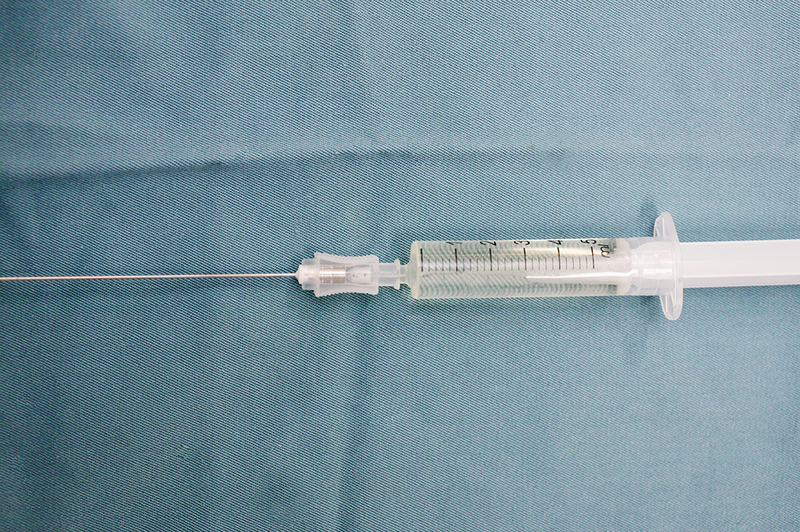
If you’ve ever watched a web of spider veins vanish before your eyes, you’re perhaps already familiar with sclerotherapy. (Thank you, Instagram.) During the treatment, doctors inject an irritant solution into offending veins, which damages their linings, causing them to collapse and shrivel, or close up altogether. Calves and ankles have long been popular targets, but hands, it seems, are the next frontier. “I find most people’s biggest complaint is the unsightliness of the veins,” says New York plastic surgeon Steven M. Levine, MD. With light sclerotherapy, “we can significantly shrink the visible surface level veins on the backs of the hands.” (Published data is scant, however.)
You May Also Like: Are Your Varicose Veins a Sign of a Bigger Health Issue?
These vessels may look important, but Dr. Levine contends they can be diminished without impacting the hand’s function: “Known as reticular veins, they have a great amount of redundancy, specifically within the deeper venous system below the muscles.” Due to their size (between 2 and 5 millimeters), the aforementioned disappearing act may not happen with hands. “The veins typically lighten with the inflow of the sclerosant, and then contract, but can take up to three weeks to fully resolve,” says Dr. Levine (following one to three treatments). The procedure generally isn’t painful enough to warrant numbing cream, but for those wanting to distract from the needle sticks, “we can use cold and mechanical pressure to overload sensory nerves,” says New York vein specialist Luis Navarro, MD. Following injections, hands are wrapped for a day or two to minimize swelling. “The treated veins usually don’t come back,” adds Dr. Navarro. “In the small percentage of patients who do see them recur, it’s five to 10 years later.”