Often touted as “nature’s Botox” or a natural alternative to lip filler, peptides have steadily made their way into nearly every type of skin-care formula. Brands are rushing to pack their products with these tiny but mighty molecules, which act as messengers between skin cells to help boost collagen production, repair damage and improve elasticity.
Whether found in serums, moisturizers, lip treatments or eye patches, topical peptide products are hyped for reducing wrinkle severity and plumping skin, but like any skin-care ingredient, there’s more nuance when it comes to what peptides really do, how to use them and which formulas are actually worth your hard-earned money.
To get to the bottom of how peptide products can help support skin’s aging process—and the best options to try—we tapped two board-certified dermatologists for their expertise and recommendations.
Featured Experts
- Julie Russak, MD is a board-certified dermatologist in New York
- Kenneth Beer, MD is a board-certified dermatologist in West Palm Beach, FL
What Are Peptides?
“Peptides are short chains of amino acids that serve a number of crucial functions for the skin and the body,” says West Palm Beach, Florida dermatologist Kathleen Beer, MD.
New York dermatologist Julie Russak, MD adds these functions include communicating with cells and telling them how to behave, whether that means producing collagen, repairing damage or reducing inflammation. “[Peptides] are a broad and rapidly evolving group of molecules, each designed with a specific function in mind,” she says. “Some are structural, some are signaling and some are neuromodulatory in nature.”
How do Peptides Benefit the Skin?
“Peptides support the skin by influencing how it functions rather than forcing it to turn over more quickly,” explains Dr. Russak. In practice, that means peptides can help stimulate collagen production, improve skin elasticity, support repair processes, provide antioxidant properties and reduce inflammation.
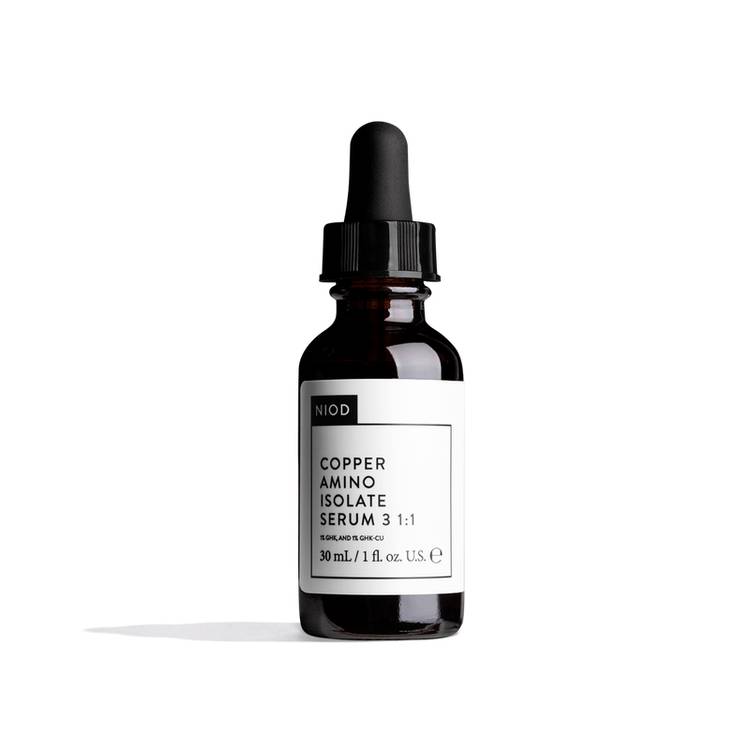
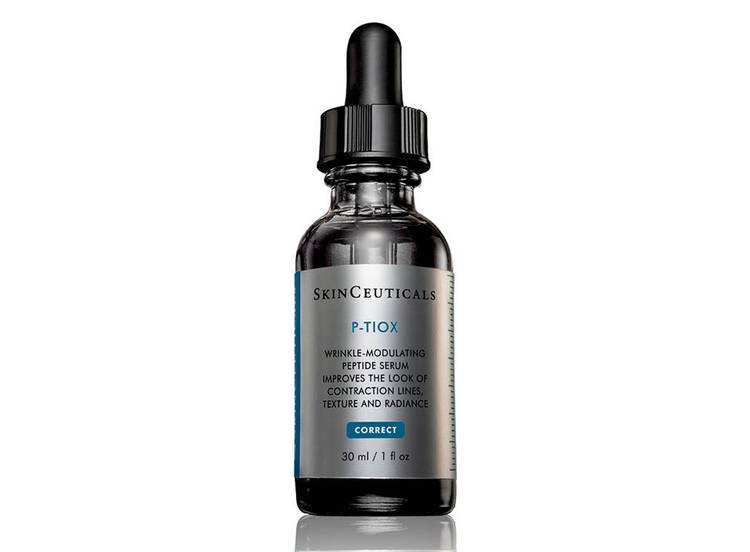
“Peptides can have numerous benefits for the skin depending on the category,” says Dr. Beer. Those categories can include signal peptides, which Dr. Beer explains help trigger collagen production by sending a “signal” to the body. Neuropeptides work to decrease wrinkle formation by relaxing the muscles affected (similar to Botox Cosmetic), but Dr. Russak notes these “are designed to modulate neurotransmitter release in a more nuanced way, influencing expression lines without fully inhibiting movement.” She notes this nuance creates a softer, more physiologic effect that is more in tune with modern aesthetic goals. Carrier peptides deliver or “carry” beneficial elements, like copper, to the skin. Copper peptides, such as GHK-Cu, are a type of carrier peptide and play a role in tissue repair, angiogenesis and anti-inflammatory signaling, says Dr. Russak.
“Another area of interest is peptides used alongside growth factors and exosomes,” says Dr. Russak. Together, “they function as part of a broader signaling environment rather than as isolated actives. In these systems, peptides help coordinate repair by enhancing cellular communication and improving how skin responds to injury, inflammation and aging over time.”
“Unlike more aggressive actives, peptides tend to work in a more regulatory way,” Dr. Russak notes. “They are particularly useful for patients who are looking to improve fine lines but cannot tolerate stronger ingredients, or for those who want to support skin quality without compromising the barrier.”
Where Do Peptide Serums Fit Into a Skin-Care Routine?
Dr. Beer and Dr. Russak agree peptide serums are generally well-tolerated and recommend daily use, preferably in the morning (especially if paired with antioxidants), after cleansing and before heavier creams.
Do Peptides and Retinoids Pair Well Together?
If you’d prefer to add a peptide serum to your nighttime routine as well, good news: Dr. Russak and Dr. Beer both confirm peptides are complementary to retinoids too, so you don’t have to make any big switch-ups or part with your favorite vitamin A. “Both work in separate mechanisms to treat photoaging and fine lines and wrinkles,” explains Dr. Beer.
“At night, [peptide serums] can either complement retinoids or replace them on recovery nights,” adds Dr. Russak. “This concept of cycling, alternating between stimulation and repair, often leads to better skin quality than continuous use of stronger actives.”
Dermatologist-Recommended Peptide Products to Try