For years, I began my mornings the same way: counting the hairs on my pillow. I would check my brush, meticulously comparing how much hair I had shed that day to the day before. Many women know this ritual well. Hair is deeply tied to our sense of femininity, and watching it thin can feel both frustrating and confusing, especially when you take excellent care of your health.
Early Beauty Habits
Beauty has always been part of my life. My grandmother introduced me early to the rituals of skin and hair care, and I grew up fascinated by products, ingredients, fragrance and the way they could transform how we feel in our bodies. Like most women, beauty products were personal to me—thoughtful and chosen with care. As a teenager in the 1980s, I worked in an upscale drugstore that carried luxury makeup, hair care and perfumes. I spent much of my paycheck on the products I loved.
By my early twenties, I had already adopted a low-toxin, intentional approach to beauty. I chose cleaner products, paid attention to ingredients and believed I was making thoughtful decisions about what I put on my body.
When Hair Loss Started
Yet by my mid-thirties, my hair began thinning. Regrowth slowed, shedding increased and despite trying supplements, treatments and various protocols, my hair never returned to what it once was. And I am not alone—roughly 45 percent of women will experience hair thinning or hair loss in their lifetime.
It wasn’t until last year, when I was diagnosed with Mast Cell Activation Syndrome (MCAS), that I began to understand what might be happening.
Understanding the Fragrance Connection
MCAS is a condition in which mast cells—key players in the immune system—release inflammatory mediators such as histamine in response to triggers. For many people with MCAS, these triggers include foods, environmental exposures and chemicals. Fragrance is one of them.
Research shows that fragranced products can activate inflammatory pathways and provoke both allergic and irritant reactions in sensitive individuals. Fragrance ingredients are among the most common causes of cosmetic allergies worldwide, and reactions can occur even in rinse-off products like shampoos and conditioners. Over time, repeated exposure may contribute to chronic inflammation of the skin and scalp.
Fragrance exposure is far broader than most people realize. It’s not just perfume. It appears in shampoos, conditioners, lotions, detergents, cleaning products, candles and even items marketed as “natural” or “clean.”
Letting Go of Fragrance
For much of my low-toxin life, fragrance was the one indulgence I allowed myself. I loved the ritual of spraying perfume and stepping into a soft cloud of scent before leaving the house. It felt emotional and nostalgic, something passed down to me from my grandmother. With this ritual, it felt as though my grandmother was still with me.
But after my MCAS diagnosis, I had to take a much closer look at every exposure touching my skin, scalp and environment. In April of 2025, I made a decision that felt drastic at the time: I removed fragrance entirely from my life.
No perfume.
No scented shampoo.
No fragranced detergents.
No essential oils.
No “natural fragrance.”
I boxed up decades of carefully curated beauty products and began again with a completely fragrance-free routine.
What Happened Next
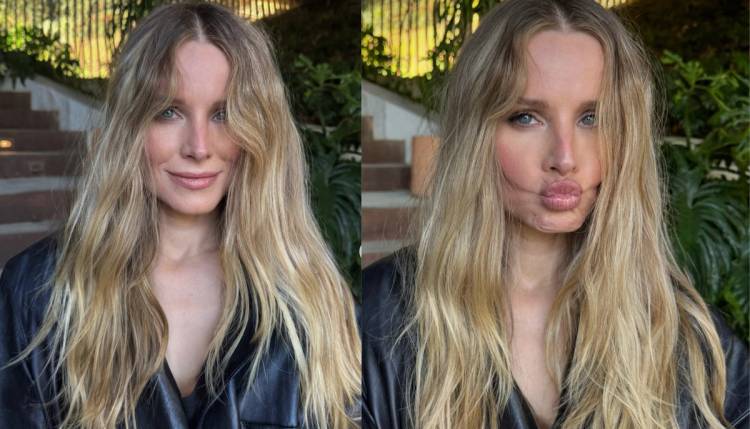
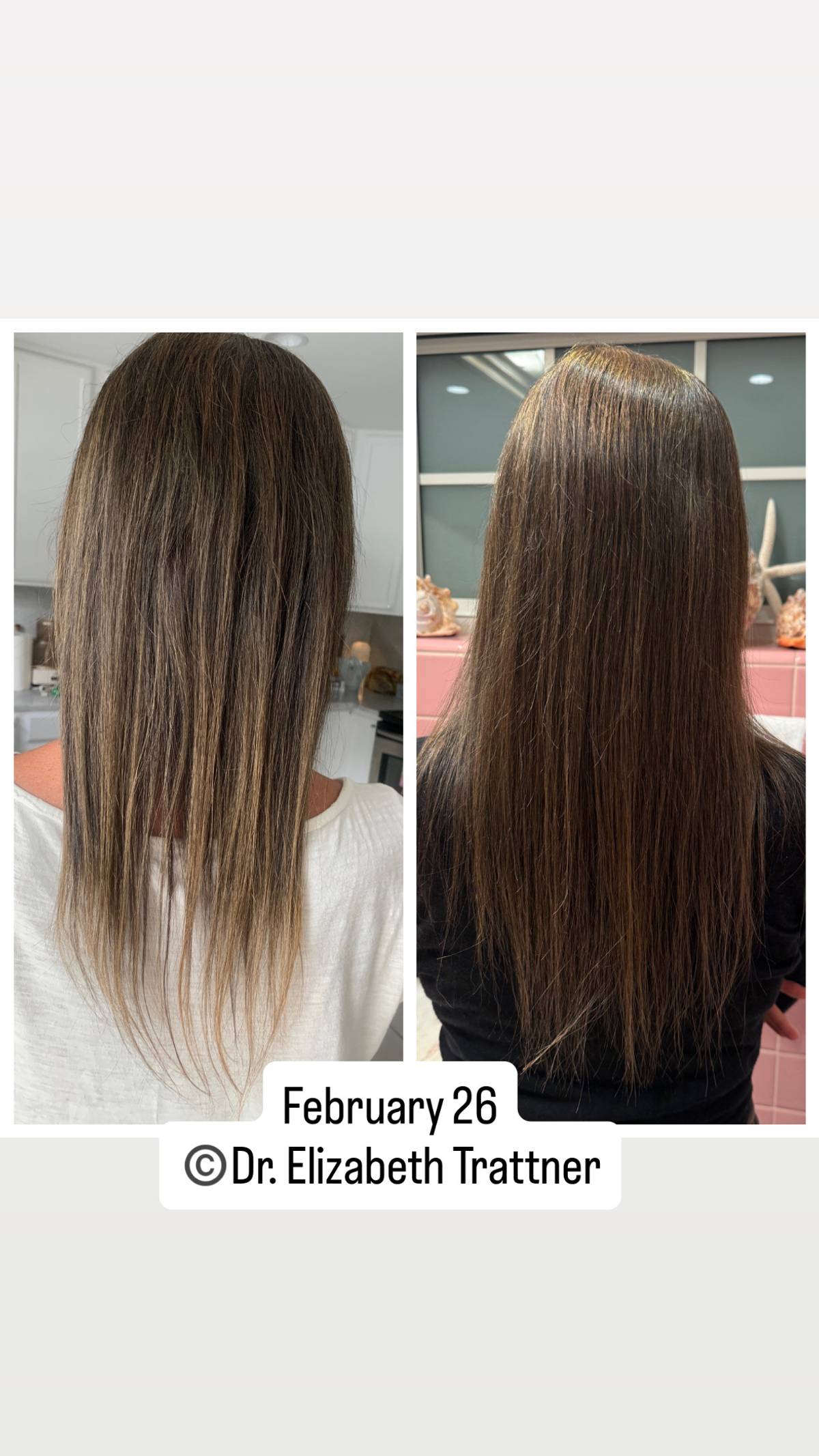
What happened next surprised me. Within months, my hair began growing back. I noticed small baby hairs sprouting along my hairline and throughout my scalp. Density improved. My hair grew faster and fuller than it had in years. The change was significant enough that I began documenting it. Until then, I had never connected the scent in my hair and skin-care products to my hair growth.
Why It Matters for Hair Growth
The scalp is living tissue with a complex immune, vascular and neurological network. When chronic inflammation is present, the hair follicle cycle can shift prematurely into shedding phases. Reducing inflammatory triggers can help restore the environment necessary for healthy follicle activity and regrowth.
Many women experiencing hair thinning focus on treatments alone. They try supplements, topical medications, procedures and even steroid injections. Yet the source of irritation may be something far simpler and far more constant: daily exposure to fragranced products.
Fragrance is rarely a single ingredient. The terms “fragrance” or “parfum” on a product label can represent dozens or even hundreds of undisclosed chemicals blended together to create a scent profile. This makes identifying triggers particularly difficult for individuals with sensitive immune systems.
Research has increasingly linked cosmetic ingredients and fragrance exposure to inflammatory reactions affecting the skin and scalp.
Building a New Routine
Alongside switching to fragrance-free hair care, I incorporated therapies I often recommend to my patients, including acupuncture for hair regrowth and daily scalp massage to support circulation. I also continued cosmetic acupuncture and gua sha as part of my facial-care routine to support skin health and blood flow.
Seeing the change in my own body led me to make a larger decision professionally. I chose to make my clinic, Helia House in Miami, completely fragrance-free. Helia House was designed as a biophilic, non-toxic healing environment for patients dealing with complex inflammatory conditions and chemical sensitivities. Eliminating fragrance from the space—including high-end “green” fragrance products—was a natural extension of that mission.
A Broader Shift in Perspective
Today, I encourage patients to examine fragrance exposure beyond skin and hair care. Laundry detergents, home cleaning products, air fresheners and personal-care items all contribute to the total burden on the body.
Fragrance sensitivity is more common than most people realize, and it does not always present as a classic allergy. It can show up as eczema, acne, migraines, asthma symptoms, immune activation or unexplained hair loss.
Women navigating hormonal transitions such as pregnancy, postpartum recovery, fertility treatment or menopause often experience changes in their hair and skin. Emerging research suggests that chemicals in hair and beauty products may interact with hormonal pathways during these vulnerable periods.
Encouragingly, the medical community has begun to recognize the impact of fragrance exposure. The American Medical Association has formally acknowledged fragrance sensitivity and supports greater transparency in labeling fragrance allergens and ingredients in personal-care products, cosmetics and drugs.
This recognition is pivotal and signals growing awareness that fragrance is not simply an aesthetic choice, but a legitimate health consideration.
The Takeaway
For me, removing fragrance led to visible and measurable hair regrowth. For many of the patients I treat, reducing fragrance exposure has also been transformative for their skin, scalp and immune health.
Fragrance-free beauty does not mean beauty without intention. It means choosing products and practices that support the body rather than stress it. Sometimes the most powerful beauty decision is not what you add to your routine, but what you remove.
Fragrance-Free Products That Supported My Hair Regrowth
Transitioning to fragrance-free living takes some adjustment. Many products labeled “natural” or “clean” still contain essential oils or botanical fragrances that can trigger reactions, so learning to read labels and choose truly fragrance-free formulas can make a difference.
For a simple, consistent routine, start with a pre-wash using Epres Bond Repair Treatment ($75) and Cliganic Organic Jojoba Oil ($34) applied through the mid-lengths and ends, followed by SEEN Deeper Conditioner ($32).
For cleansing, I recommend the SEEN Essential Bundle (Fragrance-Free) ($64), adding the SEEN Frizz Repair Treatment Mask ($36) as needed. Before styling, use SEEN Leave-In Conditioner ($29) for hydration, heat and UV protection, followed by SEEN Blow-Out Creme ($29) to smooth and protect and finish with SEEN Magic Serum ($36) for shine.
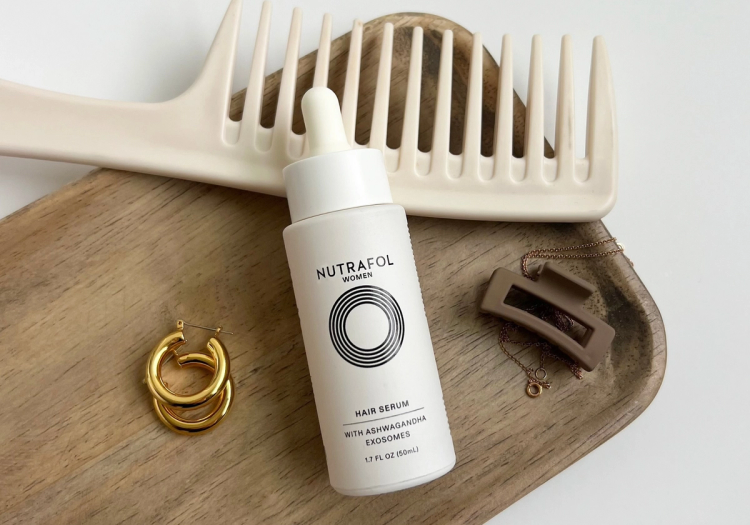
To support circulation and overall scalp health, use a Silicone Scalp Massager ($7) along with SEEN Restore Scalp Serum ($48).