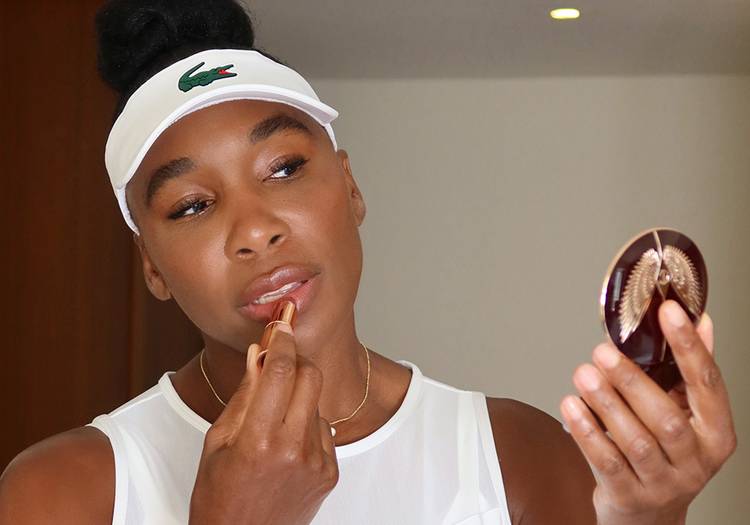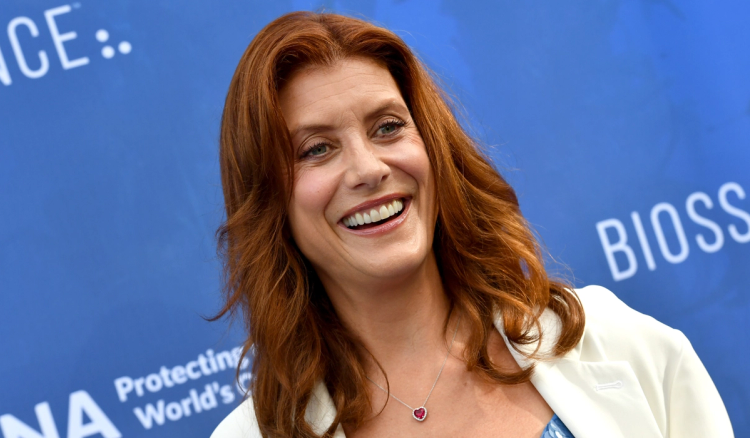
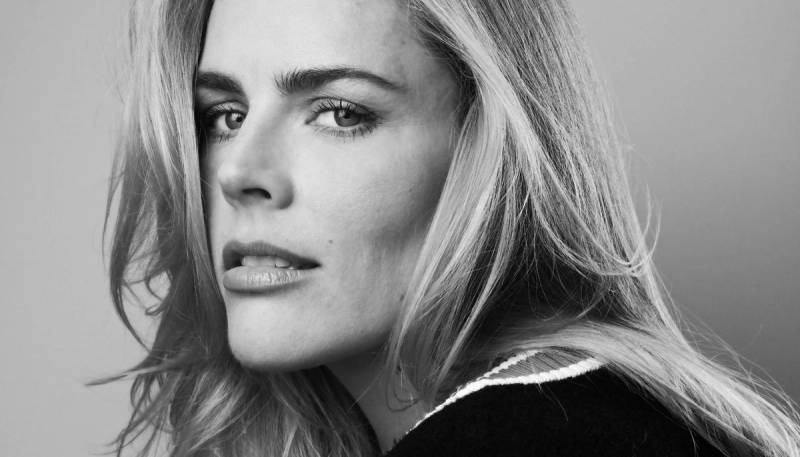
Actress Busy Philipps is beloved for her candor. She has a way of lying in her bed or walking on the street, phone in hand camera recording, talking to her followers as if they were a tight-knit group of old friends. Luckily, she’s no different in person, which made having an open conversation about her experience with ADHD a breeze. At the beginning of the interview, she was sitting upright and formally in a chair, but a few minutes later, in true ADHD fashion, she began moving around. She slid onto her back, knees to her chest, chatting as if we were gossiping idly. With her new diagnosis and a new non-stimulant medication, Qelbree, Busy has a new lease on life and a fresh perspective on her productivity.
When were you diagnosed with ADHD?
“When my older daughter [Birdie] was in fifth grade, it was recommended to us to maybe take her to a specialist to see what's going on with her learning differences and executive functioning type things. So we took her to this doctor, who was amazing, and he started going through the checklist for ADHD. He explained to us it presents differently in boys and girls, and it doesn't often look like hyperactivity and running around not being able to sit in their seats [in girls]. And as he was going through the checklist, I, in my head, was answering yes to the highest level of everything, and afterward, I talked with my ex-husband, and he was also like, ‘Yeah Busy, that sounds exactly like you. You should go to your own doctor and see what they say.’
So I went to a doctor in Los Angeles, and he went through the checklist, and he was like, ‘You definitely have ADHD, let's try some treatments and see what works for you.’ So that was like 2018/2019. Not that long ago. Then I called my mom and said, ‘Was I ever diagnosed with ADHD?' She was like, ‘I don't think so.’ Then she called me back a couple of hours later like, ‘Well actually, I just looked through your medical records, and you were diagnosed, it looks like in second or third grade, and we tried some medication. We didn't like it, and we took you off of it.’ And then I guess they just kind of forgot.
It was a different time. They didn’t know as many things. They didn’t know different ways to help you deal with it. This was the early days of ADHD diagnosis, which is probably why my parents kind of let it go because they’re like, ‘We don’t even know what this is.’”
How did it feel to get the diagnosis as an adult?
“After being diagnosed as an adult, finding treatment was incredible and really lifted this fog. I felt like I had been struggling for so long and working so hard and feeling so bad about myself for all of the things that I felt like I didn't accomplish or couldn't get done or things that I had just let fall by the wayside. And then to be in a position where now I have this medication that really helps me to see clearly, it's really shifted the way I feel about my own productivity and the things that I choose to do or not do because none of us are doing everything on our to-do list every day.”
Before being prescribed medication, was the diagnosis itself helpful to you?
“I think it really was helpful. It is freeing to be able to put a name to something, especially if you're a person who had been naming it something else for yourself. I had been giving it all kinds of negative connotations in my own personality and my own self that weren't helpful and didn't help my self-esteem and didn't help me to then be able to do more or even want to, because I was stuck in this cycle of telling myself, ‘Well, you can't handle all of these things. You're just messy.’”
After you were diagnosed, how long was it before you decided medication was the way to go for you?
“Immediately. I talked to the doctor, and he was like, ‘Let's try it. You just don't know until you try it.’ I do wish that I had heard this version of things earlier. I recently heard Trevor Noah talking about his own experience with ADHD and how his symptoms manifested and made him feel really bad about himself and lowered his self-esteem, and I related so deeply. I do feel like if I had heard that, even in my 20s, definitely in my early 30s, that would have resonated with me and I would have gone to a doctor, specifically addressing ADHD because, as it ended up being for many years, any time I would try to address some sort of version of the impact it was having on my mental health, it was then put back to me like, ‘Oh, well, that's depression or that's something else.’ ADHD wasn't even mentioned.
So it wasn't until hearing all of the things that were on this checklist that the doctor was asking my daughter, that it occurred to me that ‘Oh, my gosh, wait, maybe that's the overarching thing that I'm dealing with in my brain that's having a trickle down effect, into these other manifestations,’ which has proven to be true, because I really do feel like the shift that I've had since starting medication for ADHD has been really great.”
How is your ADHD medication journey right now?
“I’m taking a non-stimulant. Qelbree is a once-a-day non-stimulant ADHD medication. That was a decision that I made for several different reasons. It works for my symptoms as well as the stimulant options, but also there were all these benefits for me as well—like my sleep has been better, which is the biggest thing. I can take the pill any time of day, that’s huge. I don't feel any kind of crash. Also, because it's a non-narcotic, I can get several months refilled at the same time.”
Outside of medication is there anything else that you find really helps?
“Writing things down is super helpful. I find that keeping a notebook and a pen handy with me at most times is really helpful. If I don't have that, I can use my phone and make notes for myself. I use a large monthly calendar that I write everything for the month on so that I can have a visualization of what it looks like and where everyone is going to be and what everyone is going to do because there's a lot going on always. I have a million things going on. I've got children. I have an ex-husband, dog, friends, family, events, charities.”
You moved to New York City in 2020. Do you find that your ADHD is any different here as opposed to California?
“That's interesting. I don't know. I really like the chaos of the city. That does sort of calm me in a weird way. So there's something that feels really nice about that, but I really do miss the sunshine.”
Have you been able to connect with your daughter in a different way sharing a diagnosis?
“I do think I have learned or been able to identify certain things that have then been helpful in terms of the way that Birdie is learning and communicating to her teachers and her schools about what she needs in moments. So much of later middle school and high school and college is all on the computer. For me, personally, I found very quickly that one of the ways that I learn things is I have to write it out long hand, and I have been doing this my whole life. Whatever that action is, whatever it does to your brain, that's what I need to do.
I think it was eighth grade when Birdie was having a real issue with getting these assignments done, and it was all on the online portal. So, at one point, I said, ‘Wait, do you feel like maybe you just need to write these things out to get these assignments completed?’ And she was like, ‘Yes!’ So we just asked if it was possible to print these out and do them then scan them back into the computer. The teacher said, ‘Of course, let’s try that,' and it made a huge difference. So there are things like that where I feel like my lived experiences have been helpful in trying to figure out how to help Birdie best identify what could be helpful for her.”
Do you feel like ADHD plays a role in how you take care of yourself?
“Well, I don't know because one part of ADHD symptoms can be having a hyperfixation. I have always been very fastidious in my beauty routines, so I don’t know exactly if that’s related, but I can say that I’ve never forgotten to wash my face. I'm a real every-night-wash-my-face kind of girl.”