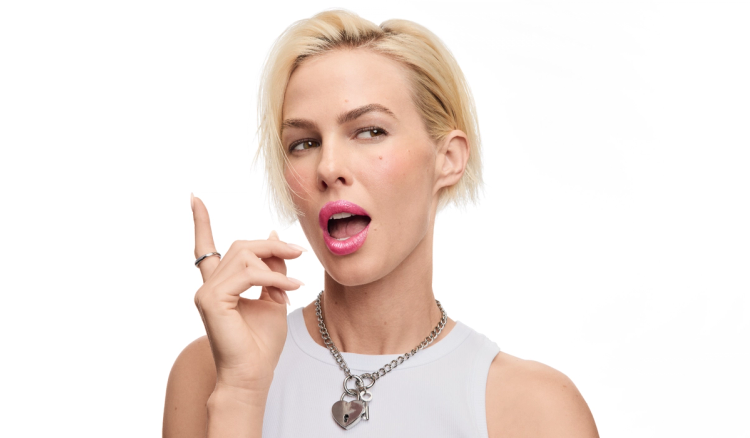
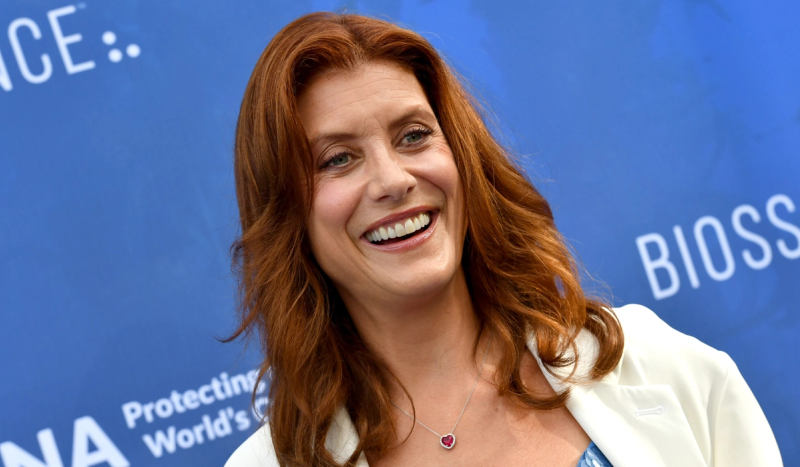
Kate Walsh isn’t interested in talking about looking young. Ask her to define aging well, and she’ll tell you it’s “one foot forward and partly surrendering”—not a fight to hold onto anything, but a shift toward joy, curiosity and letting go of the idea that getting older is something to dread. It’s the same instinct that’s shaped her career: She didn’t break out until her mid-30s, when she landed Grey’s Anatomy, going on to spend more than a decade playing Dr. Addison Montgomery across that show and its spinoff, Private Practice—proof, in her words, that there’s no expiration date on doing your best work.
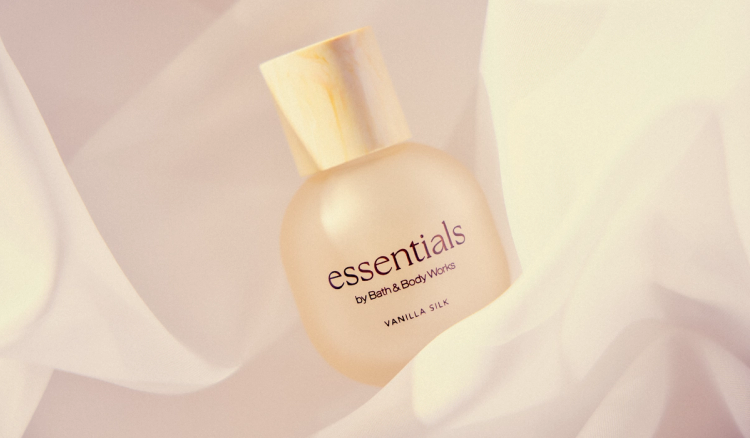
Now, Walsh is bringing that philosophy to a new partnership with Centrum, fronting the launch of Centrum Age Defy ($20), a multivitamin line for adults 35+ built around proactive, not reactive, health. She’s also headlining the brand’s Inside Out Makeover, an event that trades facials and blowouts for a look at how nutrition and self-care actually shape how we age, with a public companion event—the Inside Out Scavenger Hunt, hosted by Hannah Bronfman—hitting New York City on August 21.
Ahead of the launch, Walsh sat down with us to talk about ditching an outward-only definition of confidence, why she thinks beauty is “an inside job” and what aging well actually looks like once you stop measuring it against being young.
How has your relationship with self-care evolved since your 20s?
“Taking care of myself in my 20s looked like just working, then studying to be an actor, then working and acting—there was no real consciousness around self-care. I think I maybe started thinking about going to the gym, or the idea of it: What’s a weight? But there was also that fear of not wanting to get bulky, and there wasn’t a huge exercise culture, so if it didn’t happen organically—like riding my bike somewhere or walking—it wasn’t really there.
Then, in my business, there was this need to keep in shape, but it was more about looking good because I’m an actor and I’ve got to take care of myself. Probably in my 30s was really when it became, oh, vitamins beyond taking vitamin C if I feel a cold coming on. At some point, I became more health-conscious…I think, as a culture, we got more educated about exercise and diet, and the more I got educated, the more I took care of myself.”
If you had to describe what aging well means to you without using the word ‘young,’ how would you put it?
“Aging well for me is a balance. It’s partly one foot forward and partly surrendering. It’s making sure I exercise and am proactive in that sense, and making sure I eat well, but also keeping a balance because I enjoy my life. I love eating, so I’m not going to diet—I just want to make sure I’m getting the nutrients I need, which probably aren’t going to come from dark chocolate or a bag of potato chips. It’s making sure I’m getting enough protein, getting my supplements and enjoying life.
That’s what aging well is for me: Being proactive in self-care, but also practicing radical acceptance, joy and curiosity about, ‘Oh, look, it’s changing,’ as opposed to horror and shock. I think there is sometimes this story in the culture of horror and shock, like we must stop it and prevent it from happening. But it’s like, no, this is what we do. It’s what’s supposed to happen. So I think anytime we can tell more holistic, positive, healthy stories about aging as women, and how we embrace it and work with it, and work to take care of ourselves from the inside out, that’s a great thing—which is also why I was excited to partner with Centrum.”
Where does confidence actually come from for you at this stage of life, versus where you thought it might come from when you were first starting out?
“When I was first starting out, it was so outward-focused, because it was really about work and getting work. Now, it’s much more of an inward journey. That’s sometimes a difficult transition, especially because I am a communal person, and a lot of what I enjoy about work is that community—when you go on set and have all that support, all that connection, and you’re in a flow.
So as I’ve aged, and life changes, and particularly as the world is changing so quickly and massively, it’s important that we’re able to ground ourselves and find some calm and serenity in ourselves, as opposed to looking out there.”
Is there a version of beauty you believed in earlier in your career that you’ve since let go of?
“I think it’s just that the version of beauty we saw, or at least that I saw, was really youth-oriented—your 20s and 30s. But I also feel really grateful, because part of why I wanted to become an actress in the first place was that I loved old movies. I would watch these fabulous stars from the 30s, 40s, and 50s. I grew up in the 70s, which I think is arguably one of the most powerful times of filmmaking and cinema, so I got to see women in their 40s and 50s acting and still going—there was this other story, as opposed to, ‘Oh, you can’t, you’re done after a certain age.’
My experience, personally, was that I was a quietly working actor, but I didn’t really become known until I was in my mid-30s, when I got on Grey’s. So you could say I was a late bloomer, but I didn’t have that experience of ageism, or feeling like I’d aged out, or that I was supposed to look a certain way.
I think beauty, going back to it being an inside job, really is more about what you’re doing inside. I’ve noticed that people who are happier tend to look younger, or they’re in a state of joy. I’m Italian, Sicilian, Irish—I could wear a mask of tragedy pretty easily. So I think joy goes a long way toward beauty, feeling good on the inside.”
The Inside Out Makeover flips the traditional makeover concept by starting with internal health. What does that mean to you personally?
“Internal health, as I said, is an inside job. Happiness, joy and beauty all come from that. It doesn’t matter if you’re getting all these facials, or makeup, or this hair product or that—that’s great, working out and all that—but I think having a relationship with yourself, whether it’s meditation, resting, getting enough sleep, definitely taking a supplement, eating right, all those things help. It has to work in concert with whatever your beauty routines are. It’s just as critical as whatever you’re using on your face at night.”
Your work on Grey’s Anatomy and Private Practice spanned over a decade. Did anything about watching that character grow up on screen change how you thought about your own aging in real time?
“I don’t know how healthy it is to keep seeing ourselves, or to keep watching ourselves—it’s a little Greek mythology, you know. But I sort of detach or dissociate. I’m like: ‘Who’s that?’ Even when I was younger in movies, I was like, ‘Who’s she?’ It doesn’t really sync up with me, because I didn’t grow up that way. We didn’t grow up in camera culture. I didn’t grow up doing selfies or being seen like that. And I was one of those actors who never really even liked watching my own work. So yeah, it’s weird—I don’t think we’re meant to watch ourselves too much.”