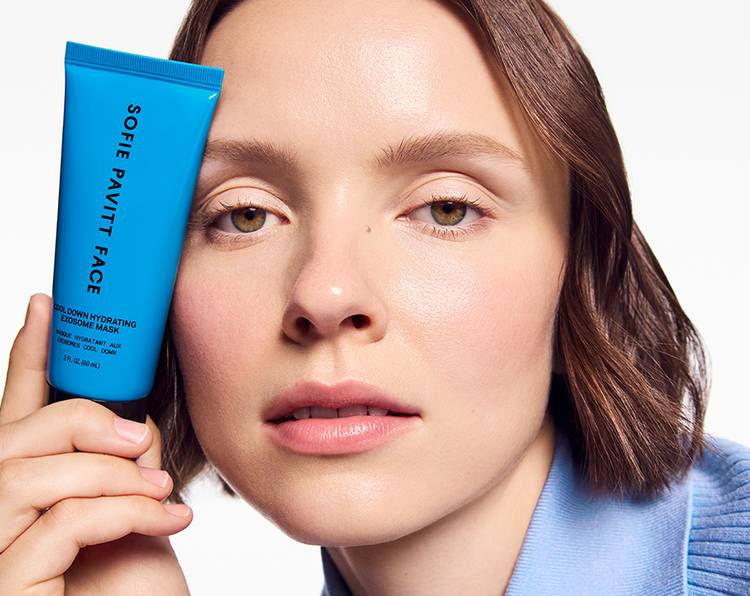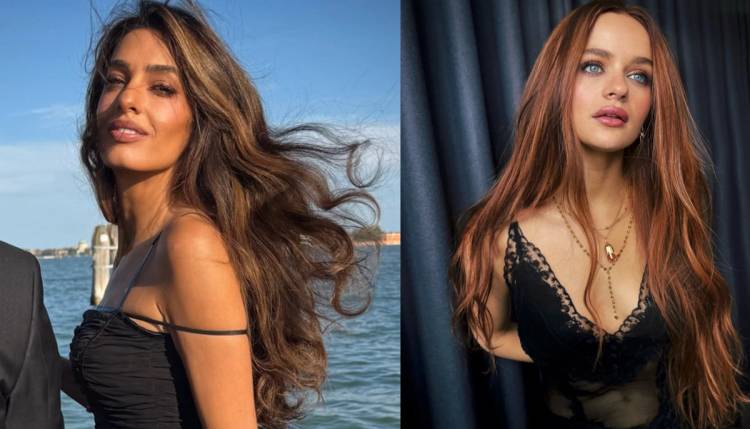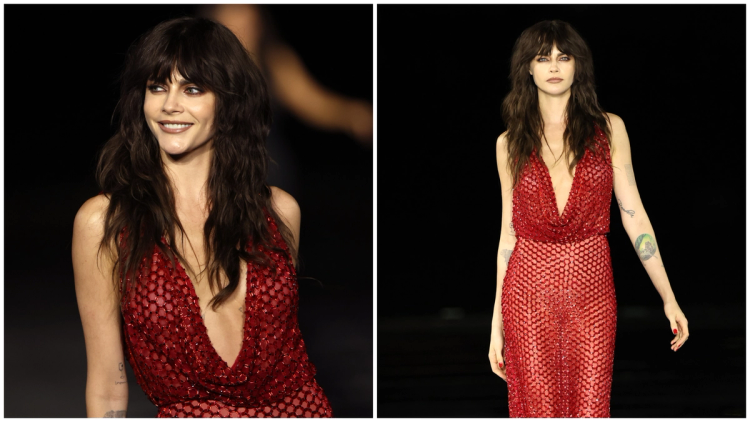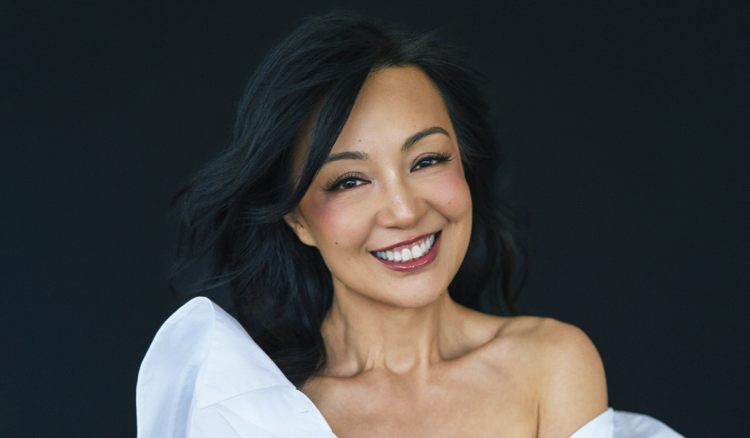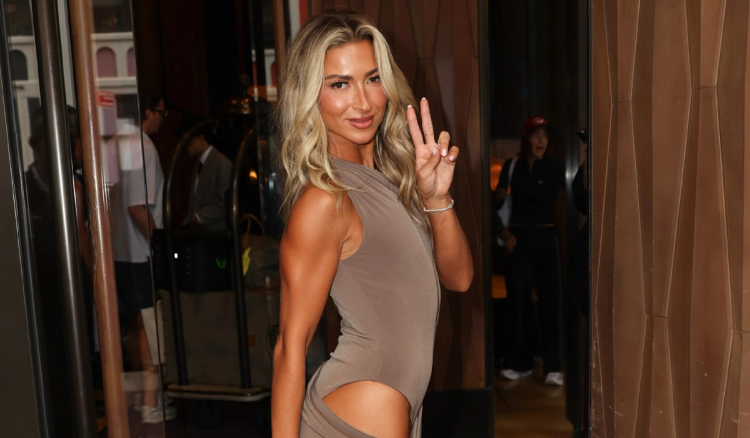
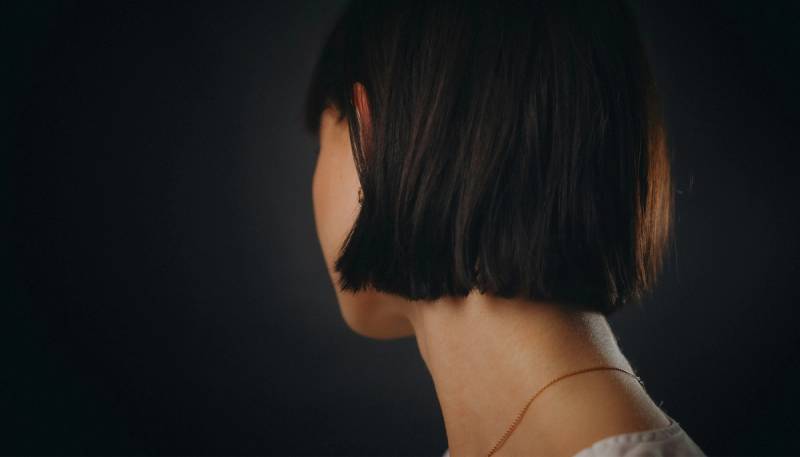
Bobs have consistently held their spot as a major hair trend for the past year, and as a result, we’re seeing them everywhere, from red carpets to the grocery store line. We’re in a moment where sharp, clean bobs are ubiquitous, which naturally encourages people to refine and shorten their shape, says hairstylist Melissa Timperley.
But are some people getting too carried away and losing sight of what their hair actually looks like? That’s the idea behind the viral social media term “bob blindness.” Ahead, we break down what it is, what’s driving it and what to know, with expert insight from professional hairstylists.
Featured Experts
- Melissa Timperley is a professional hairstylist
- Lindsay Victoria is the director of haircutting at Spoke and Weal
- Tania Lacoste Major is a professional hairstylist and the artistic director at Moroccanoil
What Is Bob Blindness?
“Bob blindness is something we’re increasingly seeing in the salon, where a client gradually goes shorter and shorter with their bob and loses a clear sense of the original shape, length or suitability,” explains Timperley. She notes that, much like “blush blindness” or “blond blindness,” “it’s a buildup of small, incremental changes in which each one feels minimal in isolation, but over time it results in a much shorter or stronger shape than intended.”
Lindsay Victoria, director of haircutting at Spoke and Weal, explains that clients who fall into this start “to feel like even the smallest amount of growth is too long, so they keep wanting to cut it shorter and shorter.” Timperley adds that it tends to happen subtly over a series of appointments. “Clients will request ‘just a touch shorter’ each time, and before they realize it, the haircut has shifted quite significantly from where they started.”
What Is Contributing to Bob Blindness?
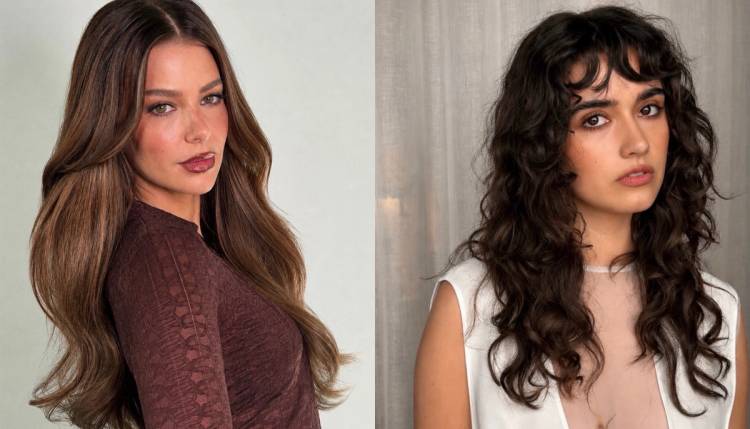
Something that plays into bob blindness is “when a client sees a bob on a celebrity, influencer or model and expects that exact result, without considering their own hair type, face shape or lifestyle,” says professional hairstylist and artistic director at Moroccanoil, Tania Lacoste Major. “The reference becomes the goal, rather than the starting point. It’s our role as hairstylists to reframe that expectation and translate it into something tailored, taking into account how the hair naturally falls, how much time the client is willing to style and how often they can maintain the cut.”
Timperley feels visual adaptation is also a contributor. “When hair is cut shorter, the eye and body quickly adjust to the new length, so what once felt short becomes the new normal. Clients then feel comfortable pushing it further,” she explains. Victoria adds that people become attached to how chic and sharp a bob looks when it’s freshly cut, so they keep going back for more.
Additionally, Victoria notes that once someone gets comfortable with shorter hair, they lose the fear of going shorter—and start pushing the length more and more. “There’s an element of confidence; once a client feels empowered by a shorter cut, they’re more open to evolving it, sometimes without fully considering proportion, texture or how it complements their features long-term.”
How Hairstylists Can Help
“As stylists, our role is to maintain a strong consultation, revisit the original goal and ensure the cut continues to enhance the client’s overall look, not just follow a trend or a moment,” says Timperley. “It’s about balancing creativity with suitability and making sure the client still feels like the best version of themselves at every stage.” She notes that bob blindness is about losing visual balance and proportion, but it can be carefully managed during the consultation process to help avoid any haircut regrets.
Victoria says guiding clients on how short might be too short for them, based on texture and face structure, can help course-correct. But she also adds, “Honestly, it’s not a bad trend—if you love the look, why not?”