If you have rosacea, you’ve probably already tried more than a few things to turn things around. A cream that worked for a while. One that made it worse. Maybe an acne face wash that left your skin burning. The good news: Today’s treatments are far more specific, from customized prescription creams to vascular lasers and daily sun protection.
Ahead, 10 dermatologists weigh in on what’s actually working for their rosacea patients right now, from the compounded creams they reach for first to the everyday habits that make or break results.
First, Make Sure It Is Actually Rosacea
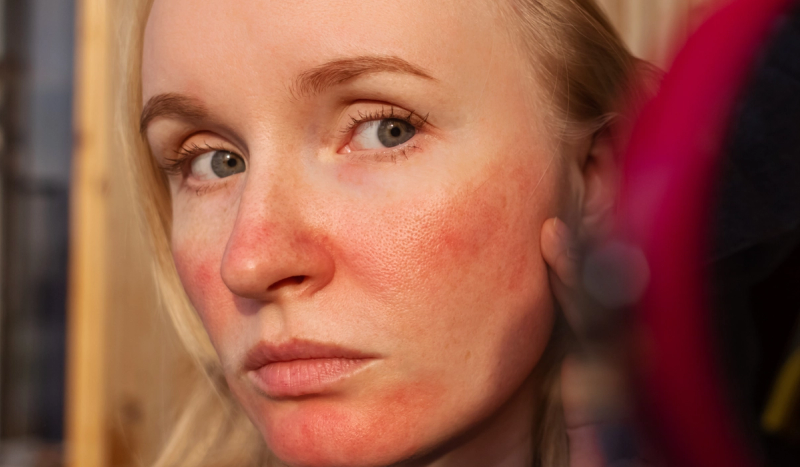
Rosacea gets mistaken for acne constantly, but Studio City, CA dermatologist Gene Rubinstein, MD, points to one reliable tell. “Most people misunderstand all the various ways rosacea may manifest, including redness and flushing, pustules, papules or bumps, and deeper nodules or cysts may all be seen,” he explains. “Interestingly, no actual whiteheads and blackheads, or comedones, are seen. This helps differentiate acne from rosacea clinically.”
It also spans more skin types than many people realize. “So for one, I have rosacea even though I'm a far East Asian,” says Ashburn, VA dermatologist Stephanie Daniel, MD. Another overlooked symptom, she notes, is eye irritation: “My patients are often surprised a skin visit yielded benefit to their troublesome eye symptoms.”
Why Dermatologists Use Triple Cream
For rosacea treatment, dermatologists may prescribe a compounded “triple cream,” which blends several active ingredients into one formula.
“I’ve really moved away from relying on traditional treatments like long-term oral antibiotics,” says Colorado Springs, CO dermatologist Victoria Moss, MD. Instead, she often turns to a triple cream: “A combination of metronidazole, azelaic acid and ivermectin can be incredibly effective—definitely one of my favorite approaches for the right patient.”
“It simplifies the routine and can often be less expensive than using multiple brand-name prescriptions,” says Cliffside Park, NJ dermatologist Jason Chouake, MD.
“Rosacea isn’t one-size-fits-all,” says Newport Beach, CA dermatologist Jennifer Channual, MD. “For patients with inflammatory bumps and breakouts, I like a compounded triple rosacea cream containing ivermectin, azelaic acid and metronidazole. For patients whose main concern is persistent redness and flushing, I like compounded formulations combining oxymetazoline, ivermectin and niacinamide.”
Bloomfield Hills, MI dermatologist Rohit Kakar, MD, also stresses customization. “Many times these topicals need to be adjusted to maximize their results. The base that is utilized also matters.”
What a Cream Cannot Fix
Creams can calm inflammation, but they can’t erase a visible blood vessel. “For persistent redness and visible blood vessels, nothing compares to vascular laser treatments,” Dr. Chouake says. “They allow us to directly target the abnormal blood vessels that cause the redness.”
The right laser depends on the rosacea type and whether the redness is diffuse or concentrated in visible vessels. Pulsed dye lasers and IPL are common options.
“We often use lasers to treat the blood vessels, including V-beam or vascular laser, and IPL or BBL,” says Dr. Rubinstein. “I use a combination approach, with V-beam and IPL, to achieve the best results. We almost always combine these lasers with medical treatment for optimal results.”
Austin, TX dermatologist David Bushore, MD, uses two devices at different stages. “Cutera ExcelV+ laser has worked very well for my patients with persistent redness and visible vessels. Once a patient has done one of these treatments, we can use BBL HERO to help maintain results with less discomfort and downtime.”
“Some patients’ rosacea is caused by microscopic skin mites called Demodex, and they don't even know it!” says Huntington Beach, CA dermatologist David Rayhan, MD. “Soolantra is an FDA-approved cream for treatment of this type of rosacea. Also, IPL (Intense Pulsed Light) treatment can kill the demodex while also removing redness.”
The Daily Step That Matters Most
“Sunscreen is the single most important step a rosacea patient can take daily,” says Fort Lauderdale, FL dermatologist Dr. Matthew Elias.
The type matters. “Not all sunscreens are good for rosacea: the physical sunscreens decrease temperature on the skin, but chemical sunscreens can flare rosacea due to a reaction that creates heat on the skin surface,” says Dr. Rubinstein. “So go for sunscreens containing titanium dioxide or zinc oxide.” Mineral sunscreens also tend to be well tolerated by sensitive skin.
“If there isn’t avid sun protection, any reversal will be lost and vessels will continue to dilate,” Dr. Daniel says. “This means clothing protection and sunscreen with reapplications throughout the day.”
Learn Your Own Triggers
The usual rosacea triggers are real. “There are known factors that can worsen rosacea, including hot foods, spicy foods, alcohol (especially red wine), caffeine, and heavy exercise, especially aerobic,” says Dr. Rubinstein. “Hot yoga, unsurprisingly, can be a trigger. Other factors are sun, wind, cold weather.”
But that doesn’t mean cutting out everything. “Rather than eliminating everything, I recommend identifying your own reproducible triggers and avoiding the foods that consistently cause your rosacea to flare,” Dr. Moss says.
Your products count as triggers, too. “Be cautious with products that cause trauma to the skin, such as excessive exfoliation,” says Dr. Rubinstein. “Retinols may cause flares if rosacea is untreated. Harsh washes meant for acne can be problematic as well. Over-the-counter products should not contain fragrances or excessive oils. I usually recommend gentle cleansers and oil-free lotions, with hyaluronic acid moisturizers for excessively dry skin.”
Dr. Daniel’s advice for protecting the skin barrier is simple: “Being gentle with all your products is essential. Minimalism is a good thing here.”
Don’t Wait It Out
“I wish patients would reach out and get treatment sooner than later,” says Prospect, KY dermatologist Tami Cassis, MD. “Following a TikTok recommendation just never works. We can manage rosacea so well these days it’s worth a trip to the dermatologist.”