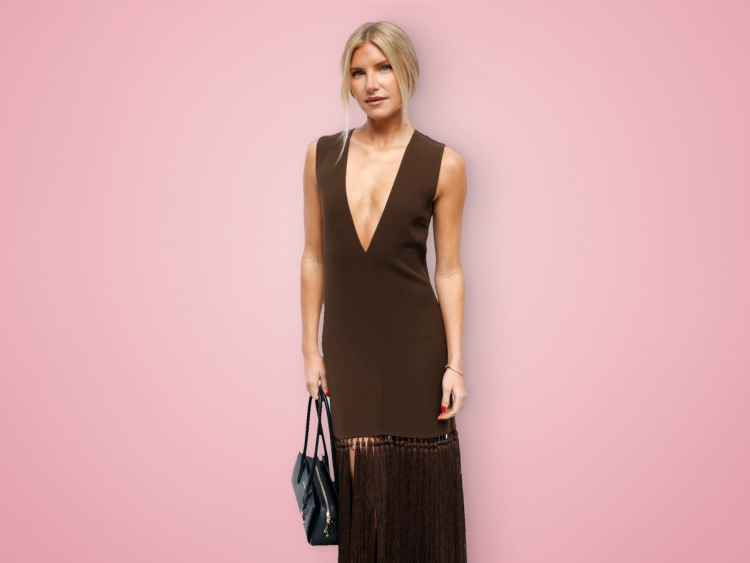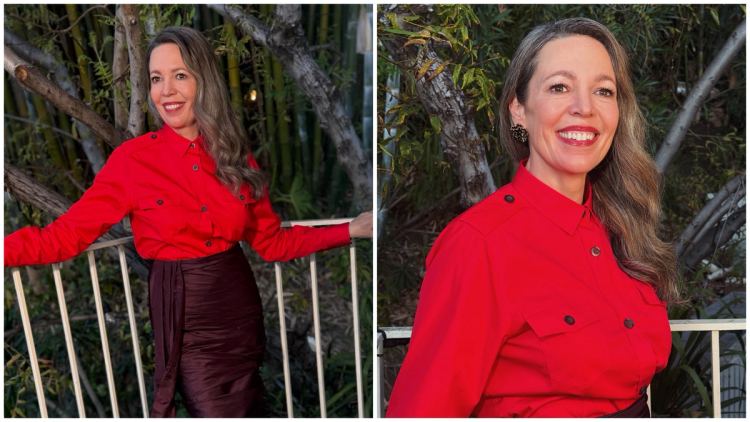
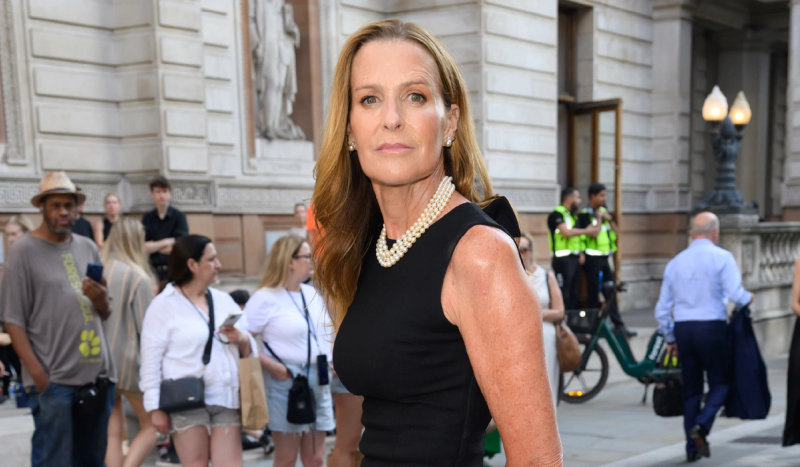
On Wednesday, October 7, India Hicks shared her experience with shingles as part of GSK’s “Shingles, actually” campaign, joining Viola Davis, Kristin Davis and several other advocates and public figures who opened up about the condition. For the British designer, former model and entrepreneur, the first signs showed up at dinner with her friend Helena Christensen, and the rash got worse during an aid trip to Ukraine with the disaster relief agency Global Empowerment Mission. She chalked it up to stress, a dermatologist missed it, and in the end it was one of her social media followers who first pointed out it was shingles.
Shingles is a painful, blistering rash caused by the same virus that causes chickenpox, and it can lie dormant in the body for decades before reactivating. About one in three people in the U.S. will get it in their lifetime, according to the Centers for Disease Control and Prevention, and the risk rises after age 50. GSK’s campaign aims to bring shingles into conversations about aging, and Hicks is speaking out so more women recognize their risk and talk to their doctor or pharmacist about prevention.
Ahead, Hicks talks to NewBeauty about her shingles misdiagnosis, why putting her health first no longer feels indulgent and the one hour a day she treats as non-negotiable.
What made you join the Shingles, actually campaign, and do you have a personal connection to shingles?
“I do. I was very lucky, and my shingles journey was a mild one, but I was still in a great deal of pain, so I’m very supportive of anything that promotes the shingles conversation.
I remember exactly when I first noticed it. I was having dinner with a great friend of mine, one of the world’s great beauties, Helena Christensen. I could feel something coming on the side of my face and down my arm. It was the beginning of the blistering, and I felt ugly inside and out. Because Helena was sitting there, I really noticed it.
I do a lot of humanitarian work with a disaster relief agency called Global Empowerment Mission. We go to Ukraine a lot, right to the front line, delivering aid. They’re scary, dangerous missions, so I assumed this was a nervous reaction to an upcoming trip. I thought, ‘This is stress. This is just nerves.’ But I was out in Ukraine itching like this, with an oozing, blistering rash.
When I came back, I was in England for a while, because I live on a tiny island in the Bahamas. I knew I had to see a doctor because this was obviously something serious. The dermatologist I saw didn’t pick up that it was shingles. She gave me a whole load of creams. By the time I got back to the Bahamas, my face was swollen and my arm was bad. I was still feeling ugly, uncomfortable and exhausted, and I was getting really concerned.
The strangest part of the story is that I have a very good relationship with social media. My husband always says it’s like writing a postcard: you find a pretty picture, you write a few words, and you’re in control of the messaging. I like to tell the good and the bad. So I posted about my trip to Ukraine and about this horrible thing happening to me, which I thought was stress. Someone wrote back and said, ‘You’ve got shingles,’ because the description of it going down one side was so telling.
Shingles hadn’t even been on my radar. My husband’s uncle had had it, and I pictured an old man in a dusty hospital a million years ago. I never associated healthy me with shingles. I then saw a doctor in America, who said absolutely, it was shingles, and I took the right steps immediately.
So I think I was lucky. It was mild, but it still made me feel debilitated, ugly and exhausted. Quite a few of my work projects went on pause while I traveled to see a doctor, got the wrong diagnosis, and saw another doctor.”
What was treatment like from there? Was it pretty seamless?
“Yes, but the healing takes time. Oddly, I had very large inflamed swelling on the side of my mouth, and the blistering went all down here. A lot of my work is in front of a camera or talking to people, so it was tough.
I’ve learned more since. One in three people will get shingles in their lifetime. That is a staggering fact, and we have to have this conversation.”
The campaign says talking about aging means talking about shingles. Why do you think people in their 50s and 60s tend to avoid these conversations?
“Because there’s not enough information out there, and because we haven’t been having the conversation. We put so much pressure on ourselves to be the perfect wife, mother, hostess, business partner, the perfect person, that we take on enormous stress and don’t recognize what’s happening to our health.”
You’ve had such a full life, from modeling and design to humanitarian work to building a business. How has your idea of staying healthy changed as you’ve gotten older?
“It’s changed a lot. I was a runner and did a lot of marathons and half marathons. It was my hour away from people, children, decisions and projects, a meditative hour. I don’t run anymore. I’ve got a knee that is saying, ‘You are 59.’ I think I’m 59; I’d have to double-check, because age isn’t relevant to me. But my knee is sore, so now I do a lot of yoga.
My whole health journey has slowed down, which in some ways is a good thing. I take more time to think about how I’m feeling, mind, body and soul, and it’s so important that it all works together. If I’m not in fighting form, will my household run well? Will my projects? Will my business partner be happy? It’s all connected.
When you have five children and you’re in the midst of motherhood, just trying to keep up, you’re not putting yourself first. I’m also very English, and for a while, putting health and myself first felt indulgent. Now I recognize that it isn’t indulgent. It’s critical, especially over 50.”
What does your wellness routine look like now, including skin, sleep, movement, checkups? Any non-negotiables?
“I really love to exercise. I don’t eat very well, but I hope the two balance each other out somehow. I make sure there’s an hour for me, whatever it looks like: walking my dog, a hot yoga class, a fast walk on the beach. That hour should be non-negotiable. Exercise is kind of my religion. It sets me up for the day or calms me down in the evening.
Health should be top of mind because of the next chapter I’m going into. I don’t feel old. I feel fantastic, which is why I was so uneducated about shingles. I thought, ‘Wait, hold on. I’m a very fit, strong person. How has this happened to me?’ That’s a complete misconception. People don’t realize it’s going to happen to one in three of us.”
What do you hope women your age, and women of all ages, take away from this campaign?
“Today has been really interesting. We’ve had a lot of educated women in the room who have access to good doctors and good medical care, and we must take advantage of that. Everybody over 50 should be encouraged to ask their doctor or pharmacist about the risk of shingles and about prevention.”