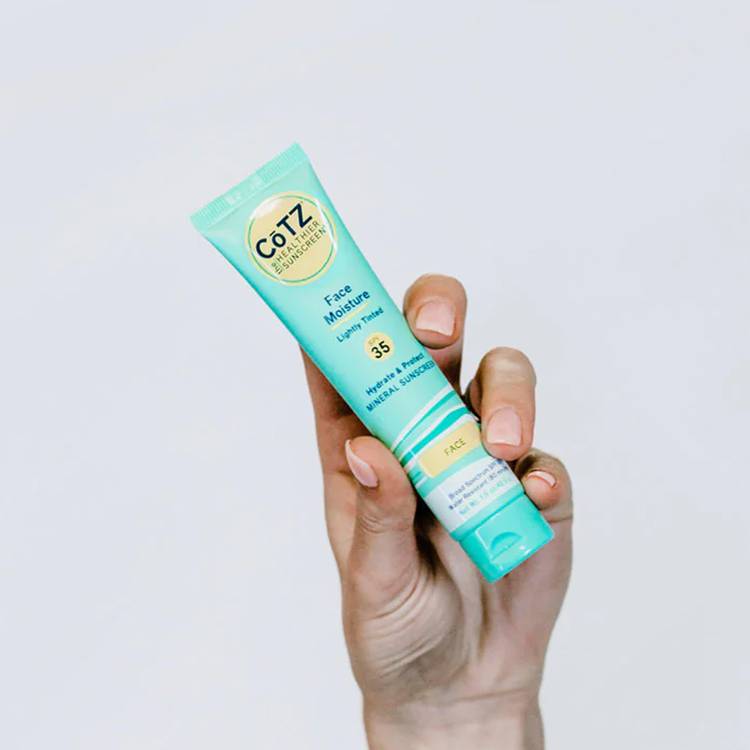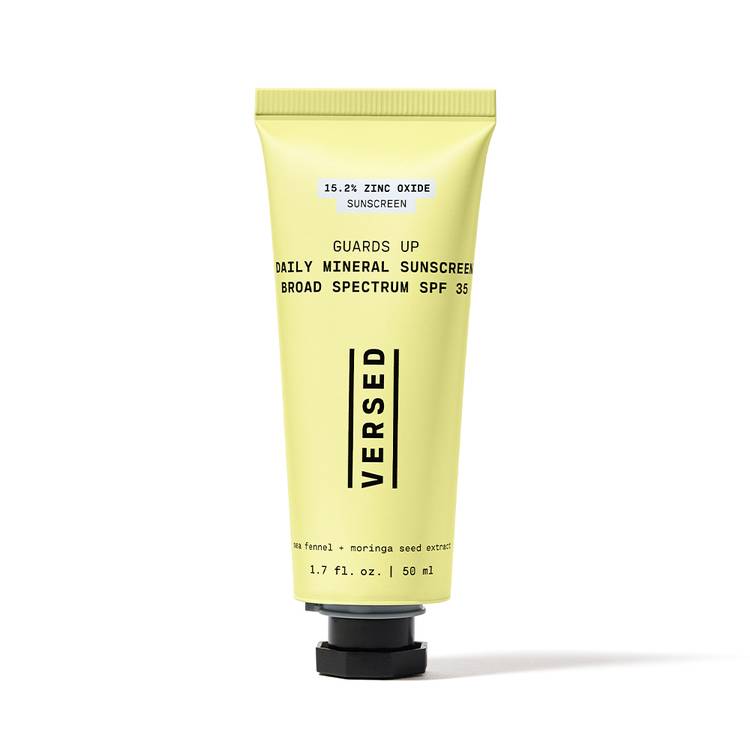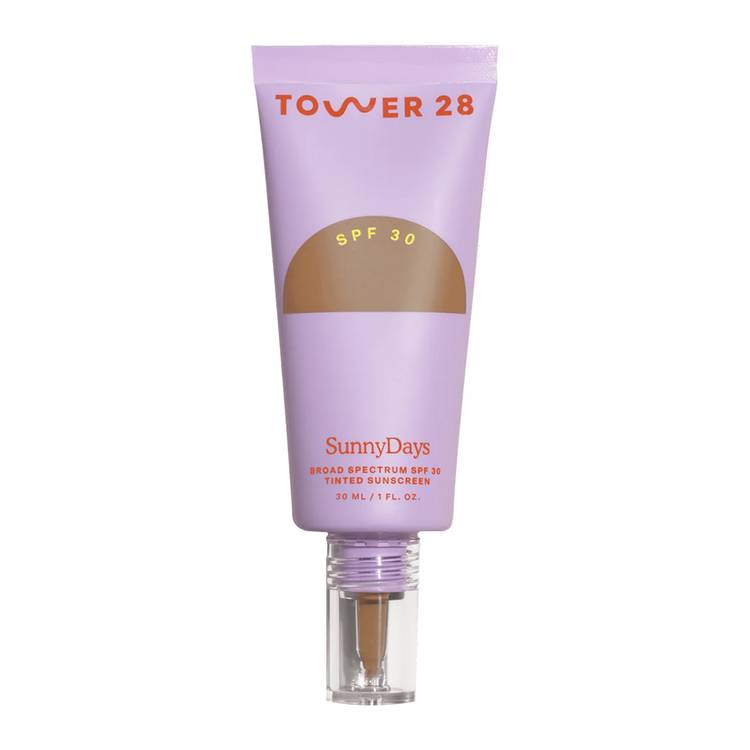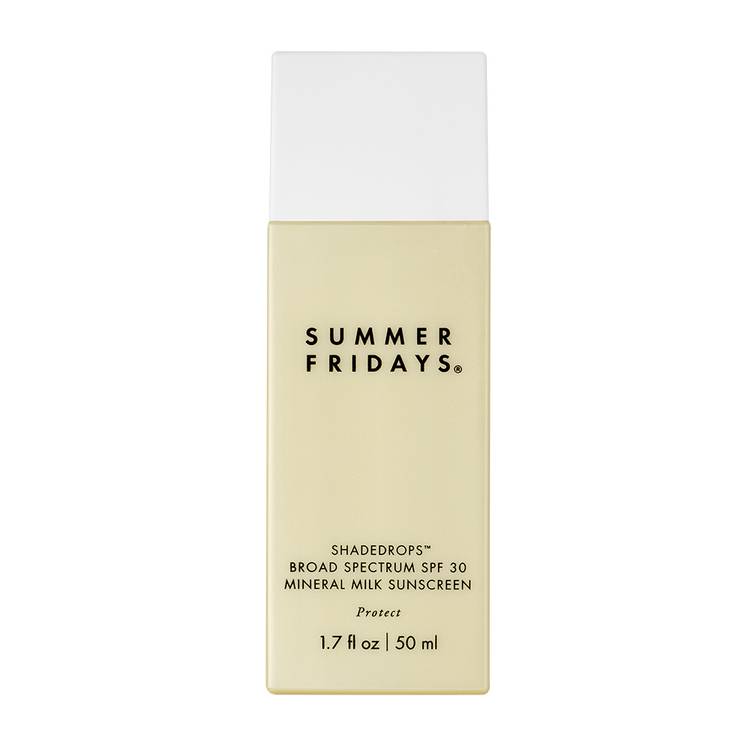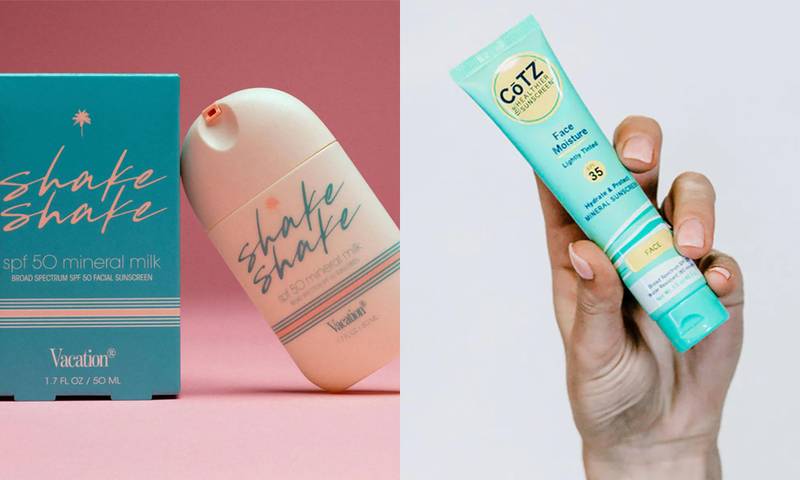
While everyone can benefit from daily sunscreen application, SPF products certainly aren’t one-size-fits-all. Many factors can sway your choice of sunscreen, from price to SPF rating to finish.
A logical starting point is to filter your choices based on two broad categories of sunscreens: chemical sunscreens or mineral sunscreens (or hybrid sunscreens, a cross between the two). These refer to the specific UV-blocking ingredients found within a product. Mineral sunscreens contain zinc oxide, titanium dioxide or both, while chemical sunscreens contain ingredients like avobenzone and homosalate.
Featured expert
- David Li, MD is a dermatologist in Boston
While chemical sunscreen filters are generally less likely to leave behind a white cast, you may still decide that you prefer mineral sunscreens for various reasons. For one thing, mineral sunscreen filters tend to be well-tolerated by sensitive skin, according to board-certified Boston dermatologist David Li, MD at Boston Derm Advocate.
Plus, non-nano mineral sunscreen filters are reportedly less detrimental to the environment than some chemical filters, though it’s unclear whether zinc oxide or titanium dioxide is superior in this regard. “This is very much up for debate, as various sources have claimed either [zinc oxide or titanium dioxide] to have more of a footprint on the environment depending on the study you look at,” says Dr. Li.
What’s more, the U.S. Food and Drug Administration (FDA) has raised questions around the safety of chemical filters. In 2019, the agency proposed that zinc oxide or titanium dioxide should be considered safe and effective for sunscreen use, stating that it’d need more safety data on chemical filters to give them the same distinction.
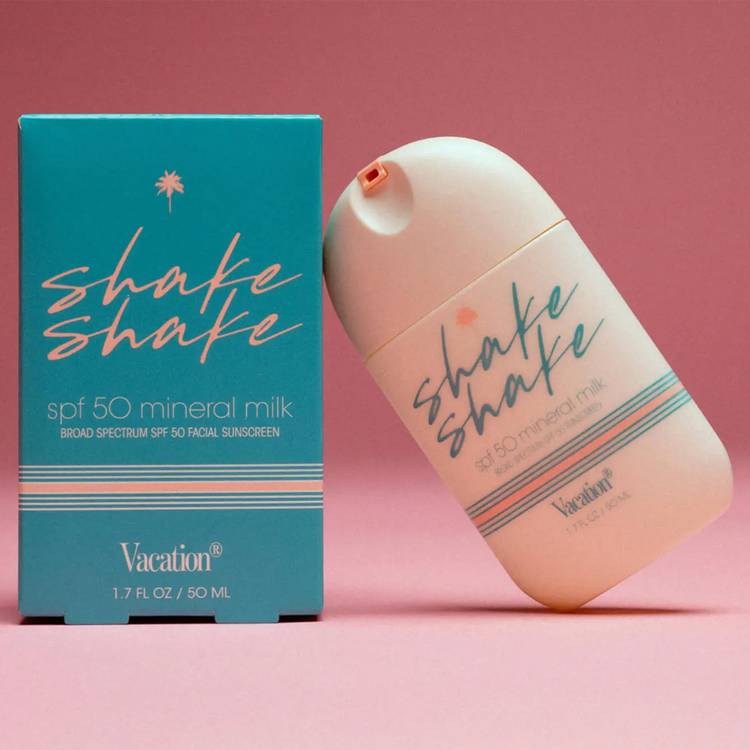
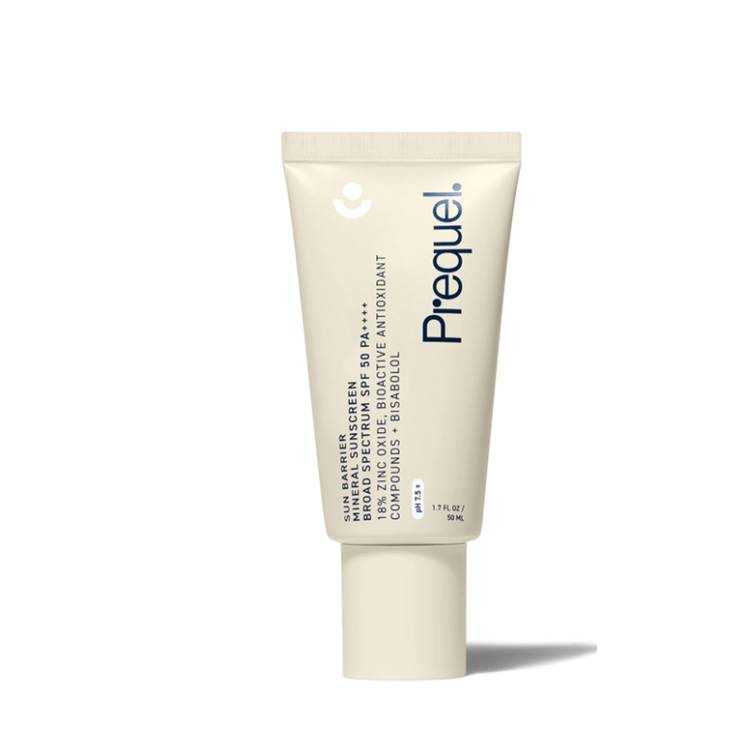
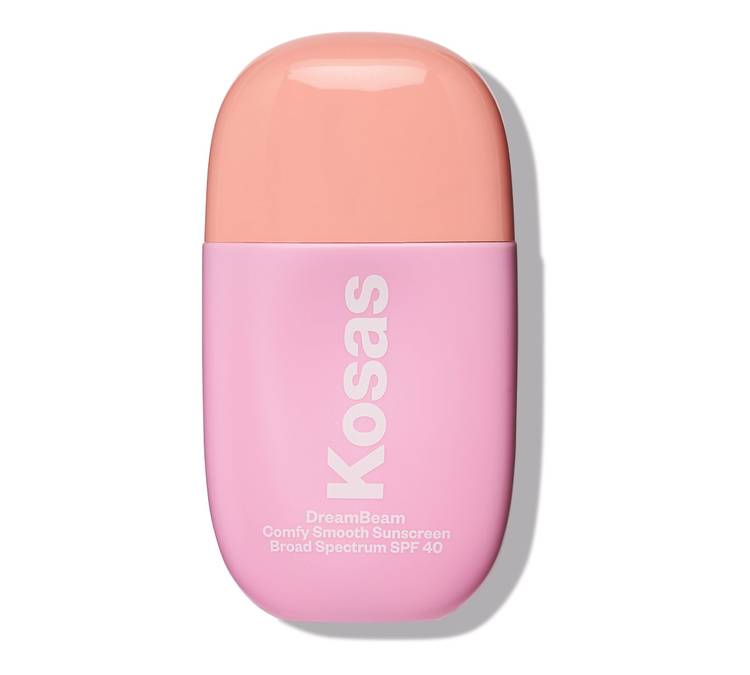
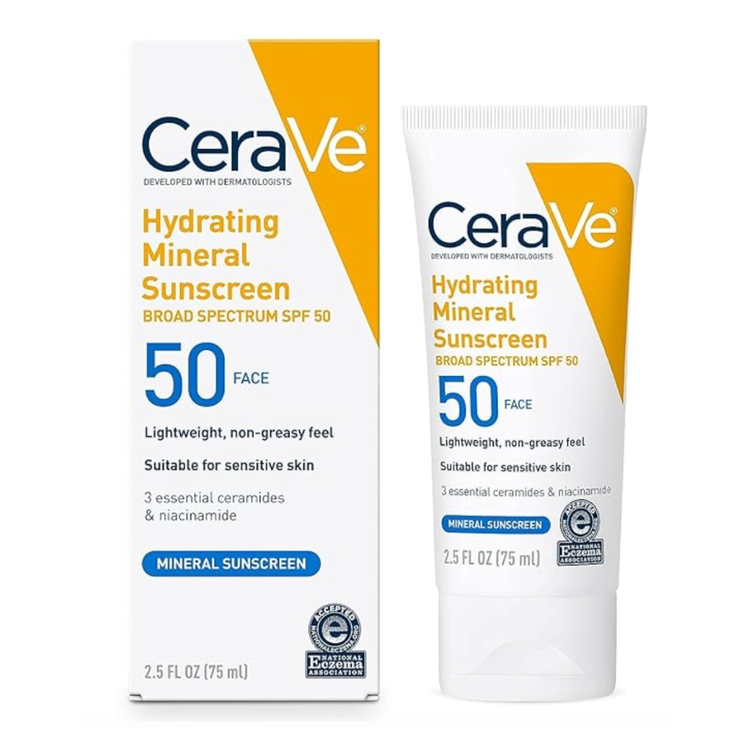
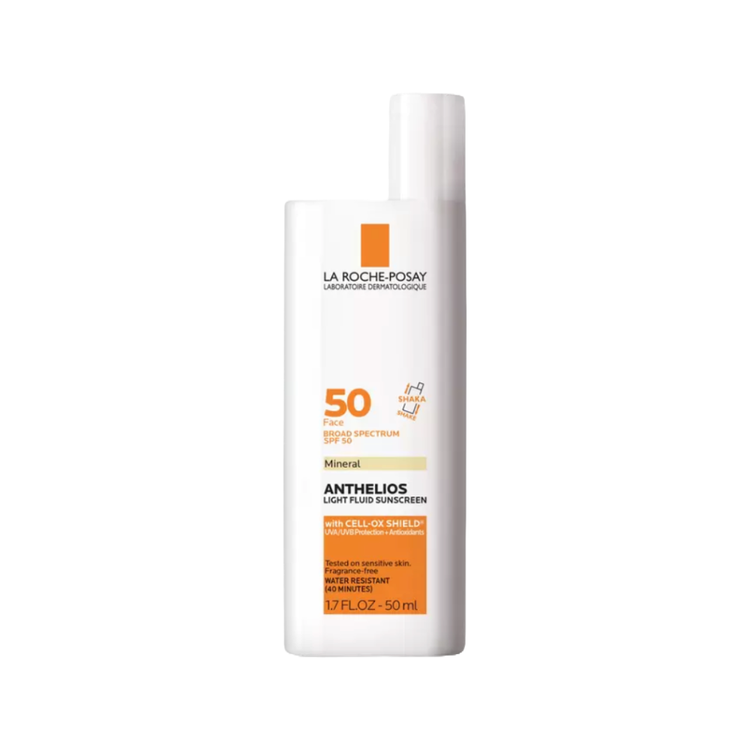
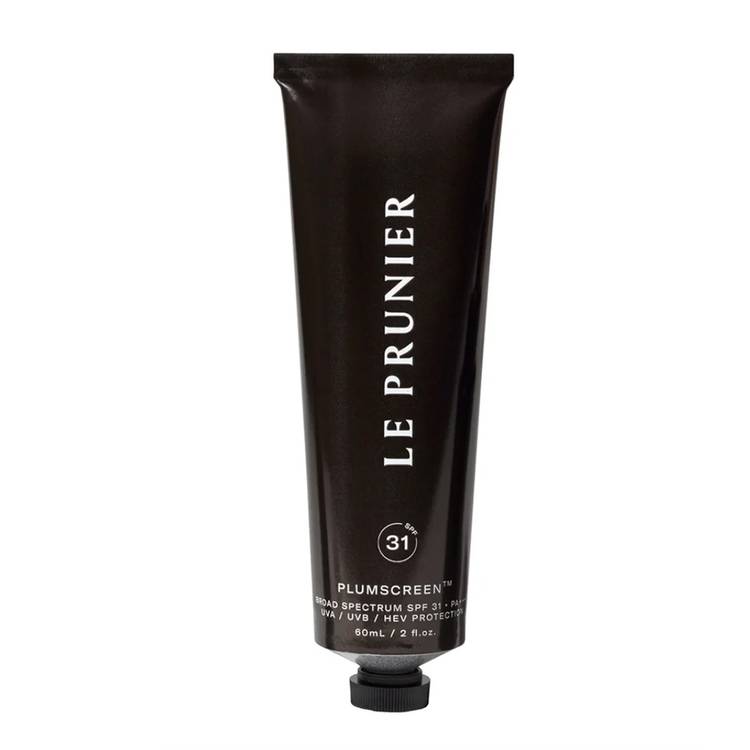
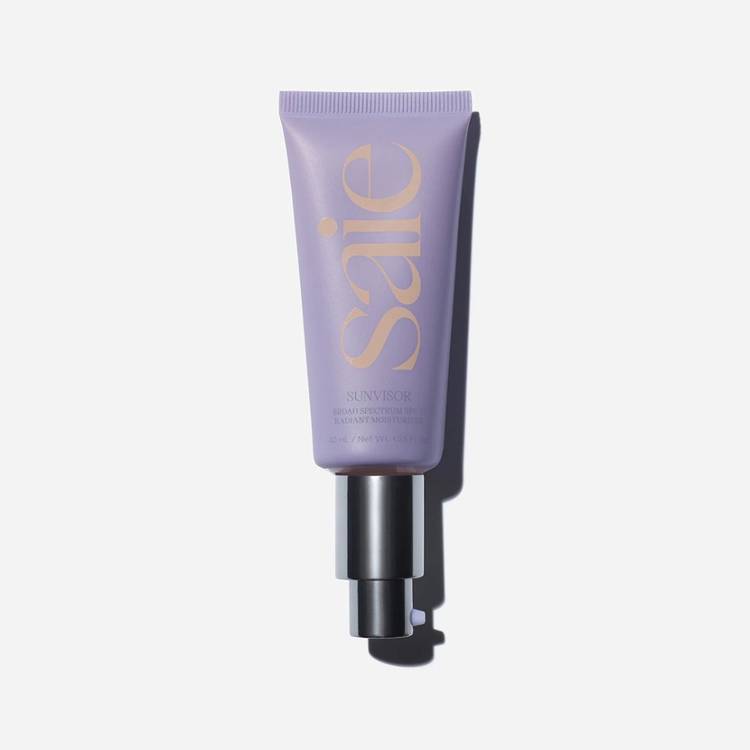
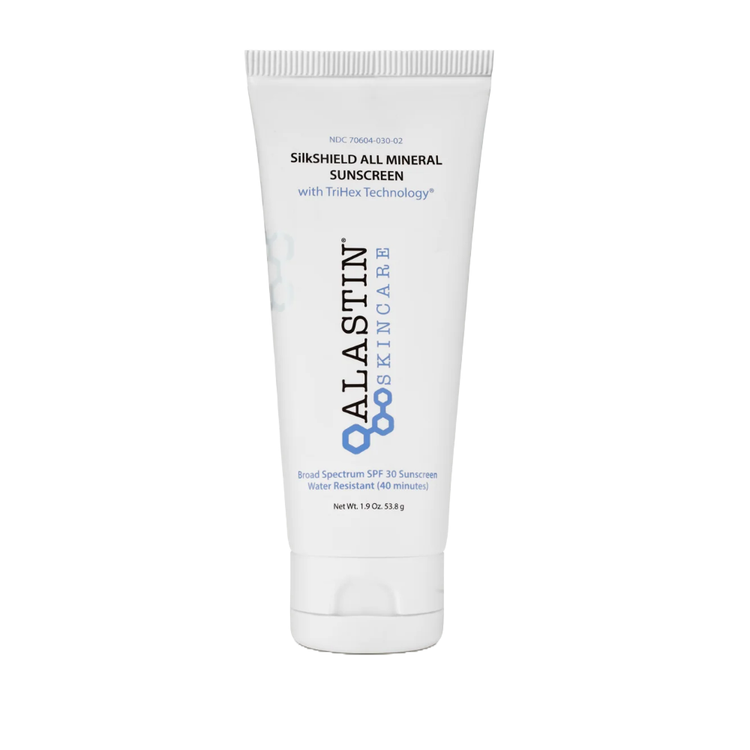
If you’ve determined for one reason or another that you should go with a mineral sunscreen, you’ll still have a ton of options to wade through. To help you out, we’ve tested out formulas and compared ingredient lists to select the 16 best options.
The Best Mineral Sunscreens to Try