You know that feeling when you learn a new term and suddenly start seeing it everywhere? That’s what’s happening with “skin barrier,” a phrase that’s taken over the skin-care conversation recently. As beauty editors, we tend to approach buzzy terminology with a healthy dose of skepticism, especially when it feels marketing-driven. But after hearing dermatologists consistently stress its importance, it’s clear this is one topic worth paying attention to.
Ahead, what to know about the skin barrier, with expert insight.
Featured Experts
- Carl Thornfeldt, MD, FAAD, RSM is a Board-Certified Clinical Dermatologist, Researcher and the Founder and CEO of Epionce
- DiAnne Davis, MD, FAAD is a Board-Certified Fellowship-Trained Dermatologist at Bare Dermatology in Dallas, TX
What Damages the Skin Barrier—and How to Tell
“The skin barrier—also known as the stratum corneum—is like ‘the roof of the skin,’” explains Idaho dermatologist Carl Thornfeldt, MD, founder and CEO of Epionce. And he would know: Dr. Thornfeldt has long studied barrier repair, beginning his research in 1989, and later developed patented technology to help repair the skin barrier, which is still used in Epionce’s formulas today.
What does that look like on a structural level? Well, the skin barrier is “made of skin cells held together by natural fats (lipids) like ceramides, cholesterol and fatty acids,” adds Dallas dermatologist DiAnne Davis, MD. “When it’s healthy, it helps your skin hold onto water (so it stays hydrated and supple) and keeps irritants like pollution, allergens and germs out.” Put simply, it’s the foundation of healthy skin.
But it’s also easy to disrupt. “One of the most common ways people damage their skin barrier is by overusing harsh products,” says Dr. Thornfeldt, “especially layering multiple active ingredients like exfoliating acids, retinoids or acne treatments without proper balance.” He adds that habits like “over-cleansing, using stripping cleansers and not properly moisturizing…will also weaken the barrier over time.”
As for what that damage looks like, “you often feel it before you see it,” says Dr. Davis. “Skin can feel tight, dry or extra sensitive. Products that never bothered you may suddenly sting or burn. You may also notice redness, flaking or a rough texture. If the barrier stays disrupted, it can fuel ongoing inflammation and make conditions like eczema, acne or rosacea harder to control.”
What to Look for in Barrier-Supporting Skin Care
When you’re shopping for products to support your skin barrier, “simple, fragrance-free formulas are often your safest bet,” says Dr. Davis. In other words, more isn’t always better, especially when it comes to layering multiple active ingredients without guidance from a dermatologist.
Instead, look for formulas with ingredients that help hydrate, replenish and protect the skin:
- Ceramides, fatty acids and cholesterol to help restore and maintain the barrier by replenishing the skin’s natural lipids, as Dr. Thornfeldt notes
- Botanical extracts like meadowfoam and safflower to help calm irritation while supporting moisture retention
- Humectants (like glycerin and hyaluronic acid) draw water into the skin and boost hydration, per Dr. Davis
- Occlusives (like petrolatum and dimethicone) to seal that moisture in and prevent water loss throughout the day
- Niacinamide to support repair, strengthen the barrier over time and reduce redness
A Simple 3-Step Routine for a Stronger Skin Barrier
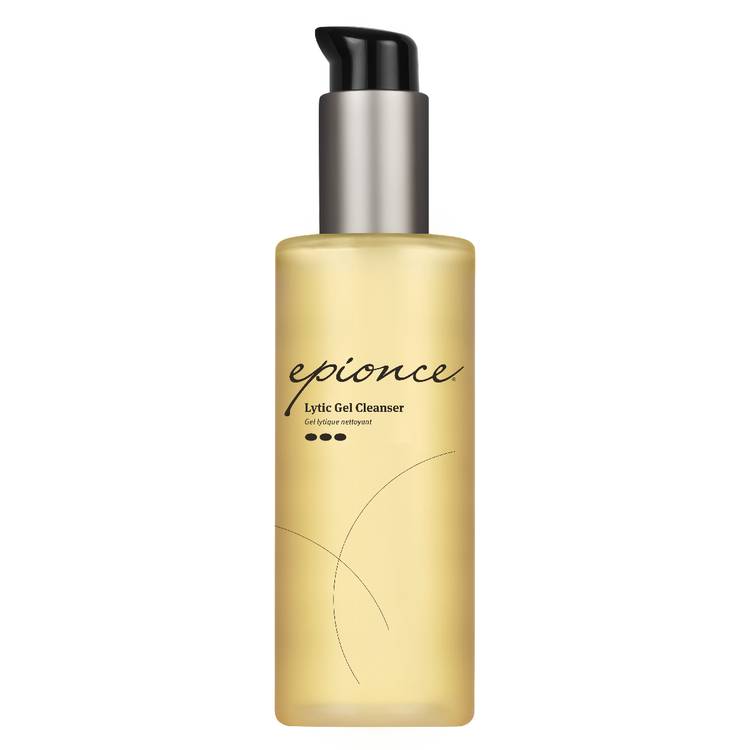
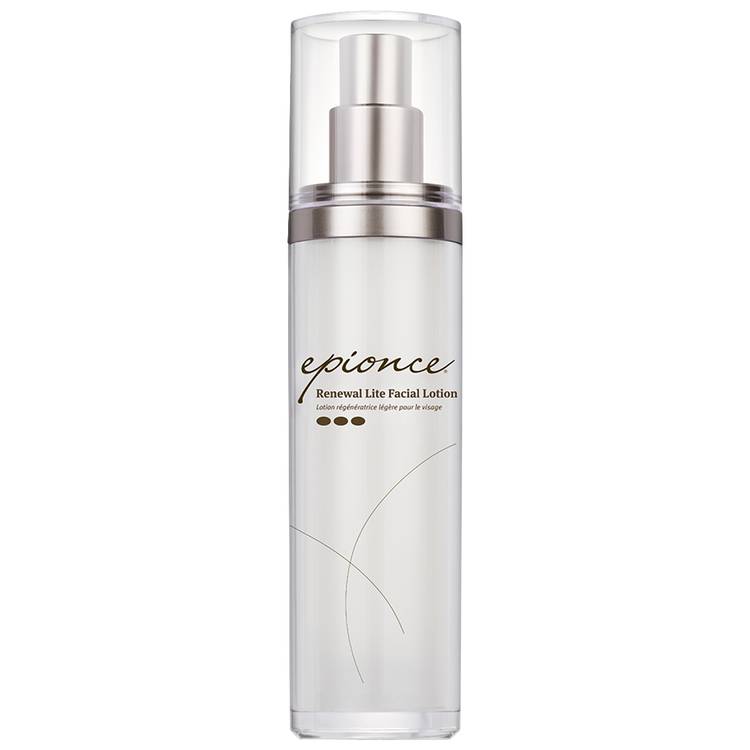
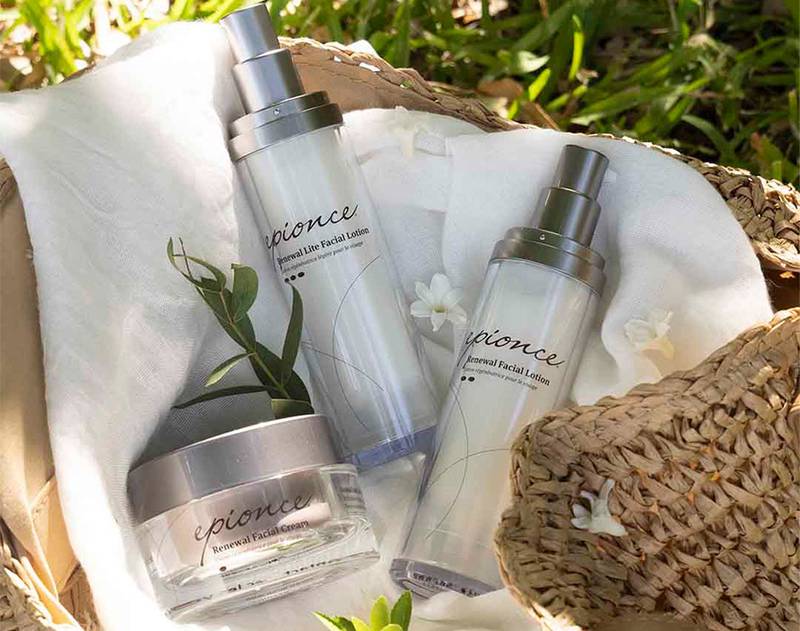
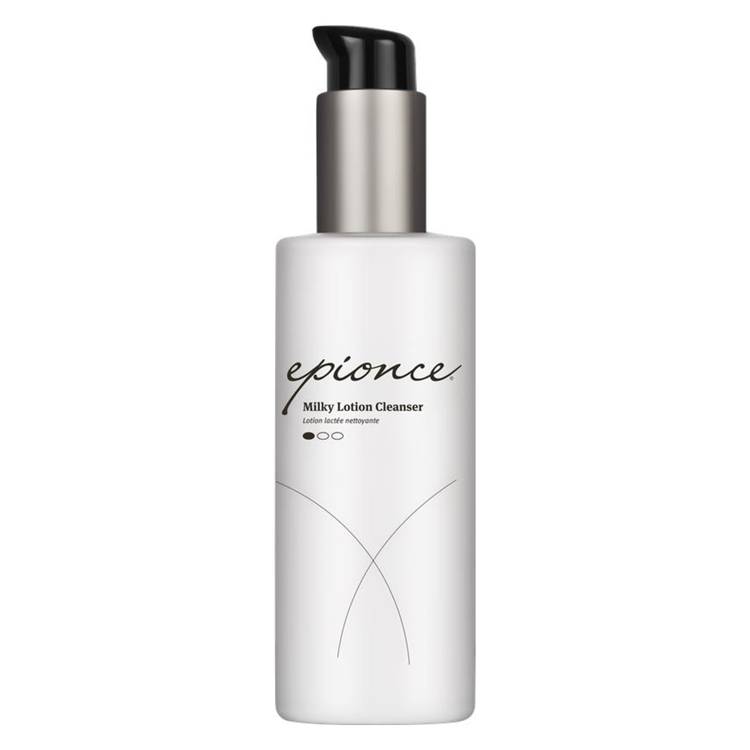
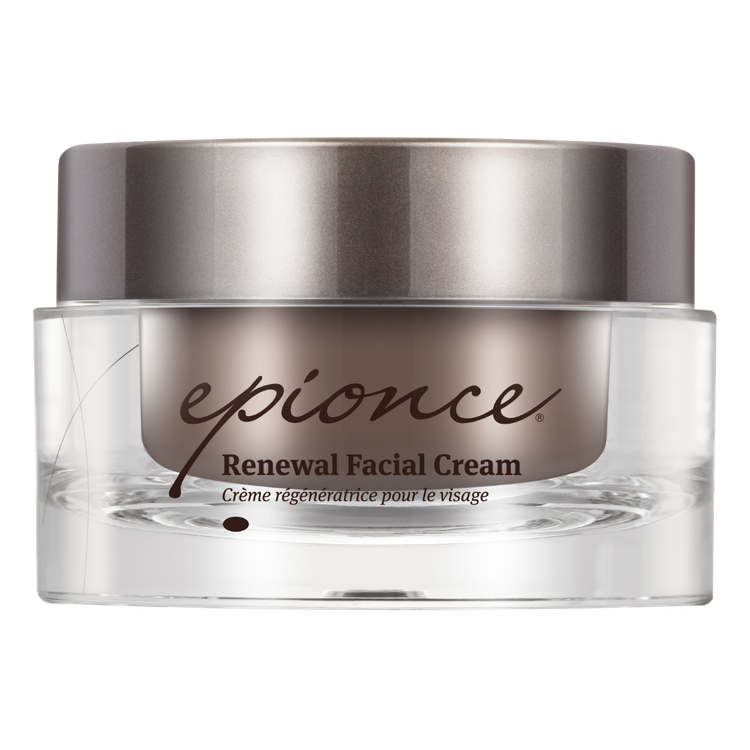
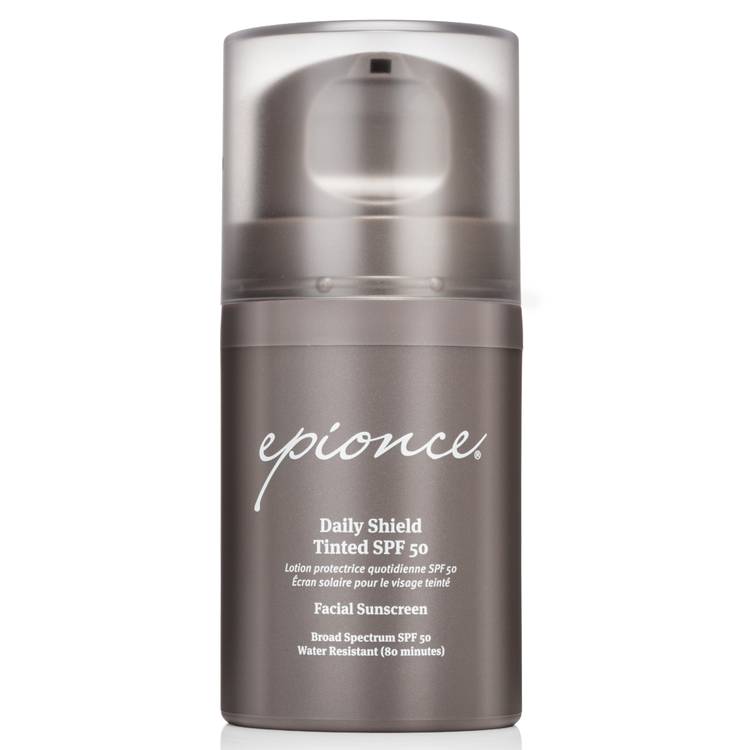
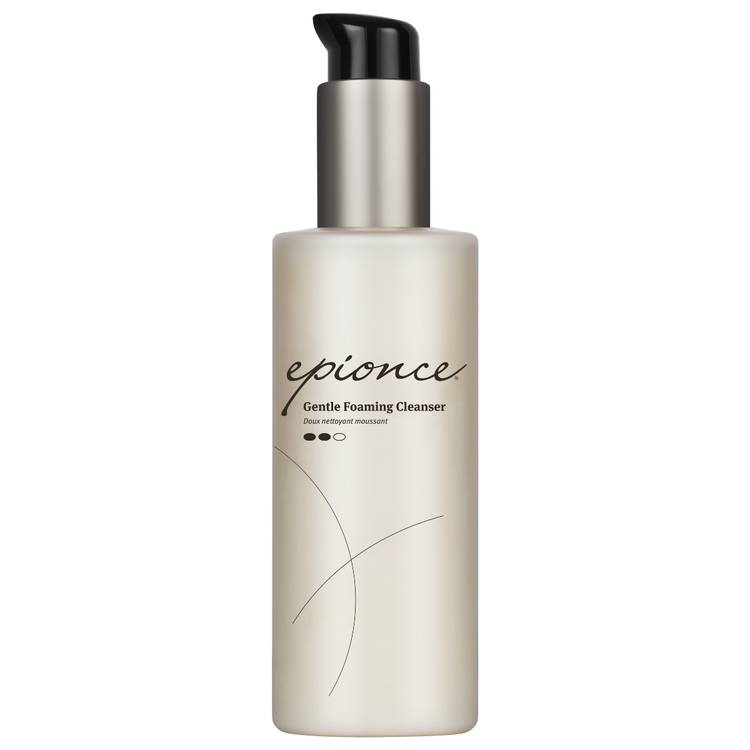
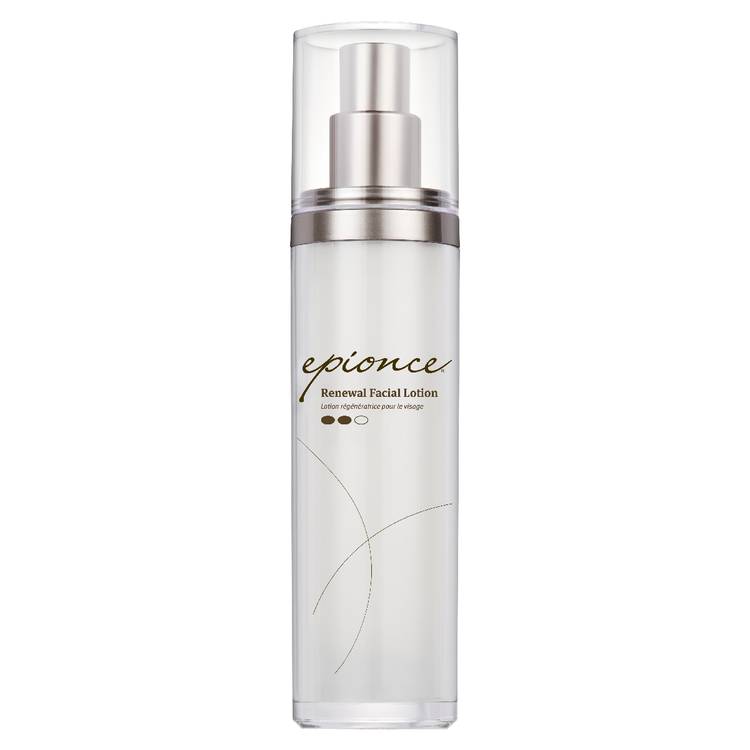
“For someone looking to simplify their routine and support barrier health, a consistent three-step approach is a great starting point,” says Dr. Thornfeldt, who recommends you “cleanse, renew and protect.” In practice, that means using “a gentle, non-stripping cleanser suited to your skin type,” followed by a “moisturizer that supports barrier function and hydration,” and finishing with “daily broad-spectrum SPF.”
Dr. Thornfeldt’s barrier-first approach carries through to his routine recommendations. Here’s how to tailor them to your skin type:
Dry Skin
Normal Skin
Oily Skin