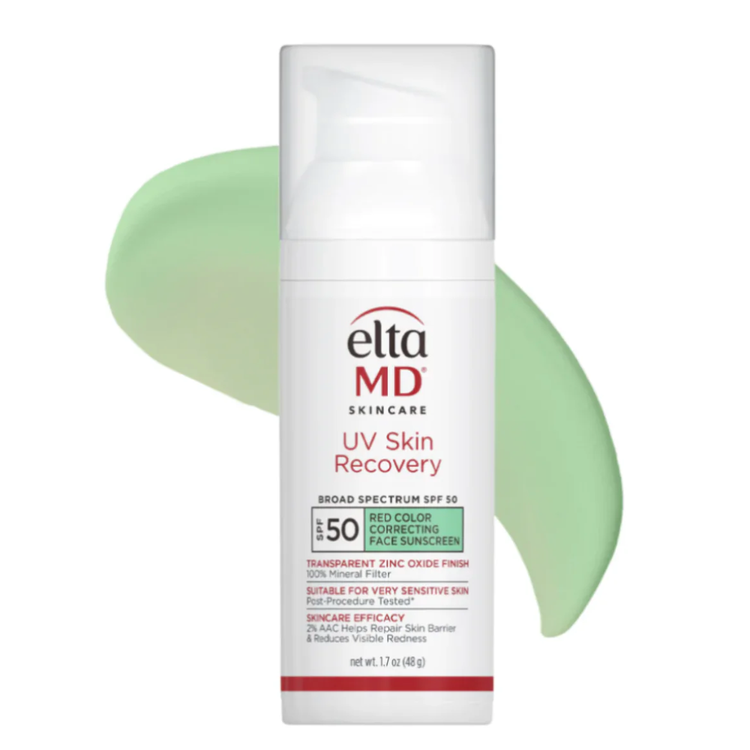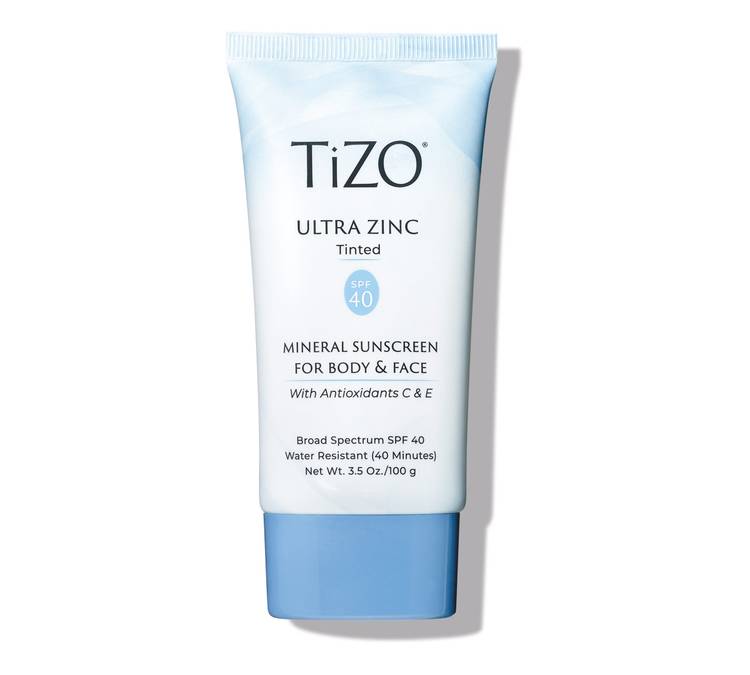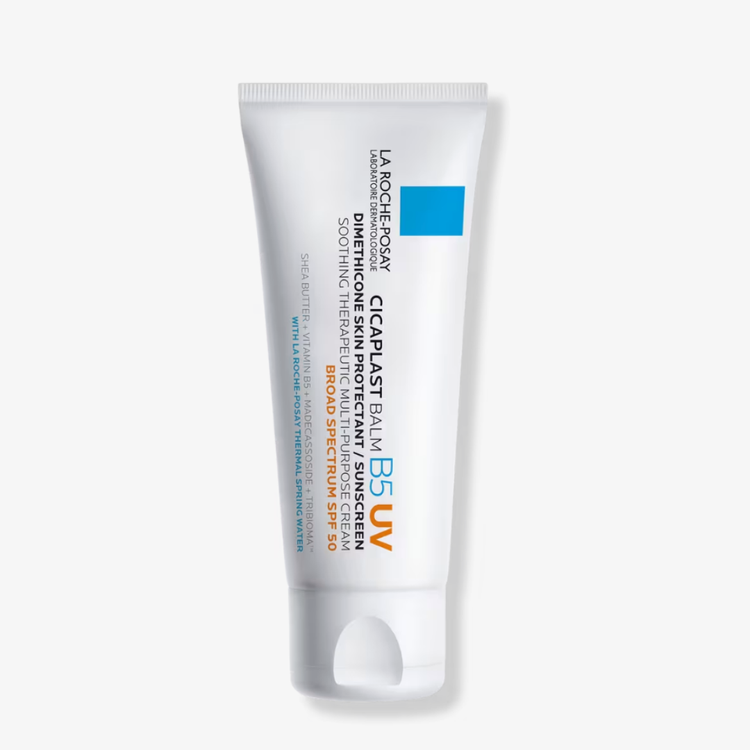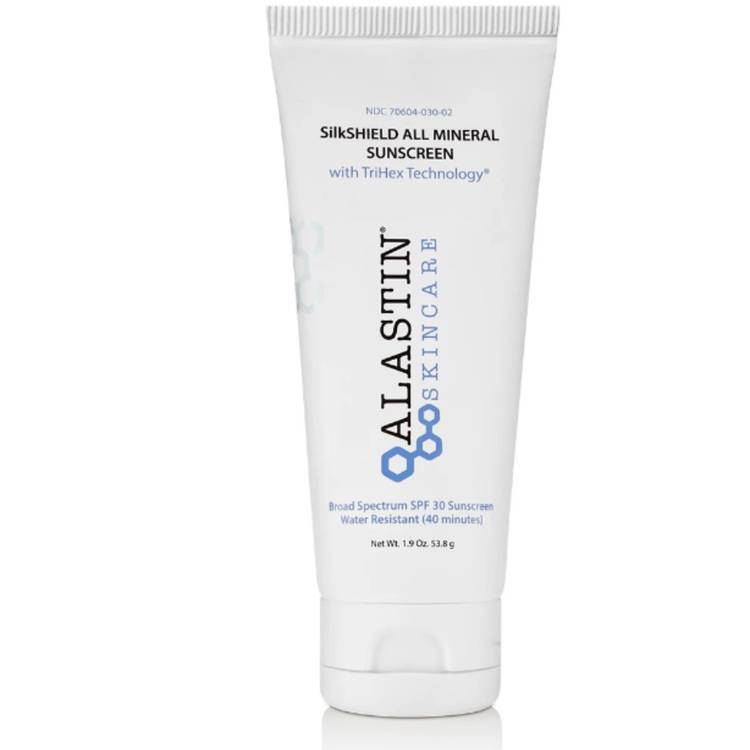

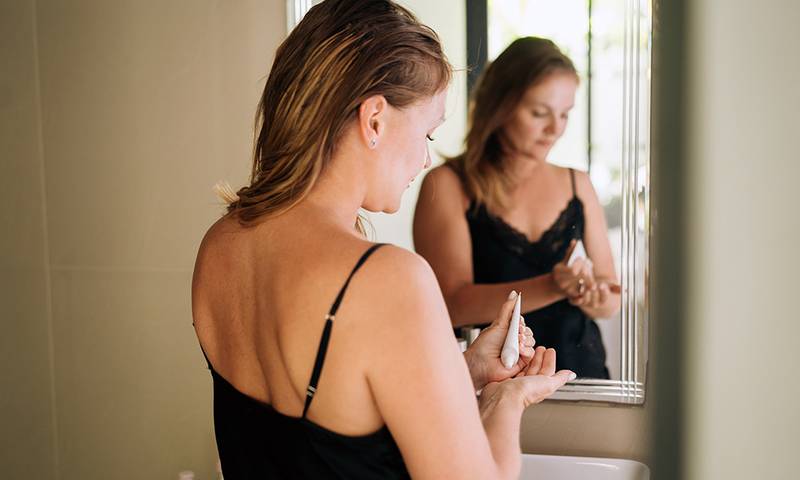
Summer is right around the corner, which likely brings sunscreen to the top of mind, but consider this your reminder that SPF is a year-round requirement, not just for days spent in the sun. In fact, daily SPF is essential no matter the season. And in certain situations—like post-procedure skin—it’s even more important.
Ahead, we break down why sunscreen is non-negotiable after a cosmetic procedure and the best formulas to use while your skin heals.
Featured Experts
- Amy Sprole, MD is a board-certified plastic surgeon in Wichita, KS
- Daniel Schlessinger, MD and Joel Schlessinger, MD are board-certified dermatologists in Omaha, NE
- Arash Akhavan, MD is a board-certified dermatologist in New York
Why Is Sunscreen Post-Procedure So Important?
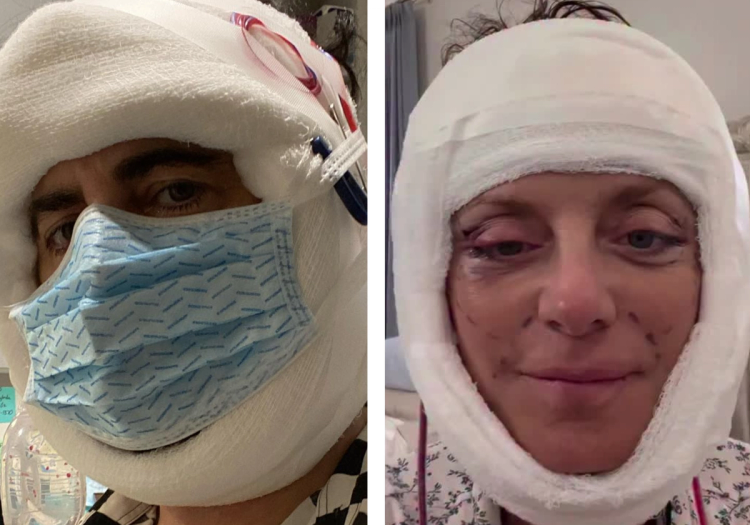
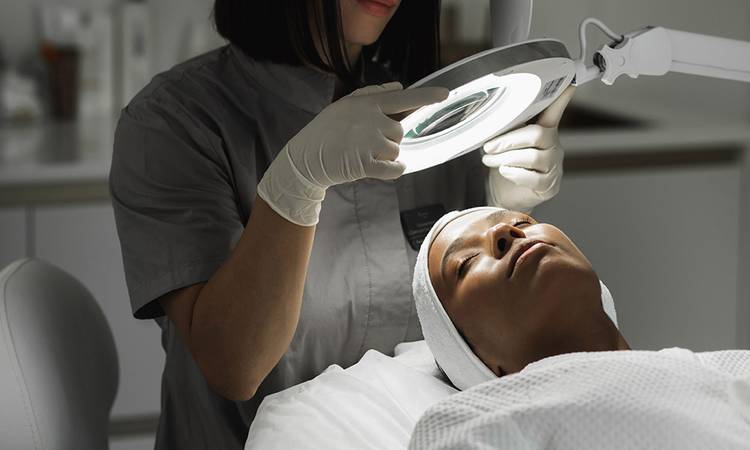
Diligent sunscreen use is especially important after a cosmetic procedure. “Because the skin is in an inflamed and vulnerable state post-procedure, it is more susceptible to sun damage,” explains New York dermatologist Arash Akhavan, MD. “Without proper sun protection, patients are at a higher risk of developing hyperpigmentation and other complications.”
What to Look for in a Post-Procedure Sunscreen
The formula also matters, as chemical sunscreens may be irritating to post-procedure skin. "While chemical and hybrid chemical/physical sunscreens do still have their place, physical sunscreens tend to be gentler on the skin," adds Omaha, NE dermatologist Daniel Schlessinger, MD. Chemical sunscreens use ingredients such as avobenzone and octinoxate to absorb UV rays, while mineral sunscreens rely on zinc oxide or titanium dioxide to physically block and reflect them.
“I require a mineral SPF of at least 30,” says Wichita, KS plastic surgeon Amy Sprole, MD, of her post-procedure patients. That guidance aligns with the American Academy of Dermatology (AAD), which advises using a broad-spectrum, water-resistant sunscreen with an SPF of 30 or higher daily and reapplying every two hours.
While the AAD covers the essentials, there are a few additional things to keep in mind. Look for formulas that are fragrance-free, non-irritating and layered with soothing ingredients such as ceramides (lipids that help reinforce the skin barrier), panthenol (a form of vitamin B5 that helps calm and hydrate) or centella asiatica (a plant-derived ingredient known for reducing redness and supporting healing).
Ahead, we’ve rounded up five standout sunscreens for post-procedure skin to consider.
The Best Sunscreens for Post-Procedure Skin