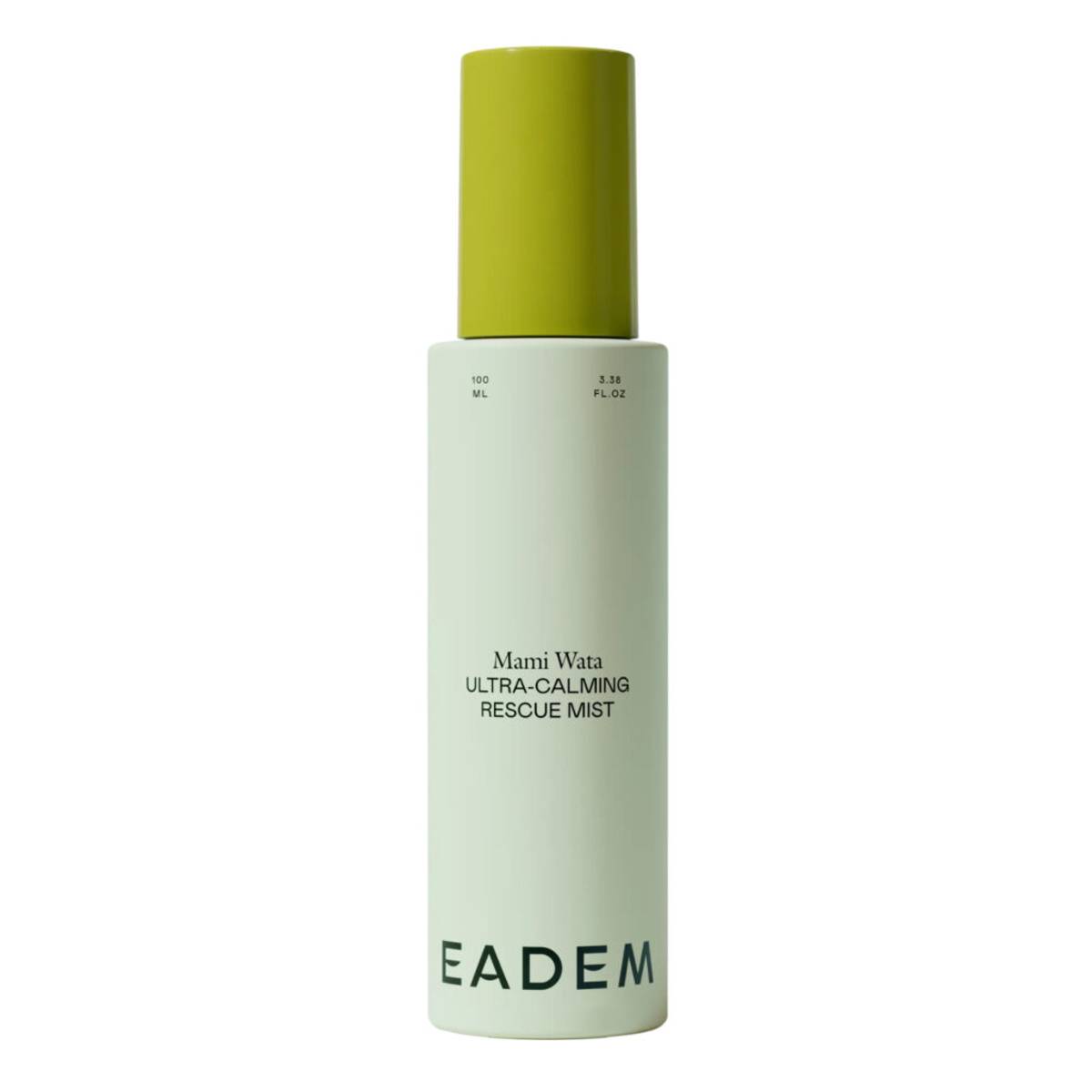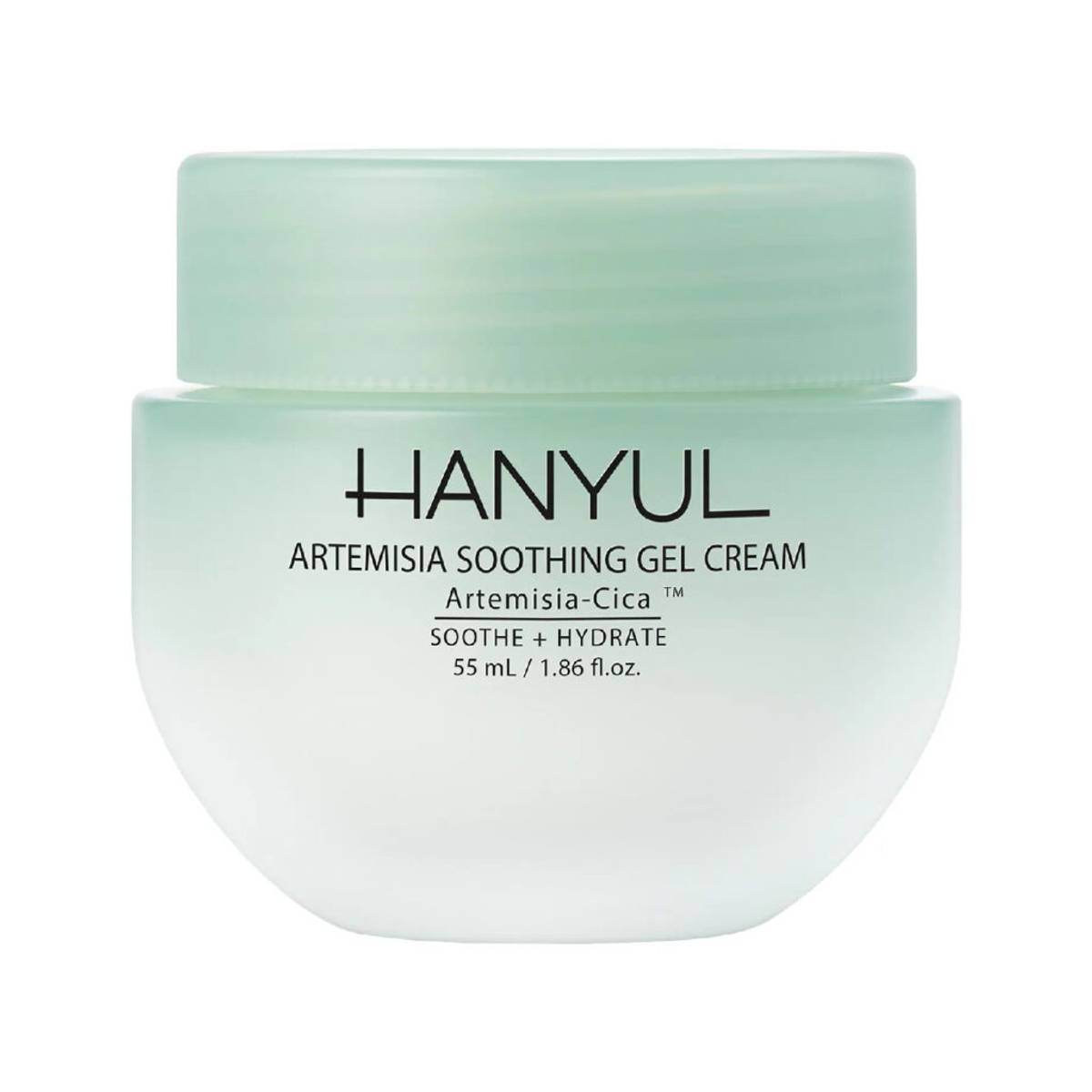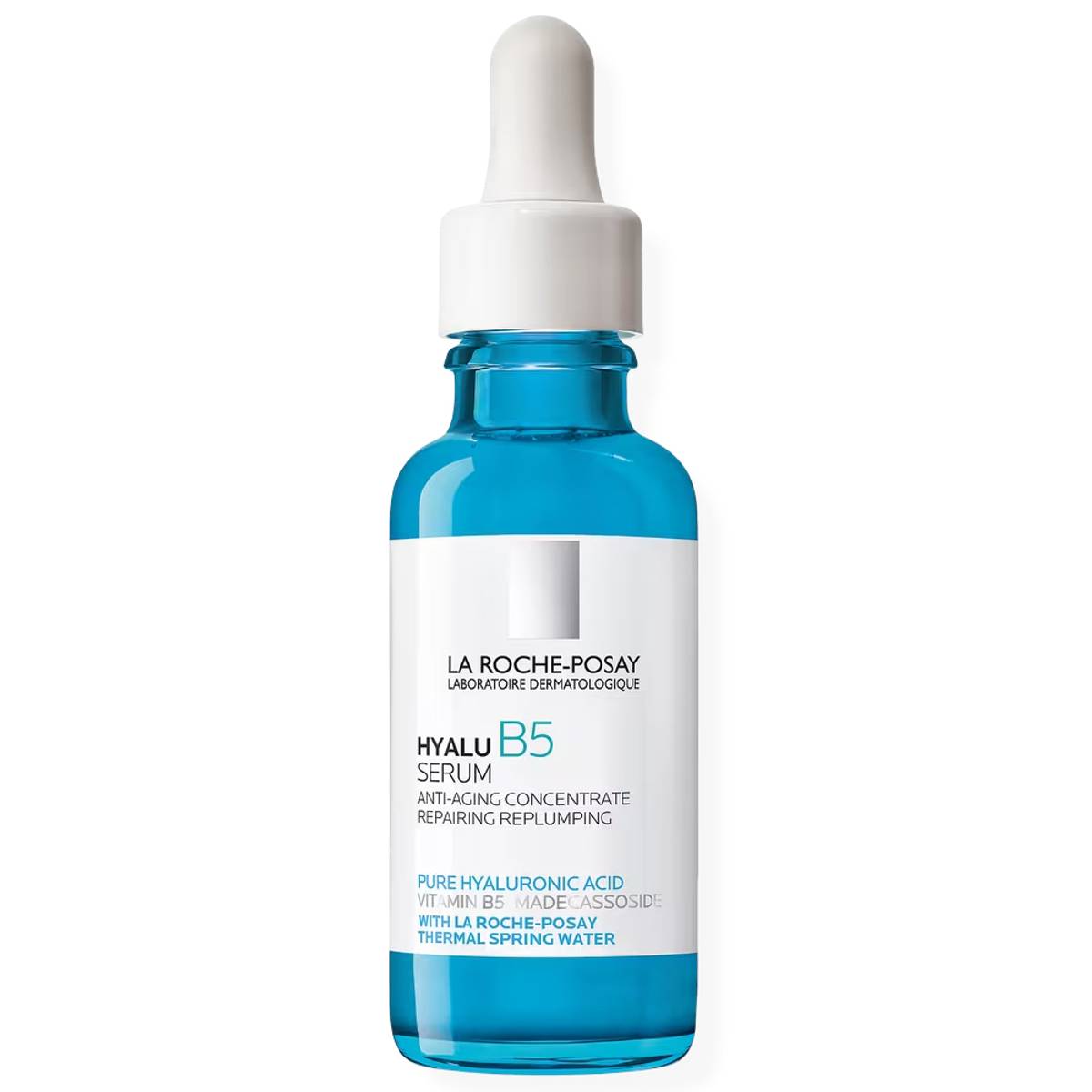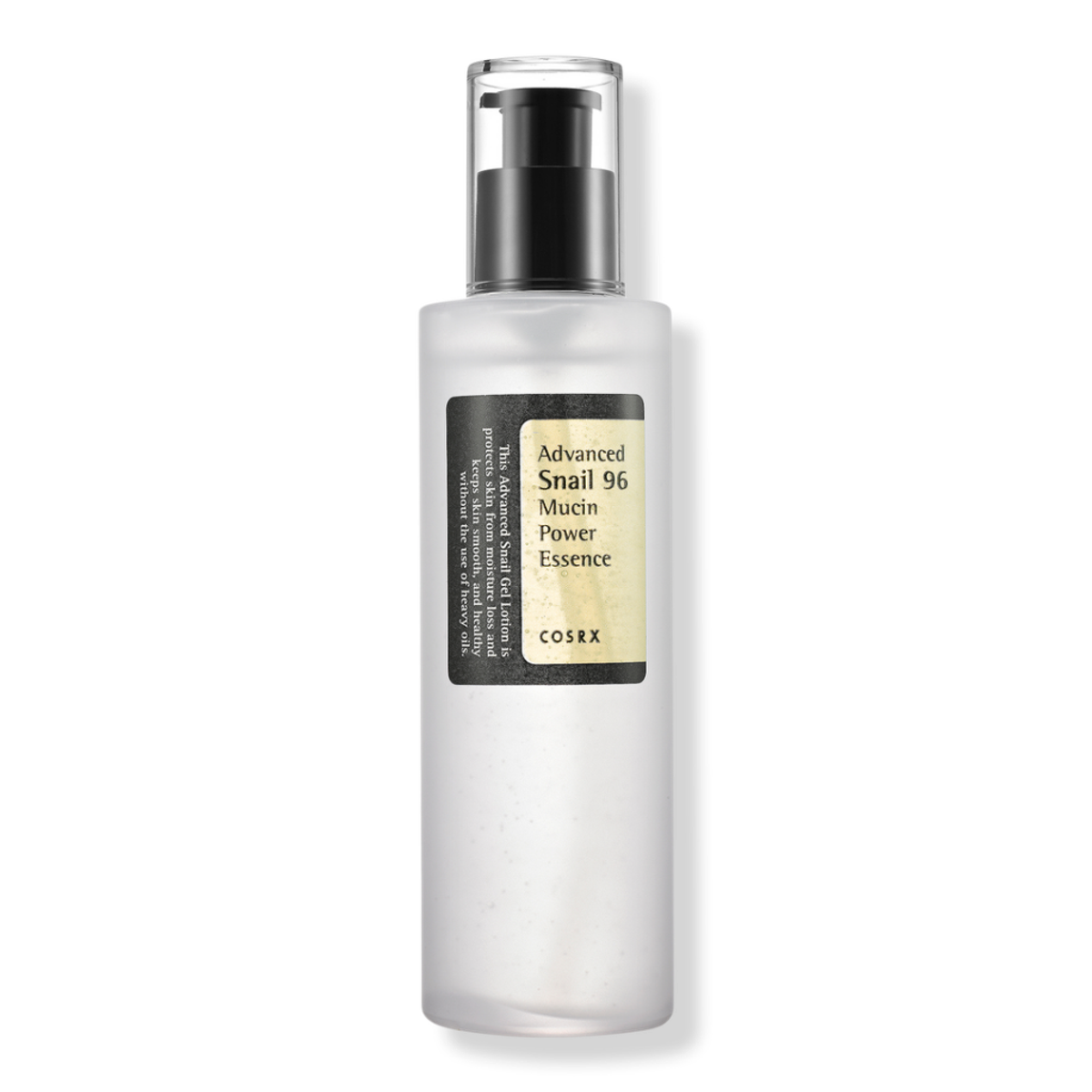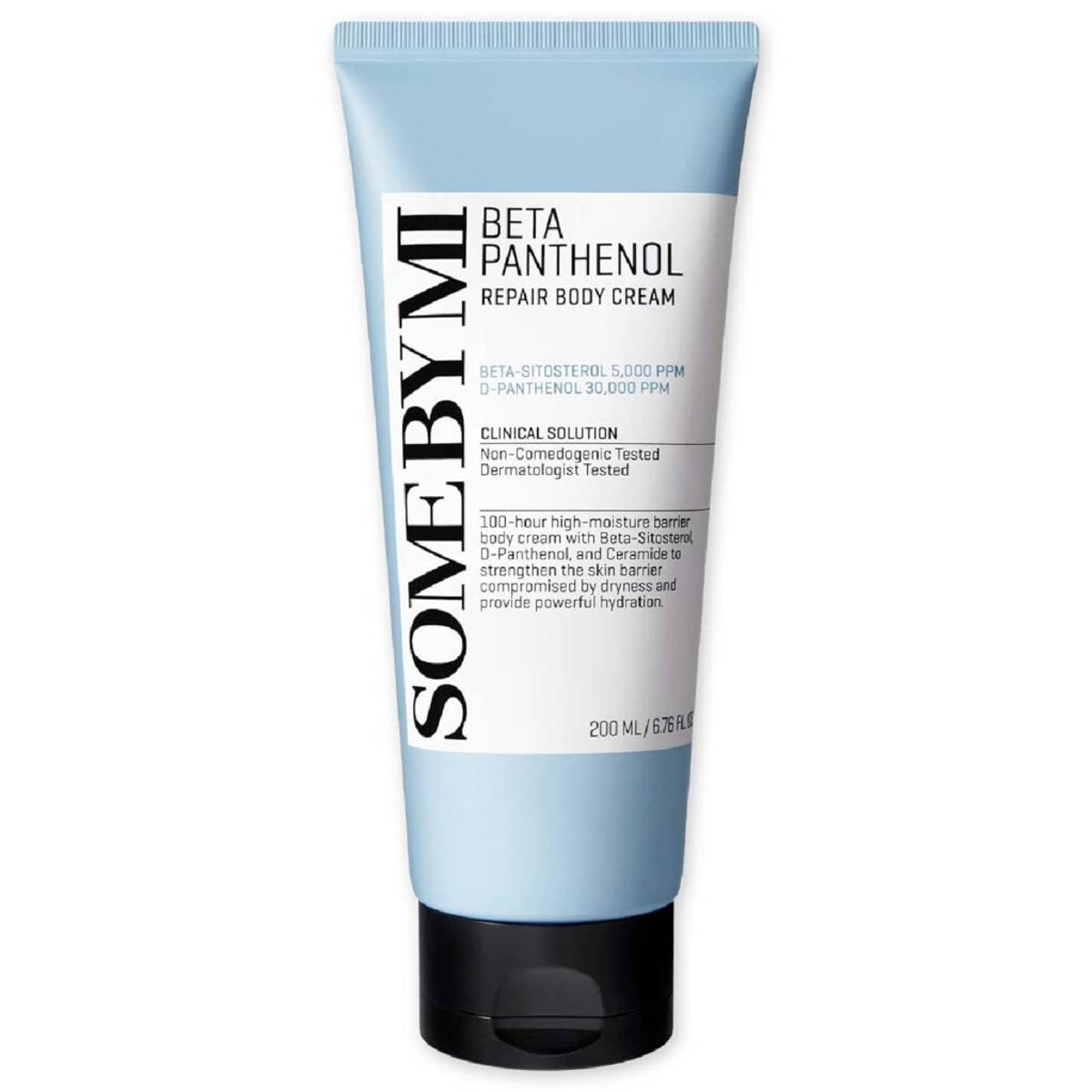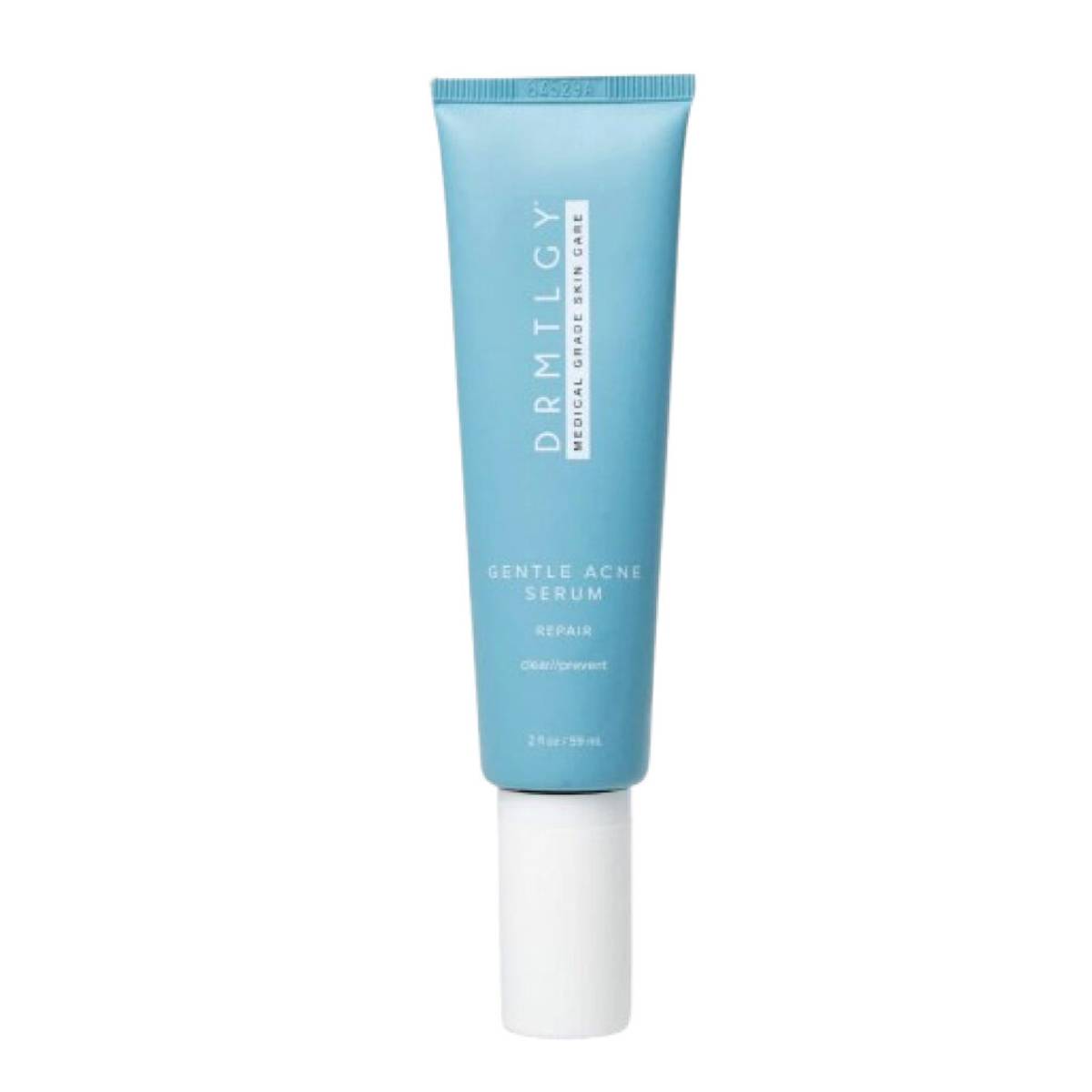
You could study the ABCs of skin care and still overlook a few key ingredients. That said, there’s no pressure to memorize every single one, but understanding the heavy hitters, like panthenol, can make choosing the right products much easier.
At its most basic, panthenol is a form of pro-vitamin B5 and a humectant, meaning it draws water into the skin, used in topical formulas to hydrate, soothe irritation and support the skin barrier.
Ahead, two experts unpack how panthenol functions in skin care, how it compares to other hydrators and when to use it.
Featured Experts
- Kristina Collins, MD is a board-certified dermatologist in Austin, TX
- Ginger King is a cosmetic chemist and product developer
What Does Panthenol Do for Skin?
"Panthenol converts to pantothenic acid inside the skin, which is essential for cellular metabolism and lipid synthesis,” says Austin, TX dermatologist Kristina Collins, MD. “Biologically, it strengthens the skin barrier by supporting the production of fatty acids and ceramides within the stratum corneum. It also increases water retention in the skin and has anti-inflammatory effects, helping calm irritation and support wound healing.”
In simpler terms, Dr. Collins says it’s especially beneficial for “sensitive, compromised, post-procedure, acne-prone or over-treated skin.” Even more broadly, "Anyone using actives, experiencing dryness, redness or barrier disruption will benefit most,” she continues. “While oily or resilient skin types may not strictly need panthenol, it’s still well tolerated and supportive. Very few skin types wouldn’t benefit from it.”
Panthenol vs. Hyaluronic Acid, Glycerin and Ceramides
"Hyaluronic acid and glycerin primarily act as humectants that draw water into the skin, whereas ceramides are structural lipids that directly rebuild the barrier," explains Dr. Collins. Panthenol, she says, "sits in between," delivering some of the benefits of both. "It hydrates like a humectant while also supporting the skin’s own lipid production and repair processes," she continues. "It’s less immediately plumping than hyaluronic acid, but more biologically restorative over time."
Is Panthenol Safe to Use With Retinoids and Acids?
"Panthenol is extremely compatible with active ingredients and is often used specifically to offset irritation from retinoids, acids and benzoyl peroxide," Dr. Collins explains. "It helps reduce inflammation, dryness and barrier damage without interfering with the efficacy of those actives. This makes it ideal in routines designed for acne treatment or anti-aging."
What Concentration of Panthenol Is Effective?
Unlike some skin-care actives that rely on higher percentages, panthenol performs well at relatively low levels. “Panthenol is effective in concentrations as low as 1 percent, with most clinical benefits seen between 1 and 5 percent,” says Dr. Collins.
Because most brands don’t disclose exact percentages, ingredient placement can offer general context. Ingredients are listed in descending order until the 1-percent threshold, meaning those above that mark appear higher on the list, explains cosmetic chemist and product developer Ginger King. However, once a formula drops below 1 percent, ingredients can be listed in any order before preservatives, fragrance or colorants—making exact concentrations difficult to determine from placement alone.
When panthenol appears near the very end of the ingredient list, it may be included at a lower, marketing-level concentration. Formulas designed with performance in mind often place it closer to the middle of the deck, she adds.
“Higher concentrations do not necessarily lead to better results and can sometimes feel tacky or heavy on the skin,” adds Dr. Collins. “More is not always better. Consistent use at an effective concentration is what delivers barrier support and hydration benefits over time.”
The Best Panthenol Products Worth Adding to Your Routine