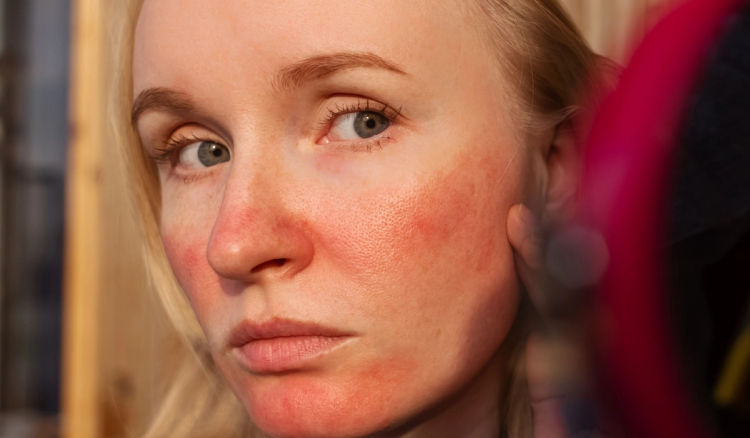
Most of us hear the word acid and assume that our skin will peel and turn red, which isn’t always the case. New York dermatologist Doris Day, MD, says, “Just because something is labeled an acid, doesn’t give you the scoop on what it does.”
If you’re just starting out with products that contain acids, pick one with a cream or lotion base, says celebrity aesthetician Nerida Joy. “They’re more buffered than a gel or liquid, meaning they’ll be more effective with daily use, which lowers chances of skin irritation. Acid combinations in a product work best when they can penetrate different levels of skin; some work just on the surface, while others go deeper for more of a rejuvenating effect,” she adds. Those with sensitive skin that’s easily disrupted can especially benefit from a light cream or lotion because, “It allows for the skin to get used to the product.”
You May Also Like: How Often Should You Do an At-Home Peel?
The Exfoliators
These work on the skin’s surface and slough off dead skin fast. Glycolic, salicylic, lactic, retinoic and malic acids fall into this category.
The Hydrators
Hyaluronic acid provides a hydrating effect. It allows skin to hold on to water and is compatible with just about every skin type.
The Brighteners
Kojic, L-ascorbic, azelaic and mandelic acids work on a deeper level of the skin to halt melanin production and give a brightening effect.
The Damage Defenders
Gentle on skin, alpha lipoic and ferulic acids provide a layer of protection against environmental damagers.