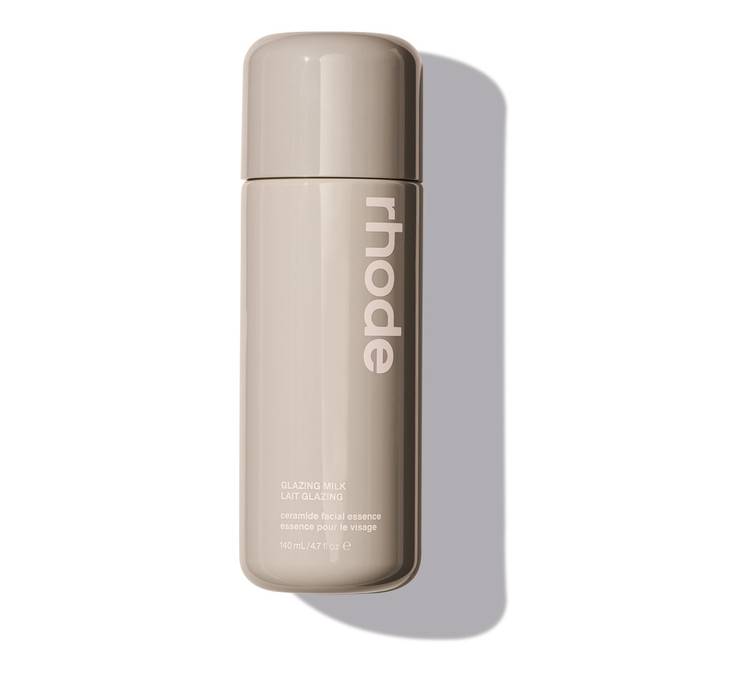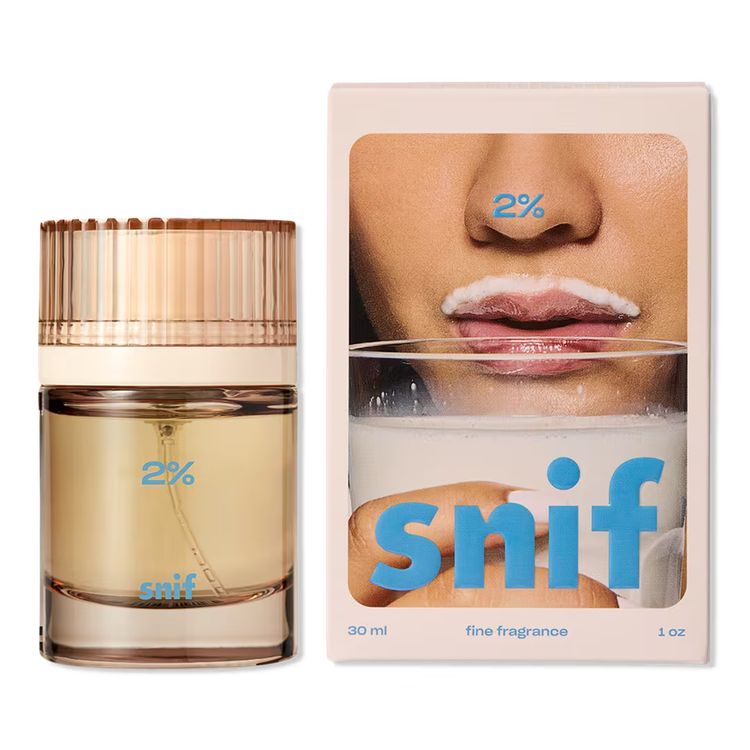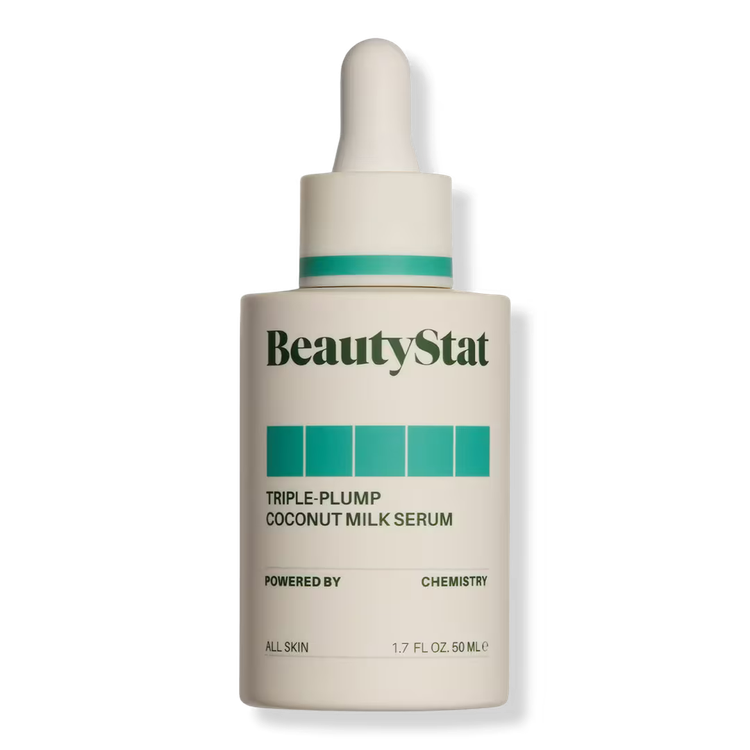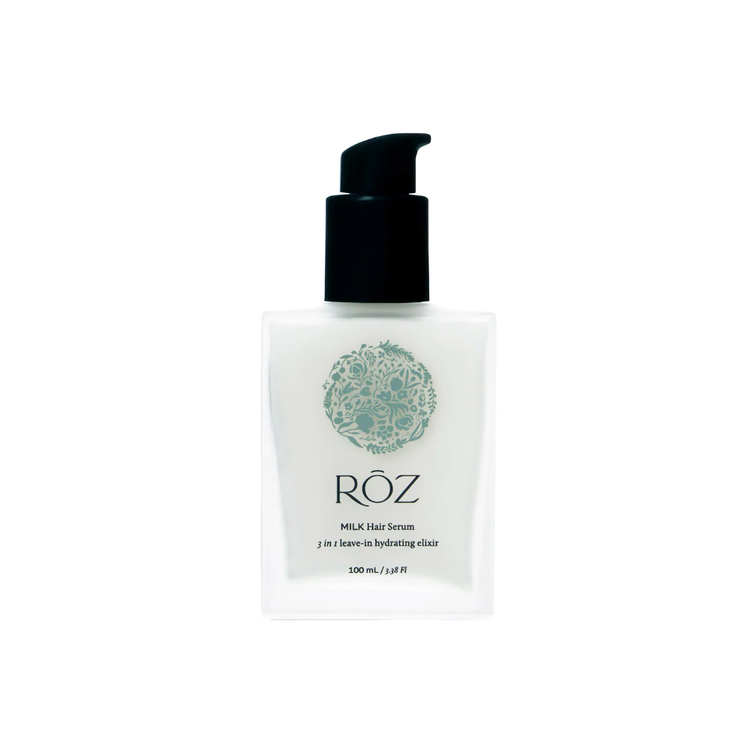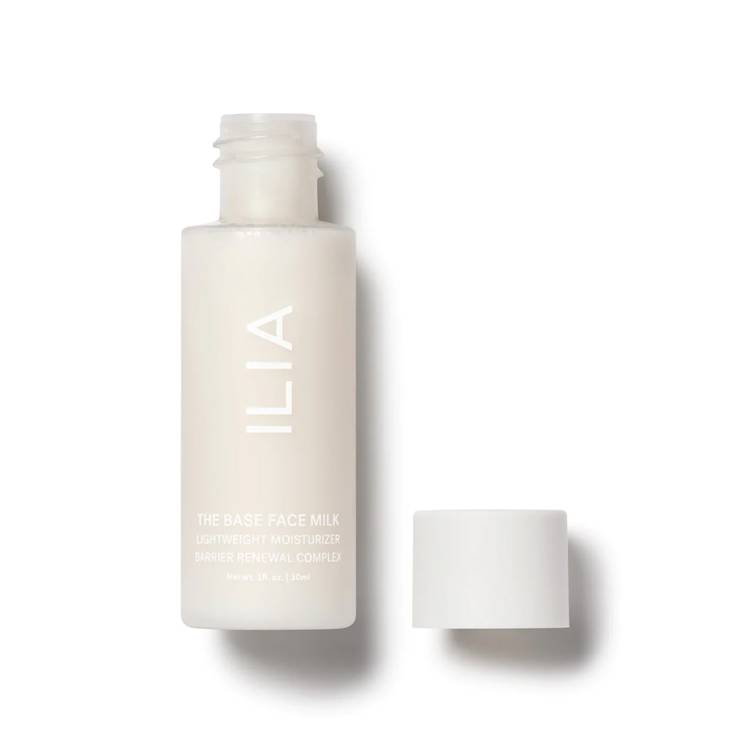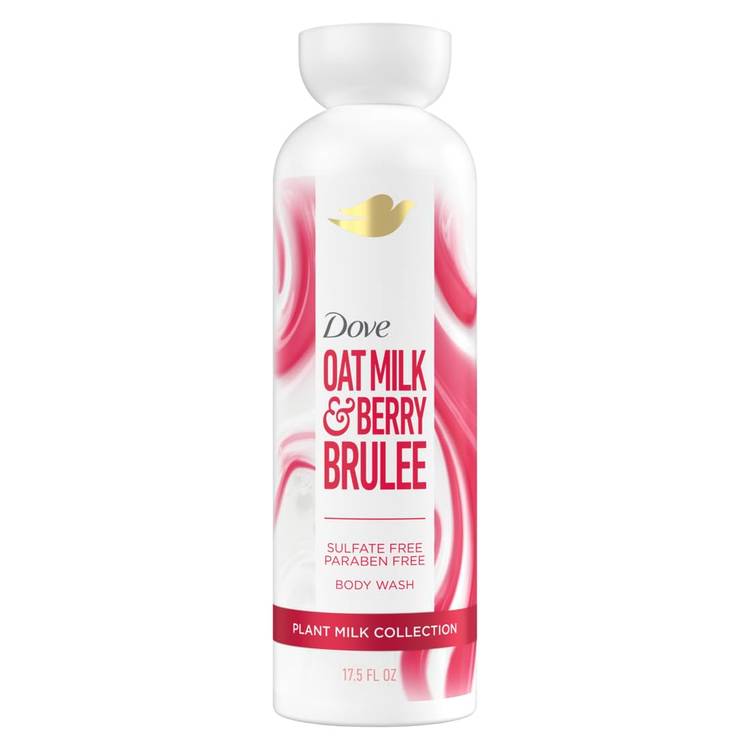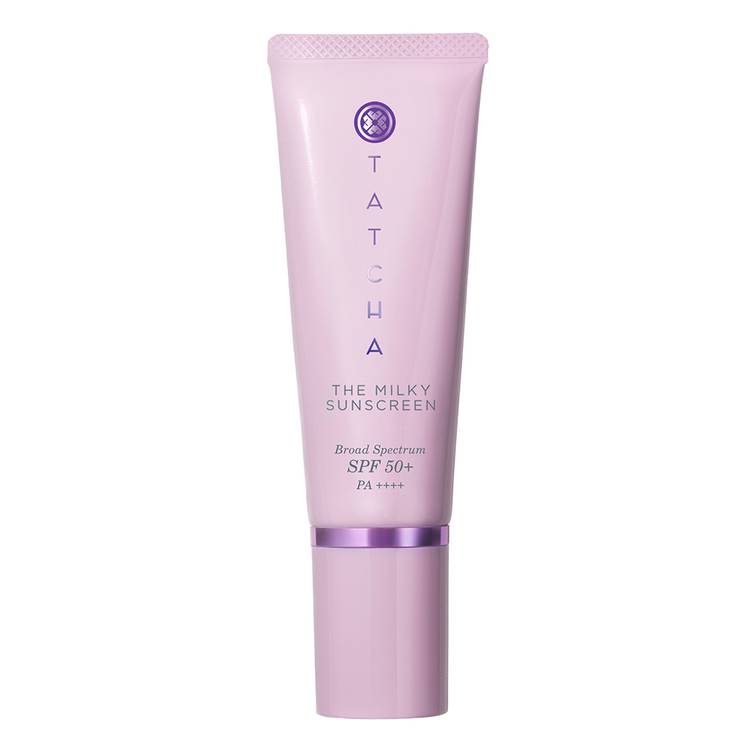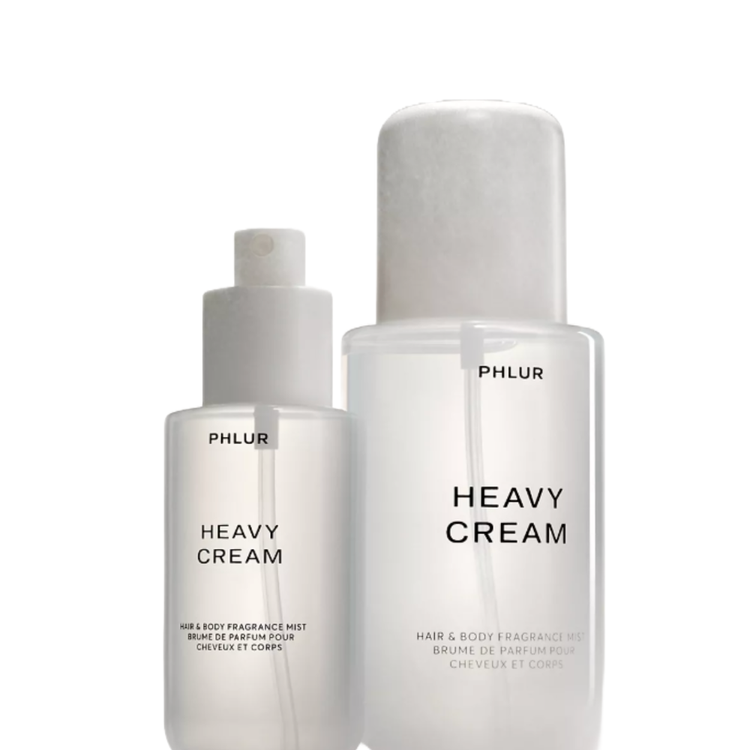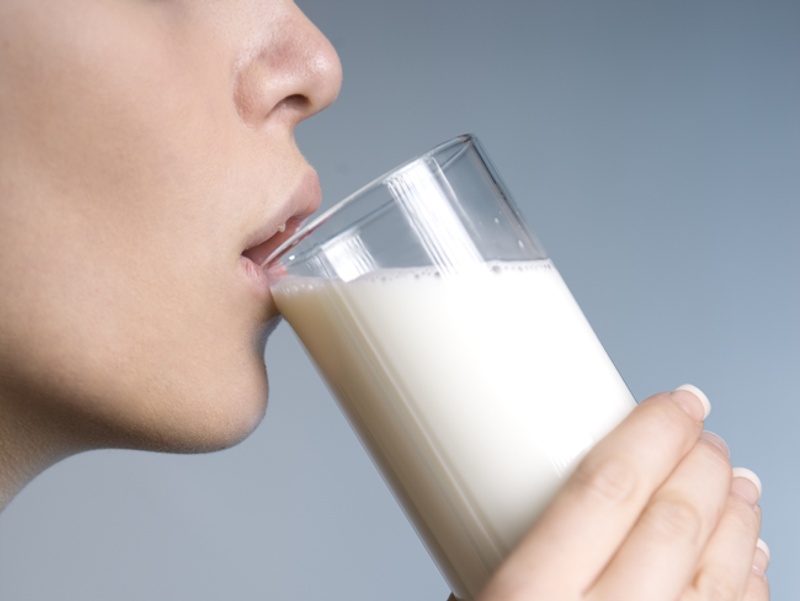
If you’ve been seeing milk everywhere you turn when it comes to beauty products lately, you’re not alone. Milky beauty products have taken over as the formula and texture to pay attention to. While we often thought of watery serums or water-based creams as synonymous with top-tier hydration, milk is the latest drink-inspired adjective to describe products. And it’s not just being used to describe serums: Milk has infiltrated all facets of the beauty industry. Milky toners and essences, perfume milks, and even milky self-tanners and fragrances with milk notes are everywhere—but why? Where did this come from and what are the actual benefits of milk-based products? Experts weigh in with the details. Drink it all in.
Featured Experts:
- Kally Papantoniou, MD is a board-certified dermatologist in Melville, NY
- Kara Kowalski is the Director of Fragrance and Formula Development at Snif
- Ron Robinson is a cosmetic chemist and founder of BeautyStat
What Are Milky Beauty Products?
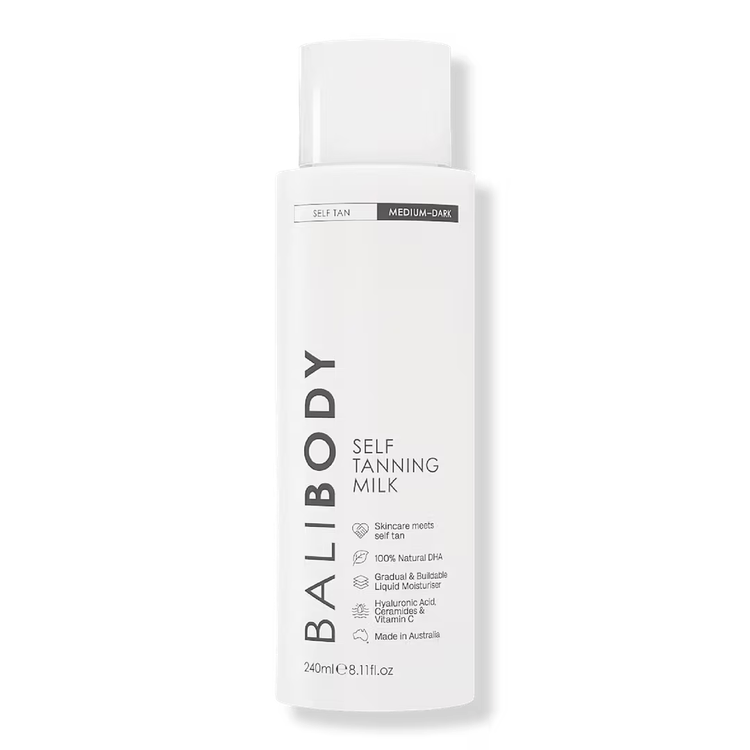
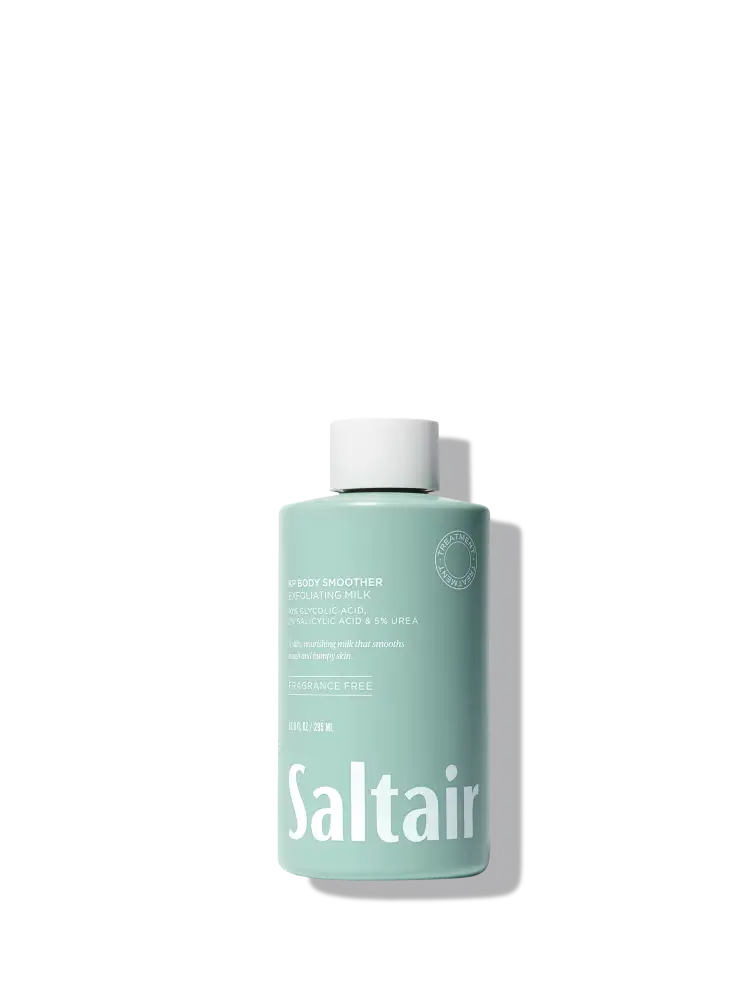
Milks can be found across several beauty product categories right now, including milky face moisturizers, body milks, perfumes, essences, serums, sunscreens, self-tanners and more. They are increasing in popularity and arriving on the heels of other milky beauty trends like milk bath manicures and milky, slightly translucent nail polishes. So maybe it was only natural for the trend to evolve from manicures to other beauty products.
Milky beauty is “a marketing term for products that have a white, semi opaque or semi translucent appearance that resemble cow's milk,” says cosmetic chemist and founder of BeautyStat Ron Robinson. “The name connotes ‘nutritious’ and ‘good for you.’”
Just because these products are called milks doesn’t automatically mean they have milk in them, though some do: “Some formulas may contain milk proteins or acids,” says Robinson. “Some of these products don’t contain any cow’s milk at all. But instead, they may contain vegan alternatives such as nut milks.” So some products simply have a milk-like texture, while others actually contain milk-derived products.
Why Are Milky Skin-Care Products Popular?
Milky skin-care products feel inherently moisturizing and nourishing to the skin. The cushiony texture even feels comforting and the texture is soft, soothing and creamy. The emulsion-based formula is thicker than water, yet never leaves any heaviness or stickiness behind. But why are these silky products taking over? “We’re seeing an overall shift toward simpler, more barrier-focused skin care,” says Melville, NY dermatologist Kally Papantoniou, MD. “Milky textures feel lightweight but still hydrating, so they are easy to layer and don’t feel heavy on the skin.” As more people search for straightforward, low-maintenance beauty routines, milky products just make sense. “Skin-care trends are moving away from harsh routines, and these textures fit right into that,” adds Dr. Papantoniou.
Benefits of Milky Skin-Care Products
Milky skin-care products sit somewhere in between watery serums and creamy lotions, says Dr. Papantoniou. How do you choose between a water-based formula and a more milky texture? “You tend to get more hydration than a watery product, but they’re lighter and easier to wear than a traditional cream,” she says of milky products. “That makes them a more comfortable option for daily use, especially when layering multiple products.” So, if you’re into a multi-step skin-care routine and you don’t want to leave residue behind, incorporating a milky product may just be for you.
Multiple skin types can benefit from these formulas too. “They’re great for dry or sensitive skin because they add hydration without irritation,” says Dr. Papantoniou. “Normal skin can benefit from them too.”
The only skin type you’ll want to double check is oily or acne-prone skin, but it’s not an automatic no-go. “It really depends on the formula; some are light enough to work well, while others may feel too rich,” says Dr. Papantoniou. If you aren’t sure, you can ask your board-certified dermatologist for their recommendation based on your skin type.
Do You Need to Add Milky Skin-Care to Your Routine?
It depends on your skin type and routine, but in general, milky products can be categorized as a nice-to-have, not a must-have. “It can be a nice addition, especially if your skin needs more hydration but can’t tolerate heavier products, or for those looking to build a more layered routine,” says Dr. Papantoniou. “That said, it’s not a must. Like anything in skin care, it really comes down to what your skin needs rather than following a trend.” Put simply: If you’re building out a new skin-care routine, definitely consider trying a milky serum or toner, but if you already have a solid setup, it’s not an essential like vitamin C or retinol.
When it comes to milky sunscreens (which, by the way, are continuing to rise in popularity with 849.5 percent year-over-year growth, according to Spate) or self-tanners, the same idea applies: If your skin is on the drier side, it can be ideal to use milky products if you really want to.
Why Are Milk Notes Popular in Fragrance?
To understand why milk notes are popular, we first must turn to the gourmand trend. “Milky scents are really the sweet spot of the gourmand boom,” says Snif Director of Fragrance and Formula Development Kara Kowalski. “Right now, consumers want it both ways.” Essentially, they want to “smell edible and elevated,” she explains, but they also still want to feel chic. And that’s exactly what milk notes achieve. Think of milk notes as the newest, refreshed evolution of gourmand. “At Snif, it was about pushing the category forward,” says Kowalski. “We didn’t want to just do another vanilla milky fragrance. Milk gives you that same addictive quality, but with more range. It can lean soft, fresh, airy, cozy, even a little skin-like.”
Milk notes are also compelling because of their versatility. “Traditional gourmands can feel very literal like you’re committing to one specific dessert note, whether that’s marshmallow, crème brûlée or caramel,” says Kowalski. “Milky, lactonic notes soften that. They act more like a texture than a flavor, which lets them flex across fragrance families like woody, floral, musky, even fresh.” This also makes them play well with others if you’re interested in fragrance layering.
What Does a Milk-Scented Fragrance Smell Like?
Fresh milk doesn’t have a particularly strong scent—you might think of it more as mild, barely noticeable, subtly sweet and clean. So how does that translate over to an eau de parfum or cologne? “A milky fragrance can show up in a lot of different ways, but the common thread is lactonic notes,” says Kowalski. They aren’t only seen (or smelled, rather) in dairy and dairy-adjacent items, either: “You find them naturally across ingredients like peach, coconut, sandalwood and fig outside of anything that’s literally dairy,” she adds.
The lactonic notes in general “bring a creamy, rounded quality to a scent,” she explains. “Not always sweet, but softer and smoother, almost like a whipped version of an ingredient.”
Much like milky skin-care products, it’s more about the texture. “What makes milky fragrances so interesting is that they can feel richer without being heavy,” says Kowalski. “They add this airy, skin-like creaminess that makes a fragrance feel really addictive.”
What Are Fragrance Milks?
Fragrance milks are a newer, burgeoning category of fragrances that, rather than containing lactonic notes, are formulated to feel like milk, similarly to the milky skin-care products. “Milky formulas instantly feel more luscious, more hydrating, more indulgent,” says Kowalski. “They look the part too with a soft, white, and almost cloud-like feel which taps into that same comforting, skin-loving association.”
Along with feeling more moisturizing on the skin, they also add to the luxurious experience of wearing fragrance. “At the end of the day, people want an experience,” says Kowalski. “Whether that’s milk in scent or milk in texture, I think it’s all about feeling rich, creamy and a little indulgent.”
The Best Milky Beauty Products to Try