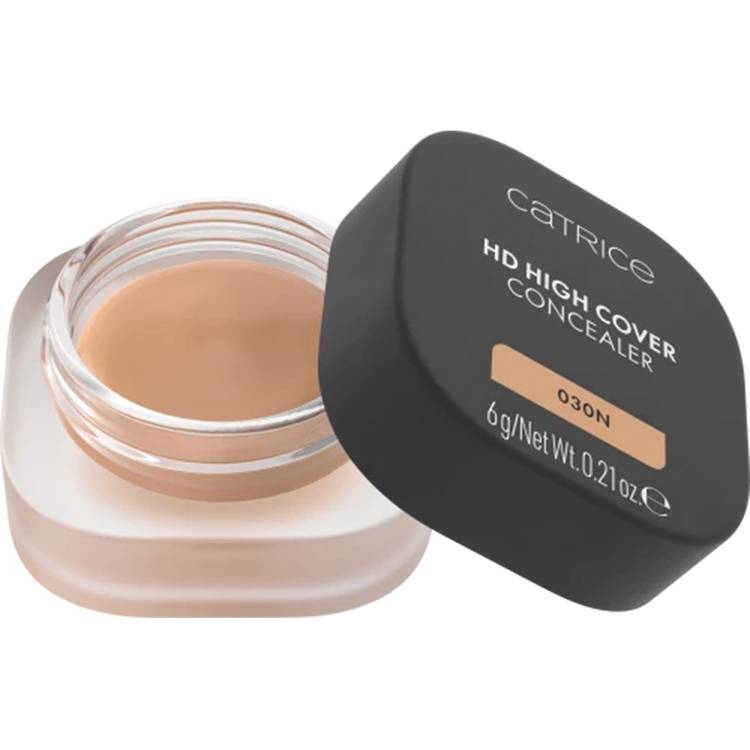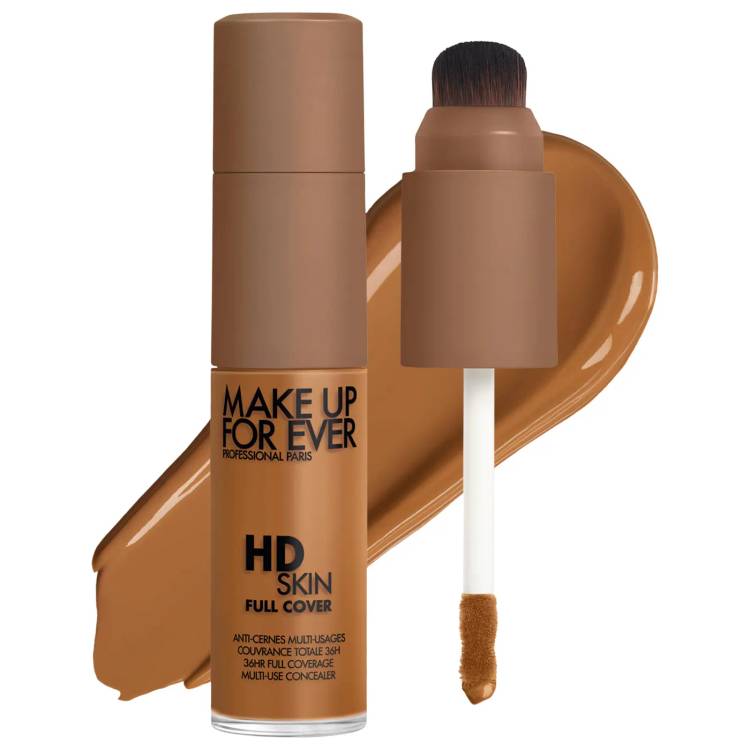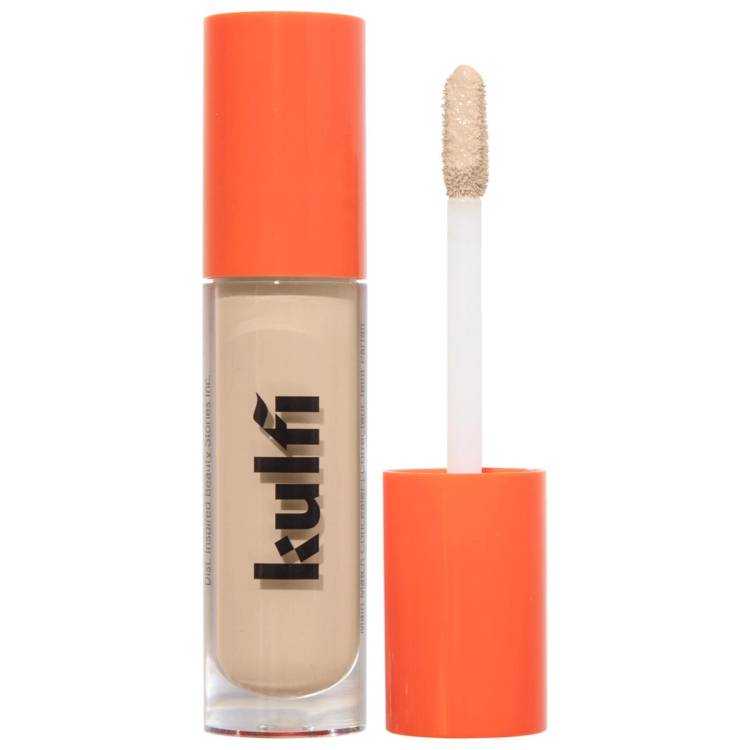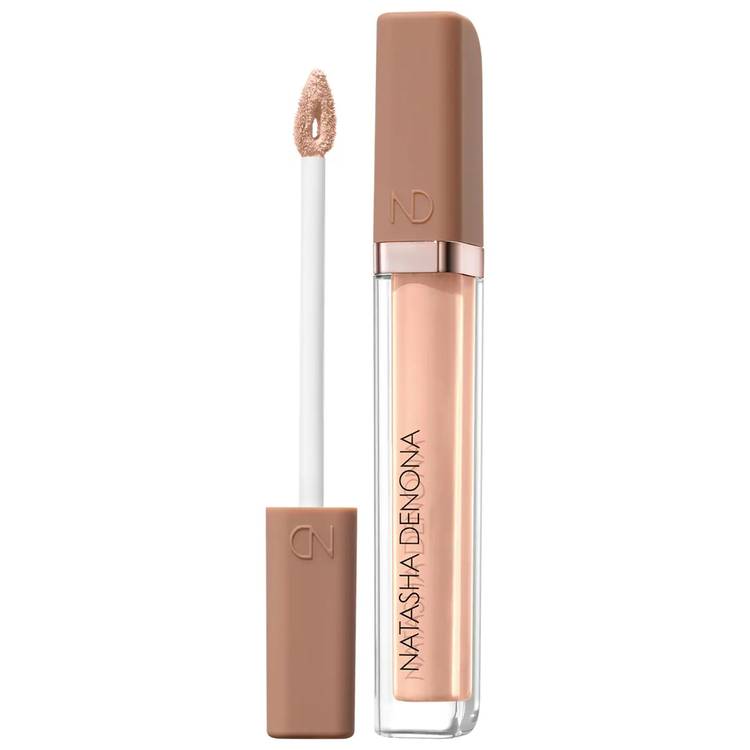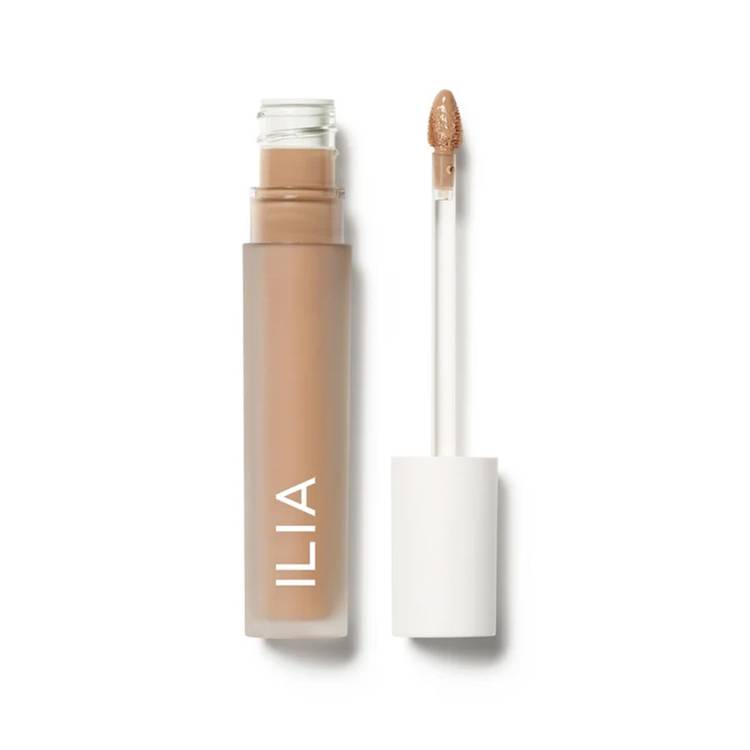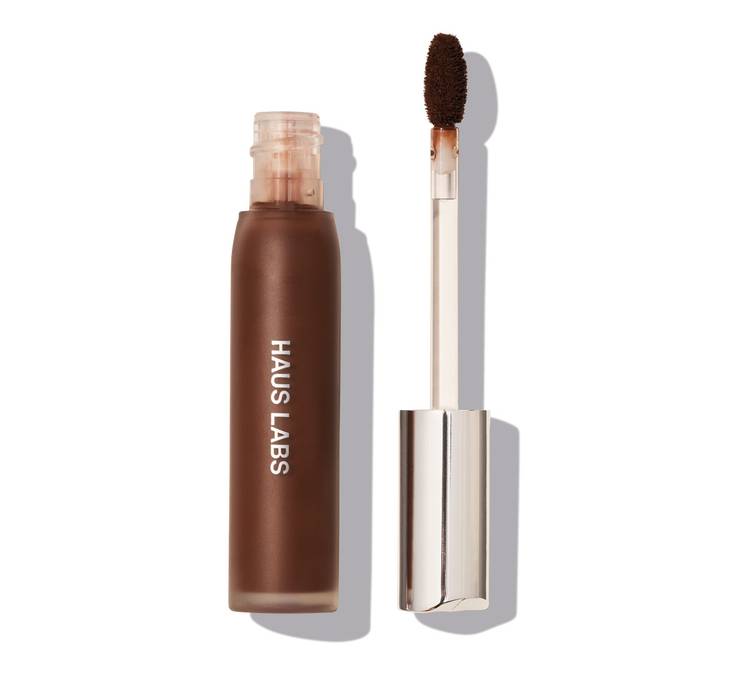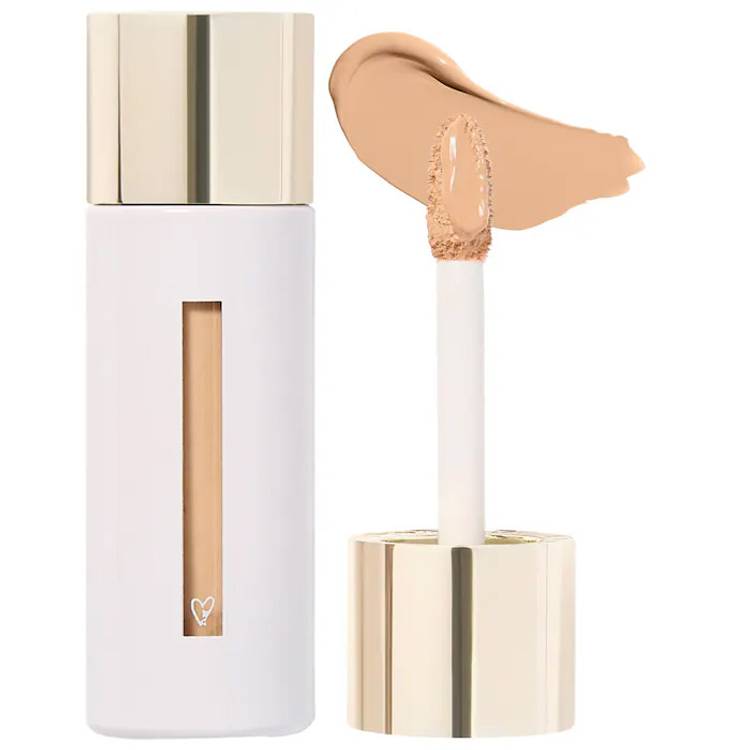
If you’ve ever applied concealer only to watch it crease, slide or fade by midday, you know the frustration of chasing longevity with layer after layer of powder. What if we told you there’s a solution? Self-setting concealer is designed to do it all, no powder required—but does it really live up to the hype?
We tapped top makeup artists to break down exactly how this innovative formulation works, what makes it different from traditional concealer and which products are actually worth adding to your routine.
Featured Experts
- Melissa Hurkman is a celebrity makeup artist
- Jenna Flug is a makeup artist and founder of Powder Room
- Eddie Duyos is the senior manager of pro artistry and product co-creation at MAKE UP FOR EVER
What Is Self-Setting Concealer?
“A self-setting concealer is basically a concealer that’s formulated to set down on its own after application, so you don’t necessarily need to go over it with a separate setting powder. It usually starts out creamy and blendable, then dries down to more of a soft, set finish,” explains celebrity makeup artist Melissa Hurkman. “It has enough movement when first applied to blend easily, then dries down into a thinner, less tacky layer that is less likely to slide around,” adds makeup artist and founder of Powder Room Jenna Flug.
The benefit of a self-setting concealer is that “it gives you more flexibility in how you finish your makeup, so loose or pressed powder becomes more of a choice based on the finish you want rather than something you need for longevity,” says Eddie Duyos, senior manager of pro artistry and product co-creation at MAKE UP FOR EVER. It’s important to note that self-setting is not a standardized category, “so formulas can vary quite a bit. Some lock down firmly, while others simply develop a soft, powder-like finish,” notes Flug.
Does Self-Setting Concealer Really Work?
Yes, self-setting concealer really works, as long as you use a well-made formula. The best self-setting concealers “use ingredients like micro-powder particles and film-forming agents that help the formula set once it’s applied to the skin. Advances in formulation technology have made it possible to create thinner, more lightweight textures without sacrificing coverage,” says Duyos.
A good self-setting formula is often “designed with ingredients that help it lose some of that initial slip as it sits on the skin, so once you blend it out and give it a moment, it becomes more transfer-resistant and stays in place better,” says Hurkman. “Most self-setting formulas contain lightweight liquids that make the concealer easy to spread but evaporate after application. They also contain film-formers, which you can think of as creating an invisible, flexible mesh that holds the pigment against the skin,” adds Flung. “In simple terms, the movable part of the formula evaporates, and the coverage is left behind.” Another benefit is that self-setting concealers can often accommodate a higher pigment load, which is especially helpful when looking to correct or conceal, says Duyos.
Hurkman notes that even with all this advanced technology, application still plays a big role in the final result. “You want to use thin layers and avoid applying more product than you actually need.”
The Best Self-Setting Concealers of 2026
When shopping for a self-setting concealer, Duyos recommends looking for a formula that “feels lightweight, offers buildable coverage and sets comfortably without leaving the skin looking dry or overly matte.” He notes that ultimately, the best concealer for you will depend on your skin type and the finish you prefer.