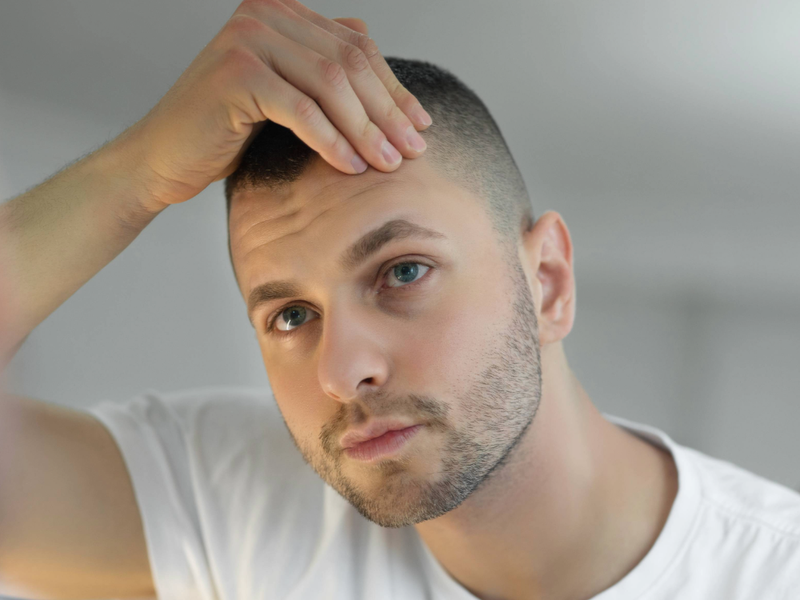
These days, the battle against hair loss isn’t just a fight—it’s a high-tech revolution. With cutting-edge therapies, robot-assisted surgeries and even the promise of hair cloning on the horizon, the future of hair restoration has arrived. And if you’re looking for a center that can take you on that journey to fuller hair, look no further than the Center for Hair Restoration in Pittsburgh, led by plastic surgeon Brian V. Heil, MD.
Hair Restoration Has Evolved
“At the Center for Hair Restoration, we offer the latest scarless techniques for hair restoration and there have been many exciting advancements in the field,” says Dr. Heil. “These include improved surgical methods, platelet-rich plasma (PRP) therapy, stem cell research and even enhanced diagnostic tools.”
Beyond surgery, non-invasive options like Viviscal and Nutrafol have become popular for supporting healthy hair growth from within. And looking to the future, experimental treatments like stem cell therapy and hair cloning show real promise in reversing hair loss entirely.
Even our ability to diagnose hair loss has drastically improved. With the HairMetrix system, we can analyze hair health, identify patterns of hair loss and track the effectiveness of different treatments. This allows us to create a personalized plan from day one, making it a vital first step toward restoring your hair.
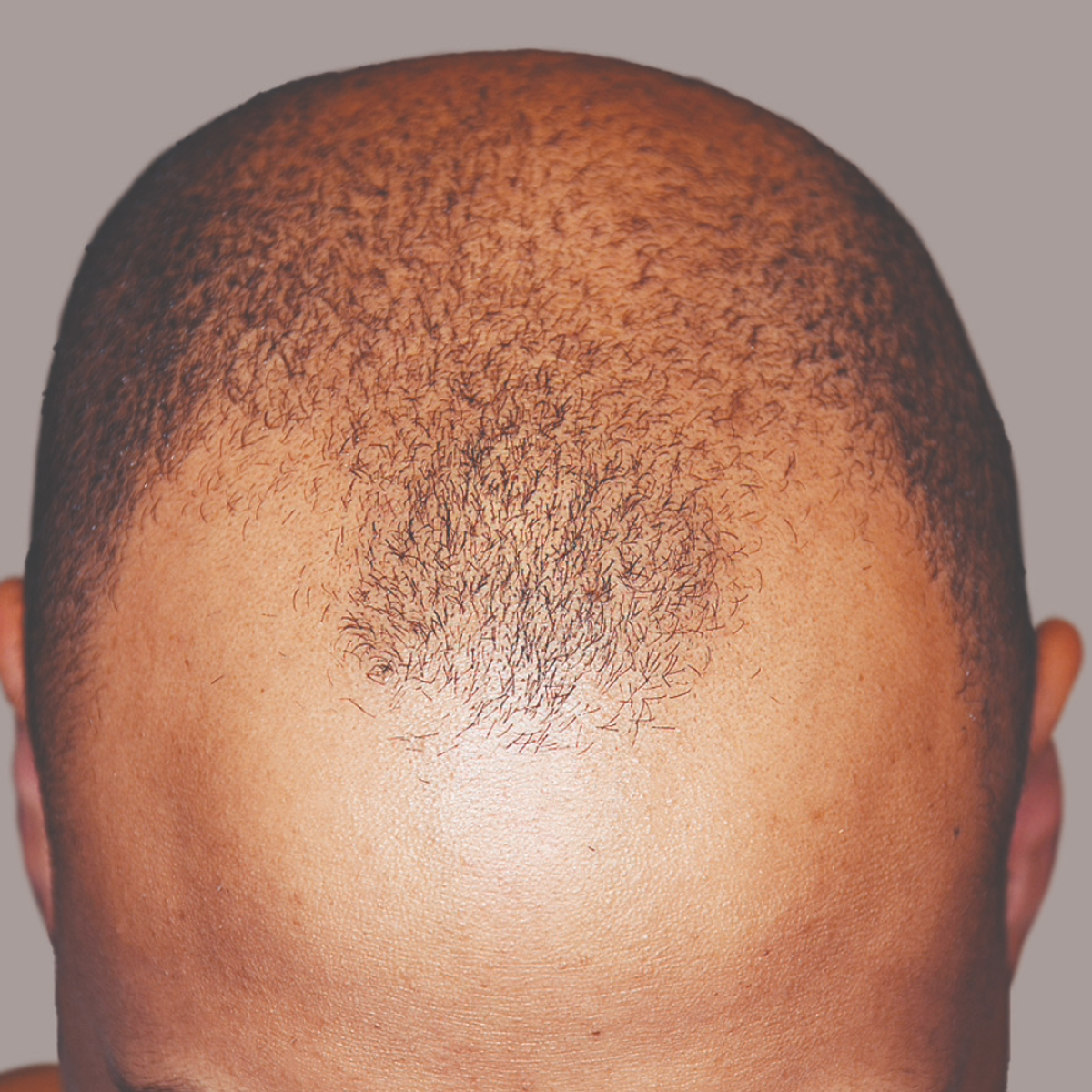
Before; Brian V. Heil, MD, FACS Premier Plastic Surgery
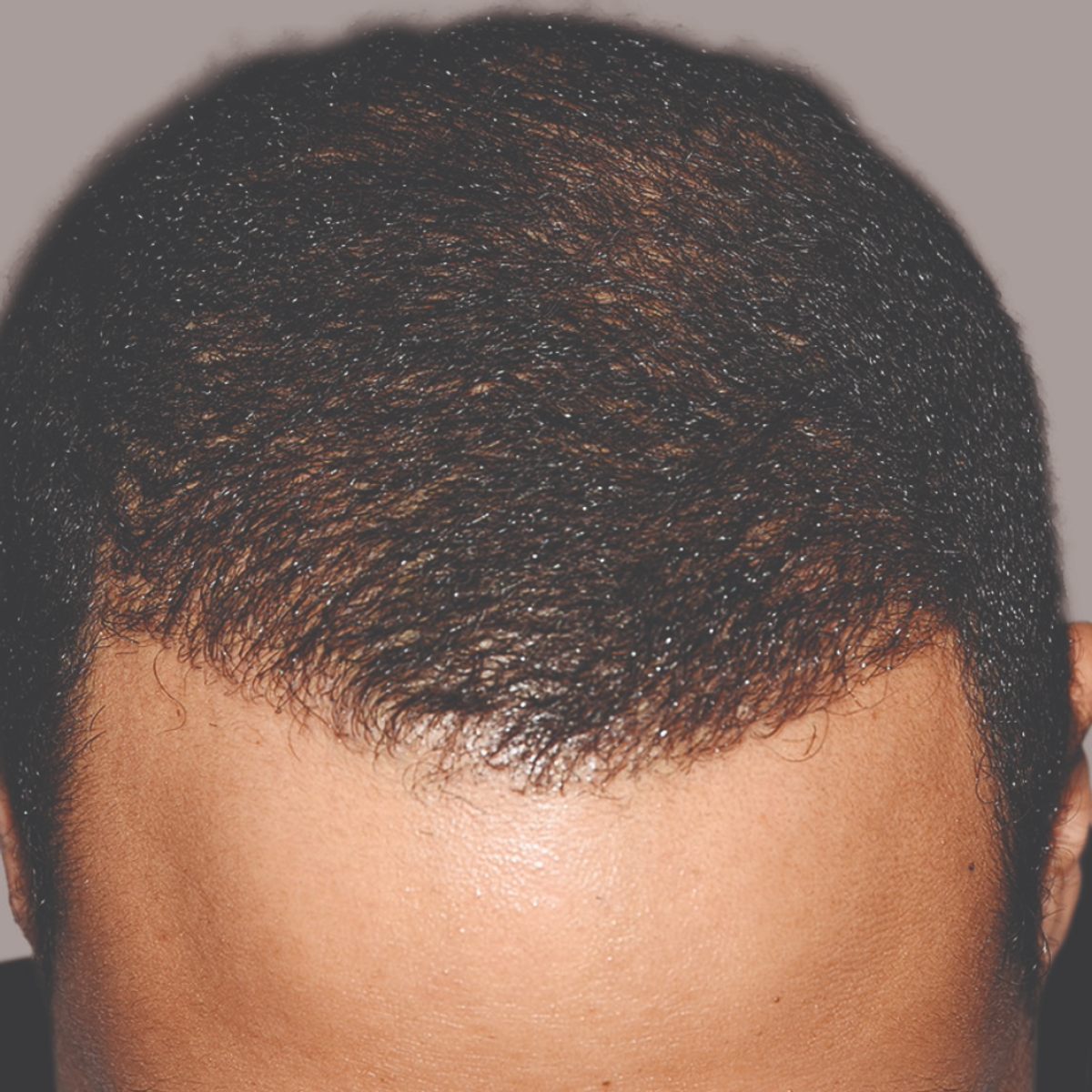
After; Brian V. Heil, MD, FACS Premier Plastic Surgery
Natural, Undetectable Results
For those considering surgery, the days of obvious, unnatural-looking results are over. Today’s refined techniques mean no scarring, quicker recovery and—most importantly—natural, undetectable results.
“Older methods like Follicular Unit Transplantation (FUT) and hair ‘plugs’ often resulted in noticeable scars and unnatural hair patterns,” Dr. Heil explains. “FUT, for instance, left a large, linear scar, while plugs created a doll-like appearance. These methods also involved longer recovery times and more discomfort for patients.”
Now, advancements like Follicular Unit Extraction (FUE), which extracts individual hair follicles without leaving a large scar, have revolutionized hair restoration surgery. These techniques allow for a more natural look and a faster recovery.
How Robotic-Assisted Hair Restoration Is Changing the Game
One of the biggest breakthroughs in recent years is the use of automated and robotic-assisted technologies like NeoGraft and ARTAS. These tools take hair restoration to the next level by enhancing precision and improving outcomes. And Dr. Heil’s Center for Hair Restoration is highly skilled in their use, including ranking third in the country for ARTAS hair transplant procedures.
“NeoGraft automates the FUE process, allowing for more consistent results with no scarring, while ARTAS uses artificial intelligence to meticulously analyze the donor area and extract hair follicles with exceptional precision,” says Dr. Heil. “The robot can even adjust in real-time for variations in hair density, ensuring the most natural result.”
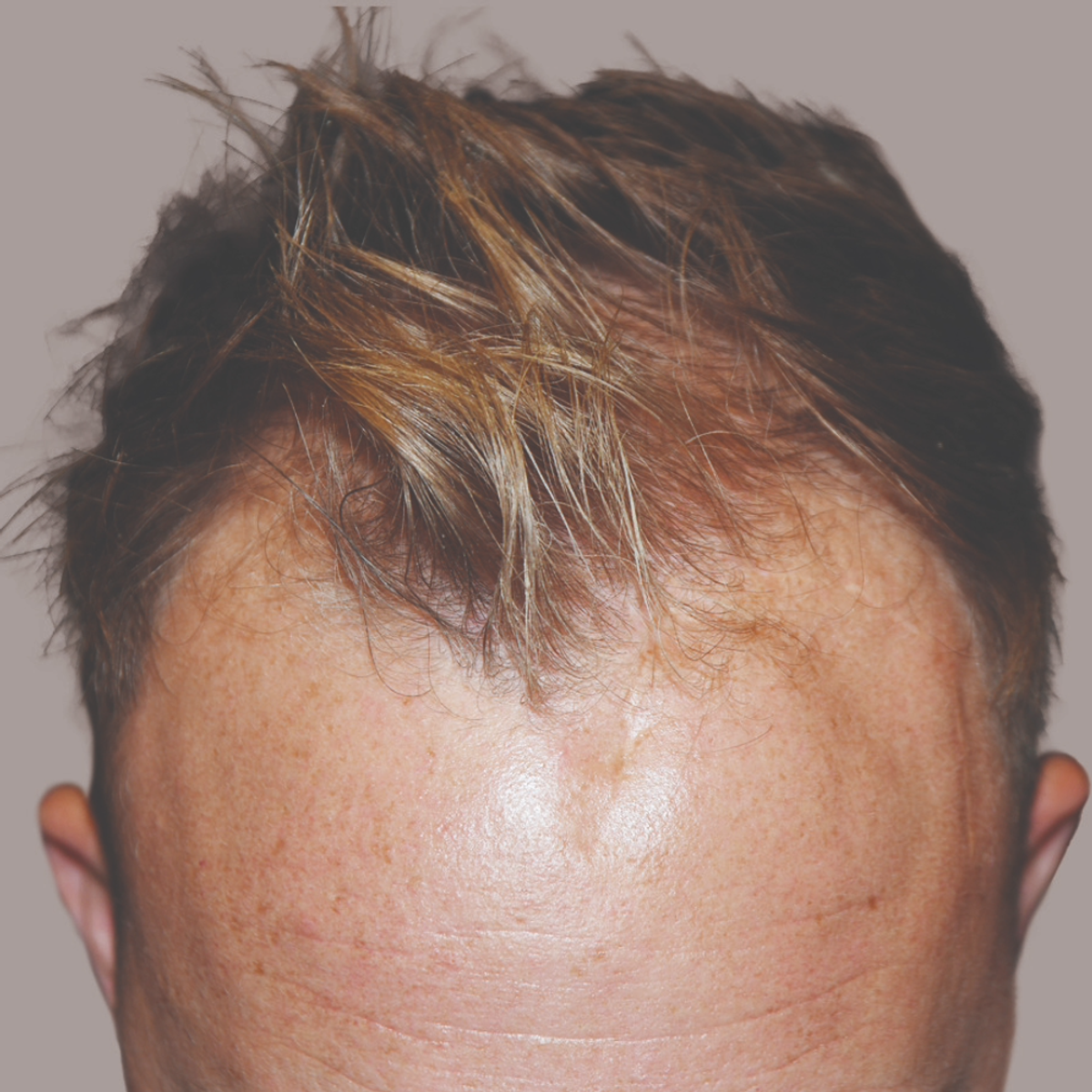
Before; Brian V. Heil, MD, FACS Premier Plastic Surgery
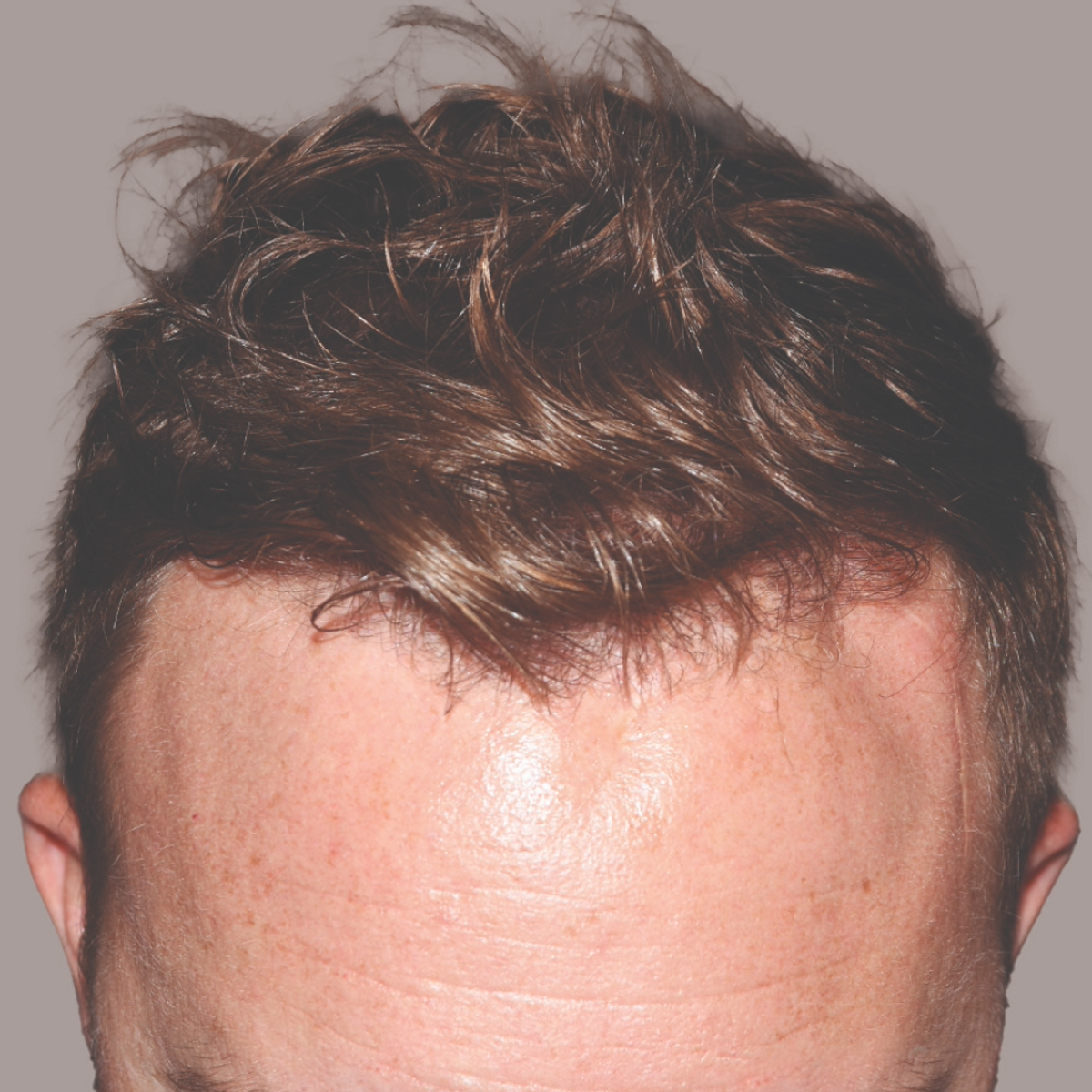
After; Brian V. Heil, MD, FACS Premier Plastic Surgery
The Future at Your Fingertips
With all these advancements in place, not every center is equipped to offer the full range of cutting-edge treatments. Dr. Heil’s Center for Hair Restoration stands out by providing comprehensive care—starting with personalized assessments and extending well beyond the initial procedure.
“At our center, we make sure every treatment plan is tailored to achieve the best possible outcome for each patient,” says Dr. Heil. “We follow up long after the procedure to ensure the results are lasting, because the journey doesn’t end after the procedure.”
With more than 20 years of experience, Dr. Heil’s center combines state-of-the-art technology and compassionate care to support your journey from beginning to end. His team of carefully curated experts have a combined 100 years of experience in designing and restoring hair. And with two ARTAS robots, affectionately named Rosey and Sylvia, you can be sure that your procedure will benefit from the latest in hair restoration technology.
If you’re ready to take the next step toward fuller, natural-looking hair, the future is at your fingertips.