
We research restaurants before making a reservation, compare reviews before buying a new gadget and probably know more than we should about someone before agreeing to a first date. Yet when it comes to choosing a medspa, many patients still rely on social media, before-and-after photos or the lowest price to make their decision.
With medspas now one of the fastest-growing segments of aesthetic medicine, experts say it’s time to start vetting these practices with the same level of scrutiny we’d use for any other medical decision. We asked dermatologists, plastic surgeons and patient safety experts which questions every patient should ask before booking an appointment.
Who’s Behind the Syringe?
The treatment itself matters, but the person performing it matters even more. “It’s more important who’s behind the syringe than what’s in the syringe,” says Grand Rapids, MI plastic surgeon Bradley Bengtson, MD. An experienced injector understands anatomy, knows when a patient isn’t the right candidate and can recognize and treat complications if they arise. Before scheduling, ask how often your provider performs the treatment you’re considering, what training they’ve received and who will be caring for you if something unexpected happens.
What’s the Plan If Something Goes Wrong?
One of the biggest red flags isn’t what happens during your appointment. It’s what happens afterward. Southfield, MI plastic surgeon Mariam Awada, MD says she’s never experienced a serious injectable complication in her 23 years of practice, but they can occur: “Adverse events include vascular occlusion, blindness, tissue necrosis, infection and permanent injury.” That’s why knowing who is responsible for your care matters before anything goes wrong.
Newport Beach, CA dermatologist Jennifer Channual, MD advises asking whether a physician is involved in oversight and exactly who will manage your care if a complication occurs. Vienna, VA dermatologist Brenda Dintiman, MD says that access shouldn’t end when you leave the treatment room. “Any provider worth trusting should be able to say, ‘I am with you through the whole process,’” she notes. “So many times I see patients with side effects or problems who don’t feel like they can call or be seen by whoever treated them.”
Is a Trending Device Enough to Book?
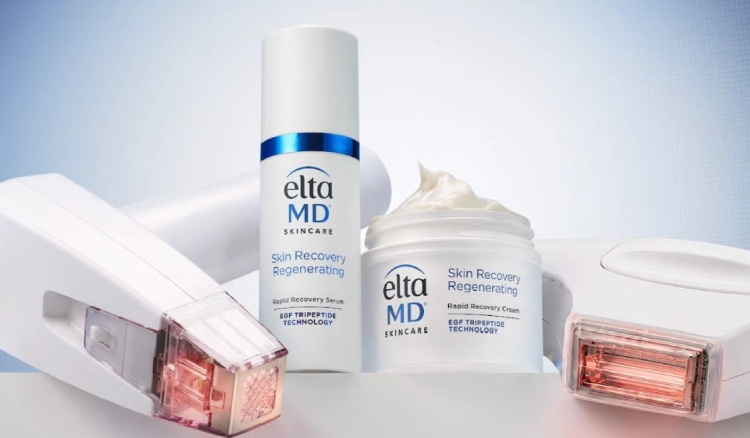
The latest laser or energy-based device may sound impressive, but technology is only part of the equation. “When choosing a provider, look at their years of experience and training,” says Shreveport, LA dermatologist Skylar Souyoul, MD. “For in-office procedures, ask which device they’re using. Devices aren’t created equal, and the person behind the controls matters just as much because they’re the one dialing in your settings and operating the machine.”
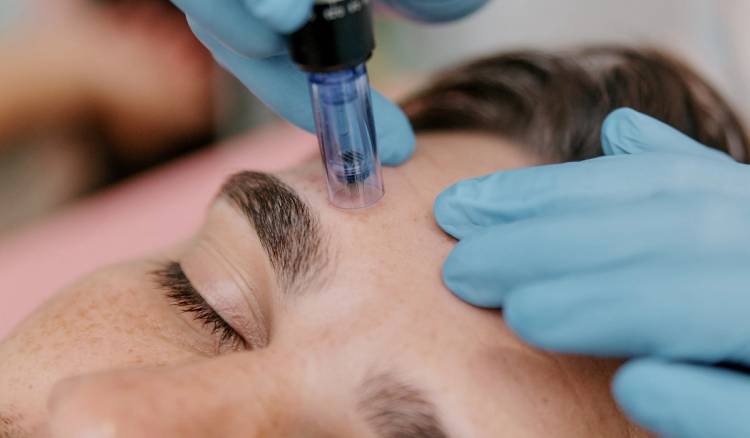
Who can perform these treatments varies by state and procedure. In California, for example, an aesthetician license does not permit laser treatments or other medical procedures. Last year, the FDA also warned of serious complications from certain uses of radio-frequency microneedling devices, including burns, scarring, disfigurement, fat loss and nerve damage, emphasizing that it is a medical procedure.
Before booking, ask which device will be used, who will be operating it, what training and licensing they have, and why the treatment is appropriate for you.
What Happens Behind the Scenes?
One way patients can better gauge a medspa’s safety is through independent accreditation. “The industry has grown explosively, but oversight has not kept pace,” says Thomas Terranova, CEO of QUAD A. “There has been no consistent, independent framework defining what safe, high-quality medspa operations look like.” QUAD A recently expanded its health-care accreditation program to medspas. “For patients, QUAD A’s accreditation fills the trust gap,” adds Terranova. “While patients may lack the access or technical knowledge to perform an assessment, our on-site surveys demonstrate that there are systems in place that protect you.”
Those systems include infection prevention, staff qualifications, medication management and emergency preparedness. Terranova suggests asking whether a medspa is accredited or has undergone an independent on-site assessment. “If the medspa is not enthusiastically transparent about showing you how compliant they are, leave.”
Is Experience More Important Than Popularity?
A big following can make a provider look like an expert, but it doesn’t make them one. “Medical aesthetics is not cosmetology. It is where technology meets biology,” says Vero Beach, FL plastic surgeon Alan Durkin, MD. Look at how and where a provider trained, and how long they’ve been performing the treatment you’re considering. “Experts are created by elevated outcomes over decades—not by social media followings,” he adds.
Why Is It So Much Cheaper?
“As the medspa industry grows, patients should prioritize safety, training and transparency over price alone,” says Dr. Channual. If a price seems dramatically lower than what you’re seeing elsewhere, find out why. “Differences in cost can sometimes reflect the provider’s experience level, the device or product brand being used, the number of units or treatment pulses administered, or what is actually included in the package.” Before comparing prices, make sure to compare the same treatment.
Have You Done Your Homework?
There’s no substitute for doing your own research. “Experience matters, so patients should do as much research on who they choose to hold the needle as they do to pick their car, their electronics or their curl cream,” says New Orleans dermatologist Mary Lupo, MD.
Whether you’re a first-timer or looking for a new provider, it’s worth doing some due diligence before you book. Because, unfortunately, no one does more research than the patient trying to correct, reverse or revise a treatment that didn’t go as planned.