Believe it or not, pores aren't one-size-fits-all. Even the most knowledgeable beauty consumers might be surprised to learn that there are three distinct pore shapes, “and each one tells us something different about what's happening beneath the skin's surface,” says Omaha, NE dermatologist Daniel Schlessinger, MD. We asked top dermatologists to explain the nuances between each pore shape and share which ingredients are most helpful for making them look less noticeable.
Featured Experts
- Daniel Schlessinger, MD and Joel Schlessinger, MD are board-certified dermatologists in Omaha, NE
- Dr. Deborah Longwill is a board-certified dermatologist in Miami
- Sue Ellen Cox, MD is a board-certified dermatologist in Chapel Hill, NC
Do Pore Shapes Really Matter?
“The shape itself doesn’t matter as much as what’s causing it,” says Miami dermatologist Dr. Deborah Longwill. Each shape reflects something different, so treatment should target the underlying issue, she explains. While some shapes call for oil balancing, others require collagen building. “Rather than treating the pore directly, we focus on those underlying factors, which can help improve how pores look,” adds Chapel Hill, NC dermatologist Sue Ellen Cox, MD.
Omaha, NE dermatologist Joel Schlessinger, MD notes that many people reach for one-size-fits-all pore products without understanding the root cause of their particular concern. “Treating all three the same way is a bit like prescribing the same treatment for three completely different conditions,” he explains. “You might see some improvement, but you won’t get the best possible results unless you’re targeting the actual underlying cause.” That said, using the shape of your pores as a diagnostic clue can help tailor your skin care to your needs. Below, we break down all three.
O-Shaped Pores
“O-shaped pores are typically enlarged and round, often seen in oily or acne-prone skin,” says Dr. Cox, a point echoed by Dr. Daniel Schlessinger and Dr. Longwill, who adds that they’re typically found in younger skin. Regarding them being “most common in people with oily or acne-prone skin,” that’s “because excess sebum production stretches the pore opening over time,” explains Dr. Daniel Schlessinger. “When that oil mixes with dead skin cells and environmental debris, the pores become even more visible.”
“If you have O-shaped pores, the issue is oil and congestion, so your routine should focus on keeping pores clear and regulating sebum,” says Dr. Joel Schlessinger. Dr. Cox recommends salicylic acid and retinoids, with niacinamide as another helpful addition, per Dr. Longwill.
U-Shaped Pores
U-shaped pores are slightly stretched and often seen with early aging and collagen loss—think the late 20s to 40s, says Dr. Deborah Longwill. “U-shaped pores are more oval or angular and are most common in people with dry or dehydrated skin, particularly in women over 25,” says Dr. Daniel Schlessinger. “Unlike O-shaped pores, these aren’t about excess oil—they’re about insufficient moisture. When the skin lacks hydration, it can look flaky and rough, which makes pores appear more prominent.”
If you have U-shaped pores, Dr. Joel Schlessinger notes that hydration and barrier repair should be your top priorities, while Dr. Deborah Longwill recommends formulas with retinoids, peptides and antioxidants to help support collagen and improve skin texture.
Y-Shaped Pores
“Y-shaped pores are often linked to more advanced photoaging and collagen loss, where the pore opening looks irregular or branching,” says Dr. Cox. The shape is most common in more mature skin with significant loss of elasticity, Dr. Longwill adds, while Dr. Daniel Schlessinger explains that “as the structural support around each pore weakens, the opening stretches downward under the effect of gravity,” resulting in the Y shape.
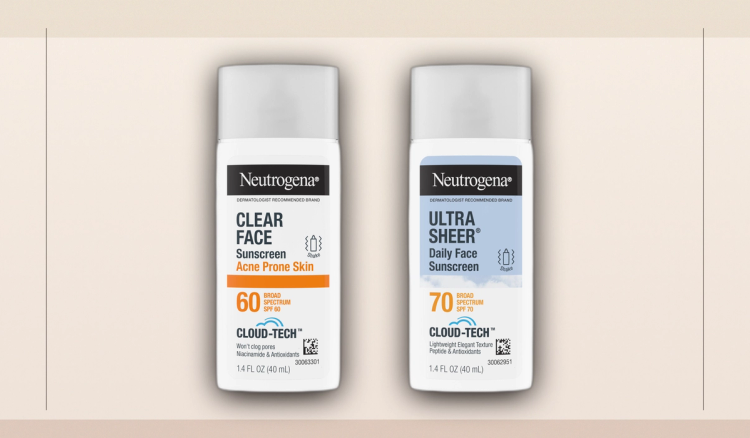
“If you have Y-shaped pores, you’re dealing with an aging and structural concern, so you need ingredients that rebuild collagen and improve skin firmness,” says Dr. Joel Schlessinger. “For U or Y patterns, where collagen and elastin loss play a bigger role, retinoids, sunscreen and collagen-supporting ingredients like peptides or growth factors are impactful,” says Dr. Cox. In addition to skin care, Dr. Longwill notes that in-office treatments, such as microneedling, radiofrequency or lasers, can help improve the look of Y-shaped pores.