
“Natural” oral care is a crowded—and often confusing—space, where sleek packaging and buzzy ingredients don’t always translate to healthier teeth. But that doesn’t mean there aren’t natural or natural-adjacent options that genuinely do something. To find out what’s actually worth adding to your routine, we tapped two top cosmetic dentists for their take on natural swaps, gentle actives and expert-approved habits that support cleaner, stronger, healthier teeth.
Featured Experts
- Husam Almunajed, DDS is a cosmetic dentist in New York, NY
- Marc Lowenberg, DDS is a cosmetic dentist in New York, NY
Baking Soda + Peroxide
If your goal is smoother teeth and a brighter smile—minus harsh abrasives—baking soda can help. New York cosmetic dentist Marc Lowenberg, DDS says baking soda “is a natural dentifrice with a very low abrasive quality, so when mixed with peroxide, it does remove surface stains.” The key is the pairing: “The peroxide does release oxygen molecules that help break up the stain,” he explains. Together, they can give you that “squeaky clean” feeling because “this combo does a great job removing plaque.”
It’s not a replacement for your toothpaste, but it’s a simple, research‑backed way to gently brighten between cleanings.
Fluoride
While many people search for “fluoride alternatives," the truth is that nothing works quite like this cavity-fighting mineral. The interest is partly driven by ongoing debates around long-term exposure, ingredient transparency and personal preference, rather than a lack of effectiveness.
Dr. Lowenberg puts it plainly: “There are no alternatives to fluoride that can replace it as it’s the only toothpaste ingredient to date that has been proven to strengthen enamel and significantly decrease cavity risk.” He also points out that fluoride is natural, despite the myths. “Fluoride is a mineral that is naturally occurring in water and many foods,” he says.
Hydroxyapatite Toothpaste
Hydroxyapatite has quietly become the star ingredient of the natural oral‑care world, and for good reason: it’s the same mineral our enamel is made of. That gives it a unique advantage over many “clean” formulas—it doesn’t just avoid questionable additives; it actively repairs.
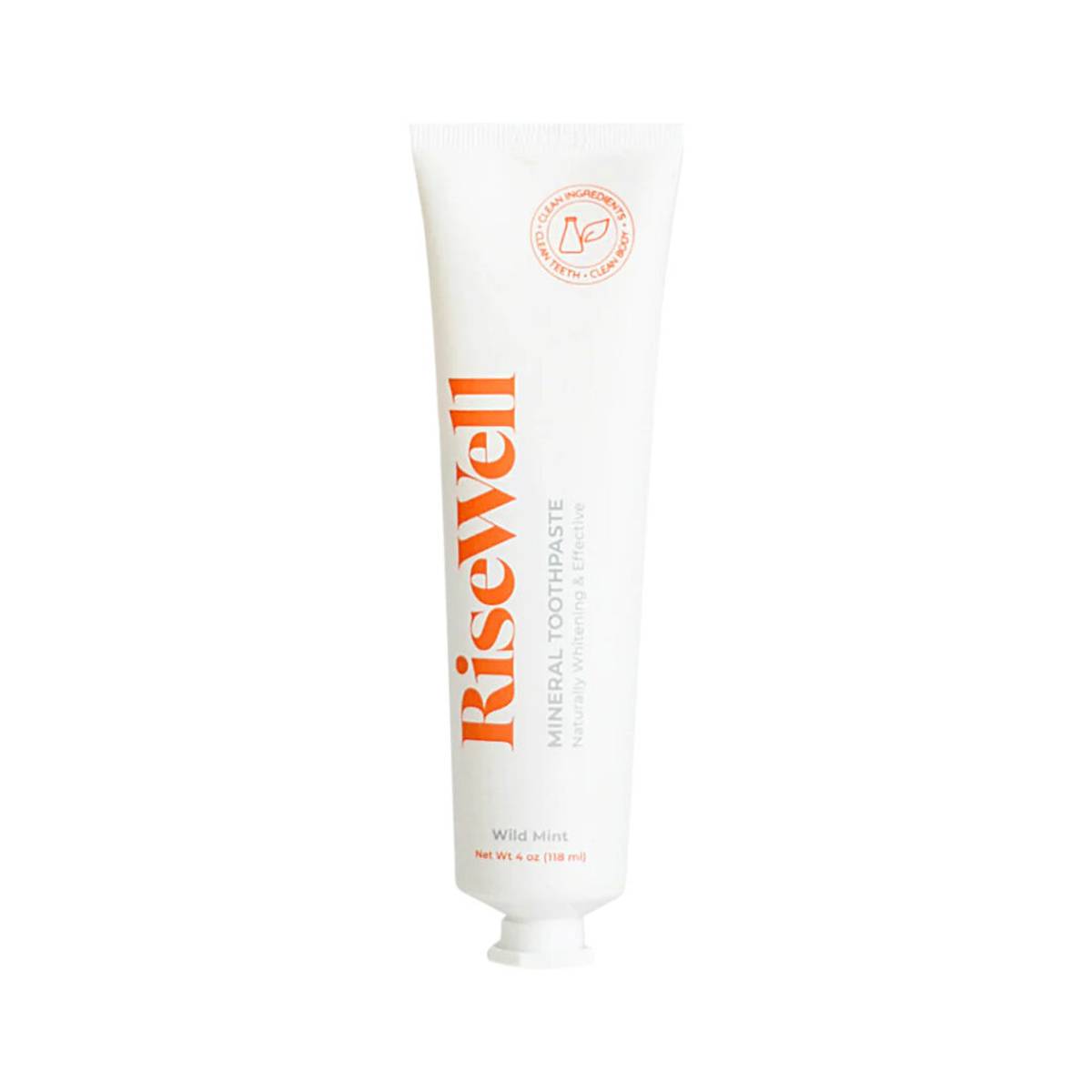
New York cosmetic dentist, Husam Almunajed, DDS says RiseWell ($20) is the one natural toothpaste he regularly recommends to patients. “We give samples of RiseWell toothpaste to all our patients, and it’s a great alternative and has seen benefits in our patients’ oral health,” he says. He adds that it has also become a go-to for patients who prefer a fluoride-free toothpaste during pregnancy, nursing or breastfeeding.
At the center of the formula is hydroxyapatite, which he explains “acts as a microscopic filler” that helps repair tiny imperfections in enamel and reinforce its structure. The result: smoother, stronger, naturally whiter‑looking teeth.
Crunchy Fresh Foods
The oldest form of “toothbrushing?" Chewing. And it still works. “Chewing raw, crunchy fruits and vegetables, like apples, can mechanically remove food and bacteria from your teeth and mouth, while scrubbing away surface stains,” he says. Consider it nature’s subtle exfoliation for your enamel.
Oil Pulling
Oil pulling has gotten the wellness‑world treatment, but dentists say it can be beneficial—just not as a replacement for brushing and flossing.
Dr. Lowenberg explains how it works: “Oil pulling has been shown to reduce inflammation by combining the fat-soluble toxins found in the mouth, a byproduct of bacterial dental plaque, with sesame, sunflower or coconut oil.” The benefits can include fresher breath, slightly whiter teeth and less gum bleeding when you floss.
One important note from Dr. Lowenberg: “Oil pulling does not take the place of brushing and flossing,” and he recommends using a tongue scraper afterward to remove the oil residue from your tongue.