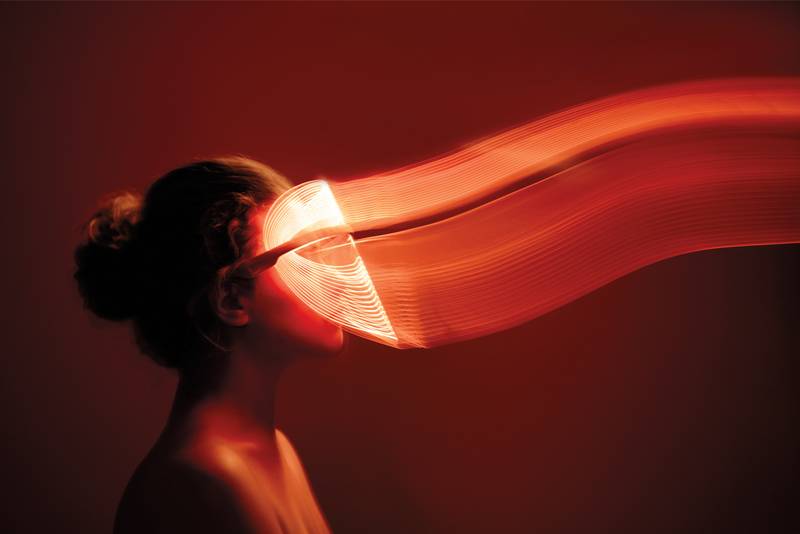
Over the past year, the number-one beauty question I’ve been asked by family, friends and readers is “Should I buy a red light mask?” This is quickly followed by, “and do they really work?” Red light therapy has penetrated nearly every sector in beauty and wellness, from face masks to shower filters and even toothbrushes. Though none of these high-tech devices are a magic bullet, there is some solid science backing their claims and they’re easy to incorporate into any routine.
Though the category has skyrocketed in recent years, the tech isn’t new. Red light’s therapeutic properties were discovered accidentally in the 1990s by NASA astronauts who were using red LED lights to help grow plants in space, but realized it also helped heal their wounds. Shortly after, in 2001, the Environmental Protection Agency released a study revealing that most humans are deficient in red light. “The EPA estimated that modern humans spend about 93 percent of their time indoors, and this means less exposure to natural sunlight, which contains therapeutic wavelengths of red light and near-infrared light,” says Scott Chaverri, cofounder and CEO of Mito Red Light. However, don’t rely on the sun for your red light exposure. “The UV light will negate its potential benefits,” says Chattanooga, TN ermatologist Dr. Luke Maxfield. “To get red light benefits, you need isolated, visible light therapy, which can now be achieved with LED masks and devices.”
Most of these devices (the high-quality ones) combine red and near-infrared light to optimize results. “These wavelengths work together, but they reach different depths,” says Bjørn Ekeberg, cofounder and CEO of Recharge Health, which specializes in LED devices. “Red light is visible and supports surface-level benefits such as skin rejuvenation and healing of minor wounds. Near- infrared light is invisible to the eye, but travels much deeper into muscles, joints, nerves, and even bone.”
Skin
Red light therapy, also known as low-level light therapy or photobiomodulation, uses specific wavelengths of light to penetrate the skin and stimulate cellular activity. “Red light can help promote collagen production, reduce inflammation and accelerate wound healing,” explains Miami dermatologist Anna Chacon, MD. “This can result in improved skin texture, reduced fine lines and wrinkles, and a more even skin tone. It is also used to help manage conditions like acne and rosacea due to its anti-inflammatory effects.”
Look for devices with wavelengths in the range of 630 to 650 nanometers (nm) for red light and around 800 to 850 nm for near-infrared light. “These ranges are most commonly studied and have shown benefits for skin rejuvenation,” Dr. Chacon says. “Ensure the device is also FDA-cleared and provides even light distribution. With consistent use, you can expect gradual improvements in skin firmness, reduction in fine lines and a brighter complexion over several weeks to a few months.”
If you have acne, opt for a device that also offers blue light. “Blue light is the more effective wavelength activating the body’s own porphyrins, which then kill acne-causing bacteria,” says Dr. Maxfield. Though handheld devices are effective, face masks—hard and soft—are the most popular option. “Some people prefer hard masks due to the aesthetics, feel or build, while others like the soft, malleable masks that are especially great for travel,” Dr. Maxfield adds.
Two to Try
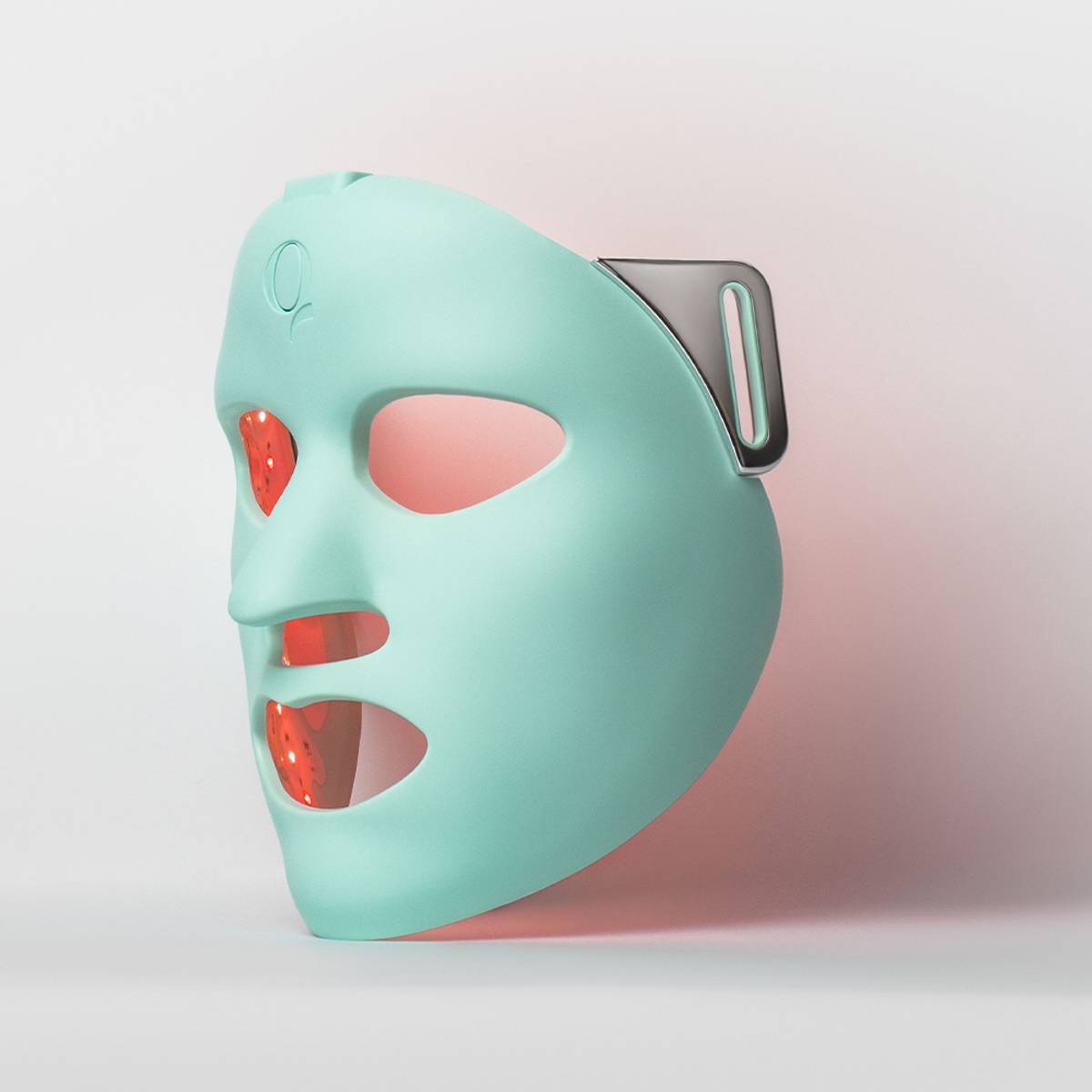
A hard, wireless LED mask, Qure Q-Rejuvalight Pro ($399) is equipped with both red and blue light for anti-aging and acne-fighting benefits. It also offers app connectivity to track skin goals and requires just three minutes per treatment.
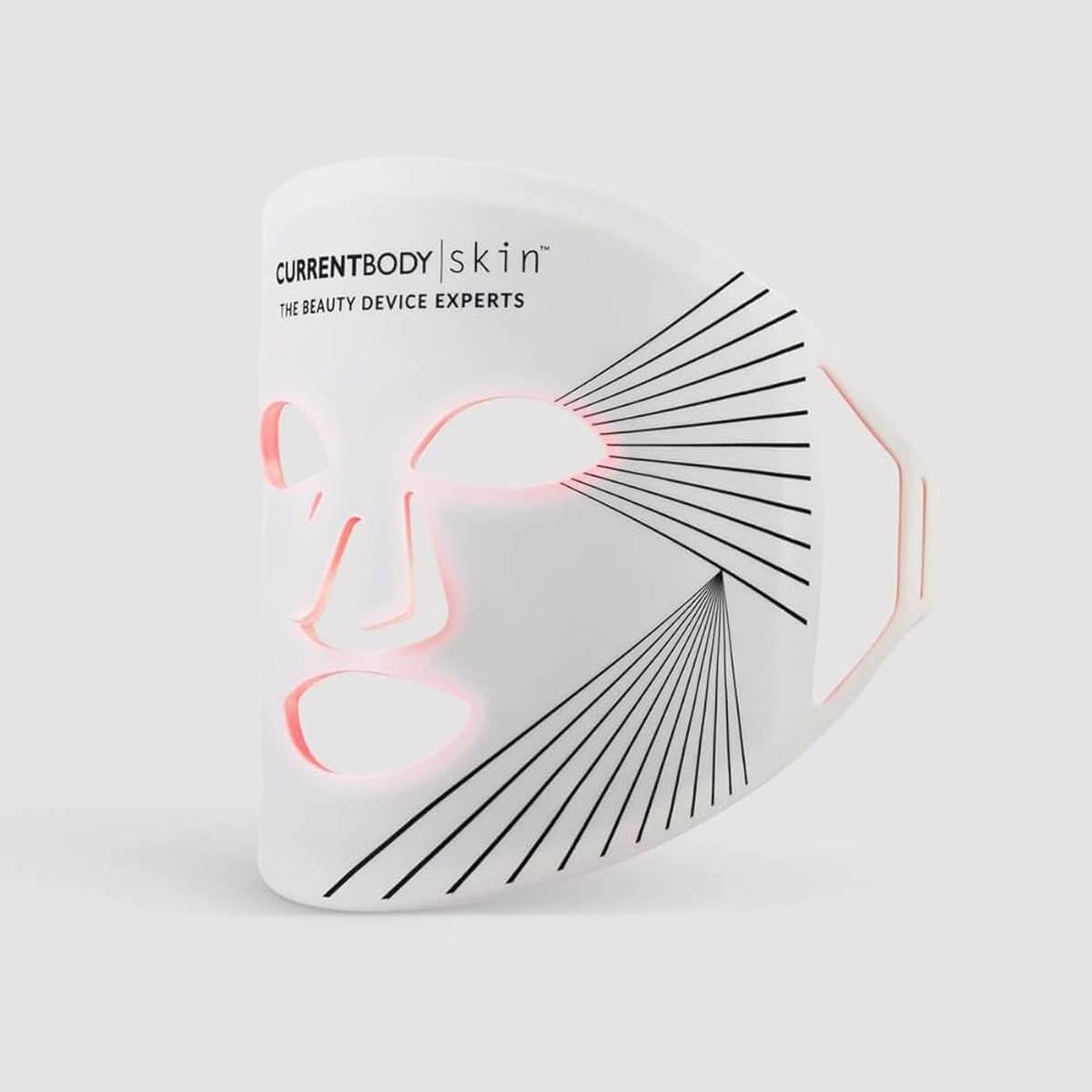
For those who prefer a flexible mask, CurrentBody Skin LED Light Therapy Face Mask: Series 2 ($470) adds a third wavelength of light—collagen-stimulating deep near-infrared—and claims to reduce wrinkles by 30 percent in eight weeks.
Hair
Our hair can also benefit from red light, which stimulates hair follicles, increasing blood flow to the scalp and encouraging hair growth. “Red light helmets are best for individuals experiencing androgenetic alopecia—pattern hair loss—or general thinning,” Dr. Chacon says. “The therapy is most effective in the early stages of hair loss and for those with mild-to-moderate thinning. Results can include increased hair density, reduced shedding and improved scalp health, which are typically noticeable after several months of regular use.”
One to Try
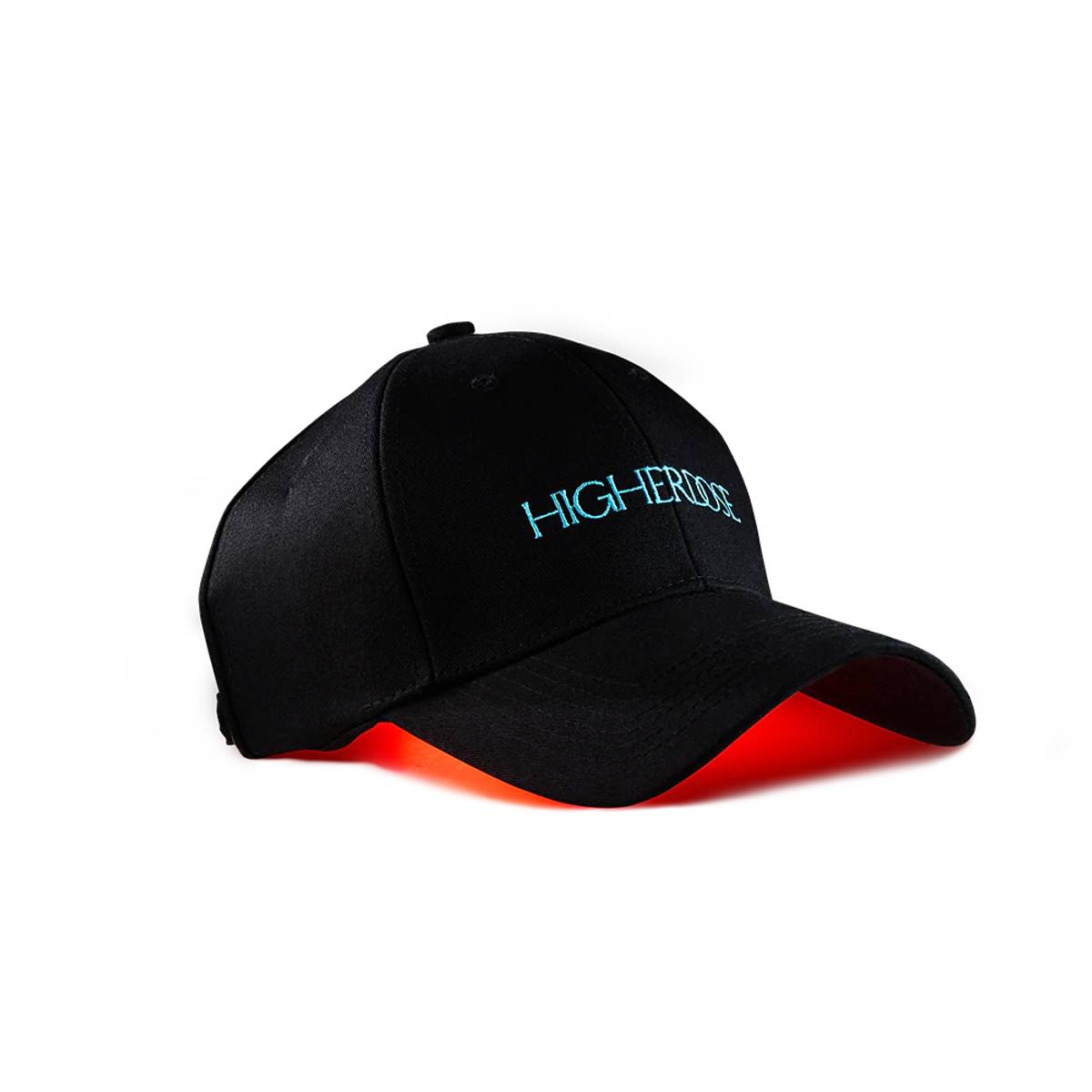
HigherDOSE’s Red Light Hat ($449) may look like a regular baseball hat, but it’s loaded with 120 diodes of red light that help stimulate hair growth and improve scalp health for less shedding. Plus, each treatment is just 10 minutes per day.
What Is Irradiance?
Irradiance measures the “strength” of the light reaching the skin, which determines the depth of penetration, and overall, the efficacy of the treatment. Chaverri says it’s important to look for verified irradiance before investing in a red light device. “Generally, you want it in the range of 20m W/cm² to 100m W/cm²,” he advises. “If a company makes wild claims about irradiance, like over 200m W/cm², odds are they are exaggerating and/or don’t know how to properly measure it.
Additionally, more isn’t necessarily better with red light. “This type of therapy is a hormetic stressor—like exercise—so you want the right amount, not necessarily more,” says Chaverri.“Consistency matters more than intensity.” Ekeberg agrees, adding that like any effective health routine, results build with regular use. “It’s about training your cells to perform better over time. Once that happens, you notice the difference in energy, recovery and overall vitality.”
Body
Ekeberg says to think of red light therapy as charging your body’s inner battery, the mitochondria. “When your cells get that light boost, everything works better—your energy, recovery and even your mood,” he explains. “It helps calm inflammation, which is behind most stiffness, aches and general fatigue. You’ll notice faster recovery from exercise and natural pain relief without medication.”
Red light can also help ease menstrual discomfort. “Cramps are caused by inflammation and uterine muscle contractions, and red light helps reduce both by improving circulation and calming muscle activity,” adds Ekeberg
Two to Try
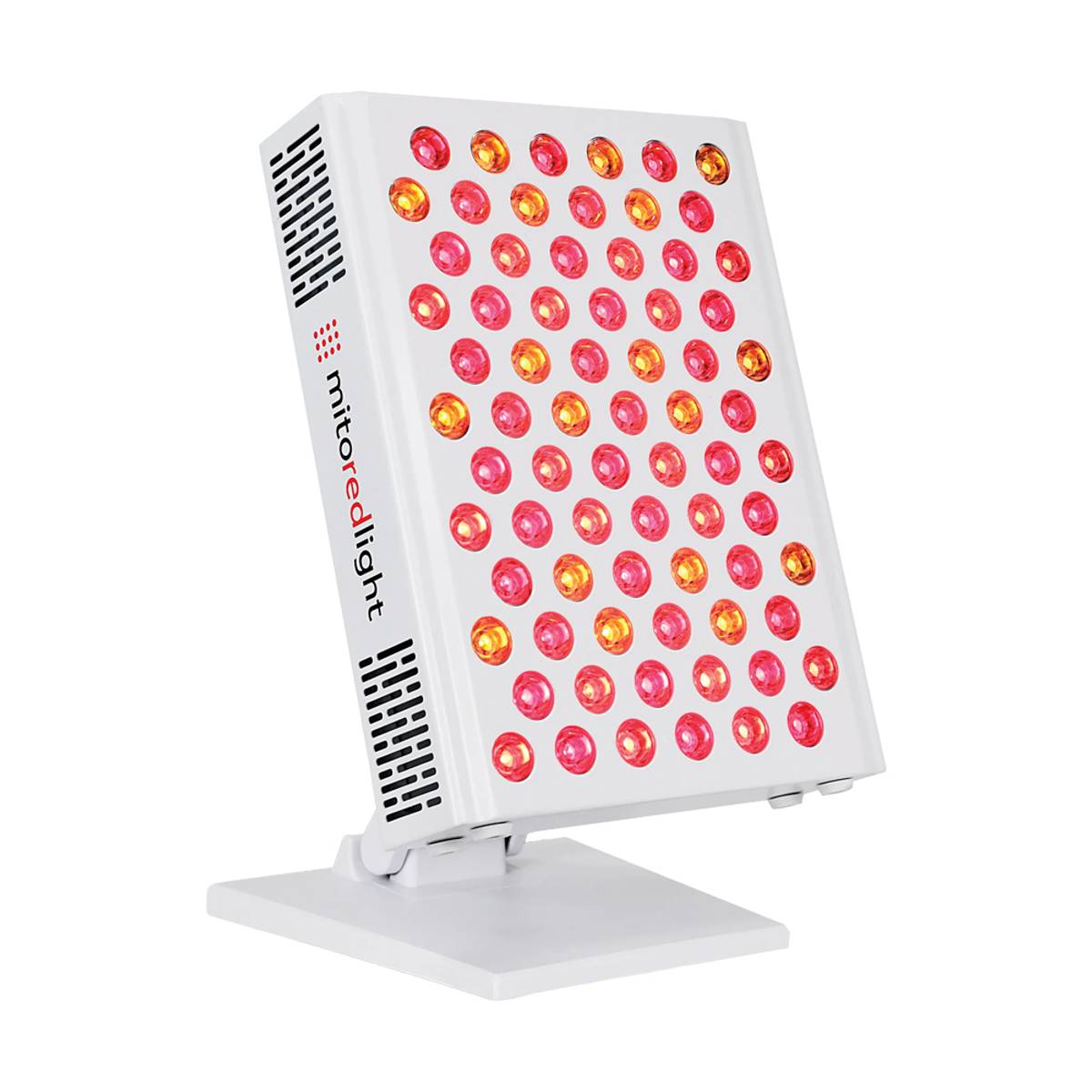
For those who prefer an LED panel, MitoADAPT 4.0 ($549) offers 11 preset modes, app compatibility and good irradiance. “Use it for eight to 15 minutes per day, four to six times a week,” says Chaverri.
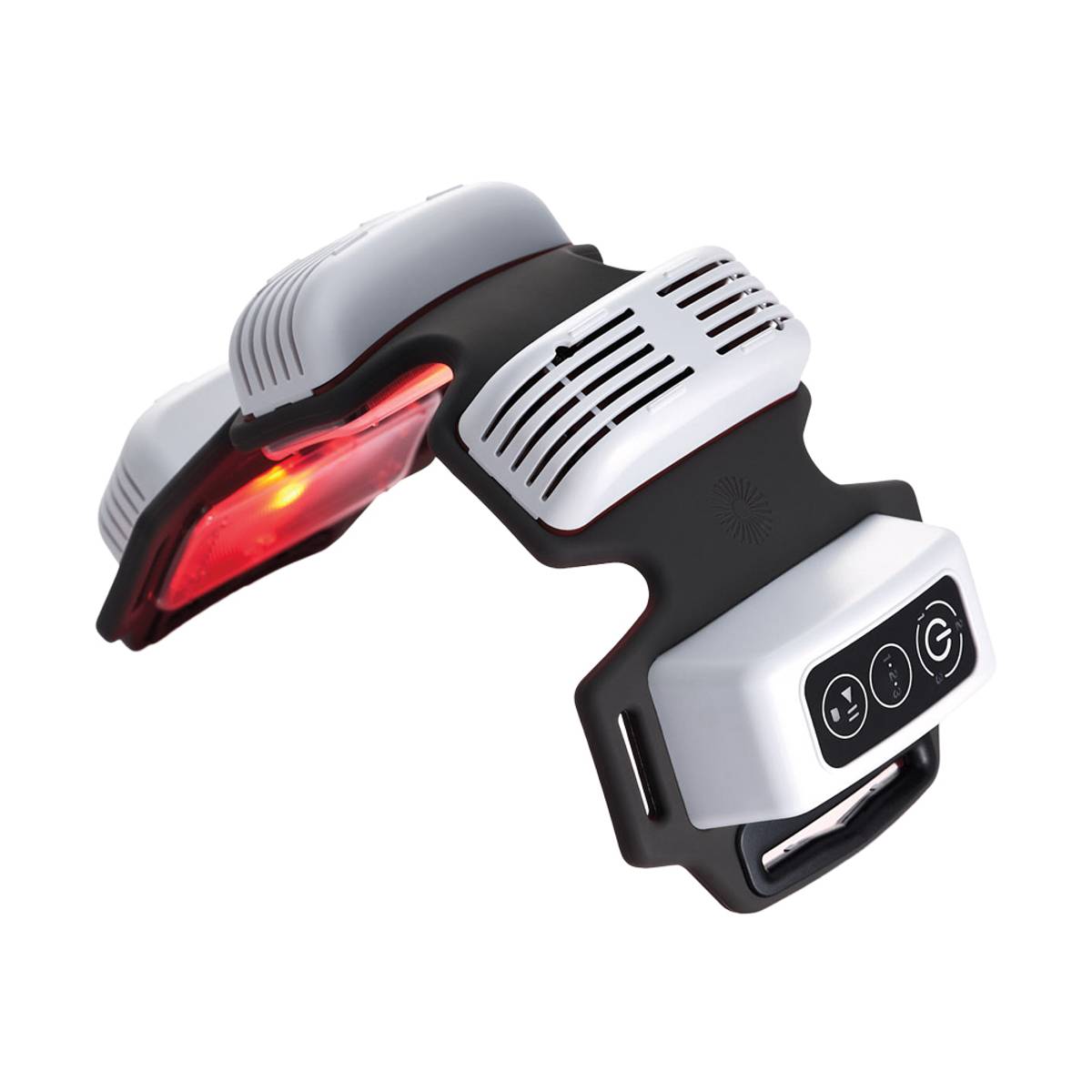
Recharge Health’s FlexBeam ($549) features a flexible design that sits directly on your skin wherever you need it and can lend immediate relief for muscle tension and soreness. Use it for 10 minutes per day, three to five times a week.
Sleep
Red light science also points to benefits for those who have trouble falling asleep. Certified sleep coach Kelly Murray is a fan of red light therapy as part of an evening routine, and says the research backs it up on a few levels. “First, unlike blue light from screens, red light doesn’t suppress melatonin, so it lets the body do what it’s naturally designed to do as bedtime approaches,” she explains. “But what really gets me excited is the growing research on its anti-inflammatory effects. There are solid studies showing that red light can reduce inflammatory markers in the body, and chronic inflammation is one of the biggest hidden sleep disruptors.”
One to Try
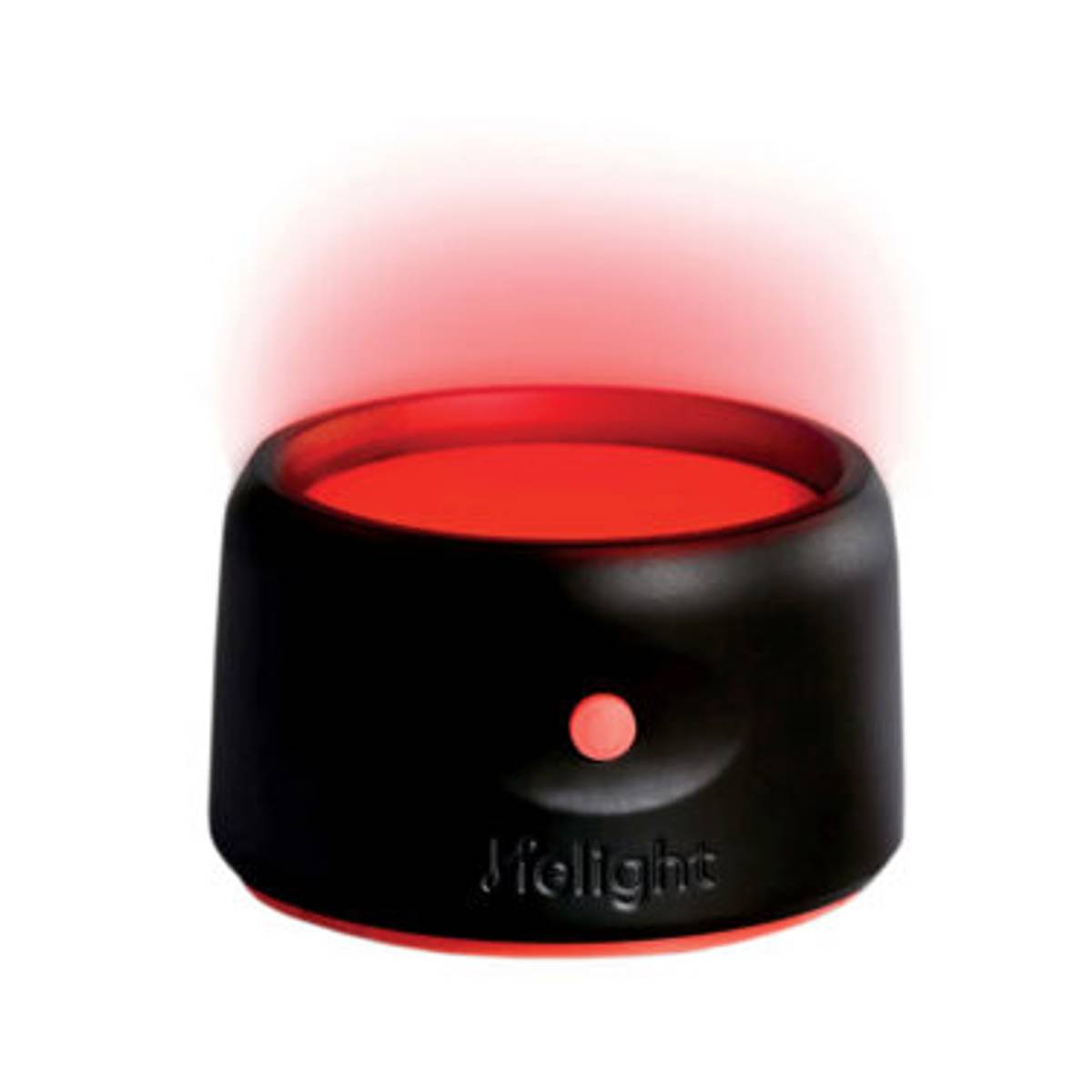
Travel-friendly and cordless, Helight Sleep ($139) emits pure red light through a 28-minute patented protocol. In a consumer study, 98 percent of users reported improved sleep quality within 30 days.
Smile
Now you can utilize the benefits of red light in your smile-care routine, too. “Red and near-infrared light can be effectively delivered while brushing your teeth because it penetrates the gums,” says Katie Mant, cofounder of red light company BON CHARGE.
Chicago cosmetic dentist Jen Moran-Kobes, DDS says she’s intrigued by the use of red light therapy in toothbrushes. “The science behind photobiomodulation is promising for reducing inflammation and supporting gum health, but it should complement excellent mechanical plaque removal, not replace it.”
One to Try
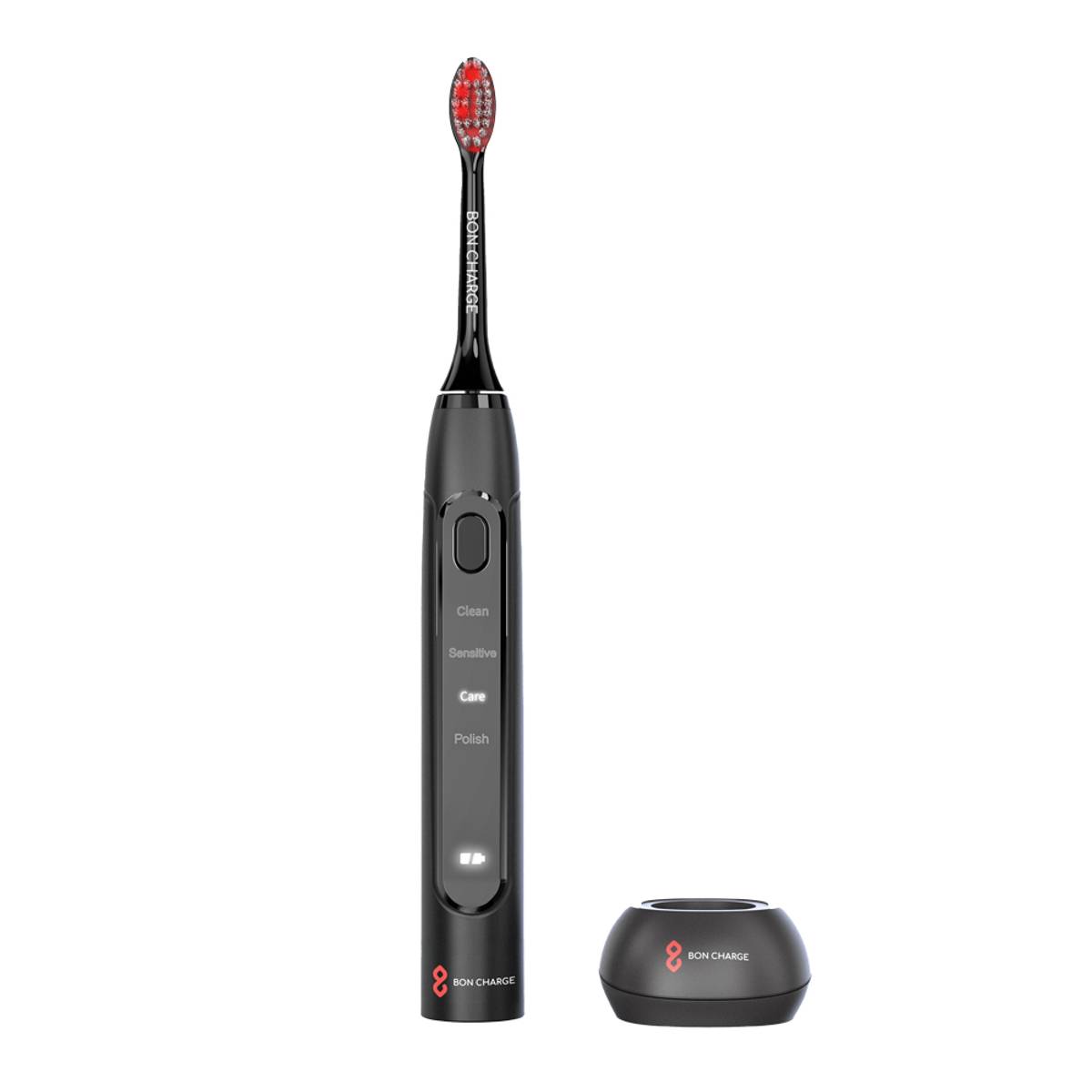
BON CHARGE’s Red Light Toothbrush ($199) combines FDA-cleared red light with sonic cleansing to make your two-minute routine work overtime. If you’re already using an electric toothbrush, consider this swap for a healthier smile.
The Cost Equation
“In the therapeutic light space, you really do get what you pay for,” says Ekeberg. “The very low-priced devices usually use basic LEDs that emit light in weak or inconsistent ranges, so they look red, but they don’t penetrate deeply or stimulate cells effectively.” Chaverri adds that a well-constructed device should last many years. “If the LEDs are high-quality and properly cooled, consider the device an investment that can pay dividends for a long time.”